10 Italian Towns to Hunt for Italy’s Best Cheese
We all know how much Italians love their cheese. It is part of their regional identity, and you can see it in the way they approach the food with care and consistency. You will also notice it at the center of many other recipes across the country. If you want a clearer understanding of this ingredient, spend time in the towns where it is made and handled daily, where local producers follow particular methods that shape flavor, texture, and quality.
Parma
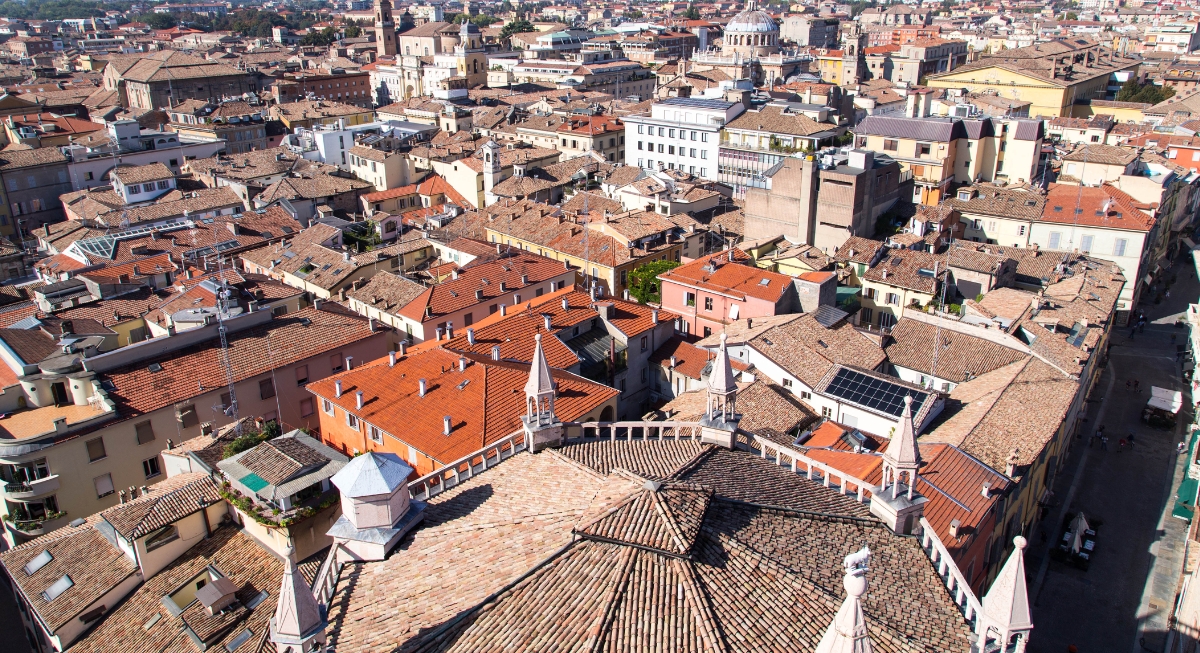
Credit: Wikimedia Commons
Cheesemakers in Parma begin by heating fresh milk, forming curds, and gathering and shaping them into large wheels. These wheels are then moved to aging rooms, where they rest for months and sometimes years under controlled conditions. When you tour dairies, you are likely going to see thousands of wheels stored in neat rows.
Andria
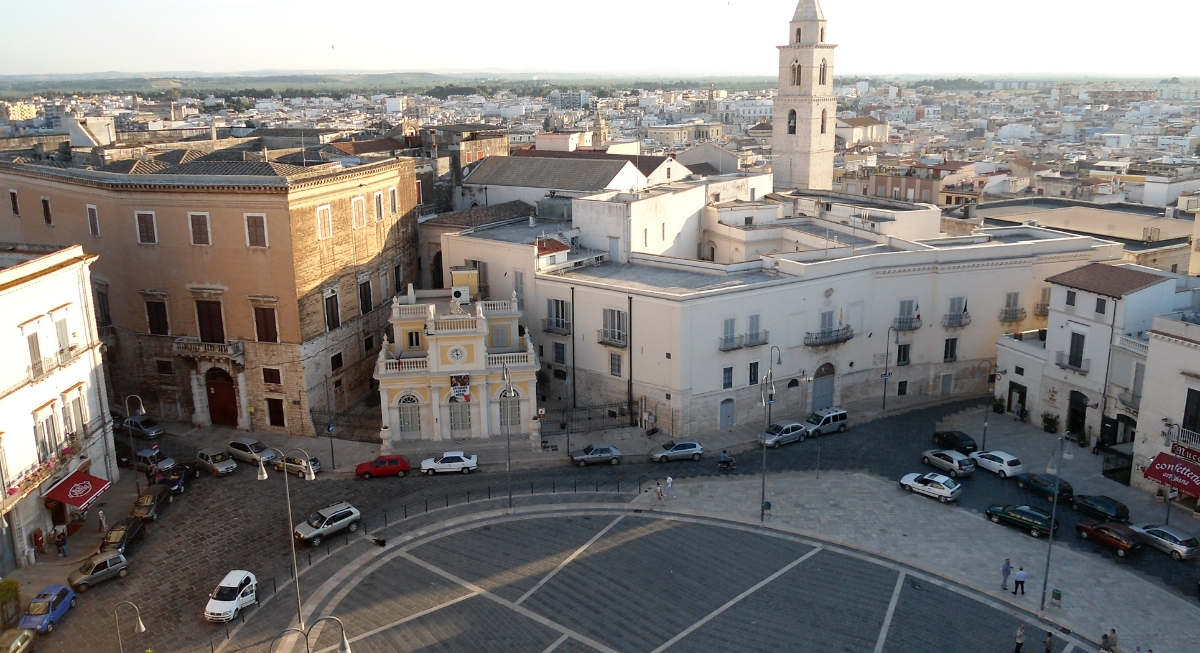
Credit: Wikimedia Commons
Local shops in Andria focus on burrata that is prepared and sold within a short window. The cheese began as a way to use leftover mozzarella and cream, and you will regularly find it served fresh with bread or tomatoes. Prices stay reasonable when purchased directly from producers, especially compared to exported versions.
Naples
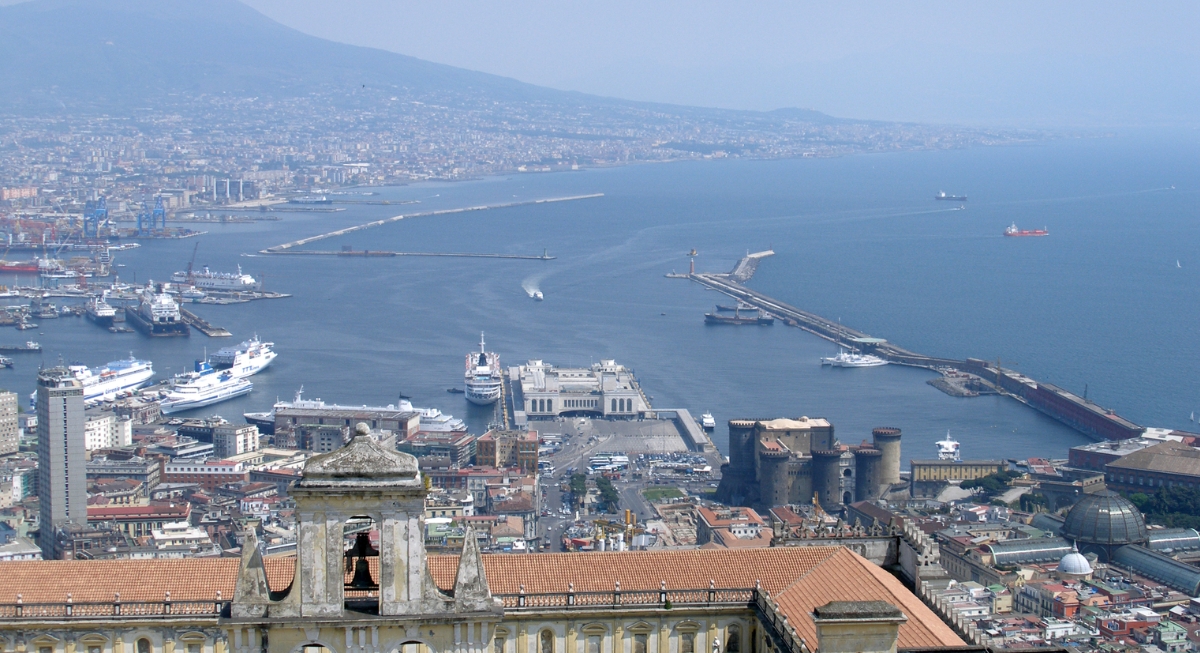
Credit: Wikimedia Commons
Markets and dairies around Naples showcase mozzarella di bufala, made from buffalo milk for its consistency and character. This ingredient reaches shops immediately after production to maintain its quality. Many places offer tastings paired with tomatoes or bread. Naples also connects this cheese to its well-known pizza traditions, where fresh mozzarella is added just before baking.
Alba
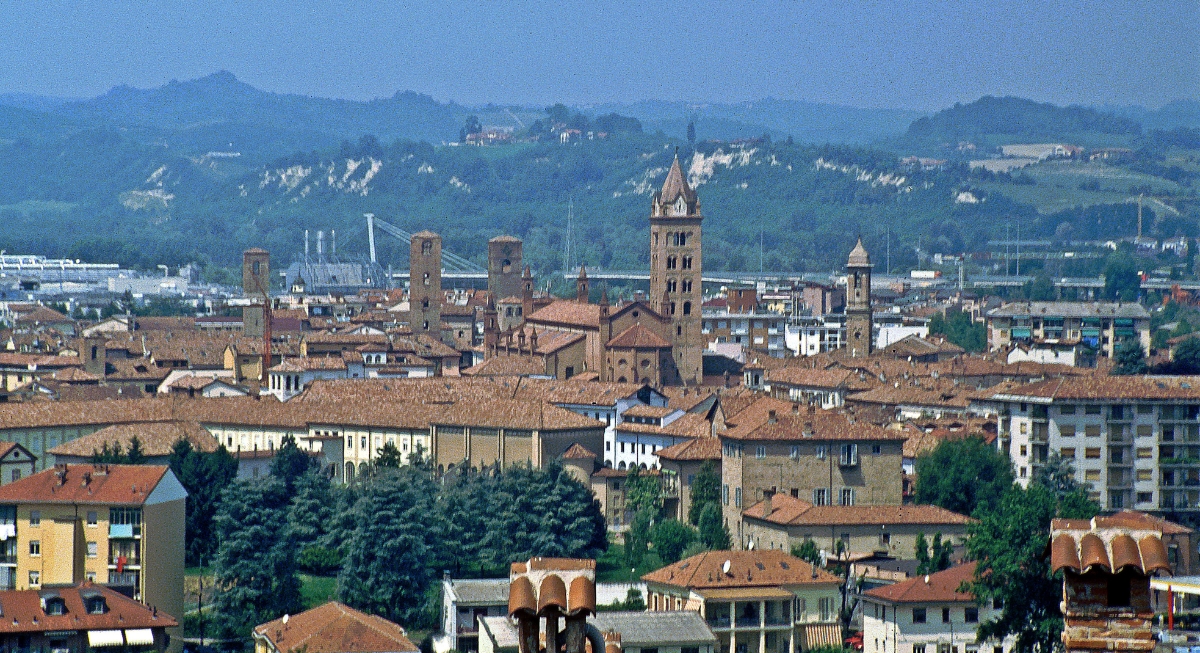
Credit: Wikimedia Commons
If you visit Alba between October and November, you will arrive during peak truffle season. Robiola often appears in tastings thanks to its soft texture, which changes with age. Tours usually also include truffle hunting and cheese sampling during the same outing.
Lucca
Credit: Wikimedia Commons
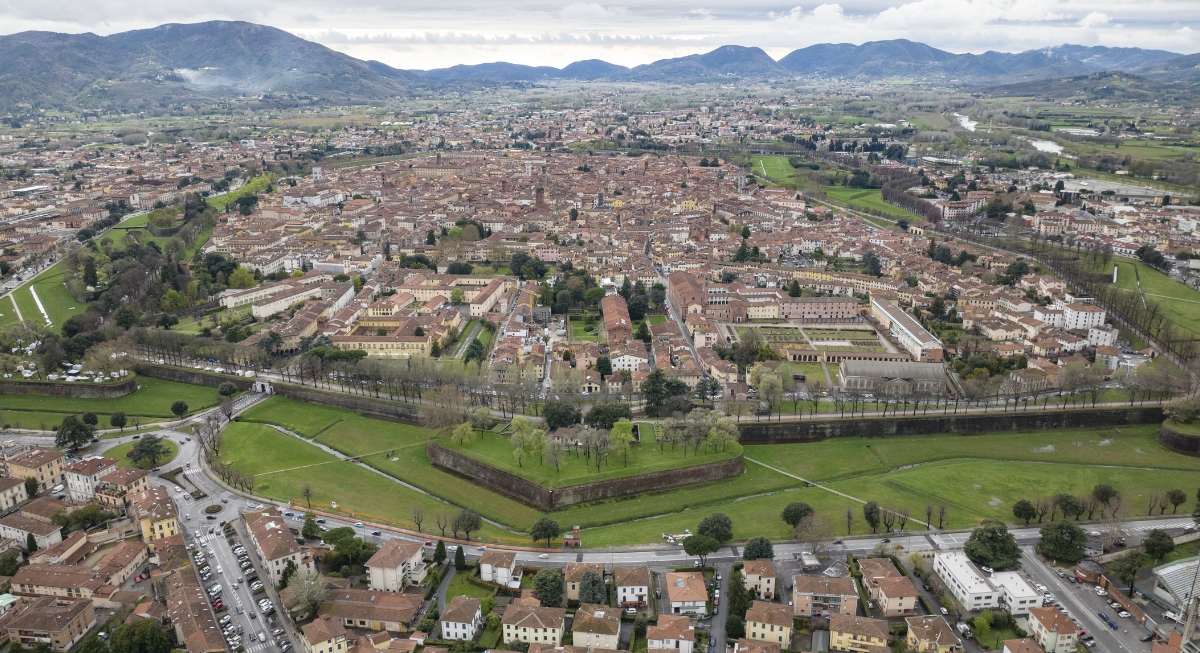
Pasta dishes around Lucca often use Pecorino Toscano as the main cheese, especially in traditional preparations. This sheep’s milk cheese has been part of the region for centuries and is still used today to make various dishes. Visitors can arrange tastings at nearby farms, where cheesemakers explain how production processes and taste go hand in hand.
Siena
Credit: Wikimedia Commons
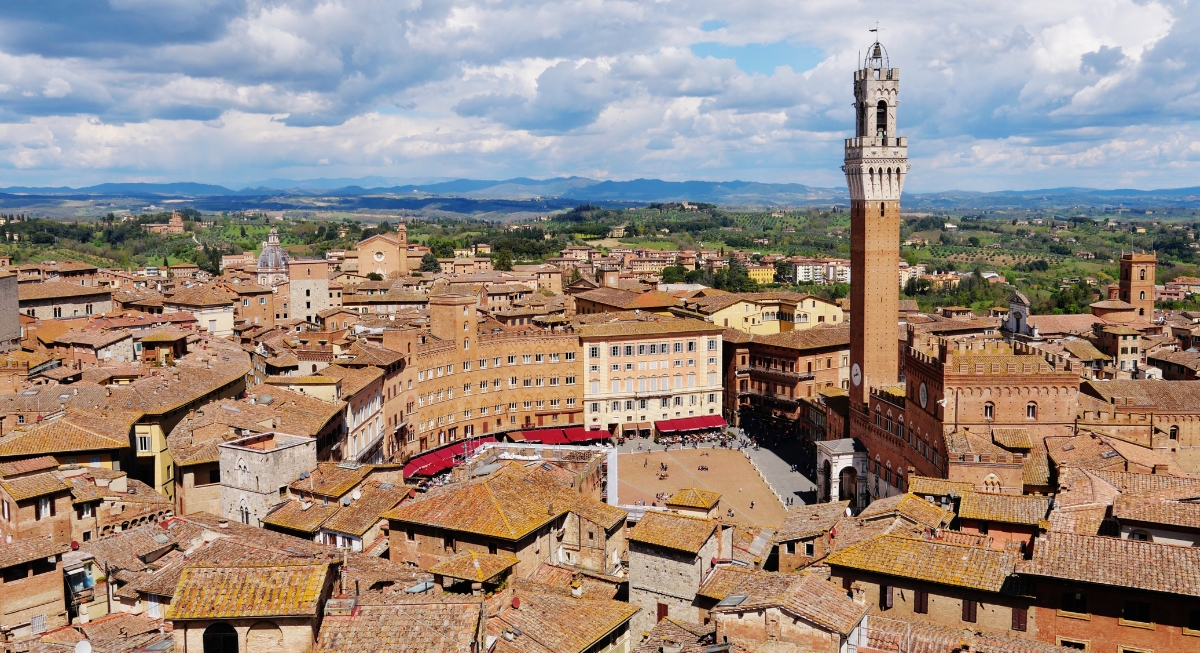
There are several notable local cheeses and producer-specific varieties in Siena that reflect the region’s cheese-making traditions, each with its own flavor profile. For example, Pecorino Gran Riserva, Cacio 24 Mesi, and Pecorino Affinato develop firmer textures through maturation, while Marmorizzato has a truffle element that adds a more pronounced aroma and richer taste.
Sorrento
Credit: Wikimedia Commons
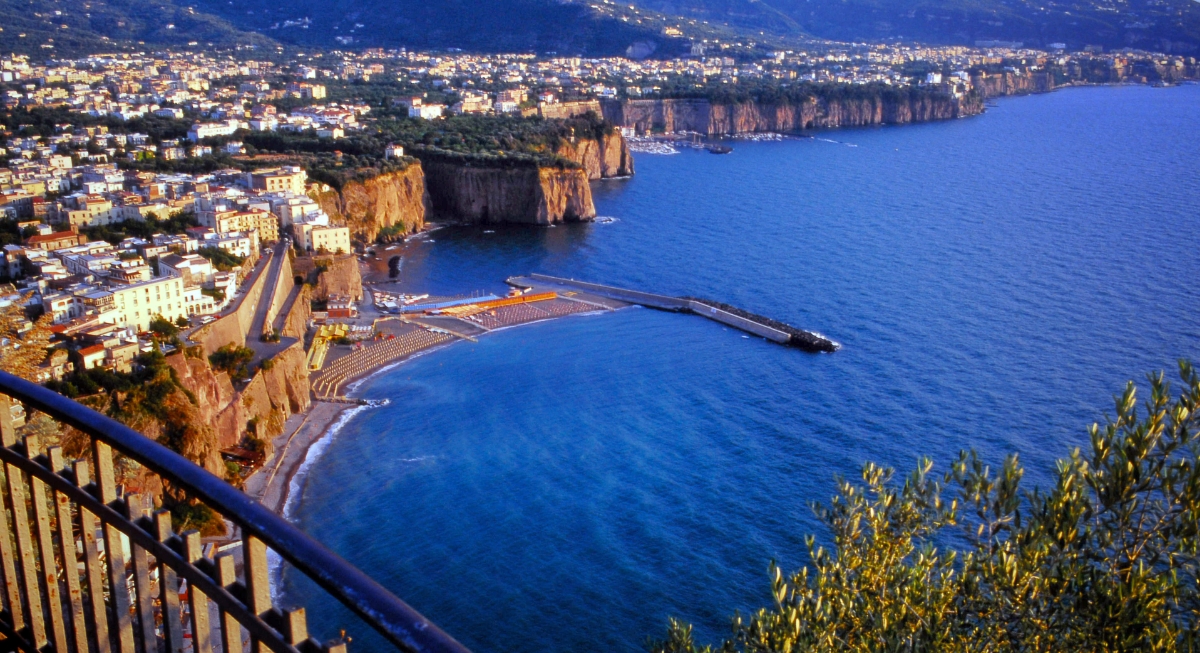
The area surrounding Sorrento will introduce you to caciocavallo, a cheese known for its unusual pear-like shape. Producers achieve this form by tying the cheese at the top and hanging it over a rod during its development time. It is mostly served in nearby shops, with simple additions such as olive oil or bread.
Rome
Credit: Canva
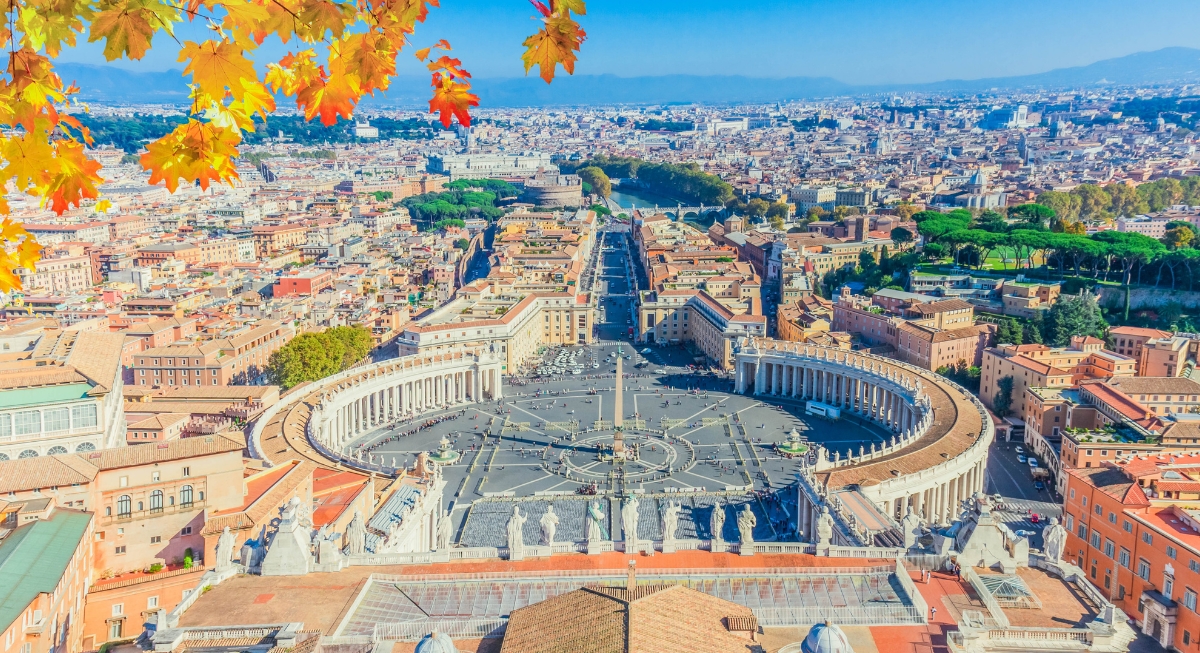
Restaurants across Rome rely on cacio di Roma for dishes that emphasize direct flavors. This cheese, part of the pecorino family, undergoes a shorter aging period that keeps its taste sharp but not overwhelming. It is mostly used in pasta dishes that focus on a few ingredients.
Milan
Credit: Canva
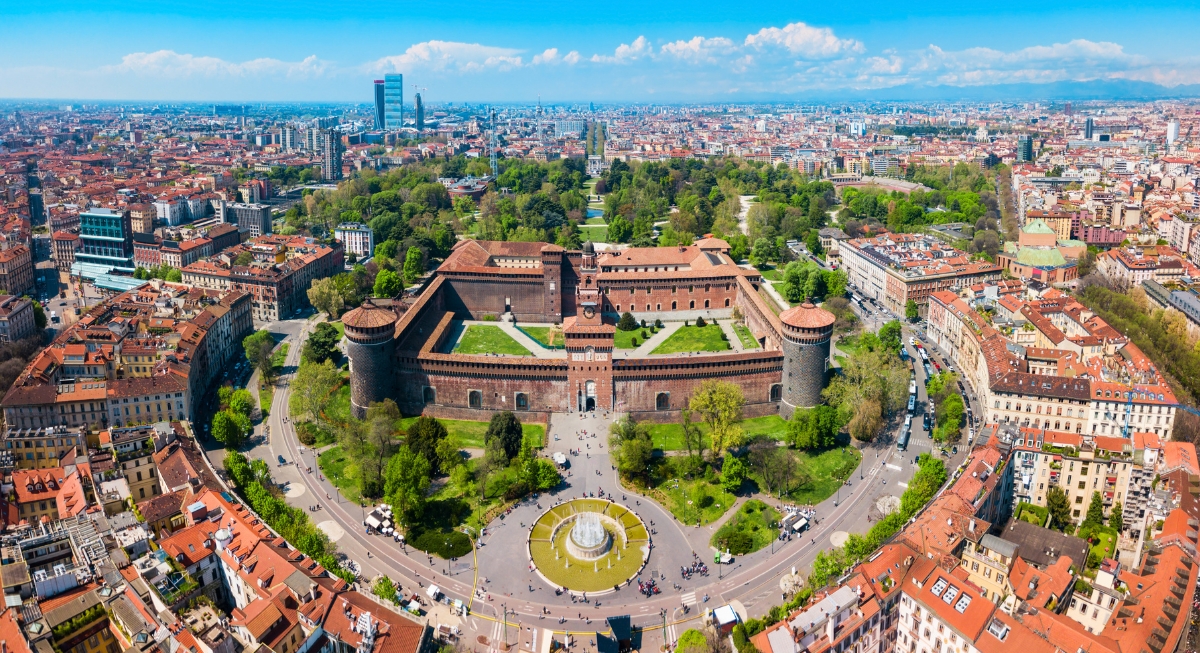
People looking for blue cheese tend to find themselves at the cheese counters in Milan, where Gorgonzola is available in both mild and stronger forms. It develops through a controlled maturation process in which producers introduce specific molds and store the cheese under regulated conditions.
Cagliari
Credit: Wikimedia Commons
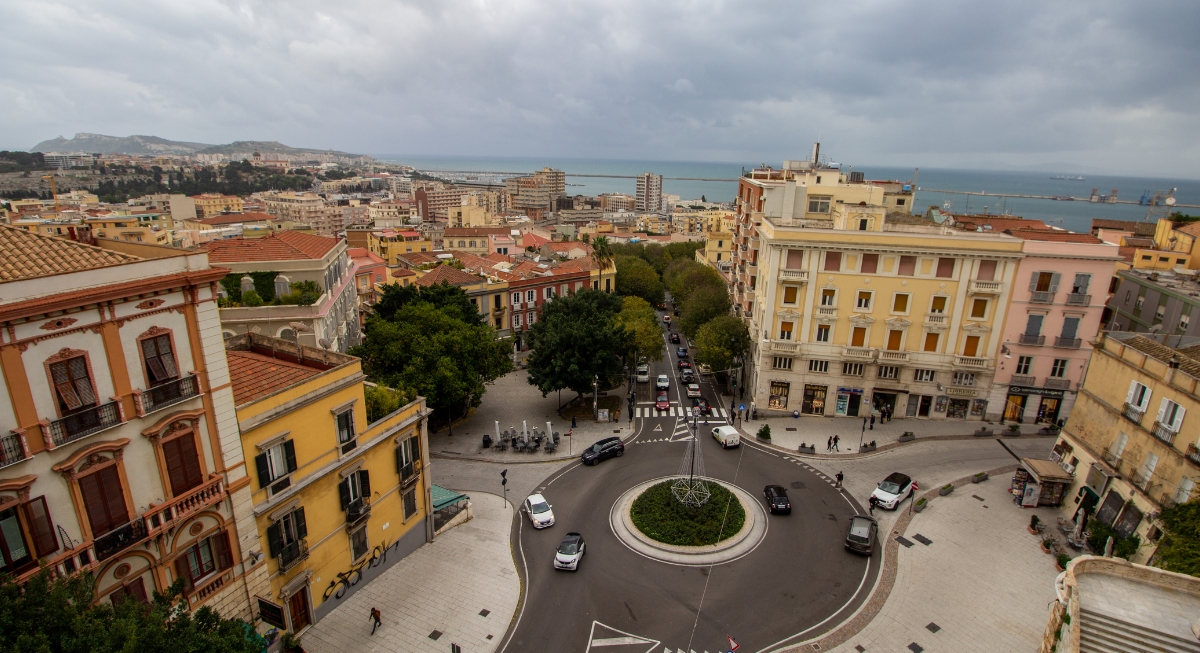
Fiore Sardo has a slightly salty, nutty taste, due to its sheep’s milk. The variety is aged for several months, which gives it a firm design and more concentrated richness. Markets in Cagliari sell it in wedges, and they vary in size and price depending on how long they have to mature.