9 Islands That Are Overrun by Feral Animals
Islands feel separate from the rest of the world. What happens there tends to stay there. That isolation can protect wildlife, but it can also create a serious imbalance. When one animal species spreads without natural predators, it can take over fast.
Some of these animals were released on purpose. Others arrived by accident on ships or through trade. Over time, they multiplied and reshaped entire ecosystems. Today, a few islands are known as much for their feral animals as for their scenery.
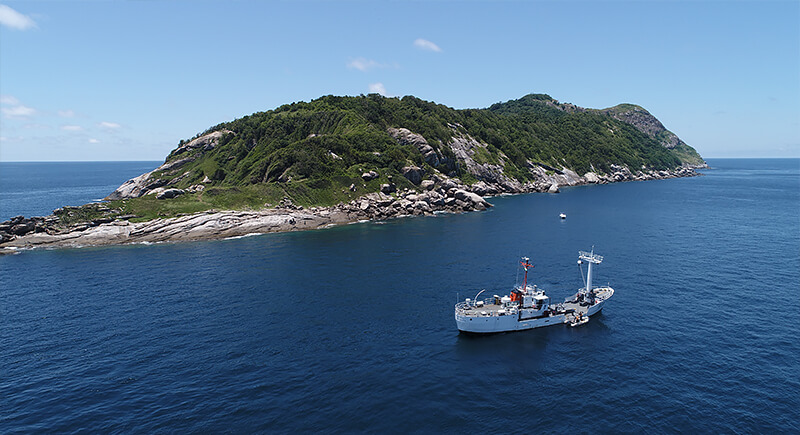
Ilha da Queimada Grande
Credit: Wikimedia Commons
This island off São Paulo is inhabited by golden lancehead pit vipers found nowhere else in the world. Atlas Obscura cited a field estimate of roughly one snake per square meter in certain areas. The species’ hemotoxic venom destroys blood cells and tissue. Public access is restricted because of the high density of venomous snakes.
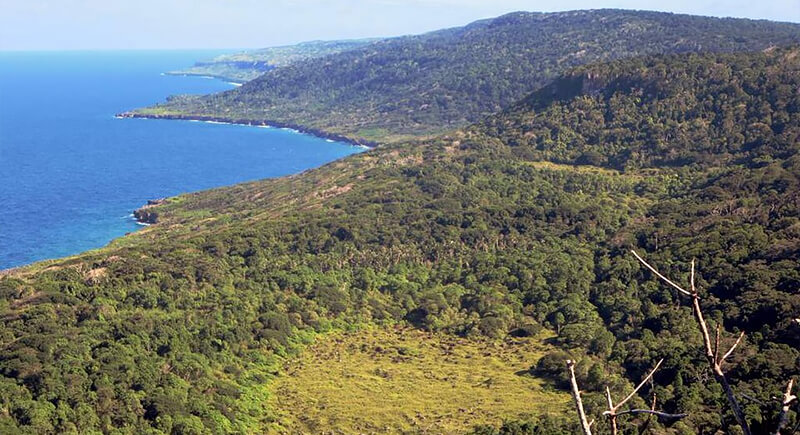
Christmas Island
Credit: Wikimedia Commons
Around 50 million red crabs share this Australian territory with roughly 2,000 residents, according to the Christmas Island Tourism Association. Each spring, usually in October or November, adult crabs leave the forest and march toward the sea to spawn. Roads close and fences go up as the migration briefly rearranges daily routines.
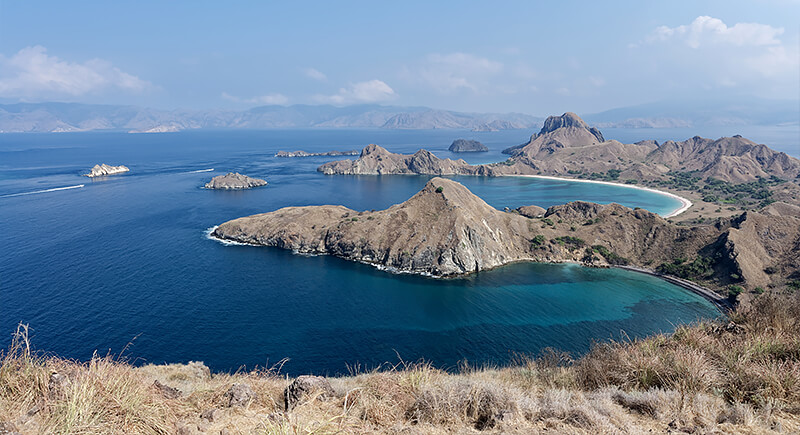
Komodo Island
Credit: Wikimedia Commons
Inside Indonesia’s Komodo National Park, Komodo dragons sit at the top of the food chain. Adult males can reach about 200 pounds, and documented fatal attacks have occurred, as reported by Time. Several thousand villagers live within park boundaries and rely on noise and thrown objects to drive away dragons that wander too close.
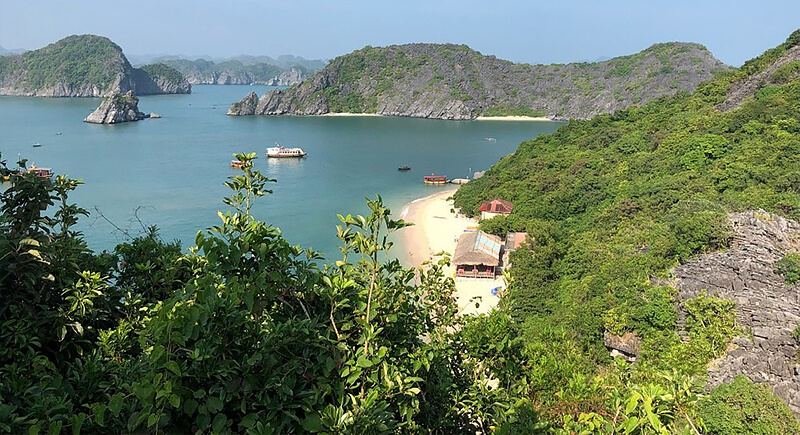
Monkey Island
Credit: Tripadvisor
Six small islands off the coast of Liberia became a refuge for 66 chimpanzees after a medical research program shut down in 2005. The New York Blood Center had used wild-caught chimpanzees for vaccine testing since the 1970s. When funding dried up in 2017, advocacy groups stepped in to supply food and fresh water.
Cayo Santiago
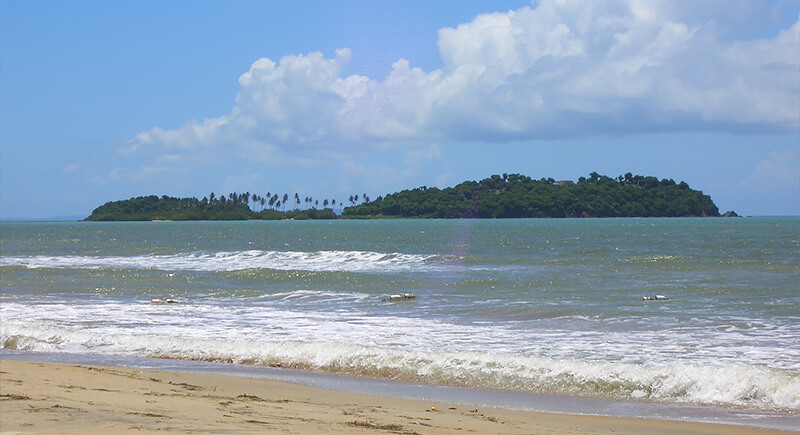
Credit: Wikimedia Commons
Rhesus macaques were introduced to this Puerto Rican island in the 1930s for long-term scientific research. NPR reported that the colony has shaped major findings in genetics, social behavior, and development. The macaques naturally carry herpes B, a virus that can cause severe neurological illness in humans, which limits close contact.
Seal Island
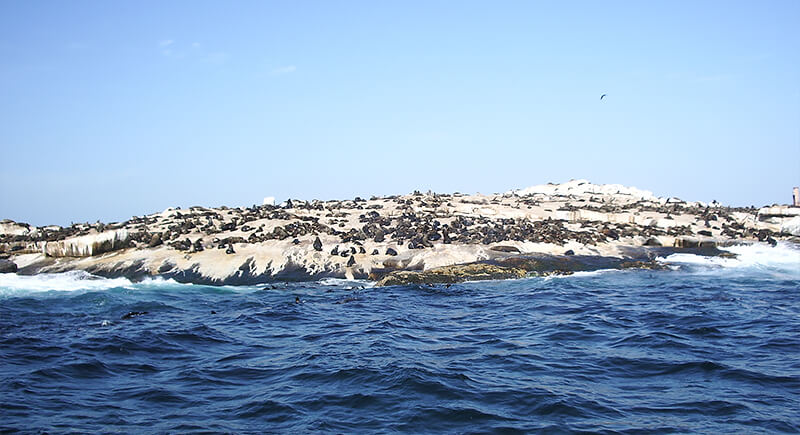
Credit: Wikipedia
Roughly 60,000 seals crowd this rocky outpost in False Bay, creating one of the most studied marine hunting grounds on Earth. The surrounding waters earned the nickname “Ring of Death” because great white sharks frequently breach there in pursuit of prey. Researchers often use the site to document predator-prey behavior in real time.
Big Major Cay
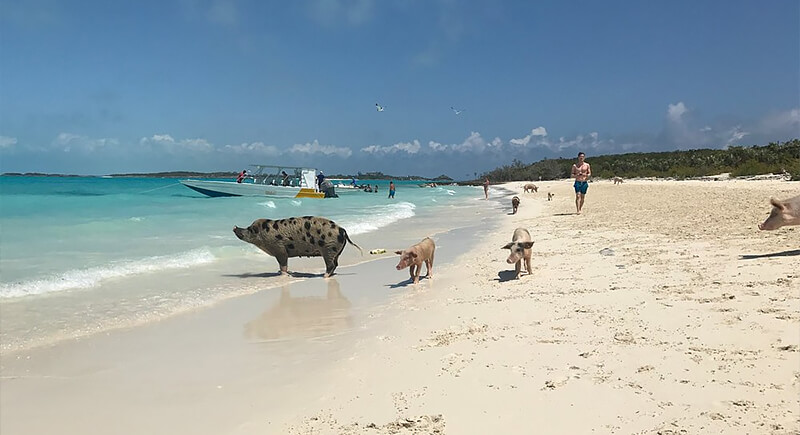
Credit: Tripadvisor
Big Major Cay in the Bahamas has no permanent human residents, though about 20 pigs roam freely across its sandy shoreline. Stories trace their presence to sailors who may have left livestock behind or to animals that survived a shipwreck. The pigs swim out to approaching boats, expecting handouts from visitors.
Aoshima
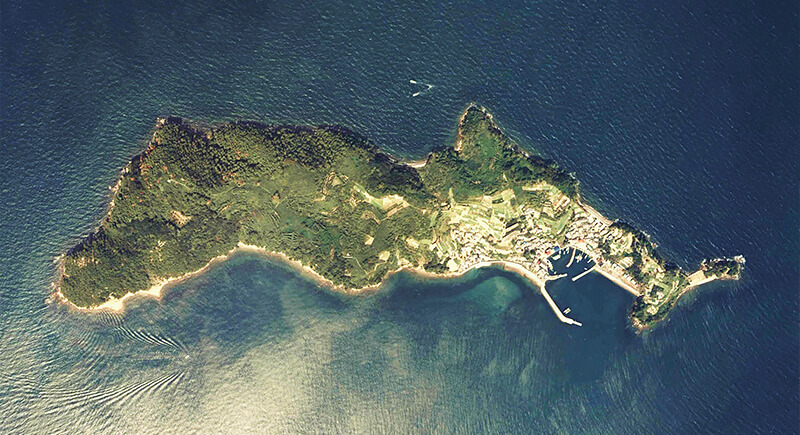
Credit: Wikimedia Commons
On Aoshima, a small fishing island in Japan, more than 100 cats outnumber human residents by nearly six to one. Reports frequently cite it as the most prominent of Japan’s so-called cat islands. The animals wander through the harbor and residential lanes, forming loose colonies around feeding spots maintained by locals and visitors.
Assateague Island National Seashore
Credit: Wikimedia Commons
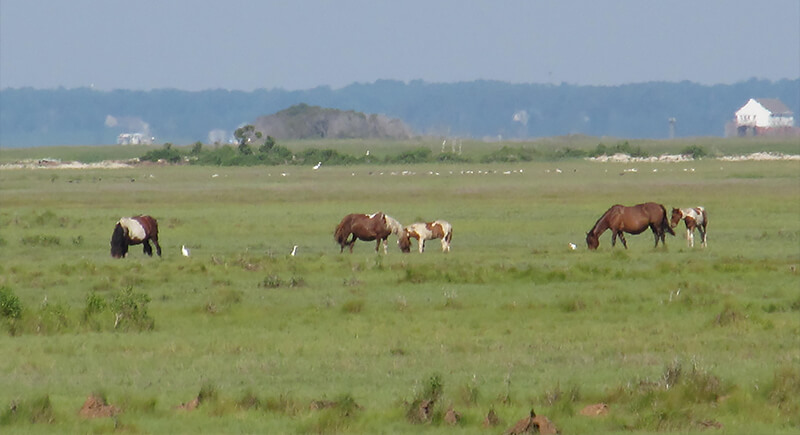
Two separate herds of feral horses inhabit this barrier island spanning Maryland and Virginia. The site is protected by the National Park Service. Visitors observe the horses from designated areas as they move across beaches and dunes, where grazing patterns influence vegetation across the landscape.