Ireland Is Offering Massive Grants to Fix Up Derelict Homes on Offshore Islands
For years, many of Ireland’s offshore islands have been losing people faster than they can replace them. Younger residents moved to the mainland for jobs and housing, while older homes sat empty along the coast. Some cottages have been abandoned so long that wind, rain, and sea air have started tearing them apart. Instead of letting those places disappear completely, the government is now offering people a reason to move back in.
Ireland is offering grants of up to €84,000 (roughly $92,000) to help buyers repair vacant and derelict homes on several offshore islands. The money comes with strict rules, though. These properties cannot turn into holiday homes or short-term Airbnb rentals. The plan is aimed at people willing to actually live there full-time, rent to long-term locals, and help bring life back to communities that have been shrinking for years.
The Government Wants More Than Renovated Houses
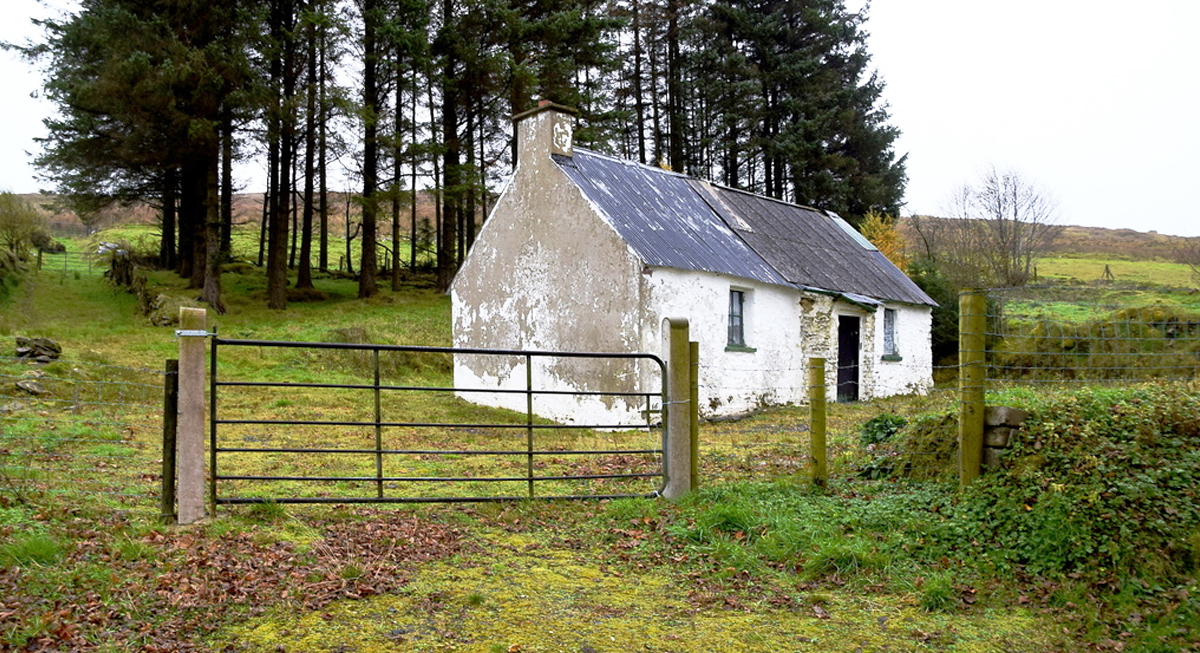
Image via Wikimedia Commons/Kenneth Allen
The program officially launched in 2023 through Ireland’s Vacant Property Refurbishment Grant, later expanded to include offshore islands. The “Our Living Islands” strategy runs through 2033 and focuses on population growth, local jobs, healthcare access, transportation, and digital connectivity. Housing is just the most attention-grabbing part.
Eligible applicants can receive up to €60,000 to refurbish a vacant property. Homes classified as derelict can qualify for an additional €24,000, bringing the total to €84,000. A property usually qualifies as derelict if it is structurally unsound or unsafe to live in before repairs begin.
The funding can cover major work like roofing, insulation, plumbing, electrical upgrades, and heating systems. Furniture, landscaping, and decorative extras are not included in the program.
Officials are aiming at a bigger issue than abandoned homes. Several offshore islands have struggled with population decline for years, especially as younger residents moved to larger towns and cities in search of work.
Remote work has suddenly made those islands more realistic for people who once needed to stay close to urban centers, and Ireland appears ready to capitalize on that.
Life on These Islands Looks Different
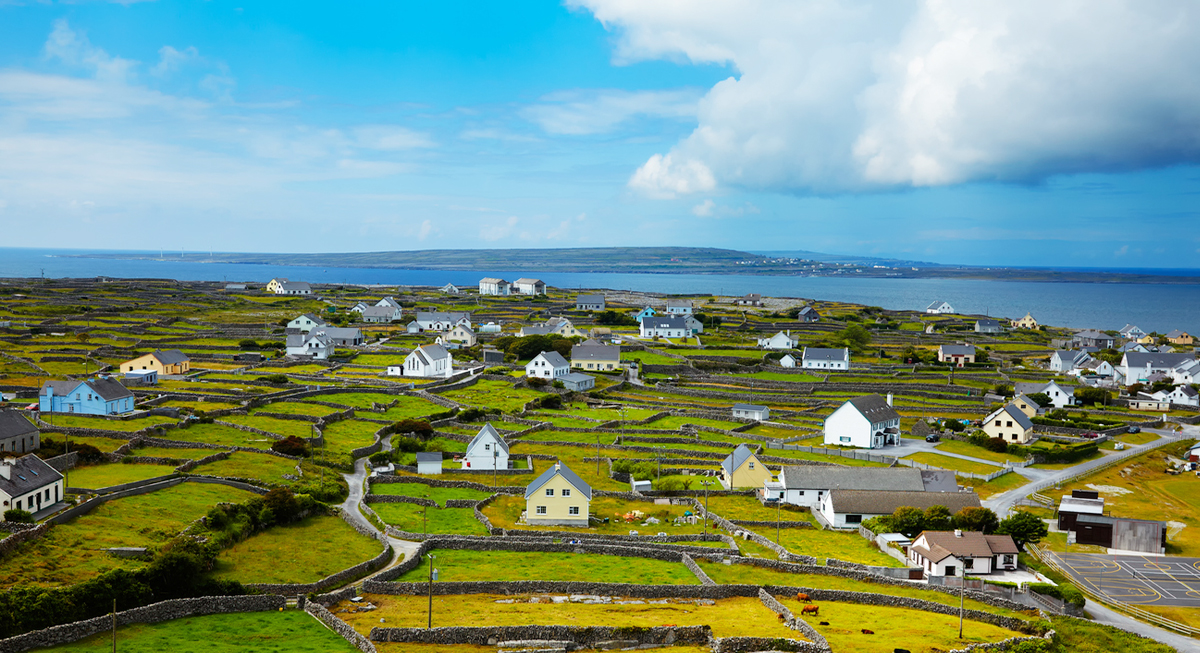
Image via iStockphoto/igabriela
The eligible islands are located off Ireland’s western coast and include places like the Aran Islands, Clare Island, Bere Island, Inishbofin, Inishturk, and Toraigh, also known as Tory Island.
These are places where ferry schedules shape daily routines, and local populations remain small compared to those of mainland towns. Some communities still speak Irish Gaelic regularly. Dursey Island even relies on Ireland’s only cable car connection to the mainland.
The scenery helps sell the dream, of course. Atlantic cliffs, isolated beaches, old farmhouses, and dramatic coastlines photograph well online. Still, the government’s pitch depends heavily on practicality.
Many islands now have improved broadband infrastructure, upgraded transport links, and stronger support for remote workers than people might expect. Ireland’s long-term strategy specifically mentions digital investment as part of efforts to keep island communities alive.
At the same time, buyers should expect renovation projects that come with real complications. Construction costs can quickly increase in remote areas where supplies arrive by ferry, and older homes often need major structural repairs.
Rules Attached to the Money
The grant is open to international buyers, including Americans. Ireland does not restrict foreign property ownership, which has added even more attention to the program online. Still, buying a house does not automatically grant residency rights.
Anyone planning to live in Ireland long-term still needs to follow immigration rules, including a visa, a work permit, and residency requirements. The renovation grant only covers the property side of the equation.
The homes must also meet strict eligibility rules. Properties generally need to have been vacant for at least two years, according to the latest program details. Applicants must either own the property already or actively purchase it during the process. The renovated home must become a primary residence or a registered long-term rental, and holiday rentals do not qualify.