How the Super-Rich Travel Now: From Luxury Trips to Conservation
Watching how the ultra-wealthy travel offers a clear window into what they value right now. The choices they make reflect how they want to spend time and interact with the world. These 10 examples examine that behavior closely.
Rhino Tracking in Kenya
Credit: Canva
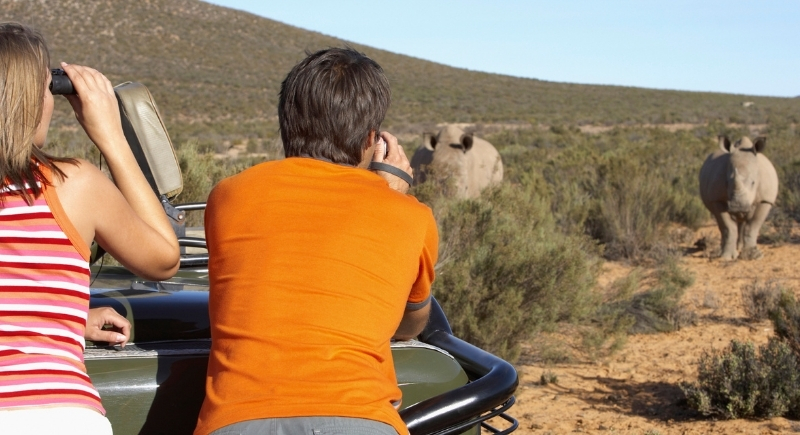
Travelers who join rhino patrols at places like Lewa Wildlife Conservancy are entering an active protection zone. Armed rangers, tracking collars, and restricted movement are part of daily operations. Visitor numbers stay low to avoid interference, which means even wealthy guests operate within tight boundaries and limited access windows.
Private Jet Wildlife Grand Tours

Credit: pexels
These itineraries connect places that rarely appear on the same trip. A single route might travel from Japan to Madagascar, then on to Rwanda, Kenya, and the Philippines, all timed to coincide with permits and seasonal wildlife patterns. Private jets maintain the route, but they also impose a rigid sequence that leaves little room for deviation.
Italian Nights on a Luxury Train
Credit: Canva
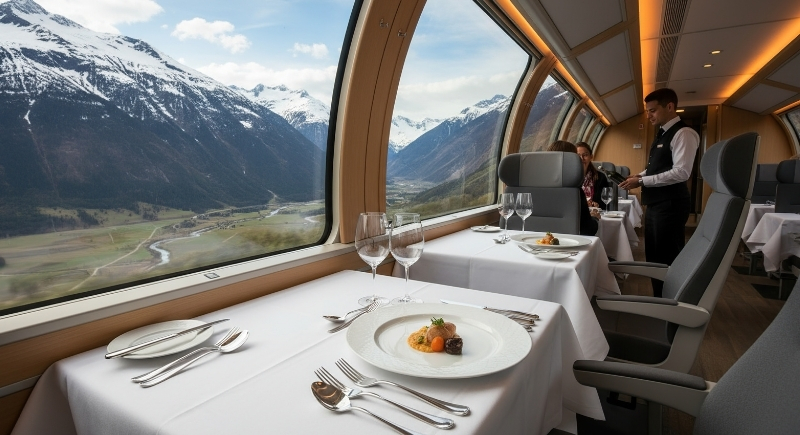
Luxury rail trips through Italy rely on long-term coordination with rail authorities, regional tourism boards, and local operators. Routes through places like Piedmont or Tuscany are planned months ahead and run seasonally to avoid congestion. Once underway, passengers follow the train’s logic, which reshapes how places are encountered and remembered.
Reading Retreats in Total Quiet
Credit: pexels
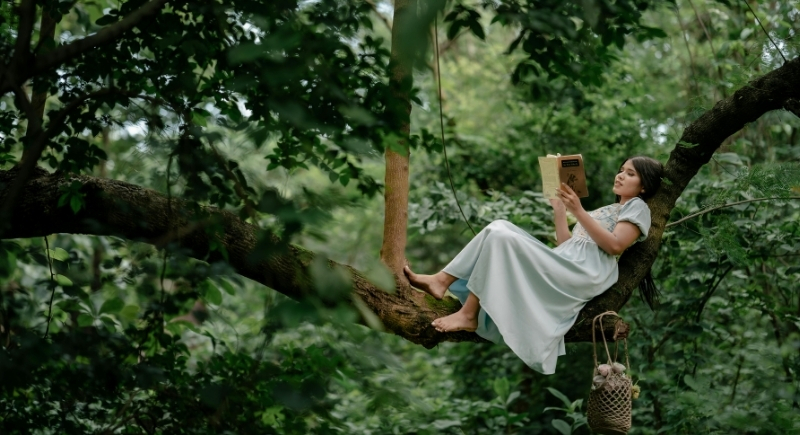
These retreats take place in locations where silence can be truly protected, such as remote cabins in the American West, isolated Nordic forests, or privately owned land far from roads and flight paths. Without schedules, screens, or background noise, books become the easiest way to stay mentally occupied.
Getting Lost on Purpose
Credit: Getty Images
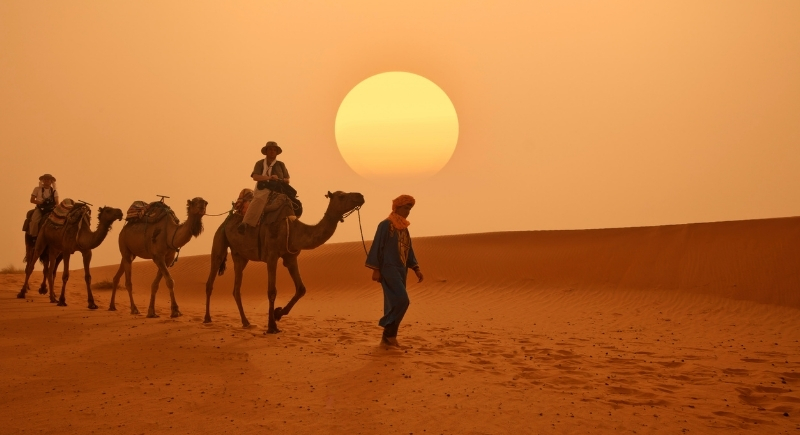
Dropping someone into a desert or mountain region and letting them navigate alone may sound simple until safety becomes a concern. Routes in places like Morocco or rural Japan are mapped well in advance, with tracking systems, standby guides, and extraction plans. The invisible support network is costly, and only some can afford to take on such controlled risk.
Antarctica by Private Jet
Credit: iStockphoto
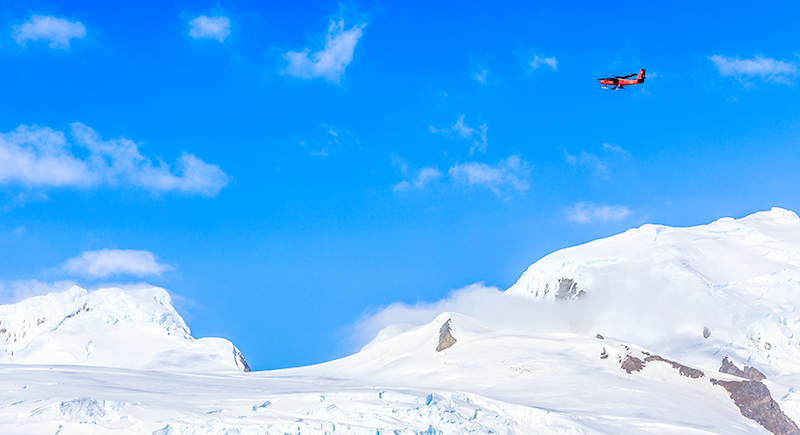
Trips to Antarctica usually start in southern Chile or Argentina, where small jets can reach blue-ice runways used only a few weeks a year. Weather windows are tight, rules are strict, and every landing is logged. Most people don’t go this way because coordinating aircraft, crews, permits, and backup plans gets expensive fast.
Medical Checkups on Vacation
Credit: Instagram
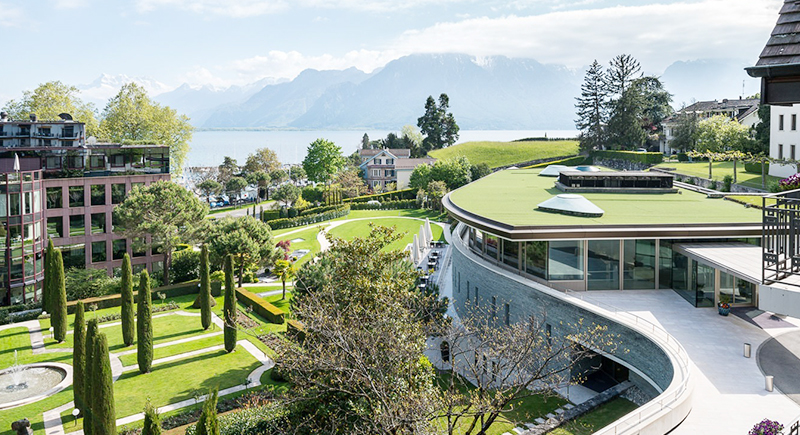
At places like Clinique La Prairie near Lake Geneva, travel days are carefully coordinated with medical schedules. Guests move through testing, consultations, and monitored routines, often with their regular doctors involved remotely. By the end of the stay, the experience feels less like a break and more like a detailed snapshot of one’s current health.
Longevity Retreats in Mexico
Credit: Instagram
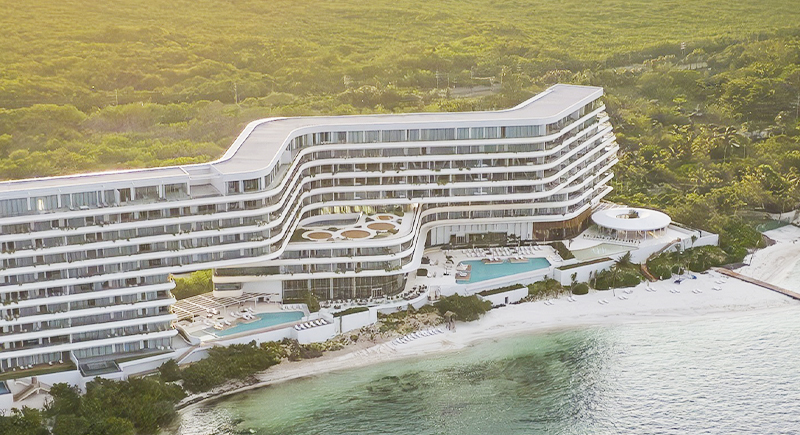
Programs at SHA Mexico are closer to residential treatment than a resort stay. Days are scheduled, meals are prescribed, and progress is tracked closely. Guests often arrive by private jet simply because schedules leave little room for delays. Most people can’t commit to weeks of this kind of structure, even if they wanted to.
Luxury Rail Across Southern Africa
Credit: Instagram
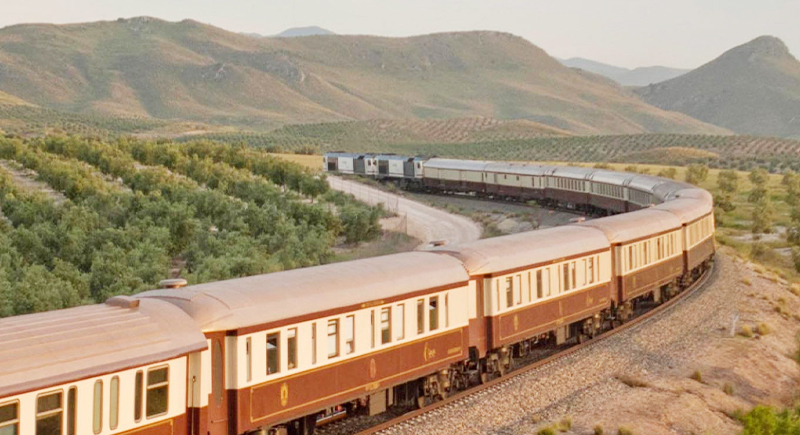
Rovos Rail journeys run through places where speed isn’t the priority and infrastructure isn’t designed for high volumes. The train carries a small number of guests, and excursions are planned well in advance. The train works because everything stays small and predictable. Once it fills, there’s no easy way to add more space.
The $3,500 Hotel Room

Credit: Wikimedia Commons
At the highest end of the hotel world, specific properties function more like long-term homes than short stays. Guests return to the same suites at places like coastal resorts in Tuscany or long-established hotels in London, where staff already know their preferences and routines. Familiar staff handle arrangements in advance, and visits tend to stretch well beyond a long weekend.