In Alaska, Plants Grow Exceptionally Large Due to 20 Hours of Daily Sunlight
Plant growth usually follows predictable limits set by latitude and seasonal daylight. Alaska exists outside that pattern because during peak summer months, large parts of the state experience nearly continuous daylight, with the sun dipping only briefly below the horizon. This extended exposure changes how crops develop by producing vegetables that reach sizes uncommon in most other regions.
The dramatic scale of Alaska’s produce is a biological response to time. With daylight stretching across most of the day, plants can sustain growth at a pace that compounds quickly over a short season.
How Extended Daylight Accelerates Growth
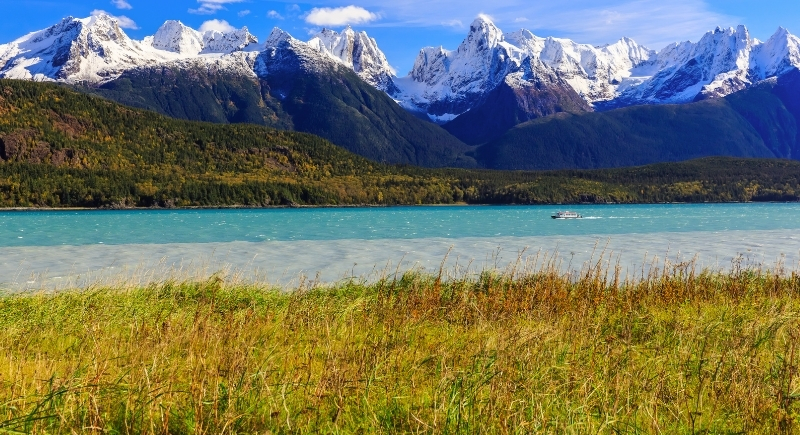
Image via Getty Images/sorincolac
Photosynthesis fuels plant development, and in Alaska, the process lasts for far longer each day than it does in temperate climates. Instead of cycling between light and extended darkness, plants receive usable light for most waking hours.
The prolonged energy intake supports steady cell production and allows leaves to broaden, stems to thicken, and fruits to accumulate mass faster than usual. Over the course of the summer, those gains add up by producing vegetables that outweigh typical harvests by a wide margin.
Agricultural specialists at the University of Alaska Fairbanks note that when plants are given more usable daylight, growth becomes both faster and more efficient before seasonal conditions shut it down.
Crops That Benefit the Most
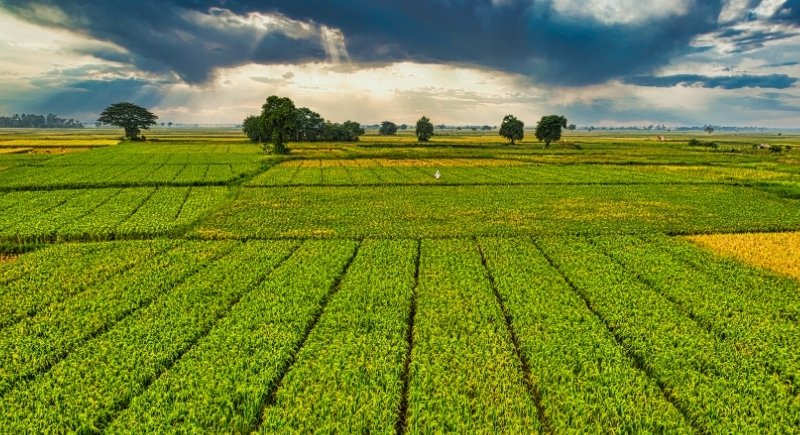
Image via Pexels/Tom Fisk
Not all plants respond equally to Alaska’s environment. Vegetables adapted to cool temperatures and long daylight hours perform best, particularly brassicas such as cabbage, broccoli, cauliflower, and kale.
These crops prioritize leaf and structural growth, so they’re especially responsive to extended light exposure. This is why cabbages dominate Alaska’s record books, with rare, record-setting heads exceeding 100 pounds under highly controlled, competitive growing conditions.
Root vegetables also flourish. Carrots, beets, and turnips store excess energy underground.
Size Is Engineered, Not Accidental
Oversized vegetables are the result of planning as much as climate. Competitive growers at events like the Alaska State Fair treat giant produce cultivation as a technical discipline.
Seeds are selected for their genetic potential, seedlings are started indoors months before planting, and soil conditions are carefully managed once the crops are moved outdoors. Water, nutrients, and spacing are adjusted throughout the season to support uninterrupted growth. Wildlife protection, including fencing, is often necessary in rural areas.
This approach mirrors selective breeding in livestock: genetics establishes what is possible, while controlled conditions determine how well that potential is reached.
Why Alaska’s Produce Tastes Sweeter
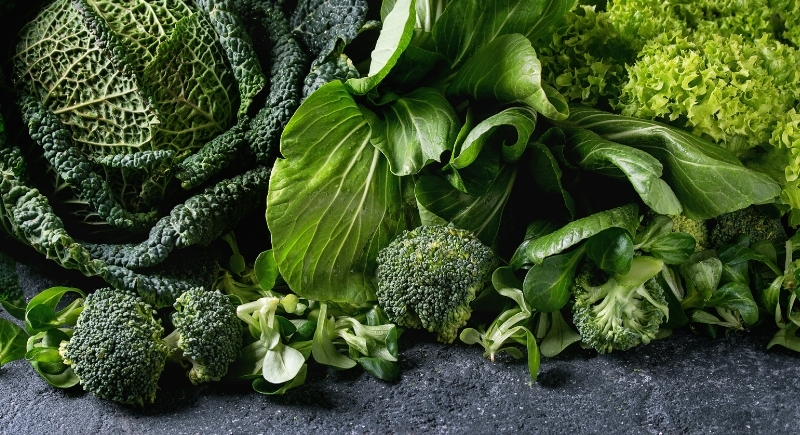
Image via Canva/Natasha Breen
Extended daylight influences flavor as well as size. When plants photosynthesize for longer periods each day, they generate and store more sugars. Those sugars enhance taste, particularly in root vegetables and some leafy crops.
It’s what makes Alaskan carrots often taste noticeably sweeter than the same varieties grown farther south. The flavor difference reflects sustained energy production rather than added inputs.
A Brief Season With Intense Output
Alaska’s growing window is short, typically running from late May through early September. During that time, crops develop under unusually consistent light and moderate temperatures.
Growth accelerates quickly while conditions remain favorable. When daylight hours shorten and temperatures drop, development slows just as rapidly, bringing the season to a close. The contrast between intense summer growth and abrupt seasonal decline defines Alaska’s agricultural cycle.