10 Reasons to Explore the Iconic Ferry Building on Your San Francisco Journey
San Francisco plunges you straight into a whirlwind of history, flavor, and waterfronts, with the Ferry Building anchored at the center of the action. If you want to explore a destination that offers much more than a simple stop along the Embarcadero, the Ferry Building is the place to be.
A Historic Landmark That Survived It All
Credit: Wikimedia Commons
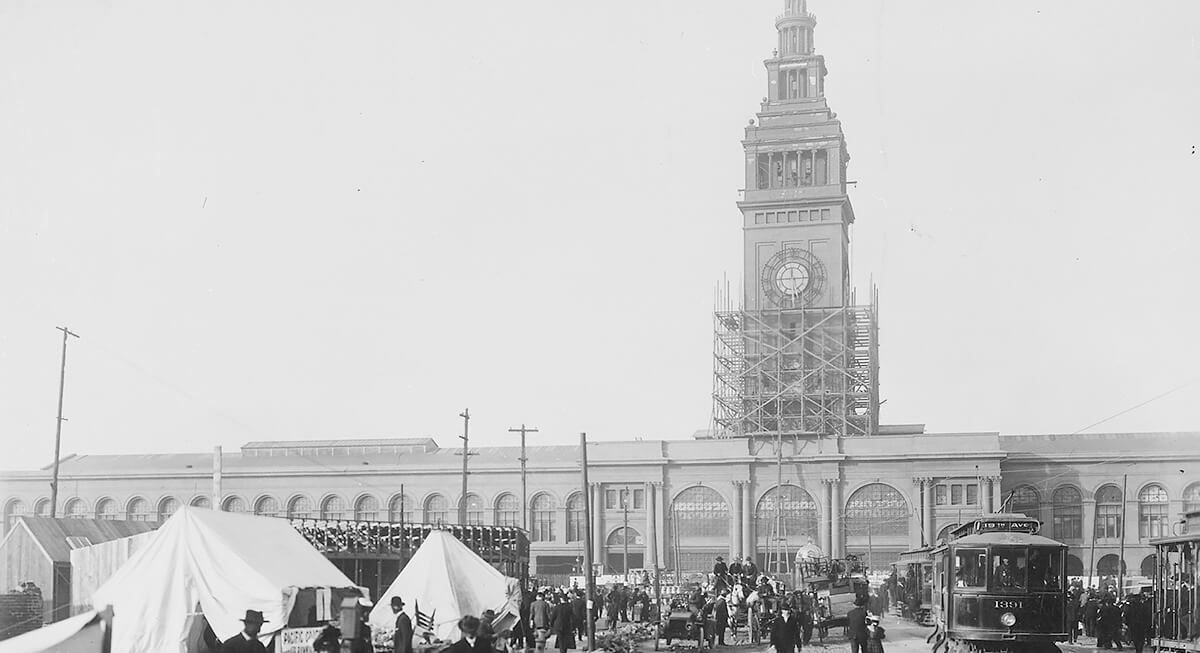
Completed in 1898 and designed by architect A. Page Brown, the Ferry Building once served as the city’s main gateway before the Bay Bridge and Golden Gate Bridge existed. Thousands of commuters passed through daily at its peak. The structure survived the 1906 earthquake, later faced decline, and then regained relevance after the Embarcadero Freeway was removed following the 1989 Loma Prieta earthquake.
The Ferry Plaza Farmers Market Draws Serious Crowds
Credit: Wikimedia Commons
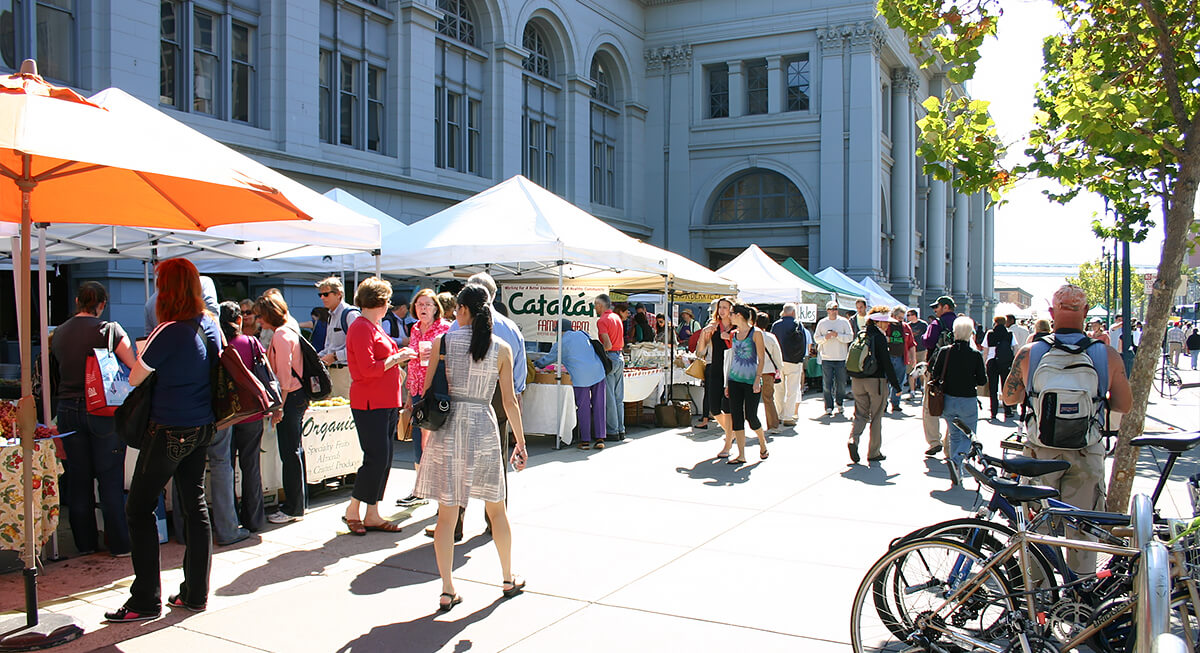
For three days a week, the outdoor arcades are filled with one of California’s most respected farmers’ markets. Operated by the Center for Urban Education about Sustainable Agriculture, the market hosts nearly 100 farmers and prepared-food vendors. Saturdays are the busiest, with early arrivals lining up for fresh fruit, baked goods, and hot meals. It has remained a cornerstone of the building’s revival since 1993.
A Marketplace That Reflects the Bay Area’s Food Identity
Credit: Wikimedia Commons
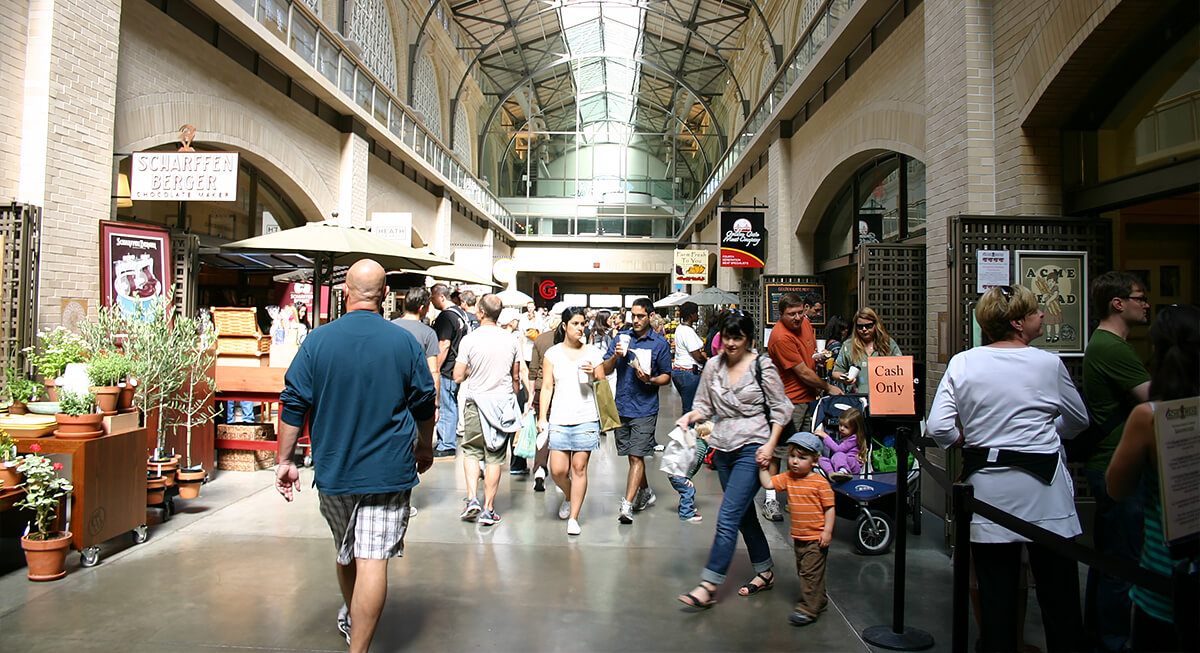
Inside the Ferry Building, there’s an emphasis on regional artisan producers, which gives the space a distinct Northern California identity. Shoppers can explore stalls selling artisan cheese, seasonal produce, and small-batch chocolate, produced just miles away. The mix of produce changes throughout the year, so repeat visits may provide different offerings. The constant rotation keeps the marketplace tied to the region’s agricultural cycles and evolving food culture.
Waterfront Dining With Real Variety
Credit: Hog Island Oyster Co.
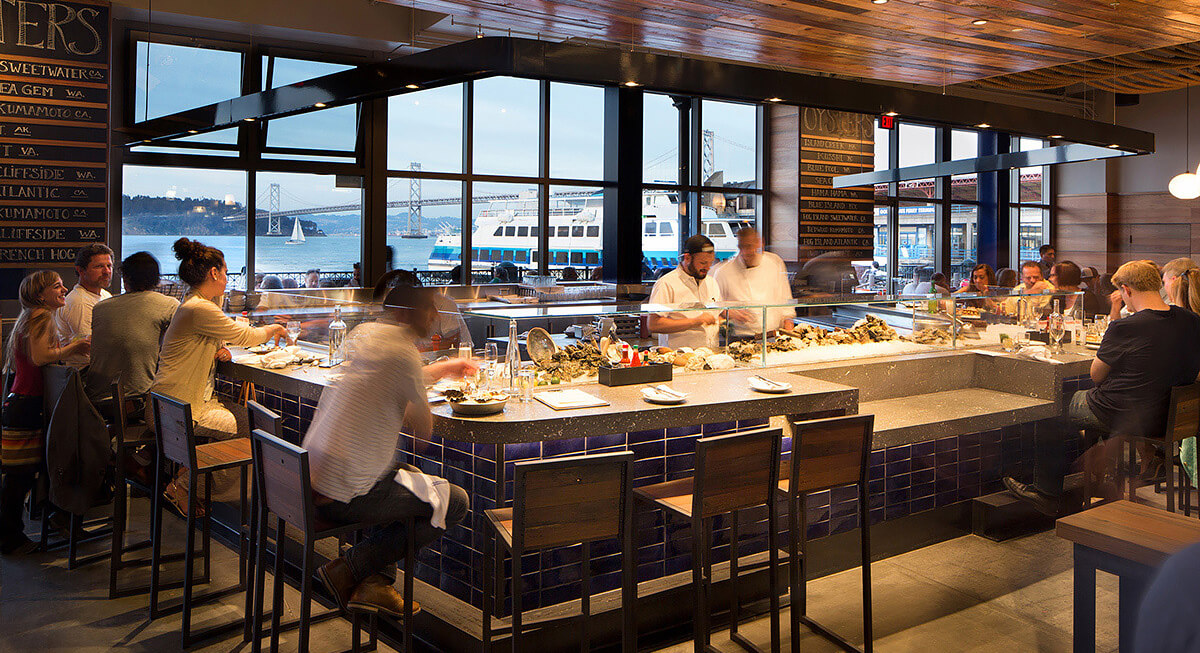
Restaurants here offer a variety, from casual oyster counters to full-service dining rooms overlooking the Bay. Hog Island Oyster Company draws steady crowds for its local shellfish, while Slanted Door has built a reputation for its modern Vietnamese menu. Other spots focus on tea service, fresh pasta, or California-driven menus that change with the seasons.
Coffee Culture Runs Deep Inside
Credit: Tripadvisor
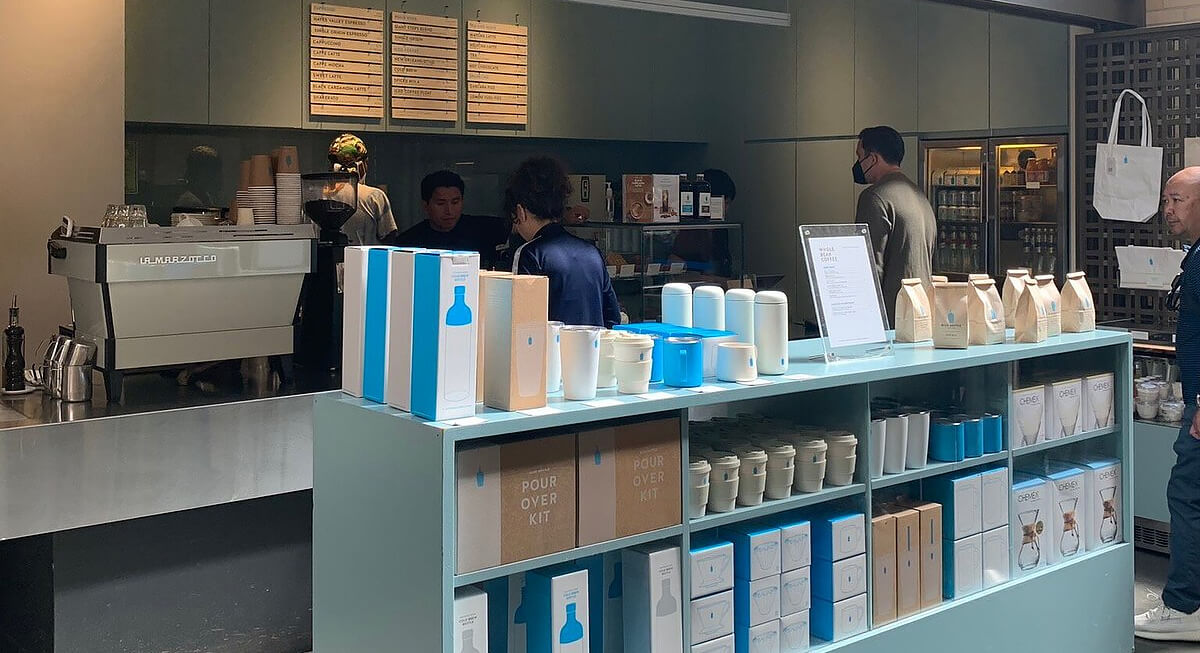
Coffee plays a major role in the Ferry Building’s daily routine. Blue Bottle Coffee, which originated in nearby Oakland, draws a consistent line of visitors seeking meticulously brewed cups. Smaller vendors add their own take, including rotating beans and brewing styles that reflect broader Bay Area coffee trends. Early mornings bring a steady flow of commuters, while afternoons attract visitors who settle in at a slower pace.
Easy Access From Nearly Anywhere in the City
Credit: Wikimedia Commons
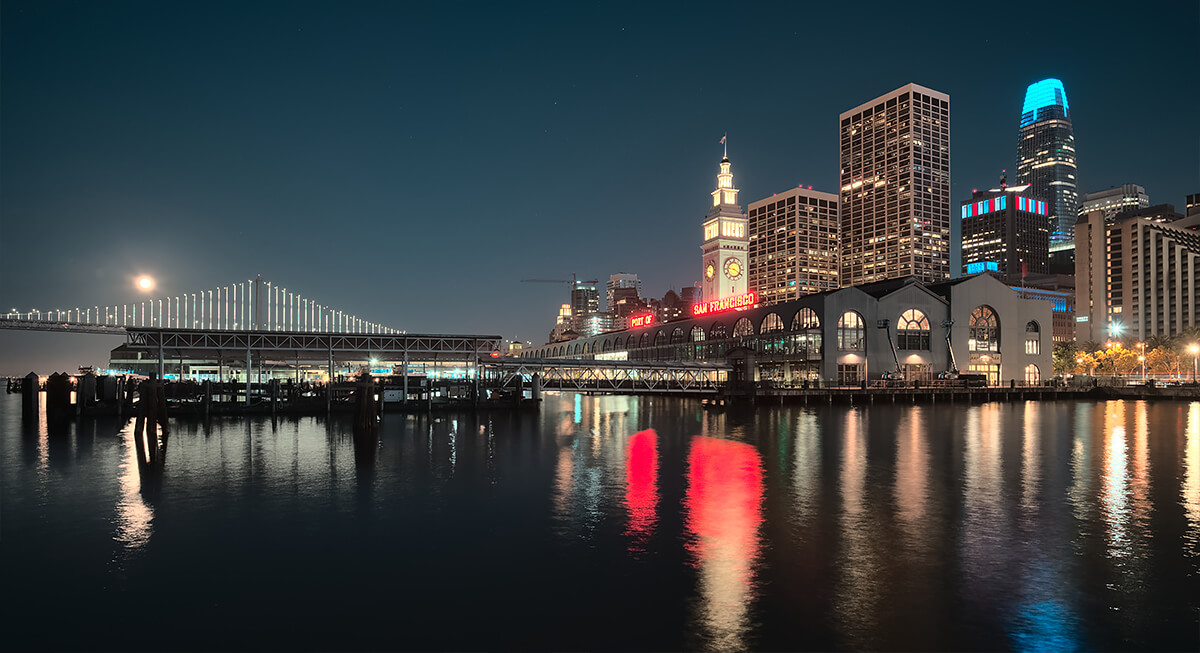
Getting here requires little planning. The historic Line F Market streetcar stops directly outside, and several Muni bus routes connect nearby intersections. BART and other transit options lie within walking distance, which makes it easy to include the Ferry Building in a broader city itinerary. For those arriving by water, ferries still operate from the terminal, linking San Francisco with Oakland, Alameda, and Marin County.
A Place Where History Meets Daily Life
Credit: Wikimedia Commons
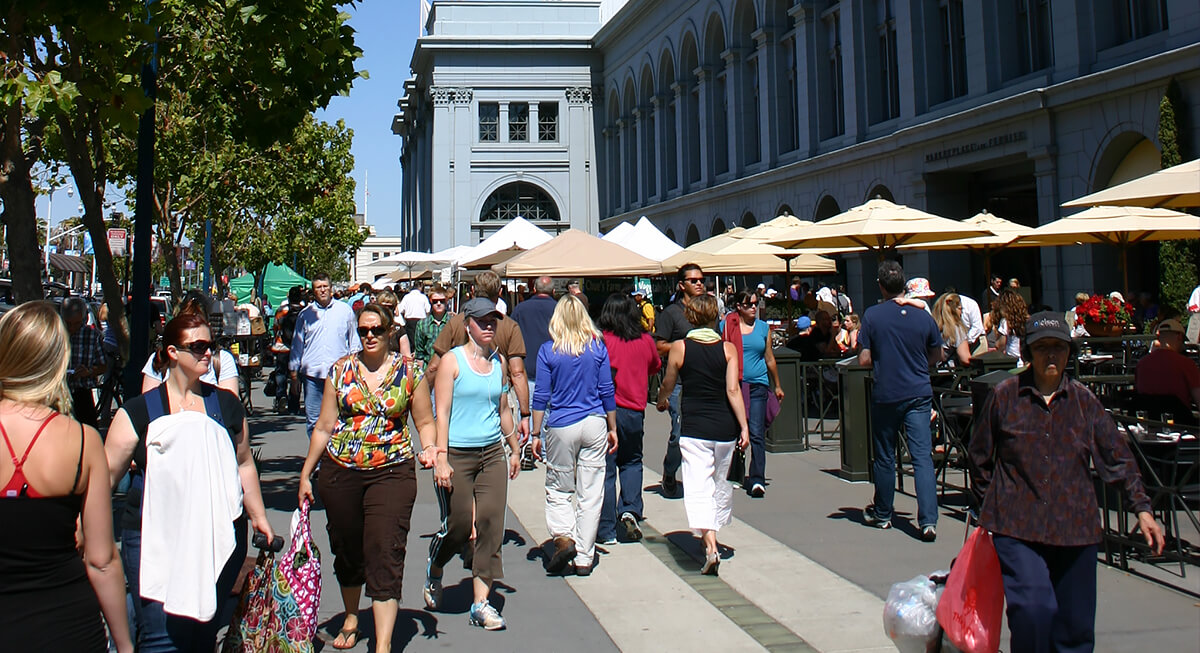
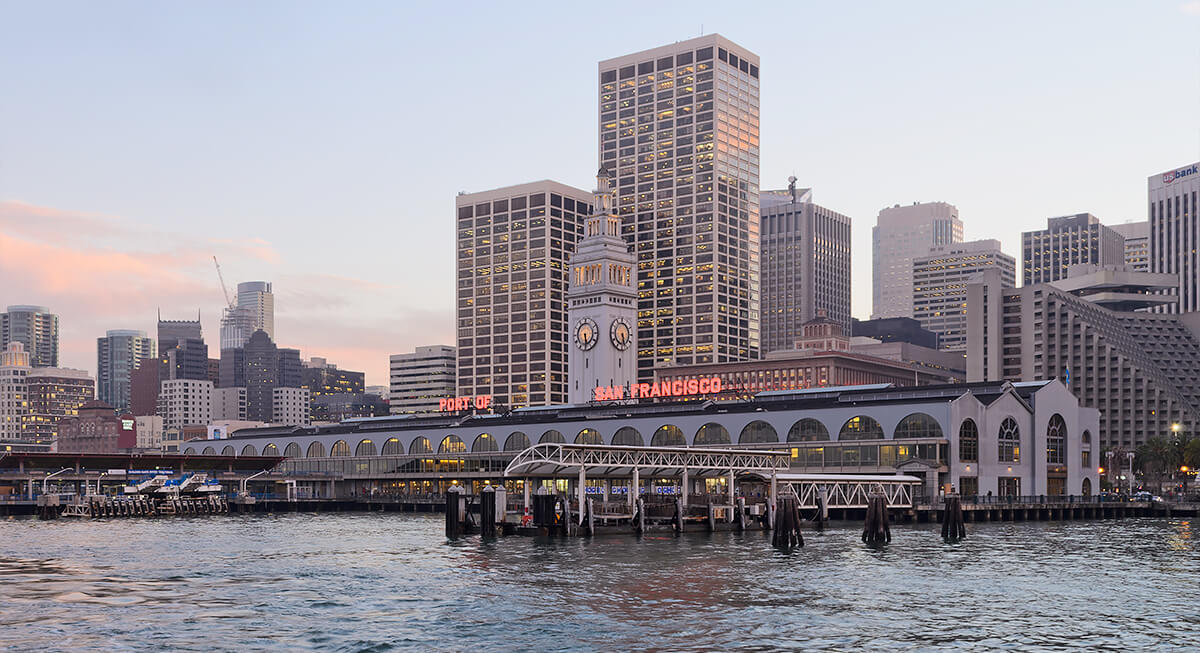
Even with its polished storefronts, the building still carries traces of its original purpose. Commuters walk alongside tourists and keep the space active beyond peak visitor hours. The tall clock tower remains one of the city’s most recognizable landmarks, while the interior’s long nave continues to guide foot traffic much like it did over a century ago.
Shops That Go Beyond Souvenirs

Credit: Instagram
Retail in this place focuses on specialty goods. Independent bookstores, kitchen supply shops, and wine merchants share space with vendors selling handcrafted ceramics and curated pantry staples. Many products reflect the Bay Area’s focus on sustainability and small-scale production.
The Architecture Still Commands Attention
Credit: Wikimedia Commons
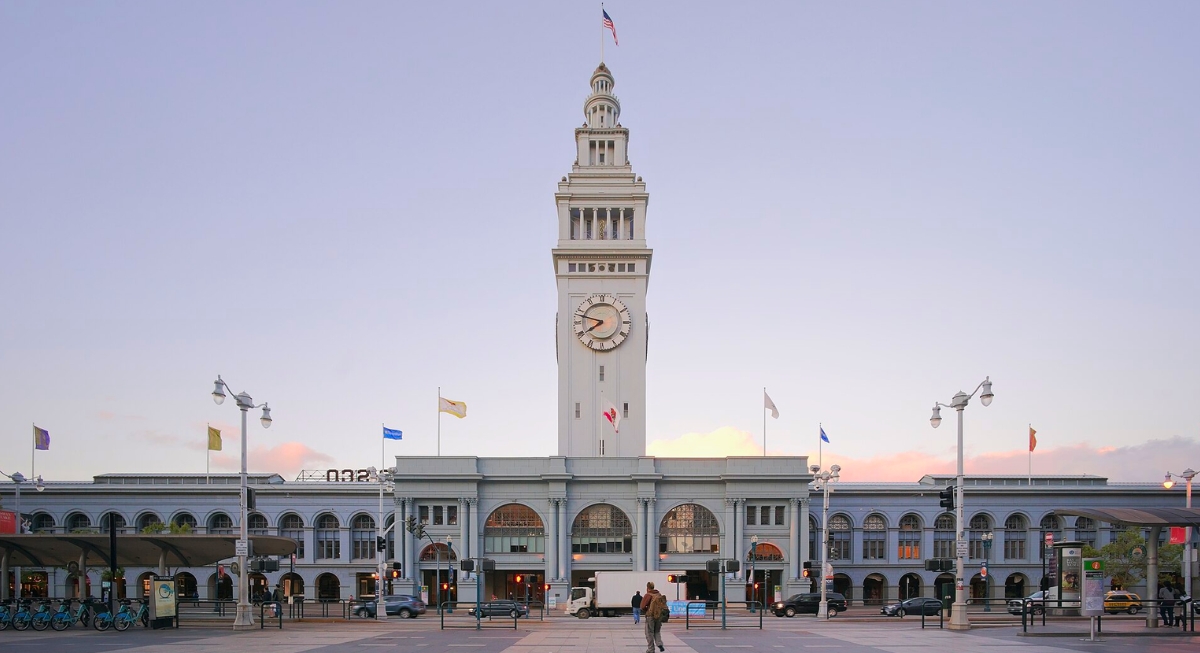
The Ferry Building’s design pulls from Beaux-Arts influences. Light filters in through high windows to give the space an open feel despite its age. The clock tower, inspired in part by structures in Seville, rises above the waterfront and remains visible from multiple points across the city.
It’s Easy to Spend More Time Than Planned
Credit: Wikimedia Commons
Keep in mind that quick visits rarely stay quick. One stop for coffee turns into browsing, then a meal, then a walk along the Embarcadero. Street performers and nearby piers add to the experience, offering guests many reasons to linger. The mix of food, history, and location works together.