10 Things You Should Never Touch in a Hotel Room (UV Light Edition)
A hotel room can look spotless under regular lighting, but UV light testing tells a different story. Tight cleaning schedules require staff to focus on what guests notice first, while smaller, high-touch surfaces often get skipped. Studies using UV light and bacterial sampling show some of the dirtiest spots are items people use without thinking. Be wary of these 15 things experts consistently flag as worth avoiding or cleaning first.
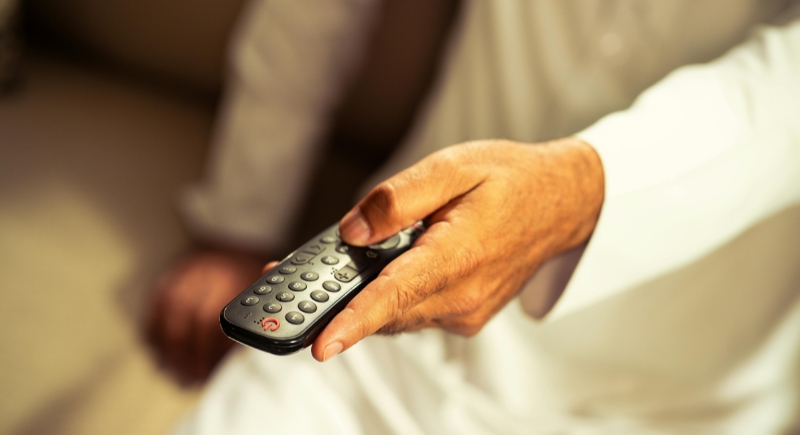
TV Remote Control
Credit: pexels
This little rectangle is regularly dirtier than toilet seats, as it gets handled during meals, late-night channel-flipping, and scrolling, then tossed onto beds or carpets. Remotes are often wiped quickly or skipped entirely during cleaning.
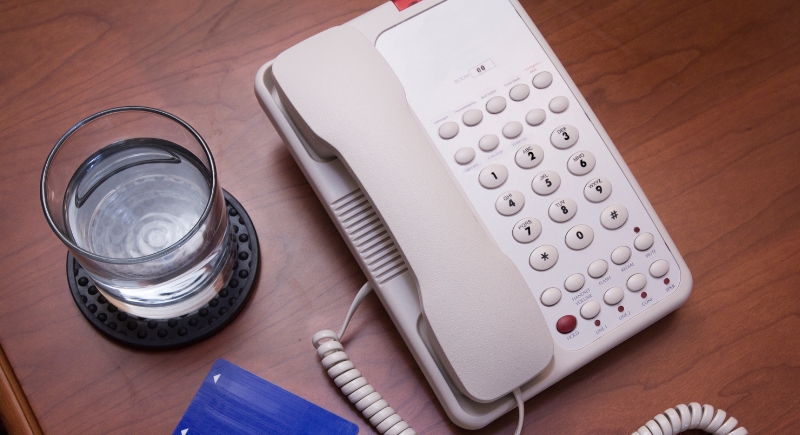
Hotel Phone
Credit: Getty Images
Room phones are handled by nearly every guest who calls the front desk or checks out. The receiver and buttons are rarely deep-cleaned, which then allows the bacteria to linger in areas near the face.
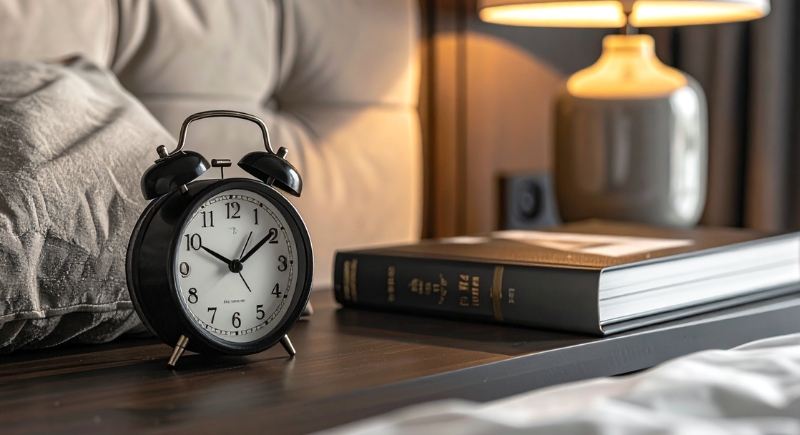
Alarm Clock
Credit: Canva
Guests adjust alarms while half asleep, which leads to frequent hand contact. These devices are cleaned less aggressively than bathrooms, and UV testing often highlights residue around buttons and edges.
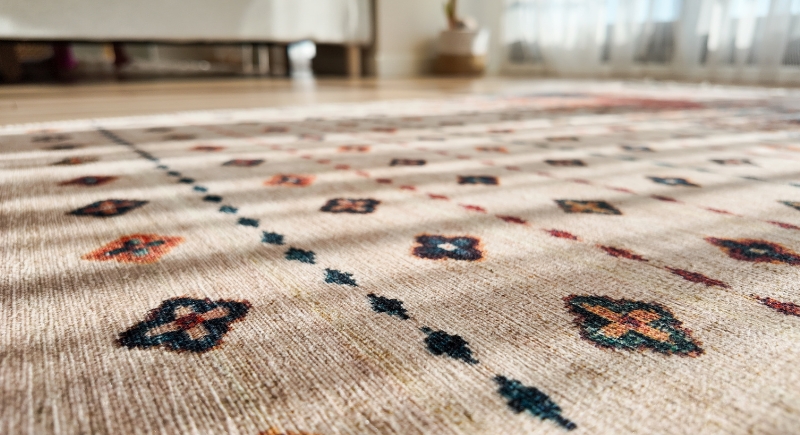
Carpeted Floors
Credit: Canva
Carpets trap dust, skin cells, and bacteria from shoes and rolling suitcases. Vacuuming removes visible debris but does not sanitize fibers, which makes barefoot walking riskier than most guests realize.
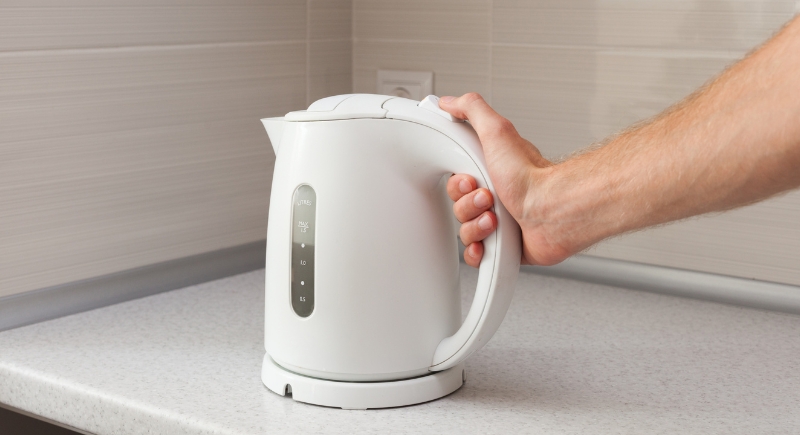
Electric Kettle
Credit: Getty Images
Boiling water sanitizes the inside of a kettle, but the handle, lid, and buttons are touched repeatedly. Reports from housekeeping staff have revealed accounts of guest misuse, which adds another layer of concern.
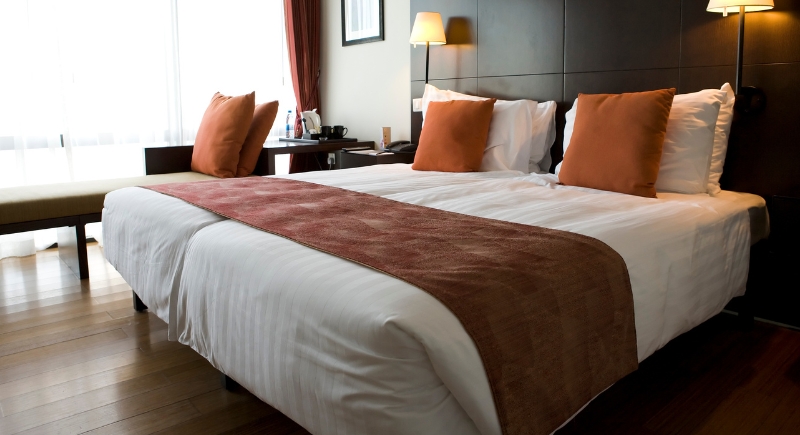
Bed Runners
Credit: Getty Images
The strip of fabric across the foot of the bed is one of the least-worn items in the room. Housekeeping typically leaves it in place unless it appears dirty, which can allow bacteria to spread from luggage, shoes, or clothing.
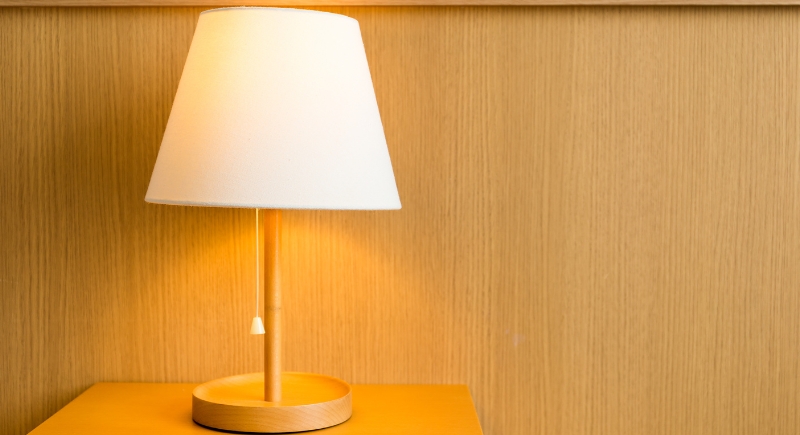
Bedside Lamp Buttons
Credit: Canva
Pressed nightly and again in the morning, lamp controls collect oils and bacteria from hands. Their clean appearance often keeps them off the cleaning checklist, even though they are used constantly.
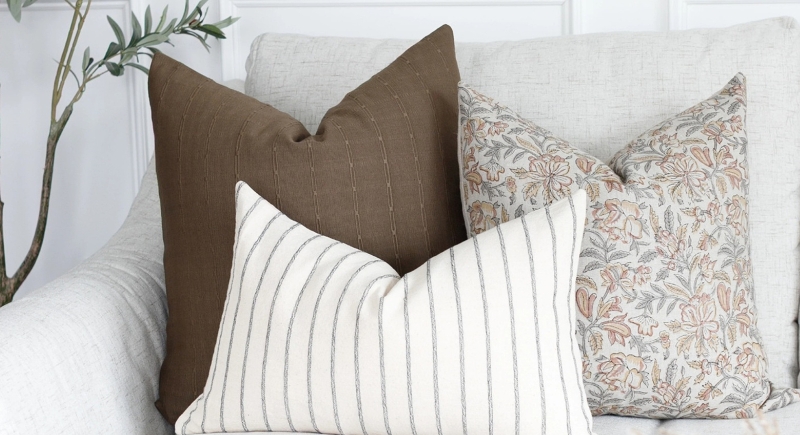
Decorative Pillows
Credit: pixabay
Those extra pillows exist for looks, not sleeping. Unlike sheets, they can stay on the bed across multiple guests and are rarely laundered between stays. UV testing often reveals heavy-handed guest contact, with them tossing them onto chairs or the floor.
Light Switches
Credit: Getty Images
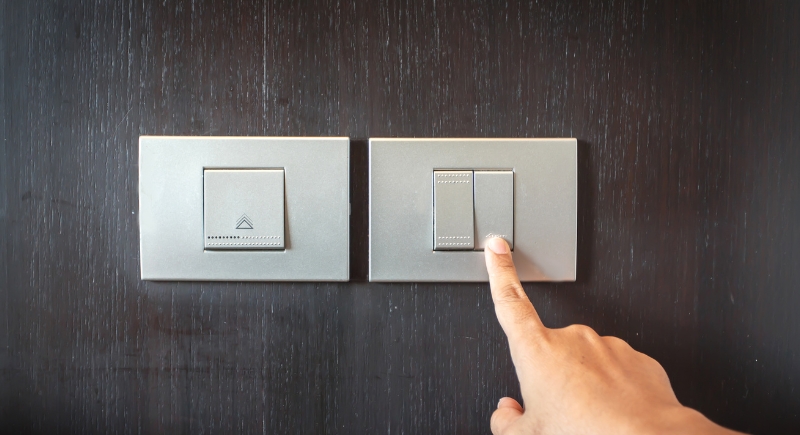
Most guests touch the switch within seconds of entering the room, often before washing their hands. These small surfaces are easy to miss during cleaning and can show high bacterial counts under UV light.
Coffee Maker
Credit: Canva
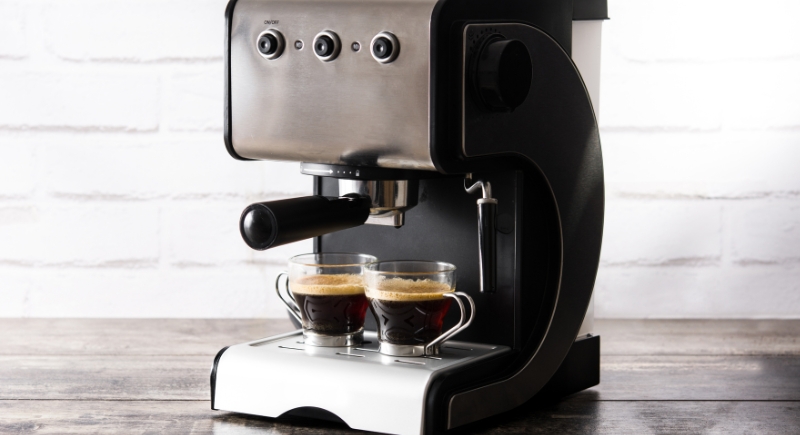
In-room coffee machines often contain leftover water or used pods from previous guests. Staff rarely take them apart, which means internal areas can harbor residue that shows up clearly under UV light.