10 Things You Should Never Do in a Hostel
Hostels run on a shared understanding that only really becomes visible when someone ignores it. New travelers often stumble into small mistakes that end up bothering everyone else in the room. The habits below keep showing up in staff logs, guest complaints, and posted rules because they make busy, shared dorms harder for everyone to live in.
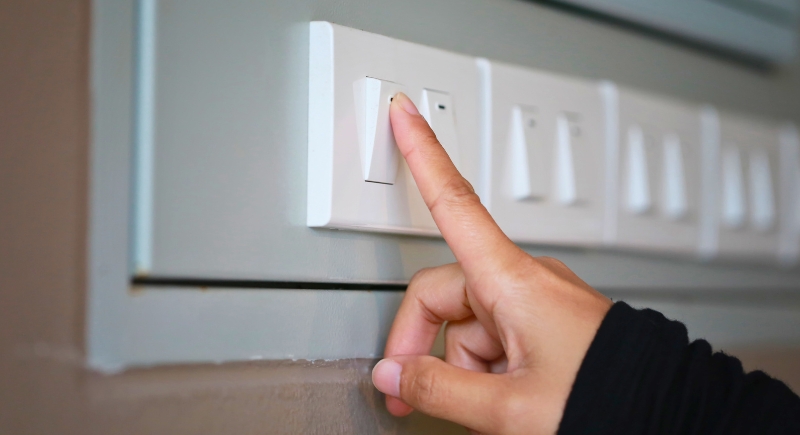
Turning On The Big Light At Night
Credit: Canva
Arrivals after midnight collide with how dorm lighting is wired. Overhead switches activate every fixture at once, cutting through curtains, eye masks, and half-sleep without warning. That design explains why bunks come with individual lamps. Front desks flag this behavior early because one careless switch can disrupt an entire room’s night.
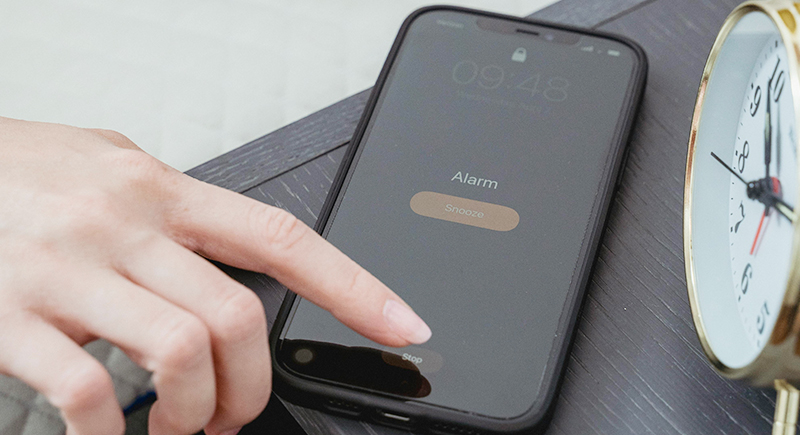
Letting Alarms Ring Repeatedly
Credit: pexels
Metal bunks, thin walls, and closely spaced beds amplify sound far more than most guests expect. An alarm that rings once already fills the room, and repeated snoozes stretch that noise across several minutes. Staff logs consistently reference mornings disrupted by alarms, especially in rooms with early tours and checkout traffic moving at the same time.
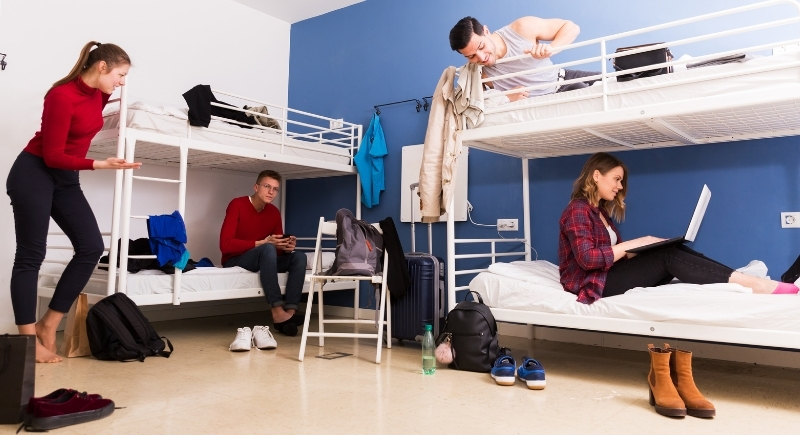
Spreading Belongings Across The Floor
Credit: Getty Images
Floor space in dorms is intentionally kept narrow to allow people to move through the room in low light and to facilitate rapid cleaning between guests. Loose shoes and bags interrupt that flow immediately. Once pathways disappear, the room slows down, accidents become more likely, and simple tasks take longer than they should.
Eating Full Meals In Dorms

Credit: Canva
Dorm rooms are packed with soft surfaces that hold onto whatever passes through them. Mattresses, curtains, and backpacks absorb food smells far longer than hard kitchen tables ever would. Once meals move into dorms, odors linger, crumbs spread, and the room stops functioning as a neutral place to rest.
Using Dorms As Changing Rooms

Credit: Canva
Shared dorms compress personal routines into tight time windows around showers, checkouts, and lights-out. Changing clothes inside the room forces everyone else to adjust their movement and eye line. Bathrooms absorb that disruption because they’re built for brief occupancy and privacy. Dorms aren’t, which is why changes in clothing alter how the space functions during peak hours.
Bringing Phone Calls Into The Dorm

Credit: pexels
Dorm architecture turns ordinary conversation into background noise for everyone else. Bunks sit close, ceilings stay low, and fabric dividers reflect sound rather than absorb it. A call that feels quiet near one pillow carries several beds down. Hostels route conversations toward lounges and stairwells to keep sleeping areas workable.
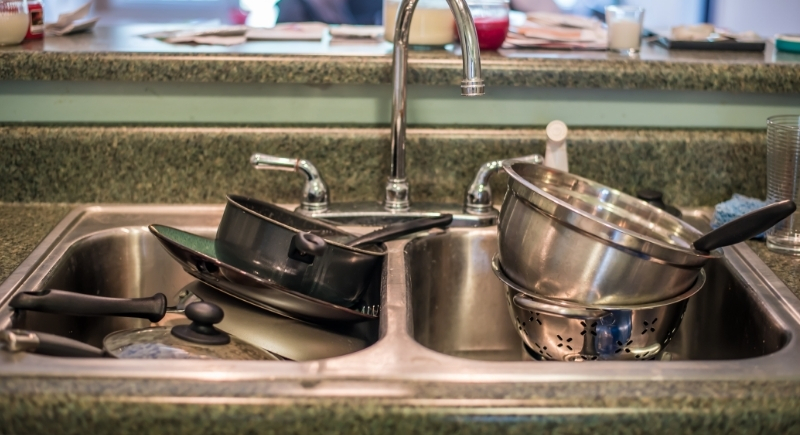
Leaving Dirty Dishes Behind
Credit: Getty Images
Hostel kitchens operate on short cycles, with little patience for long grace periods. Breakfast, packed lunches, and late dinners overlap on the same counters within hours of each other. When cookware lingers in sinks, usable space collapses fast. The room stops supporting quick meals and becomes a bottleneck for guests working under tight schedules.
Hogging Showers During Peak Hours
Credit: Getty Images
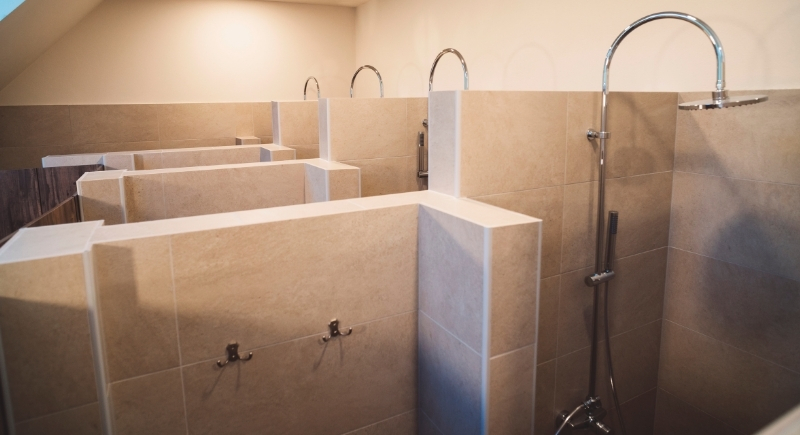
Morning use hits bathrooms in predictable waves tied to checkout times and tour pickups. Floors often share a limited number of stalls, and long showers immediately stretch waiting time. Many properties also share hot water systems, so extended use affects availability for the next several guests waiting their turn.
Sitting Or Sleeping On Other People’s Beds
Credit: Getty Images
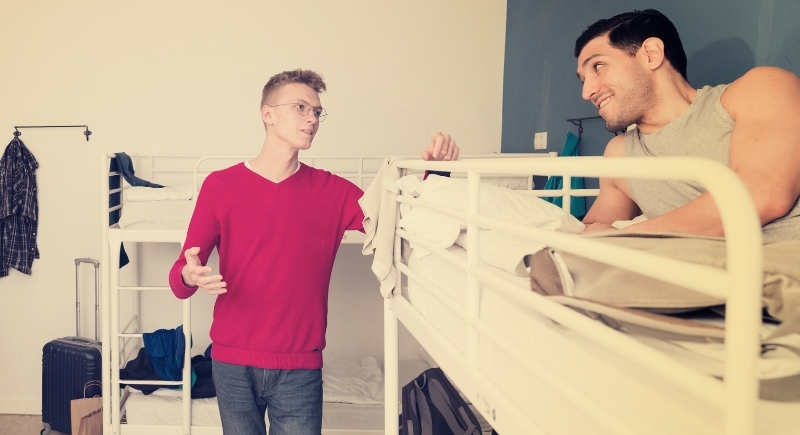
In shared dorms, a bunk replaces what a private room normally provides. Travelers keep passports, charging phones, medication, and clean clothes within arm’s reach overnight. Those items cluster in one place because there’s nowhere else to put them. Using someone else’s bunk crosses an unspoken boundary in a room where personal space is already limited.
Ignoring Hostel Staff Guidance

Credit: Canva
Front desk instructions are shaped by coordination that happens behind the scenes throughout the day. Room access, window cleaning, and noise expectations shift based on occupancy and timing, and staff manage those changes as guests come and go. Ignoring guidance disrupts that coordination, even when the reasoning isn’t obvious from a single stay.