Historical Pirates Who Were Actually More Terrifying Than Fiction
Pirates in movies often come across as clever rogues with a sense of humor and a knack for adventure. The real figures behind those stories were very different. Many built reputations that relied on fear, discipline, and calculated violence. Their lives unfolded across oceans shaped by shifting empires. Looking at them closely reveals personalities far more unsettling than the legends that softened them over time.
Ching Shih
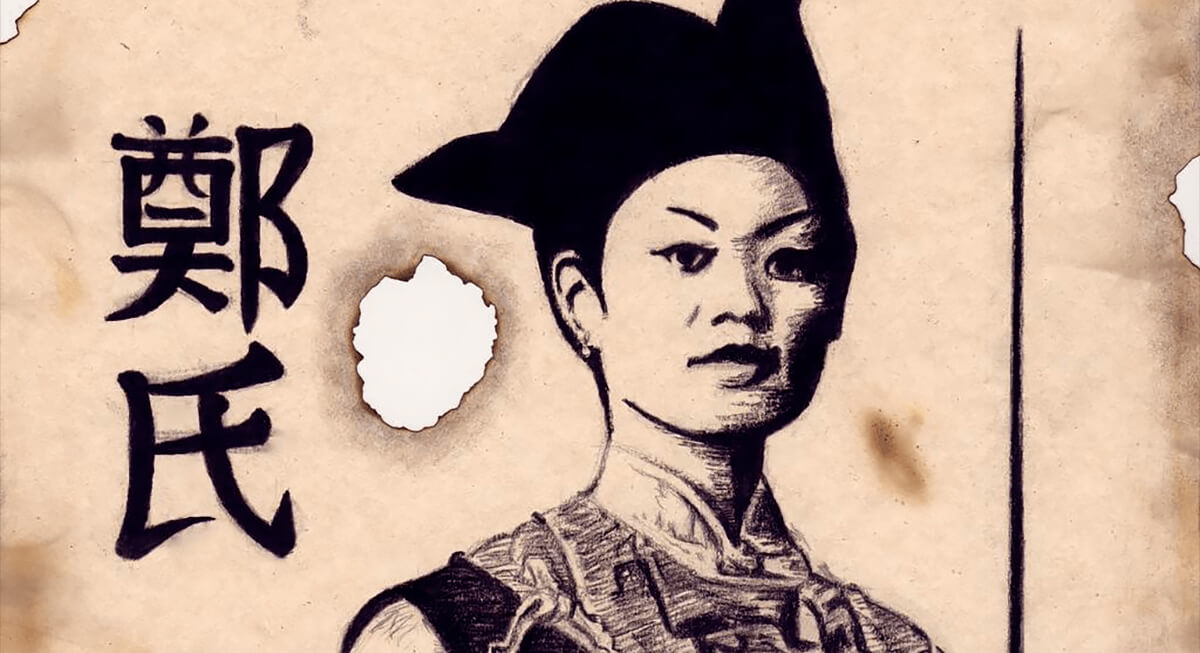
Credit: imgur
Ching Shih began life in poverty before rising to command one of the largest pirate fleets ever recorded. After her husband’s death, she took control and enforced strict rules that governed tens of thousands of sailors. Disobedience brought immediate punishment. Her confederation operated with precision across the South China Sea.
Blackbeard
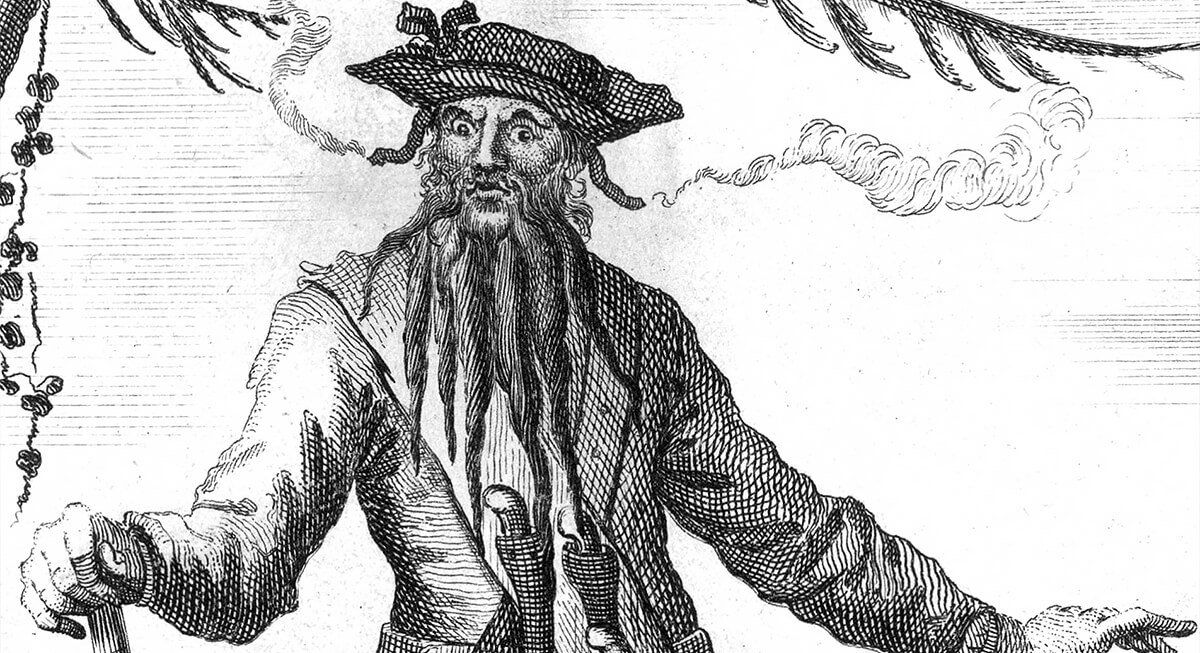
Credit: Wikipedia
Accounts describe Edward Teach placing slow-burning fuses in his beard to surround himself with smoke during battle. Opponents often surrendered before fighting began. He commanded Queen Anne’s Revenge and blocked ports to demand supplies. His reputation spread faster than his ship could travel.
Bartholomew Roberts
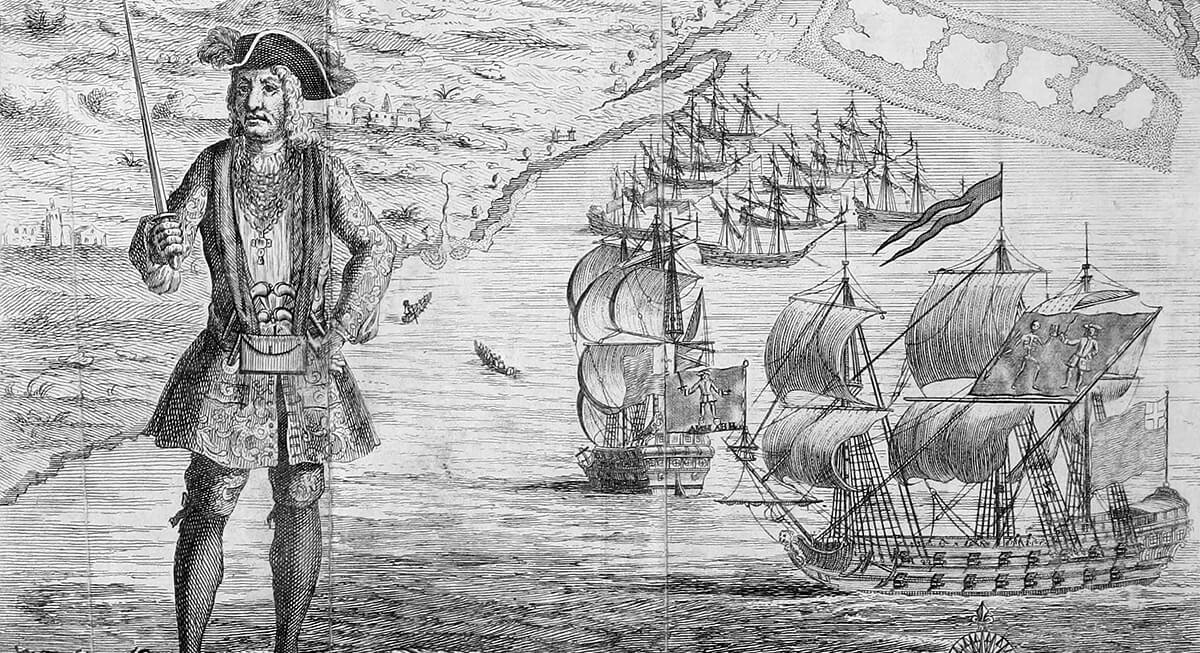
Credit: Wikimedia Commons
Bartholomew Roberts had little interest in piracy at first, but within a few years, he became one of its most successful figures. He enforced rules aboard his ships, banning gambling and drunkenness at certain times. His fleet captured hundreds of vessels across the Atlantic. He favored bold attacks and moved quickly between regions.
Anne Bonny
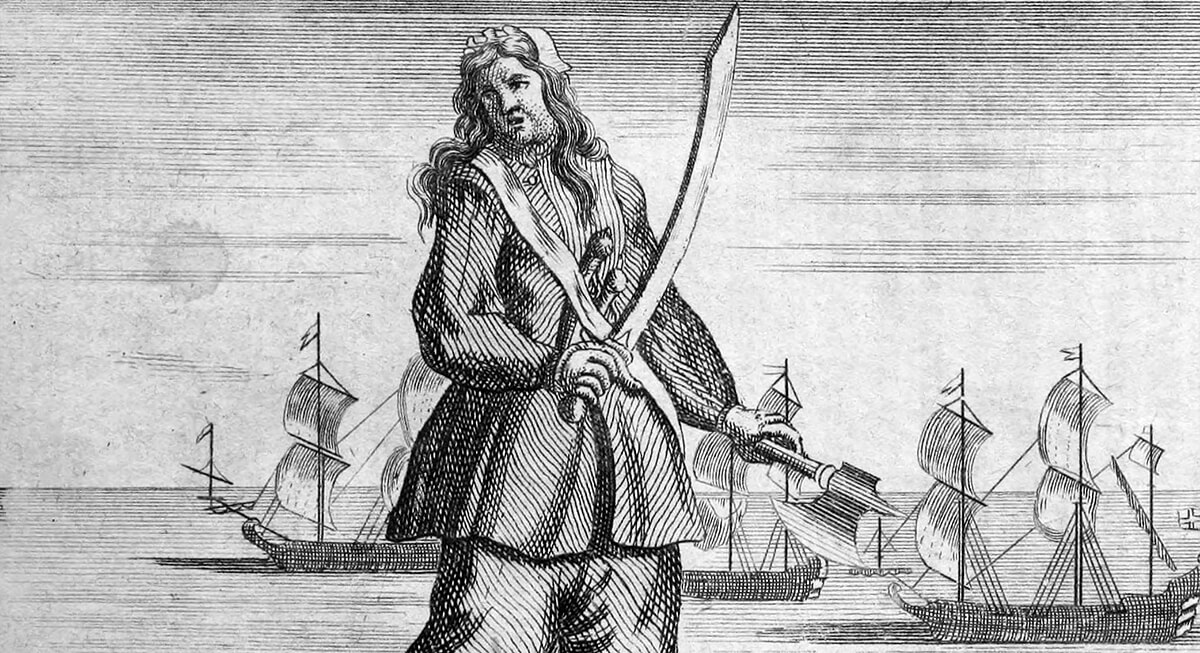
Credit: Wikimedia Commons
Anne Bonny left behind a conventional life in the American colonies and joined a pirate crew in the Caribbean. She fought alongside male crewmates and earned a reputation for her aggressive combat style. Disguised clothing helped her blend in early on. During her capture, reports claimed she resisted longer than many others.
Mary Read
Credit: Wikimedia Commons
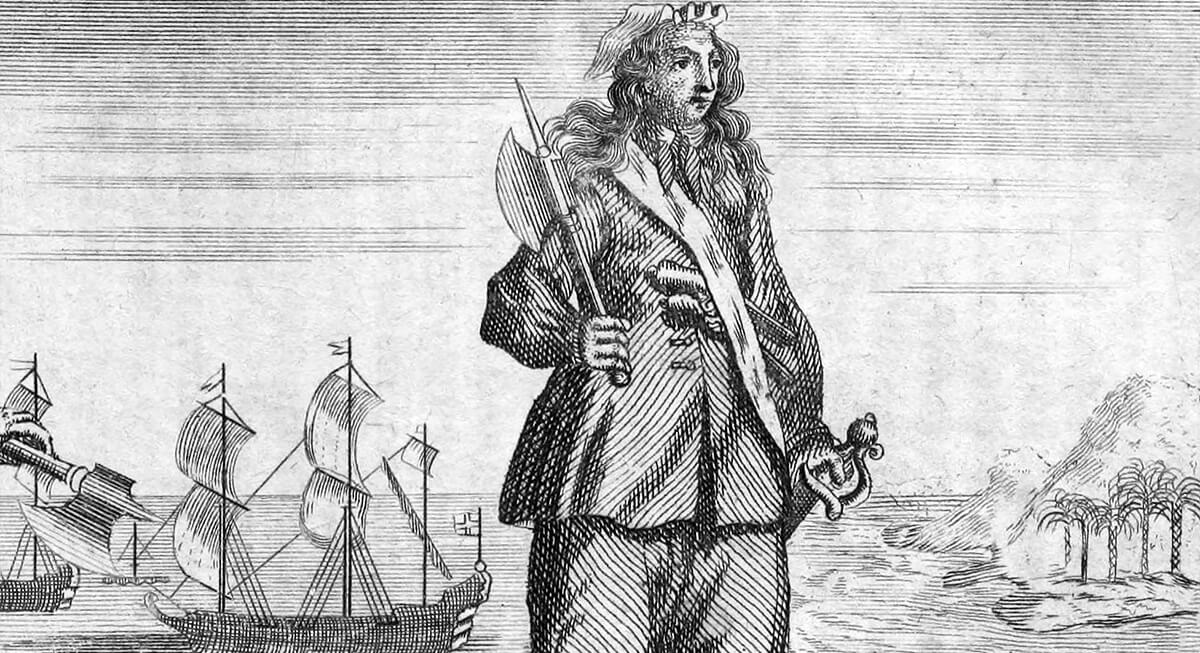
Mary Read spent much of her early life disguised as a boy, which shaped her path into service and later piracy. She joined a crew after being captured at sea and chose to stay. Onboard, she fought with skill and confidence that surprised fellow sailors. Her partnership with Anne Bonny became one of the most discussed in the history of piracy.
Black Sam Bellamy
Credit: Wikimedia Commons
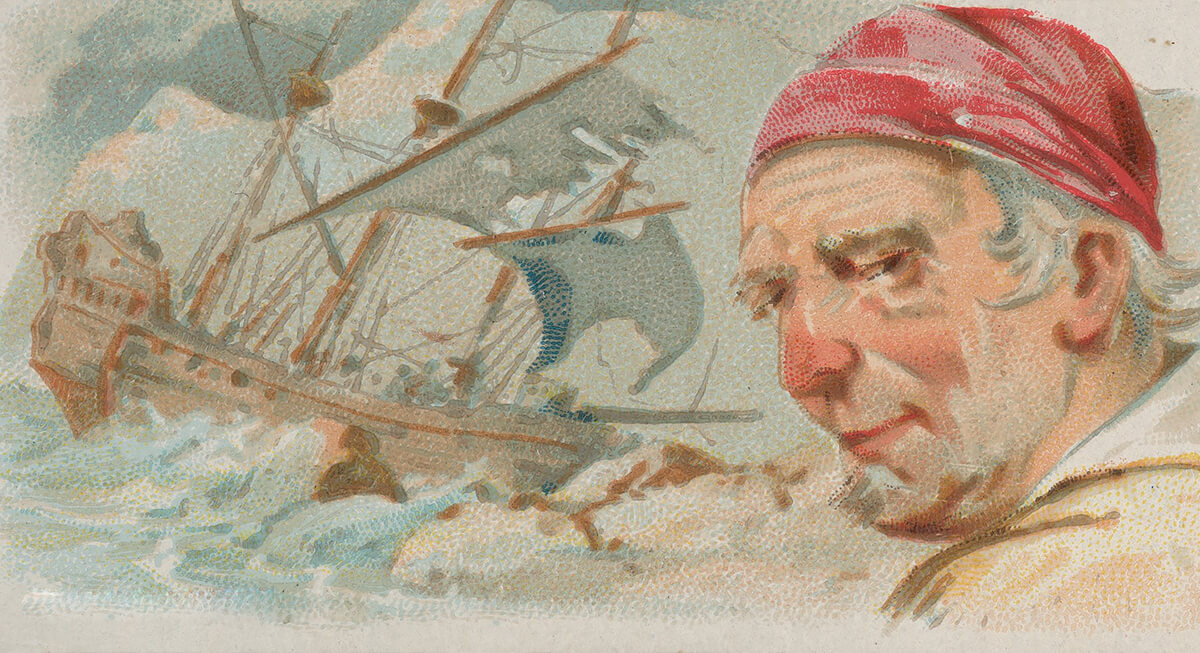
Samuel Bellamy encouraged a more equal structure aboard his ship and avoided unnecessary violence toward captives. His success came quickly as he seized valuable cargo ships, including the Whydah Gally. That vessel later sank in a storm, taking Bellamy with it. Despite his short life, he may have accumulated more wealth than many longer-lived pirates.
Captain Kidd
Credit: Wikimedia Commons
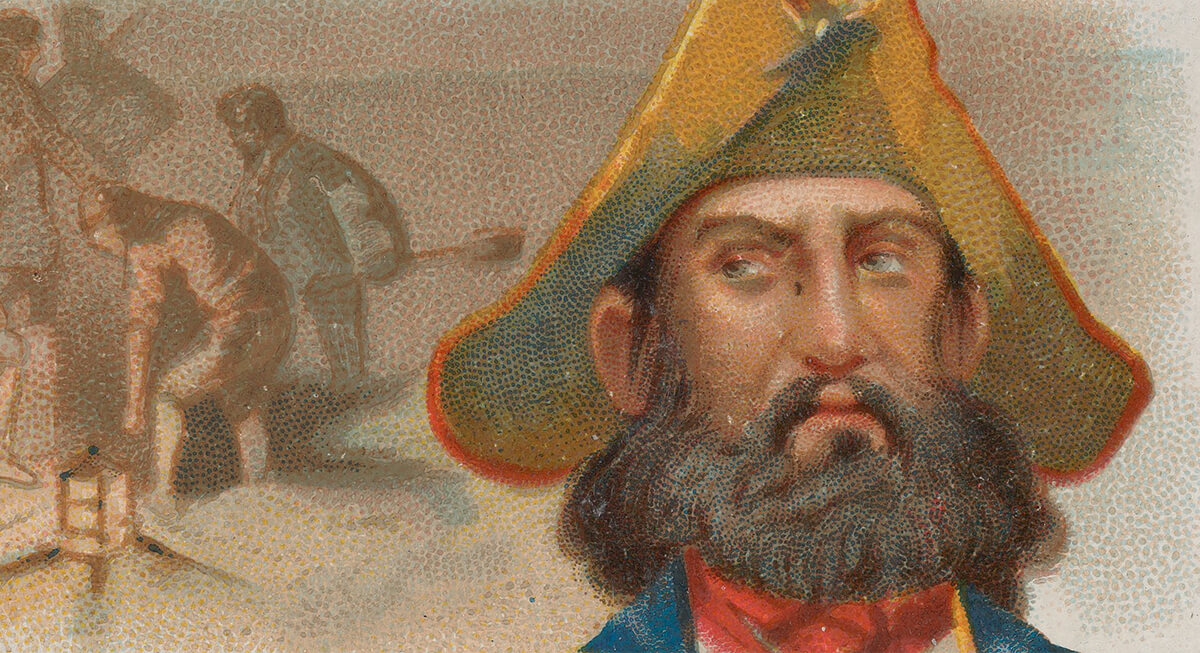
William Kidd operated in a gray area between privateer and outlaw. He began with official backing to hunt pirates but ended up accused of piracy himself. His capture of a richly loaded merchant ship placed him under scrutiny. Efforts to clear his name failed, and he was arrested upon returning to colonial ports.
Henry Morgan
Credit: Wikimedia Commons
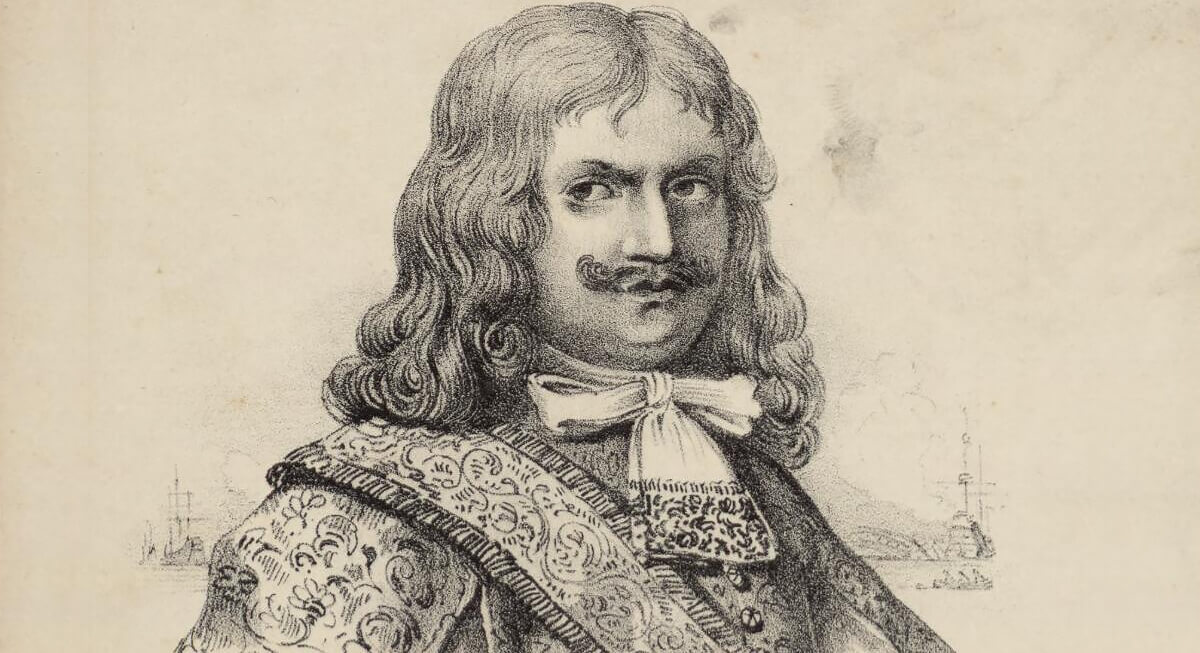
Henry Morgan built his reputation through raids on Spanish settlements across the Caribbean. His campaigns targeted towns as often as ships, bringing back large amounts of treasure. He later received a knighthood and held a government role in Jamaica. His career shows how piracy and politics often overlapped during this period, especially when empires competed for control.
Charles Vane
Credit: Wikimedia Commons
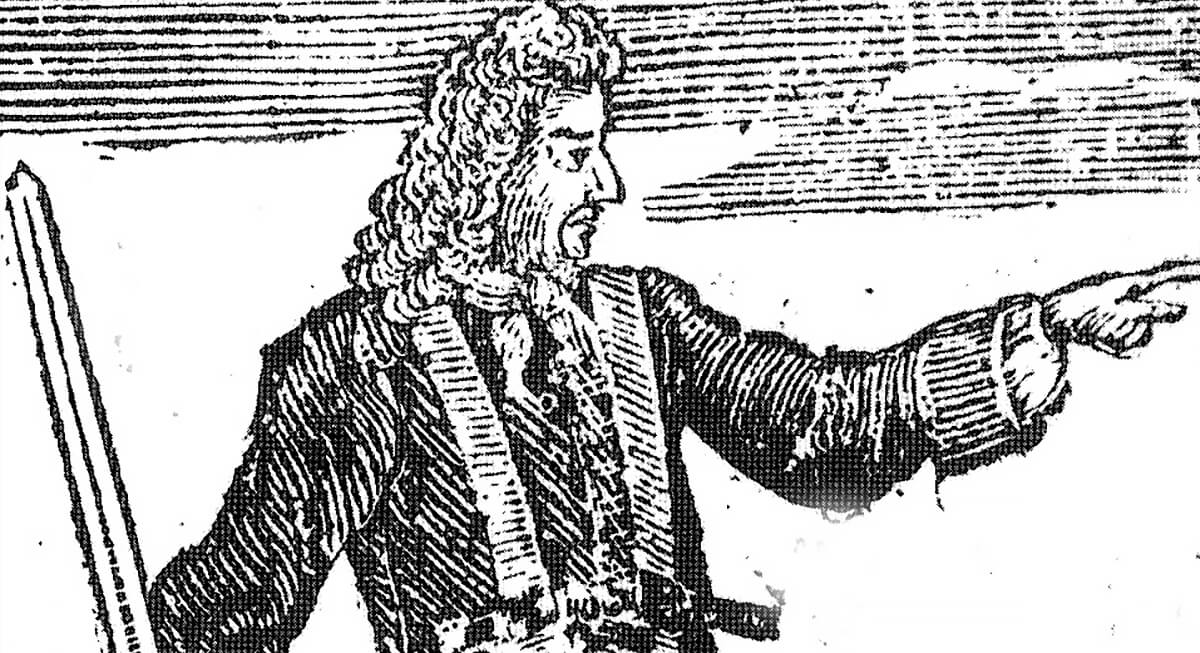
Charles Vane gained attention for bold tactics and a refusal to accept royal pardons offered to pirates. When confronted by naval forces, he once set his own ship ablaze and sent it toward enemy lines to escape. His leadership style created tension among his crew and led to his removal as captain.
François l’Olonnais
Credit: Wikimedia Commons
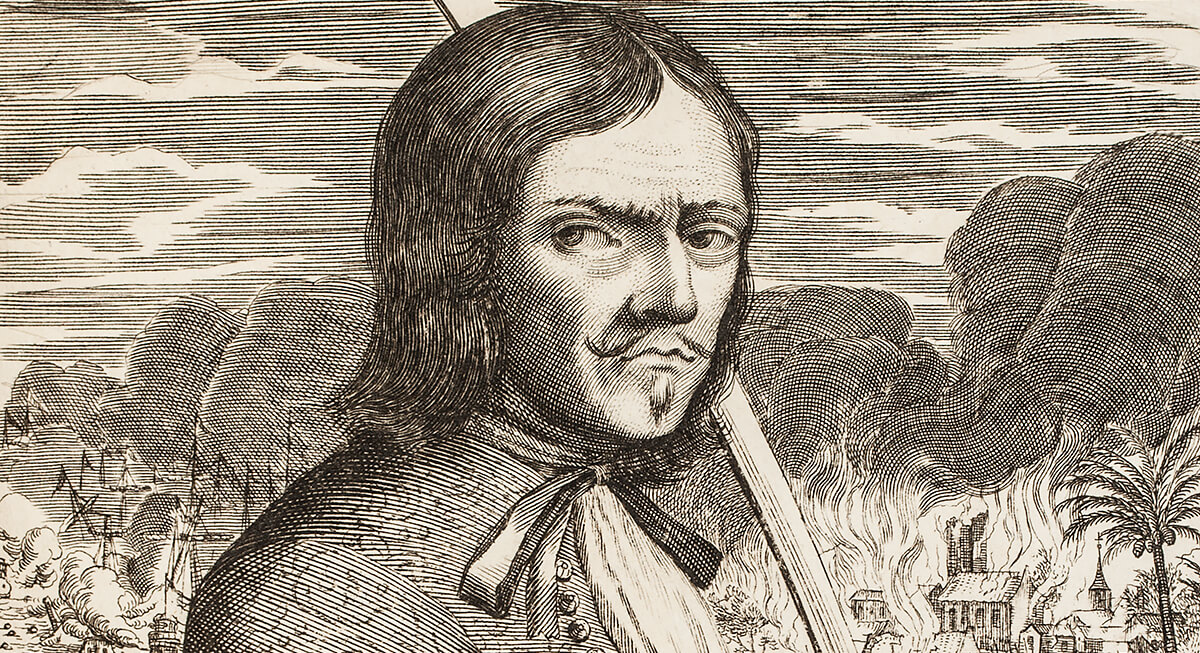
Operating in the Caribbean, François l’Olonnais targeted Spanish settlements and ships with relentless aggression. Stories describe brutal interrogations used to extract information from prisoners. His raids left lasting impressions on coastal communities. His life ended violently when he encountered resistance from local groups.