Hikers Trapped in a Blizzard Survived, Thanks to This One Specific Detail
Four hikers in British Columbia spent three nights trapped during a winter storm after conditions on a popular mountain route changed rapidly. Rescue teams could not reach them due to avalanche danger and severe weather, so the group waited for a safe extraction window. When they were finally airlifted out, all four were alive, exhausted, and in stable condition. Search-and-rescue officials later confirmed that their survival came down to a single, practical factor that most hikers rarely think about until everything goes wrong.
When a Familiar Route Turns Serious
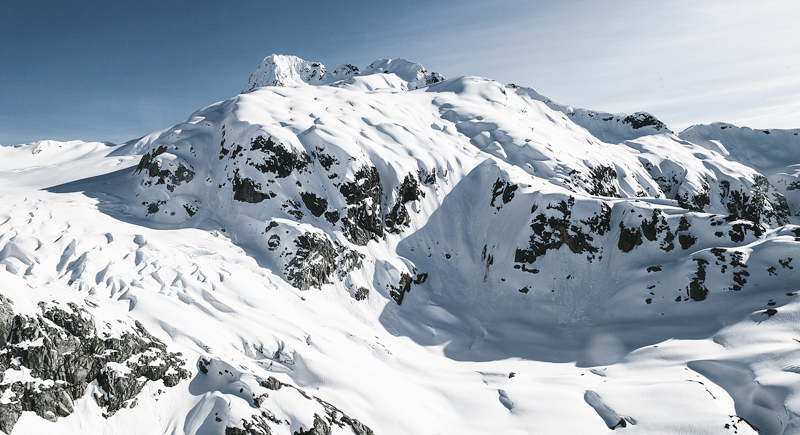
Image via Wikimedia Commons/shayd johnson xshaydx
The group reached the summit of Golden Ears, a 5,630-foot peak inside Golden Ears Provincial Park, during a stretch of decent visibility. This trail draws hikers year-round and offers about 14.5 miles round-trip with roughly 5,600 feet of elevation gain. In winter, snow, ice, and wind remain expected companions, but nothing about the start of this hike signaled a crisis.
All that changed on the descent. A fast-moving storm slammed into the alpine zone, wiping out visibility and turning the route into a white wall. Progress slowed, then stopped. At that point, the hikers made a life-changing choice: they triggered an emergency alert using Apple’s satellite-based SOS feature and shifted focus away from pushing forward.
The Decision That Bought Time

Image via iStockphoto/AscentXmedia
After sending the distress call, the hikers headed for a BC Parks–maintained A-frame emergency shelter on Panorama Ridge. This structure is in the open alpine, designed for exactly this kind of scenario. Inside, they found food and insulated blankets. That shelter gave them protection from sub-zero temperatures and high winds that made travel unsafe.
Search-and-rescue teams knew the group’s location, but reaching them proved impossible. Avalanche conditions blocked ground access, and helicopter crews turned back multiple times due to snow and wind. One attempt on Sunday failed, and conditions worsened the next day.
Why Rescue Could Not Rush In
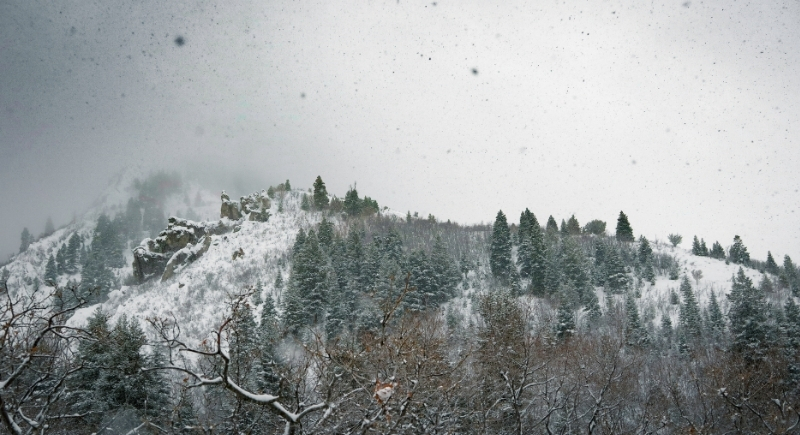
Image via Getty Images/pick-uppath
Rescuers faced unstable snowpacks and zero visibility, and pushing forward risked more lives. By Tuesday afternoon, a narrow weather break opened long enough for a helicopter extraction. Until that window appeared, waiting remained the only option. The hikers emerged tired and hungry, yet otherwise stable. Rescue leaders credited two factors for that outcome. One involved the hikers’ willingness to stop and stay put, while the other involved the shelter itself.
What Made All the Difference?
Infrastructure saves lives when people know it exists and use it early. Emergency shelters rarely feature in trip-planning conversations, yet they remain one of the simplest safety nets in alpine terrain. The hikers used what was already there, followed protocol, and accepted the delay, which kept the situation from spiraling.
Brent Boulet, president of Ridge Meadows Search and Rescue, later pointed out that winter travel in this area qualifies as a mountaineering objective, not a casual outing. This shifts attention toward planning, awareness, and respect for changing conditions.