9 Wild Ways Your Next Flight Is Getting a High-Altitude Glow Up
Flying has started to feel like a carefully designed experience. Airlines are reworking cabins and leaning hard into technology that shapes everything behind the scenes. This shows up in comfort and even in how tickets are priced. These changes are already rolling out, and they’re about to make familiar flights feel surprisingly different.
Business Class Feels Like A Private Room Now
Credit: Wikimedia Commons
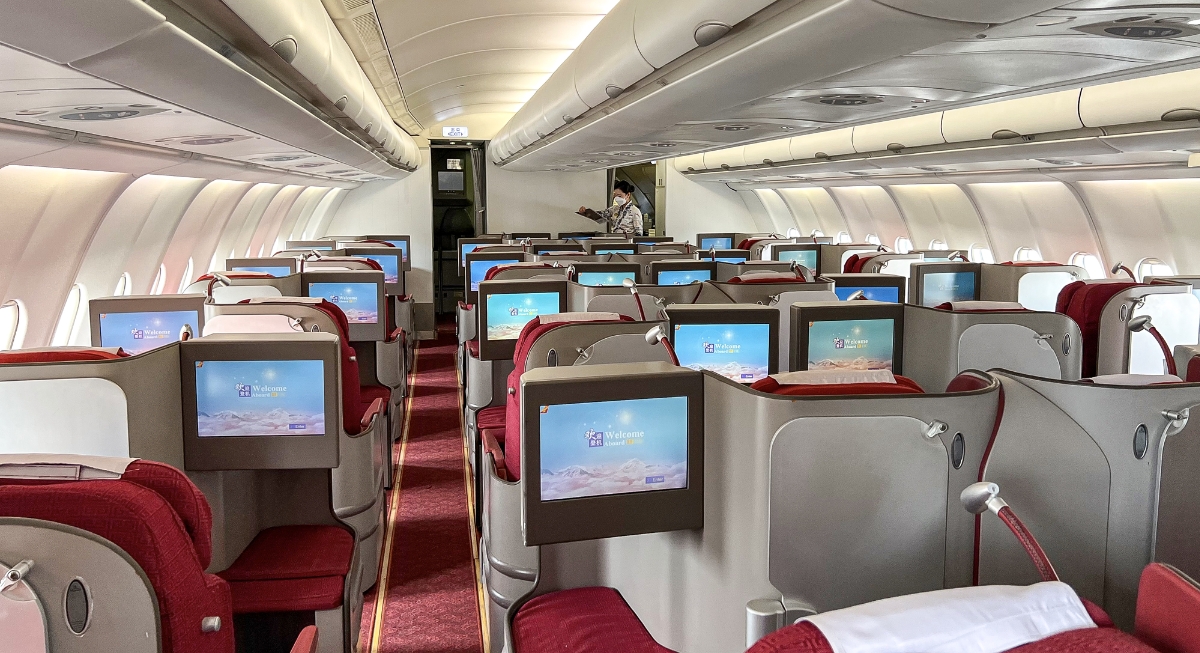
The modern business-class seat has taken a sharp turn toward privacy. Sliding doors, flat beds, and direct aisle access are now standard on long-haul routes. Airlines such as Qatar Airways and British Airways pushed this trend early, and others quickly followed. United’s upcoming Polaris redesign adds larger suites built for shared space.
First Class Is Shrinking But Getting More Exclusive
Credit: Wikimedia Commons
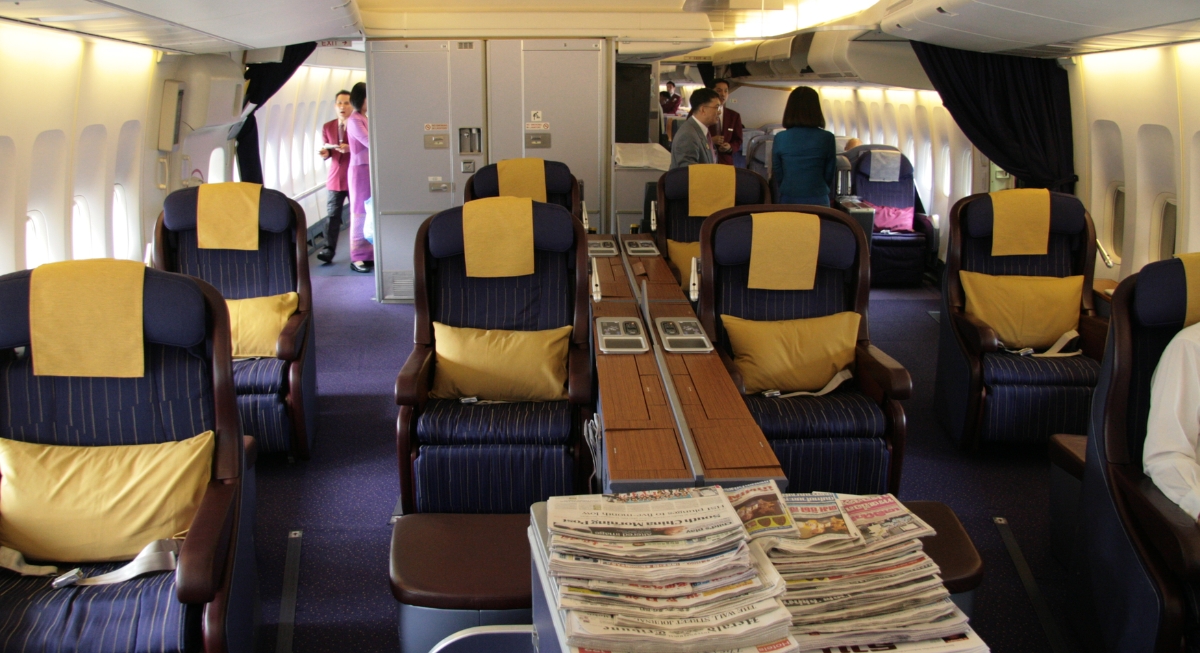
First class has become far more selective. Airlines are cutting the number of seats and focusing on travelers willing to pay for space and quiet. Air France is installing just four suites on certain aircraft, and Etihad is adding first class to smaller planes.
Small Planes Are Taking On Long-Haul Routes
Credit: Wikimedia Commons
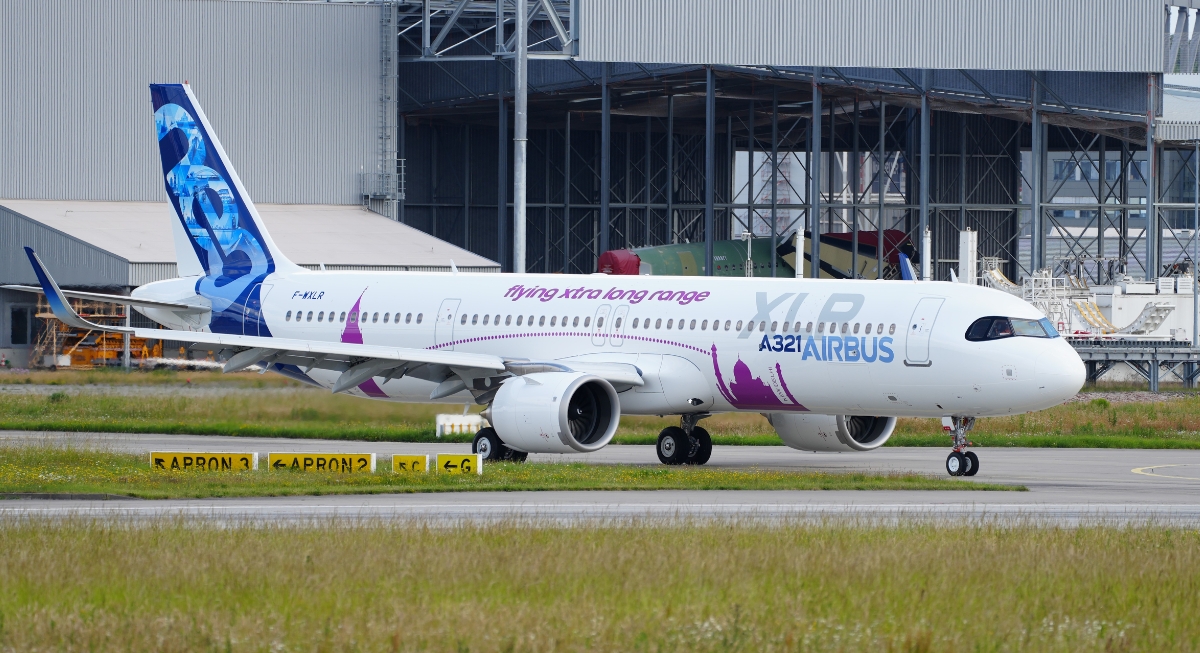
Long flights are no longer limited to widebody jets. Aircraft like the Airbus A321XLR are opening direct routes between cities that once required connections. Airlines can now link smaller markets across continents with fewer stops. The trade-off used to be comfort, but newer cabins include lie-flat seats and upgraded layouts.
Free High-Speed WiFi Is Becoming Standard
Credit: Getty Images
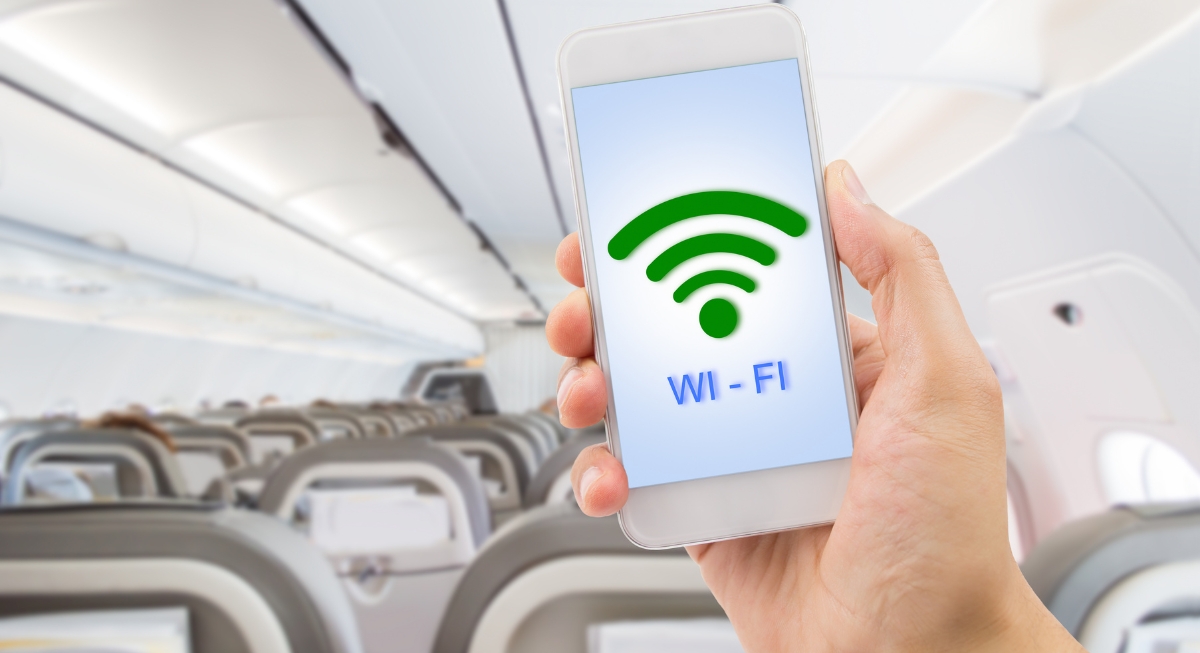
Airplane WiFi used to feel like a luxury add-on, but that’s quickly changing as airlines install faster satellite systems across their fleets. United and American Airlines are rolling out free connections on a large portion of their aircraft, supported by partnerships with providers like Starlink. Passengers can now stream and work in real time.
Your Ticket Price Is Now Built Just For You
Credit: Canva
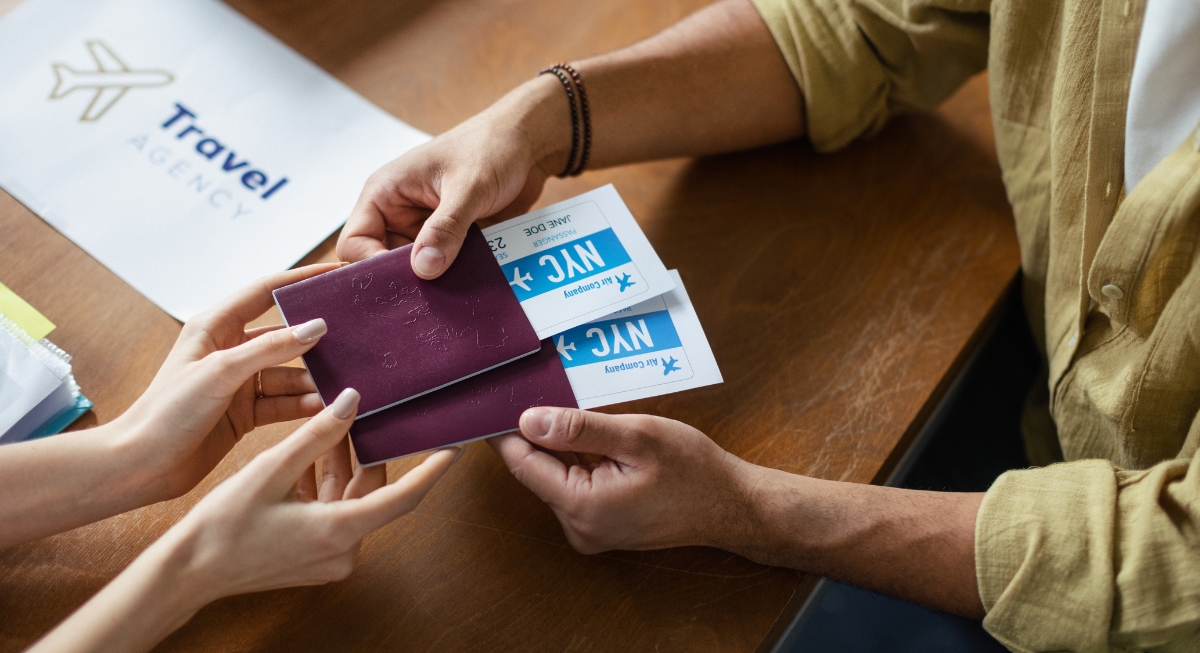
Instead of fixed fares, AI systems generate offers in real time based on demand, travel history, and even timing. Lufthansa and American Airlines are leading this shift with new retail platforms. The final price reflects selected features such as baggage and meals, which changes how travelers think about booking entirely.
Airports Are Phasing Out Physical Documents
Credit: Getty Images
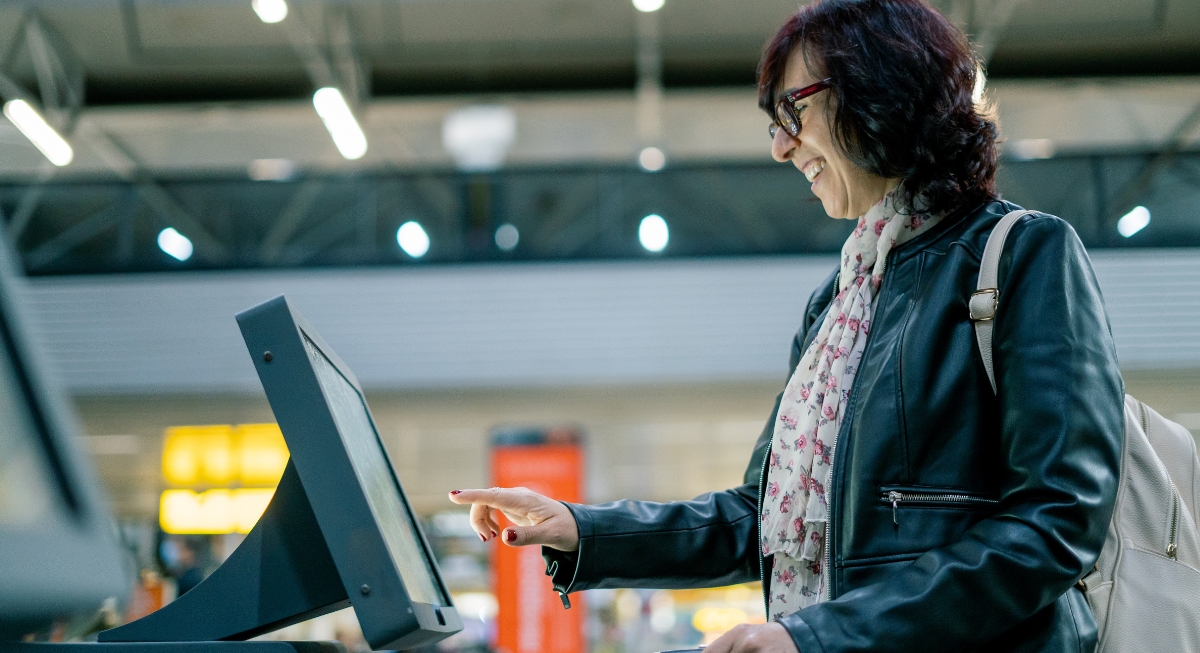
The check-in process is getting a digital overhaul. Facial recognition and biometric systems are replacing repeated passport checks at many major airports. Travelers move through security and boarding with fewer physical documents. Singapore and several European hubs already use these systems widely.
AI Assistants Are Becoming Travel Problem-Solvers
Credit: Getty Images
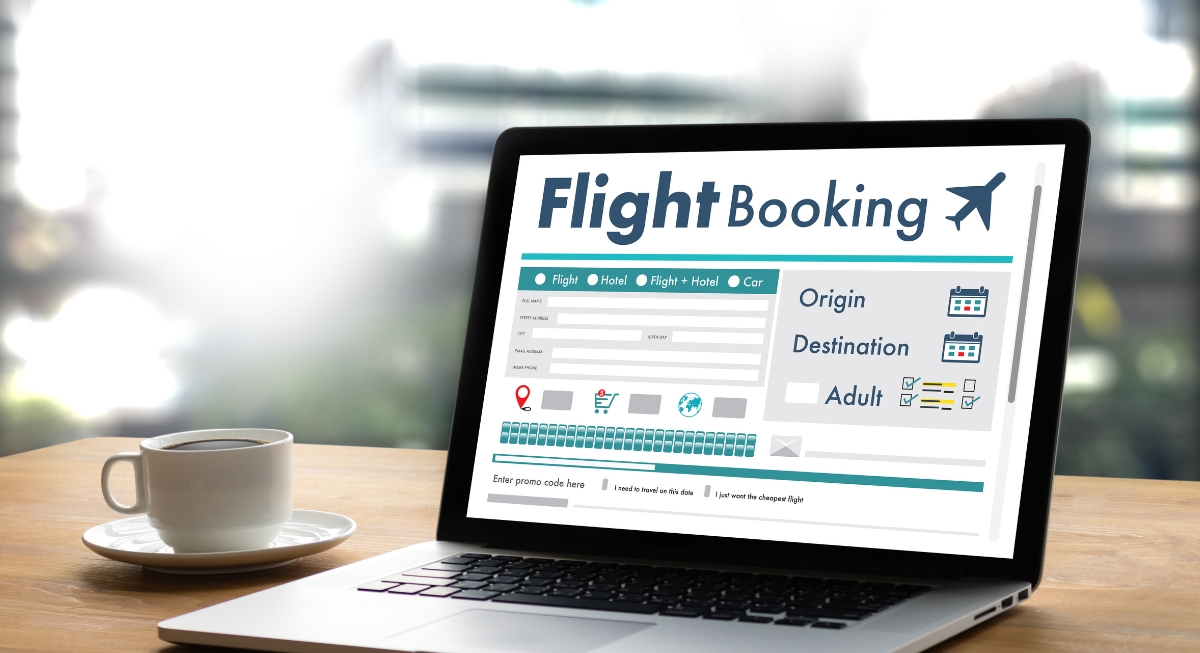
Airlines are introducing AI systems that manage bookings, rebook flights during delays, and suggest alternatives without waiting in line. Qatar Airways’ digital assistant can handle itinerary changes in real time. This reduces the stress tied to disruptions, especially during busy travel periods when human agents are stretched thin.
Flights Are Getting Bumpier Than Before
Credit: pexels
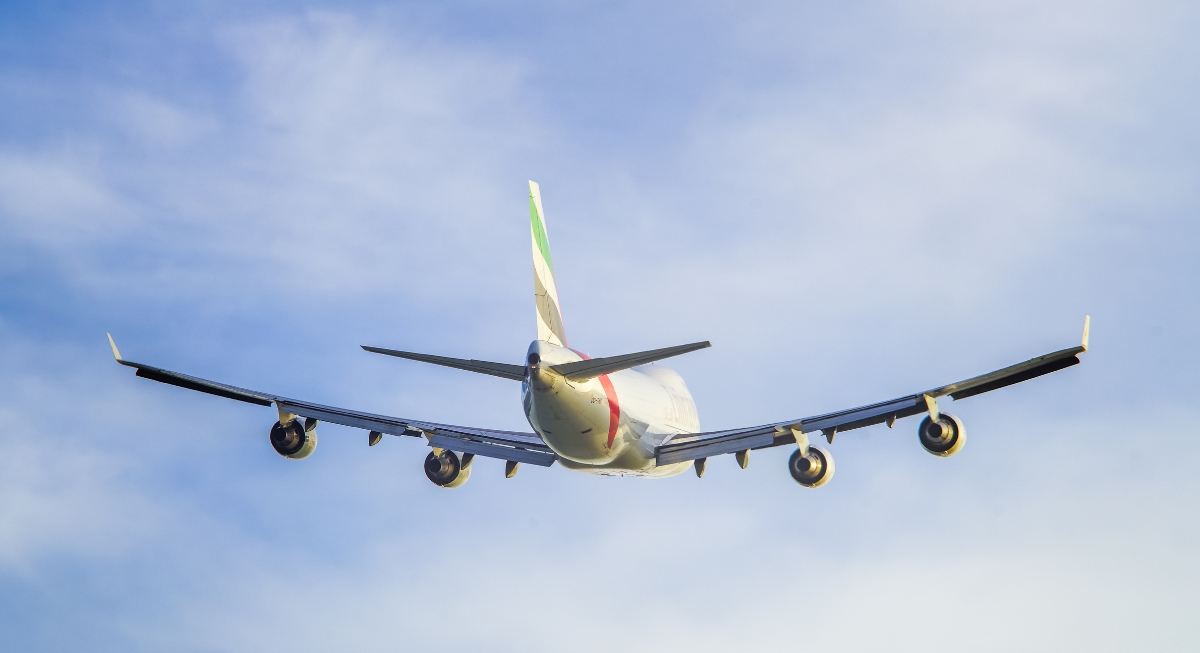
Turbulence is becoming more noticeable, and there’s a scientific reason behind it. Changes in atmospheric conditions are increasing clear-air turbulence in major flight corridors. Studies show a rise of up to 55 percent in certain regions over the past few decades. Pilots cannot always detect these patches in advance. Airlines are adjusting routes and procedures to manage the impact.
Sustainability Costs Are Showing Up On Tickets
Credit: Canva
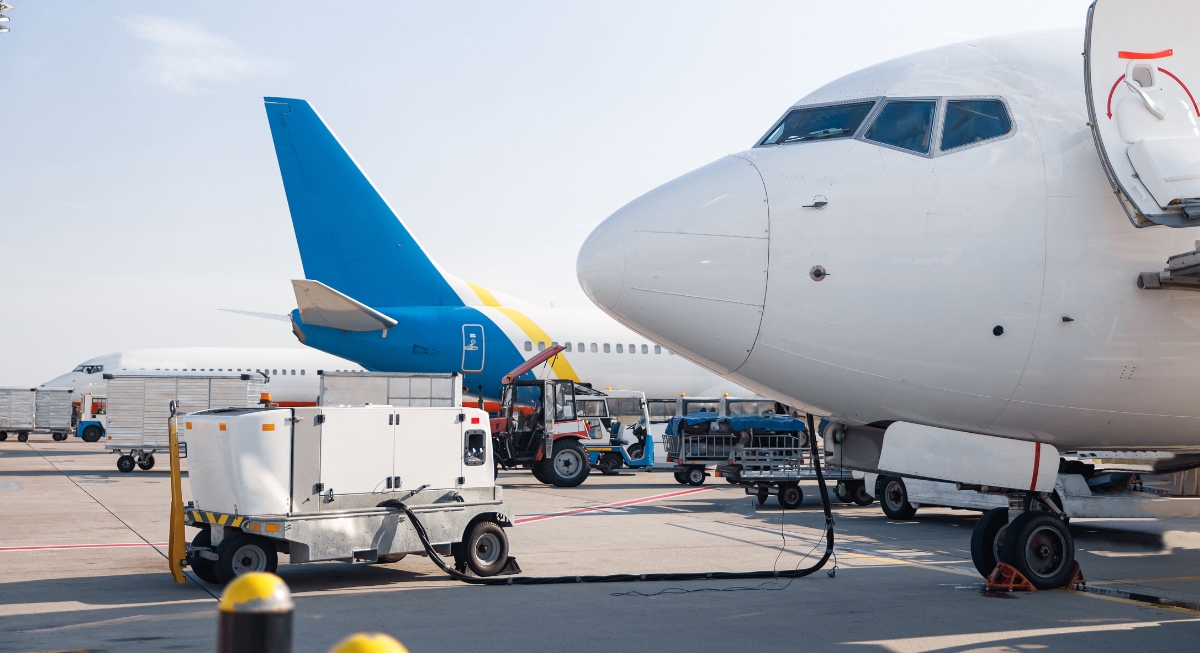
Efforts to reduce aviation emissions are now visible to passengers. Governments and regulators are introducing fuel mandates that require airlines to use sustainable aviation fuel. This fuel costs more than traditional options, and that difference is being passed on through small surcharges. Travelers may notice these fees on international tickets.