Crazy Facts About Countries That You Likely Didn’t Realize
Every country has something that makes you pause for a second. Some follow a calendar that’s different from the one most of the world uses. Others have turned their name or internet domain into a steady source of income. In a few places, long-held traditions or bold decisions shaped daily life in unexpected ways. Once you learn these details, they’re hard to forget.
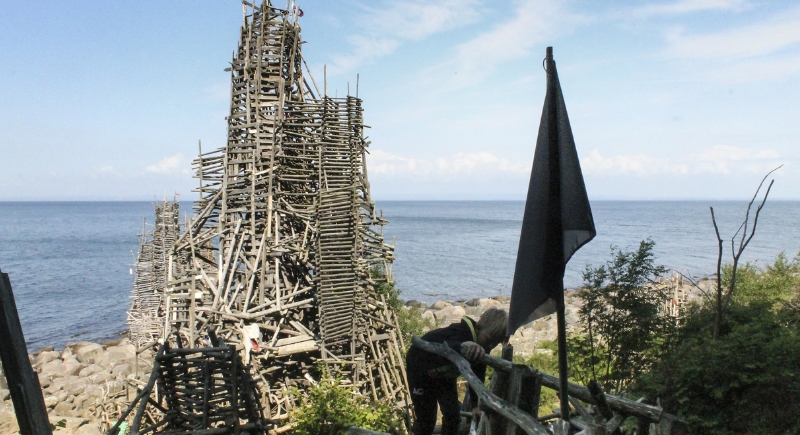
Lars Vilks Created a Country to Protect His Sculpture
Credit: Wikimedia Commons
The artist Lars Vilks faced legal action in Sweden after building a large driftwood sculpture in a nature reserve. Rather than remove it, he declared the area an independent micronation called Ladonia. He did this in 1996, and the move attracted thousands of “citizens” who signed up online.
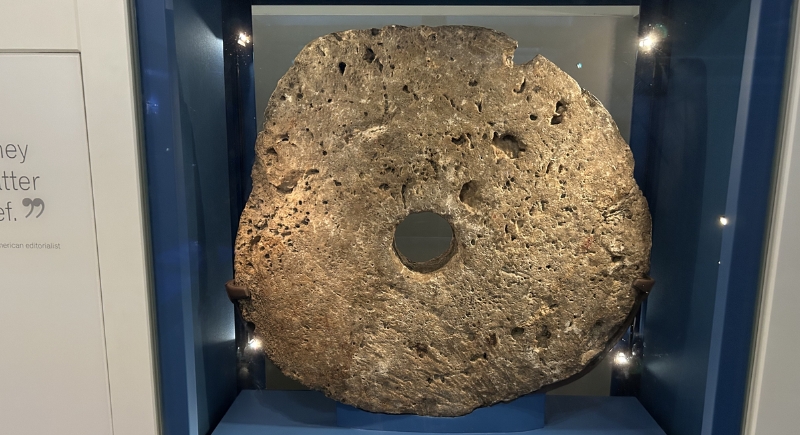
Rai Stones Still Represent Wealth on Yap
Credit: Wikimedia Commons
Long before paper money arrived, the people of Yap used massive stone discs as currency. Known as Rai stones, they’re often taller than a person and weigh several tons. Transporting them involved dangerous ocean voyages from Palau, which added to their value.
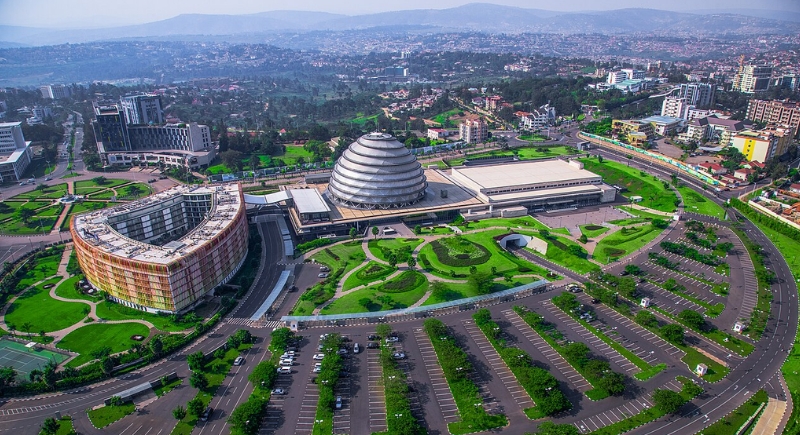
Rwanda Rebuilt with a Parliament Led by Women
Credit: Wikimedia Commons
After the 1994 genocide, Rwanda had a population that was mostly female. The government passed reforms that gave women a path into political office. Today, women hold 61% of the seats in Rwanda’s lower house of parliament, which is the highest proportion in the world.
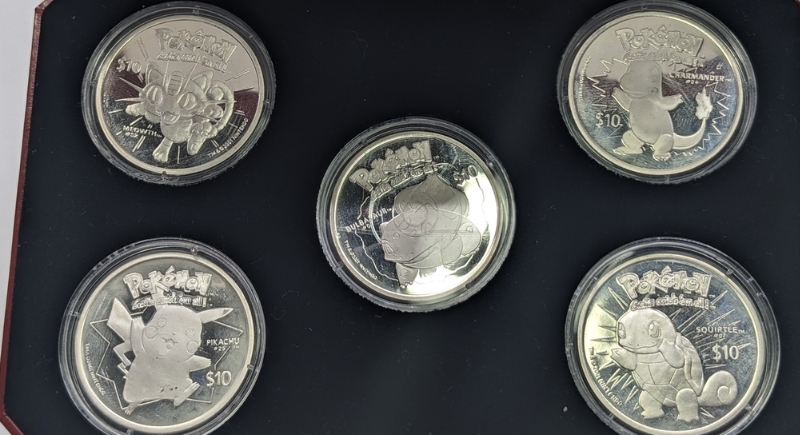
Niue Uses Pikachu and Darth Vader on Coins
Credit: Instagram
If you ever spot Darth Vader or Pikachu on a coin, there’s a good chance it came from Niue. This small Pacific island issues legal currency featuring characters like Elsa, Yoda, and even Pokémon. Minted through a partnership with the New Zealand Mint, these coins are technically spendable on the island.
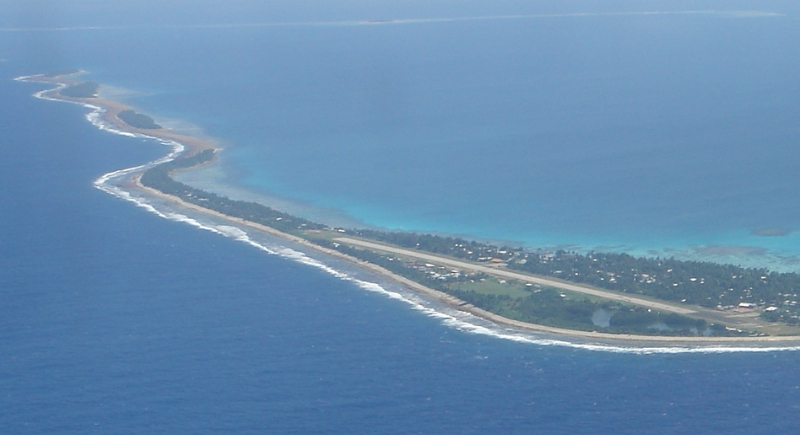
Tuvalu Gained Millions by Leasing .tv Rights
Credit: Wikimedia Commons
In the late 1990s, Tuvalu recognized the marketability of its country code “.tv.” The government signed a contract that allowed a U.S. company to lease rights to the domain. The deal brought Tuvalu around $50 million, half of its GDP at the time. Those funds helped pay for infrastructure and United Nations membership.
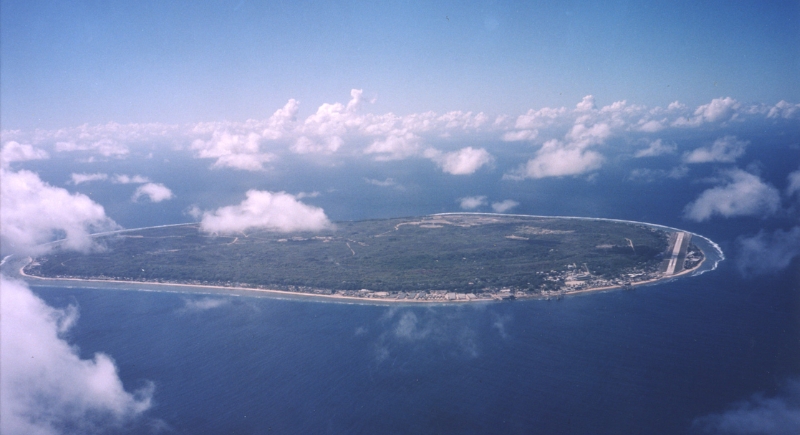
Nauru Has No Capital, just a Government Cluster
Credit: Wikimedia Commons
Most countries designate a capital city, but Nauru doesn’t. It operates without formal capital and instead functions through a collection of government buildings in one district. This decision makes sense given the country’s size, which is just 8.1 square miles, and its population of under 13,000.
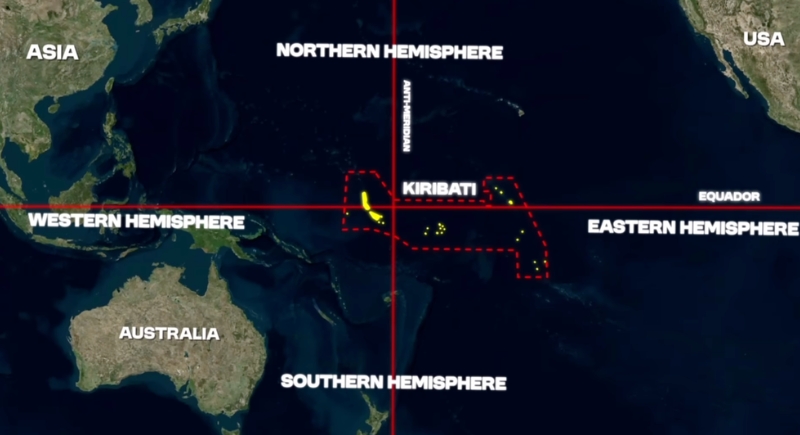
Kiribati Exists in Every Hemisphere at Once
Credit: Youtube
Covering nearly 1.4 million square miles of ocean, the Republic of Kiribati holds a geographic distinction. Its territory crosses the equator and the International Date Line, which places it in all four hemispheres. The nation also consists of 33 coral atolls and reef islands scattered across the central Pacific.
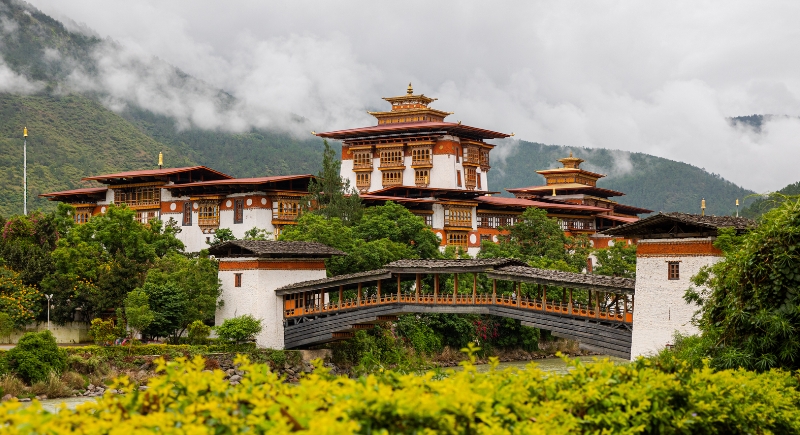
Bhutan’s Homes Feature Phallic Wall Art
Credit: Wikimedia Commons
In rural Bhutan, it is common to see homes painted with large, brightly colored phalluses. The images are linked to Drukpa Kunley, a 15th-century Buddhist saint known for using humor and intimate symbolism in his teachings. Many locals believe these paintings protect households from harm and drive away bad luck. You will find them on houses, small shops, and even near temples.
China Runs on One Time Zone Nationwide
Credit: Wikimedia Commons
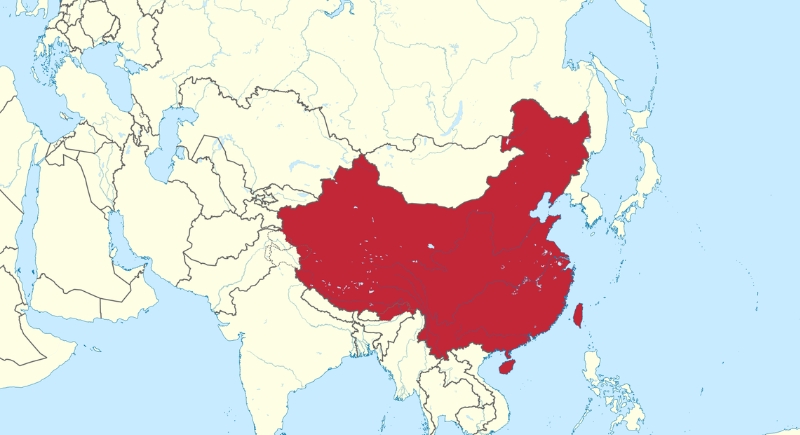
Even though China spans five geographical time zones, the government enforces a single national time zone: Beijing Standard Time. This means sunrise in the far western regions can occur hours later than in the east. In areas like Xinjiang, residents tend to follow unofficial local schedules to reflect the actual daylight hours.
Ethiopia Counted the Millennium in 2007
Credit: Getty Images
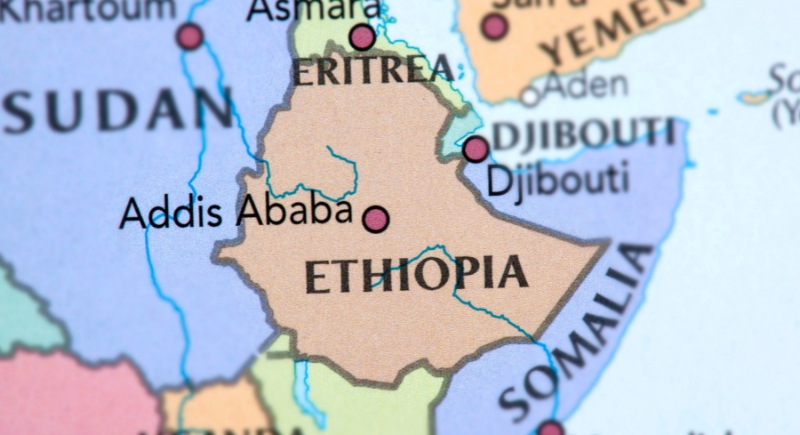
In Addis Ababa, the date on the calendar does not always match the one in your passport. Ethiopia follows its own calendar system, which is several years behind the Gregorian calendar used in most countries. Because of this difference, Ethiopia celebrated the start of the new millennium in September 2007, marking the year 2000 according to its traditional calendar.