The Hidden Mountain Range That Tourists Completely Overlook
Most travelers pass through central South Carolina without realizing they’re skirting one of its most unusual landscapes. Poinsett State Park is subtle, and within its boundaries is a compact mountain-like terrain shaped by converging ecosystems and historic craftsmanship. Those who take the time to explore it often leave surprised by how much variety was hiding in plain sight.
Three Landscapes In One Place
Credit: Wikimedia Commons
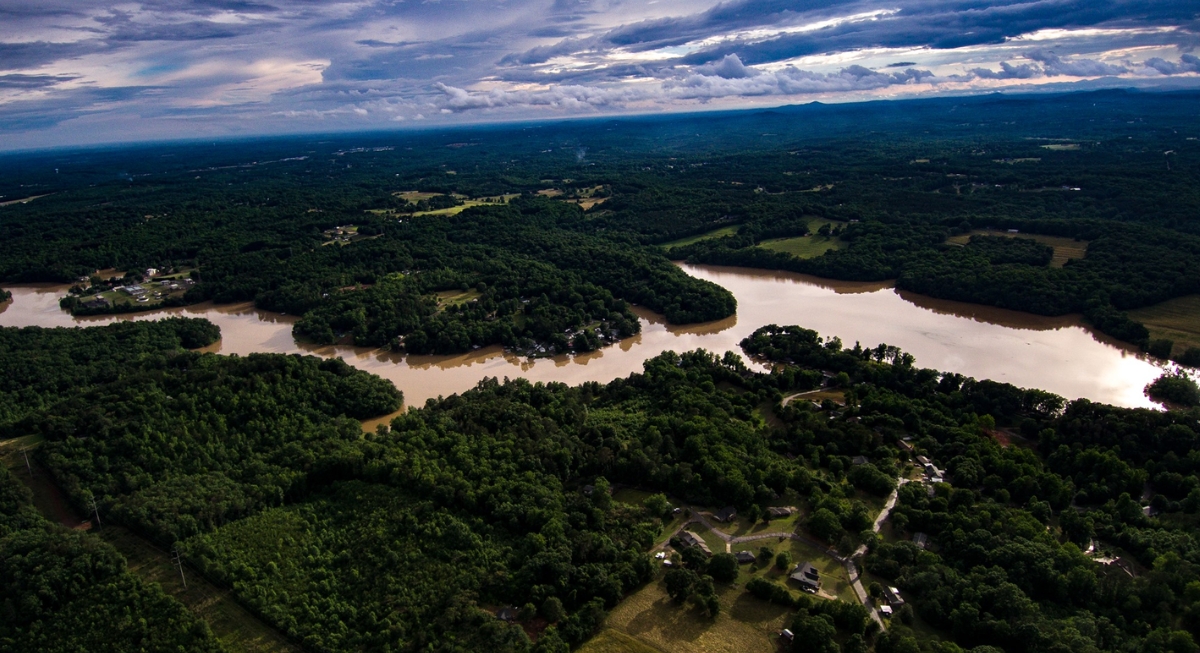
Geologists point to this region as a natural overlap zone, where three distinct ecosystems meet within a relatively small footprint. The convergence creates unexpected contrasts. A visitor might start on sandy soil typical of coastal plains and, within minutes, step into denser upland forest. It explains why the park supports such a wide range of plant and animal life.
Rolling Terrain That Breaks Expectations

Credit: pexels
The nickname “Mountains of the Midlands” sounds exaggerated until the trails begin to rapidly change. Elevation changes come quickly, especially along routes like the Knot Trail. Hikers encounter steady inclines that feel out of place in this region. It never reaches the scale of larger ranges, though the constant rise and fall create a rhythm.
A Lake That Reflects More Than Sky
Credit: Tripadvisor
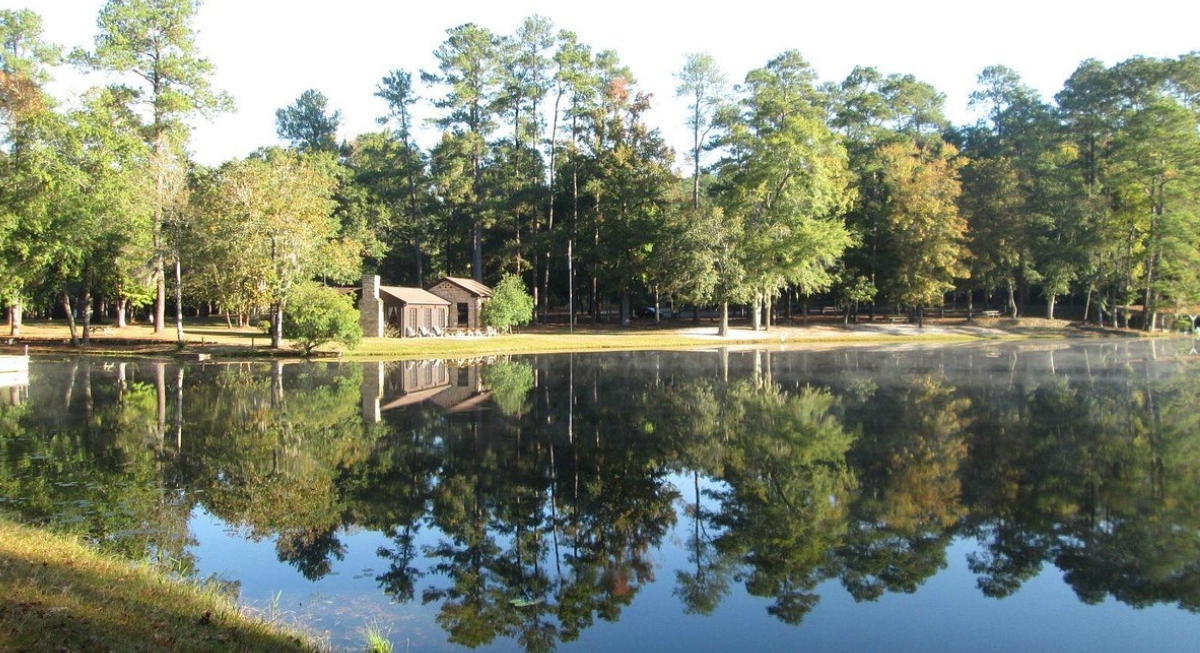
At the center of the park is a ten-acre lake that anchors the entire landscape. Early mornings bring a thin layer of mist across the surface. Anglers gather along the edges, hoping for bass or catfish. Families claim small sections of shoreline, and the water becomes a shared space.
Trails That Shift Without Warning
Credit: Facebook
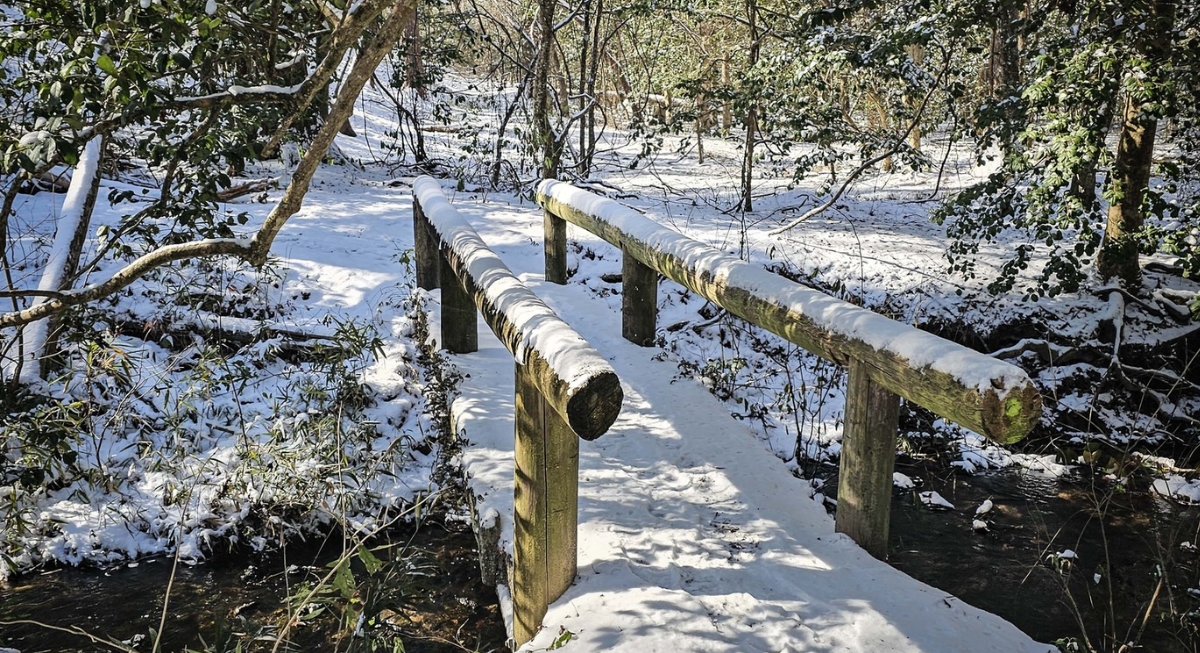
Trail systems within the park rarely follow a single pattern. The Coquina Trail offers a relatively gentle loop, but even that includes sections where roots and uneven ground demand attention. A turn onto the Palmetto Trail introduces steeper grades and longer stretches.
Structures Built To Last Generations
Credit: Wikimedia Commons
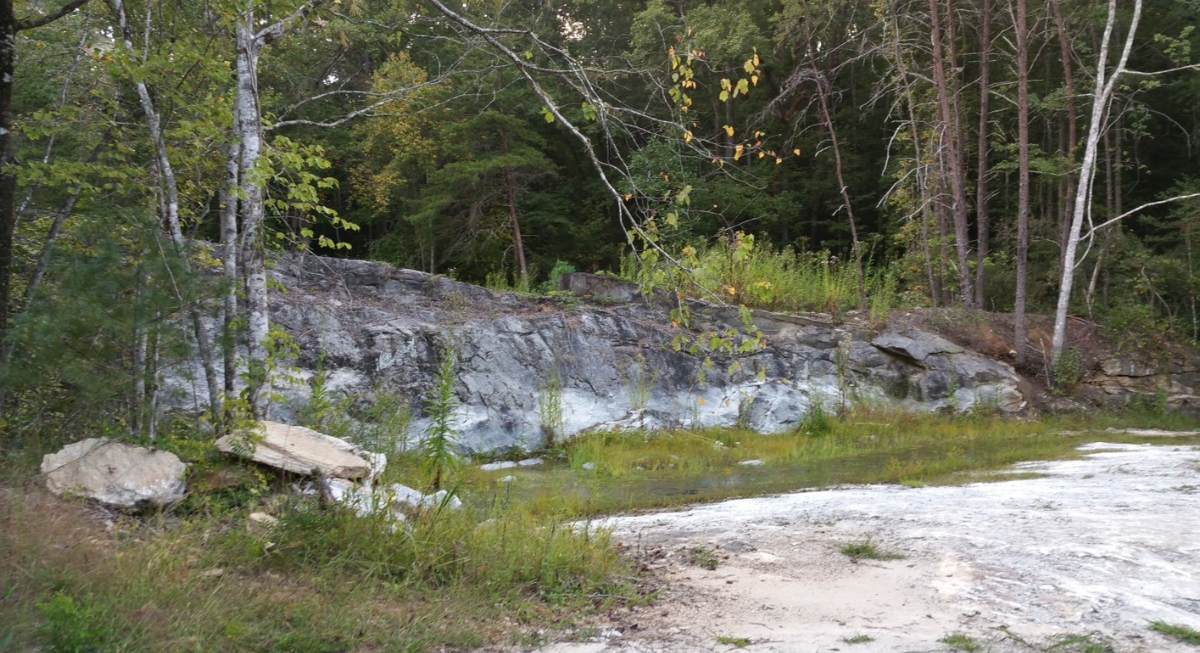
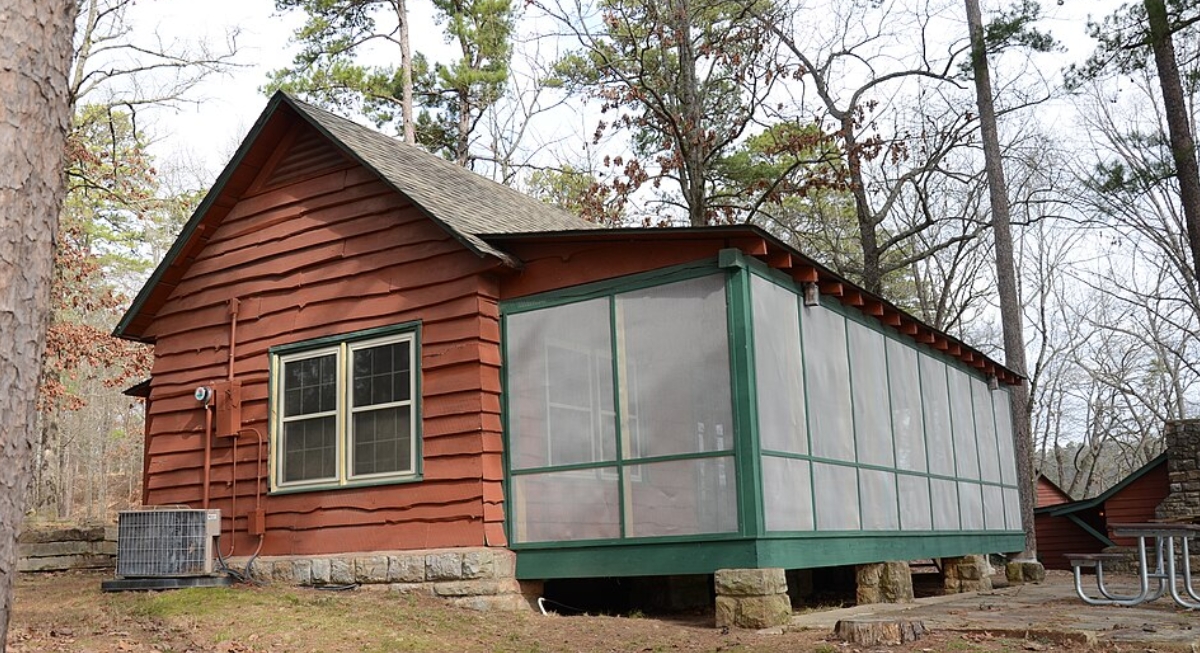
During the 1930s, Civilian Conservation Corps workers arrived with a clear purpose and limited resources. Many of them were young men gaining job skills during the Great Depression. They built cabins, picnic shelters, and the park’s stone spillway by hand. Decades later, those structures still function as intended.
Cabins That Feel Surprisingly Practical
Credit: Wikimedia Commons
Cabins in this region have screened porches that catch evening breezes, and interiors include modern basics. Guests cook their own meals and settle into slower routines. It creates an experience that feels removed from daily distractions.
Wildlife That Rewards Patience

Credit: Wikimedia Commons
Birdwatchers often treat this park as a checklist destination. Pileated woodpeckers carve into tree trunks, and barred owls call out near dusk. Seasonal visitors bring flashes of color through the canopy. Their movement is subtle, so careful observation is required.
Water Features With Subtle Appeal
Credit: Wikipedia
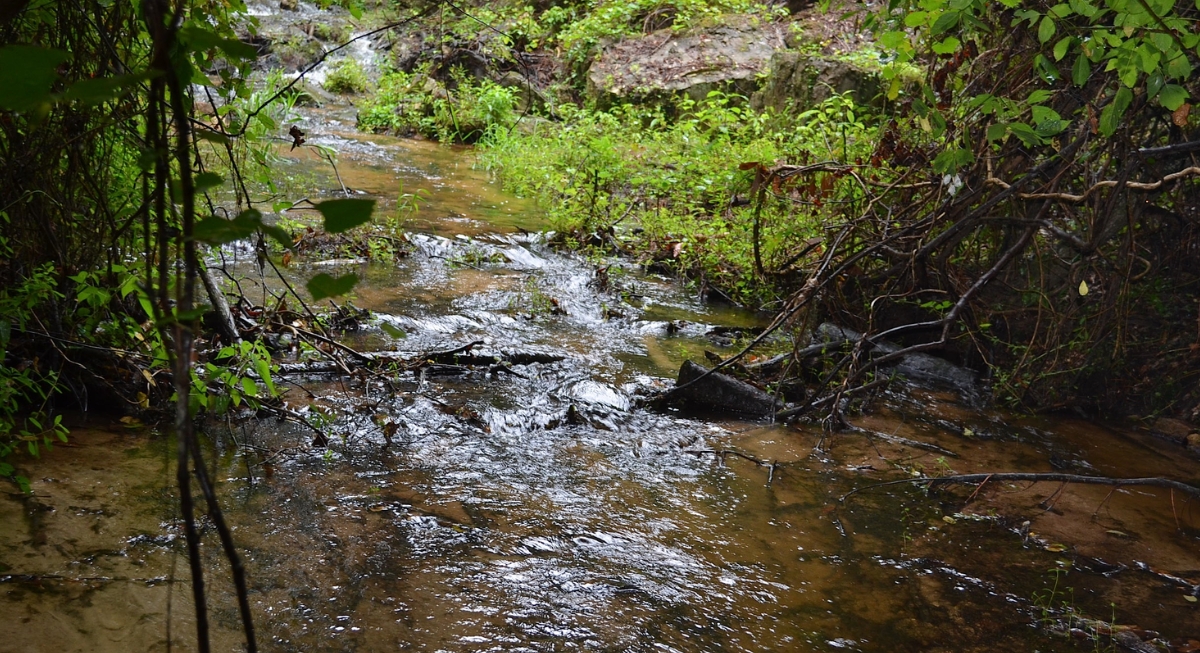
The stone spillway built by the Civilian Conservation Corps still channels water in a steady, controlled flow. Over time, moss has covered the surface. The sound provides a natural backdrop along nearby trails.
A History That Runs Beneath The Surface
Credit: Tripadvisor
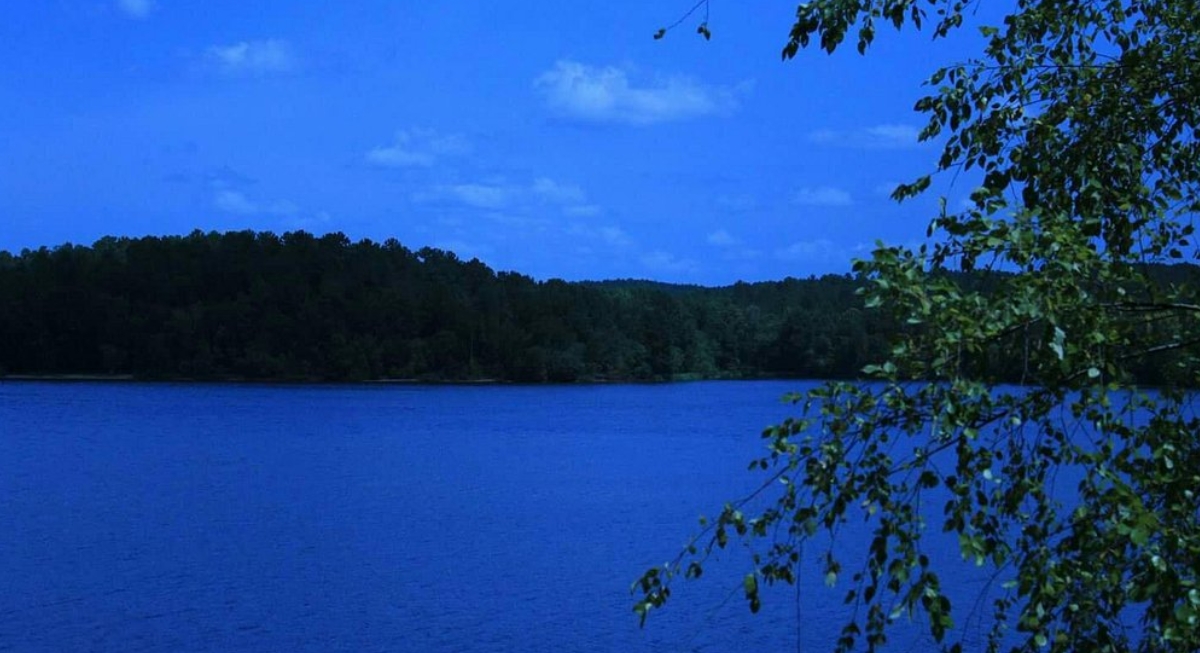
Long before the park existed, the area supported the Wateree people, who relied on its natural resources. Later, parts of this land saw activity during the Revolutionary War. Visitors walking the trails move through spaces that have been used and changed across generations.
A Destination That Stays Under The Radar
Credit: Wikimedia Commons
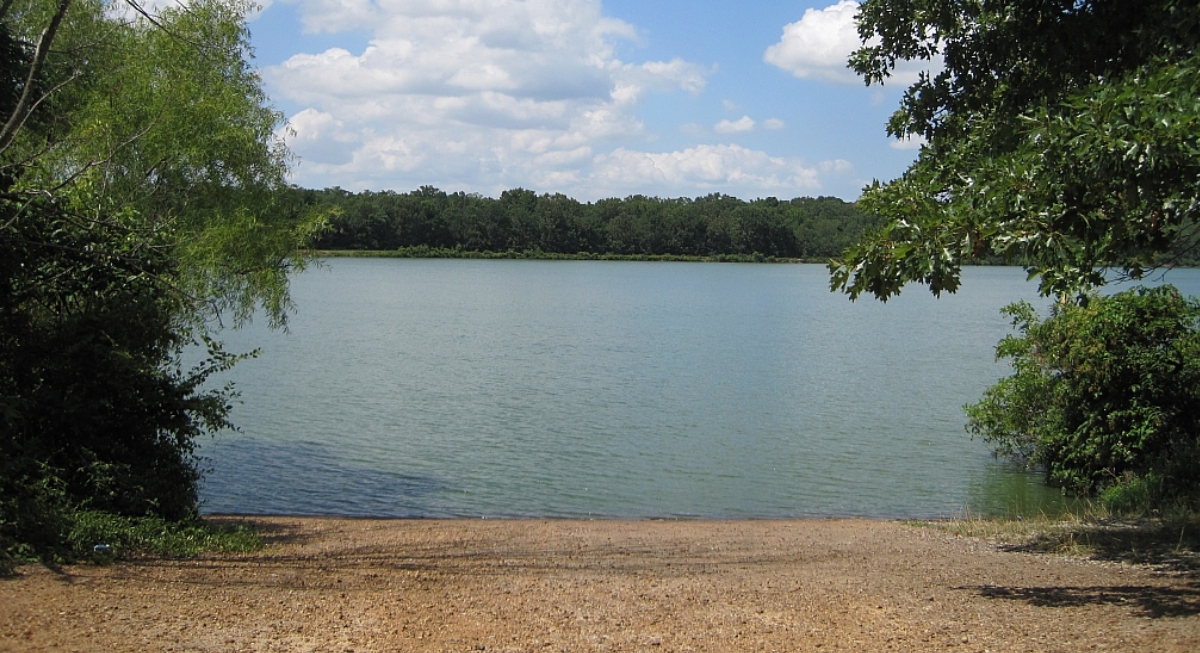
Poinsett State Park isn’t exactly popular, and that shapes the overall experience. Crowds are manageable even during busy periods. Visitors move at their own pace without feeling rushed or confined. The setting is built on variation and subtle detail.