10 Ways to Crush Your Hawaii Bucket List in Record Time
There are a few things to note when it comes to Hawaii island hopping. Social media can make it seem easy to squeeze four islands into one ambitious vacation. Flights between islands can take less than an hour, and schedules run throughout the day, but it’s more complicated when you factor in airport transfers, rental cars, delayed departures, hotel check-ins, and long driving routes.
You may have planned a very efficient trip only to end up in a blur of terminals, baggage claims, and rushed schedules. The strongest itineraries can free up entire days that would otherwise be lost to logistics. Island hopping works best when the transportation side of the vacation does not become the main event.
Start on Oahu if You Want the Smoothest Flight Network
Credit: Getty Images
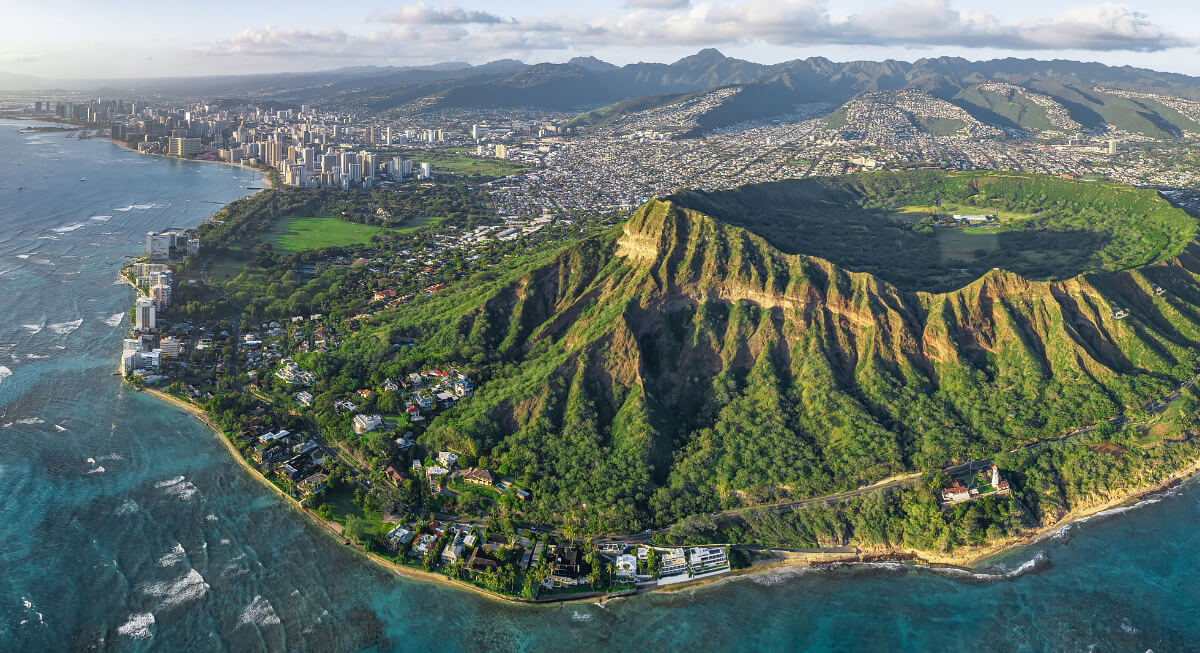
One problem people face is the first choice of destination. Travelers land on a smaller island first, then spend the rest of the vacation working around fewer flight options and tighter schedules. For many visitors, Oʻahu works well as an entry point because Daniel K. Inouye International Airport handles the largest number of interisland routes in the state. Flight options here are more flexible, and delays are sometimes easier to work around than at smaller airports. Starting there can also create breathing room later if weather or schedule changes affect the rest of the itinerary.
Pair Nearby Islands Instead of Zigzagging Across the State
Credit: Getty Images
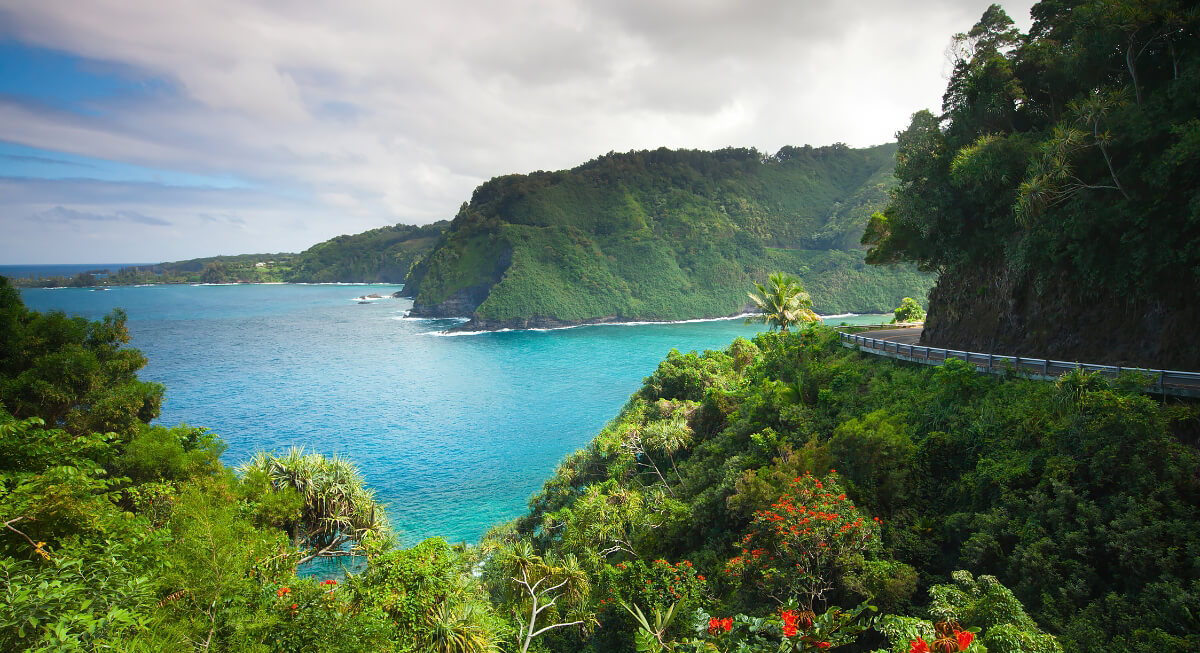
Pairing nearby islands often creates a smoother trip than bouncing back and forth across the state. For example, combining Maui with Hawaiʻi Island can feel more efficient than repeatedly connecting through Oʻahu between stops. Travelers visiting Kauaʻi and the Big Island may also find fewer direct flight options depending on the season and airline schedules. Planning island hops by region instead of choosing islands randomly can reduce extra transfers, baggage handling, and repeated airport check-ins.
Book the Earliest Interisland Flight You Can Tolerate
Credit: Getty Images
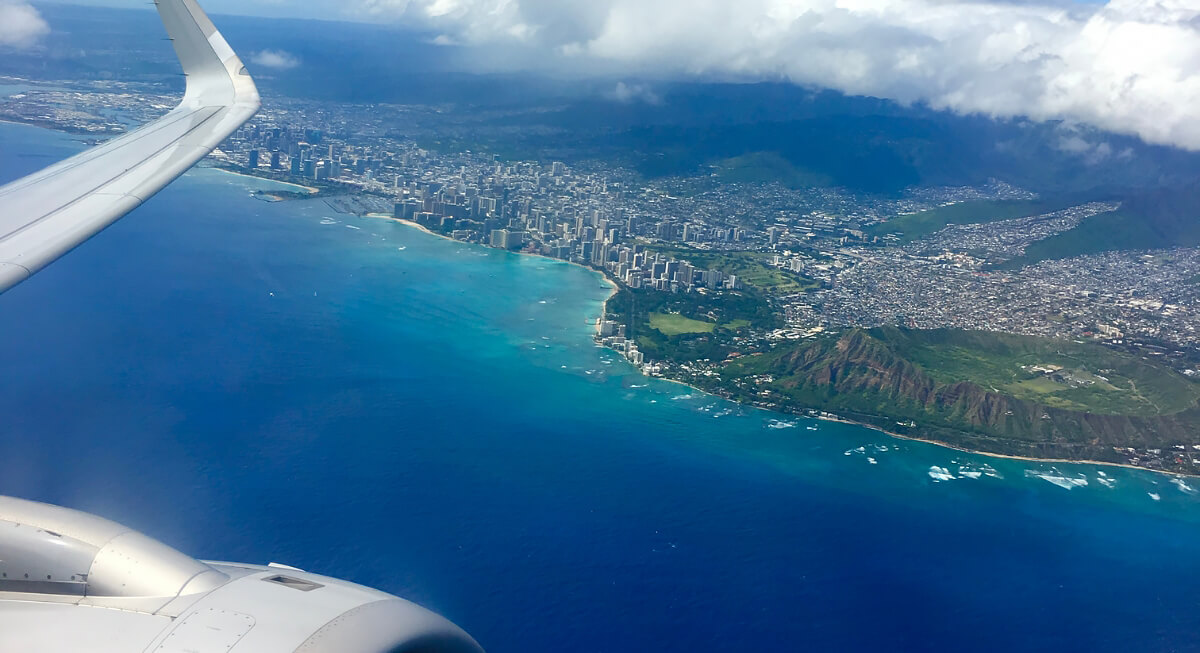
An early morning flight may not sound appealing during vacation, but it can completely change the pace of island hopping. Earlier departures sometimes mean calmer airports, fewer cascading delays, and more usable daylight after landing. If you wait until midday, you may miss much of the afternoon. The flights themselves may only last 30 to 50 minutes, but the surrounding logistics usually take much longer than people expect. Arriving earlier can leave enough time for sightseeing, beach stops, or scenic drives the same day.
Keep Kauai for the End of the Trip, Not the Middle

Credit: Getty Images
Kauaʻi has a slower pace than some of Hawaii’s busier islands. The roads are quieter, and much of the appeal comes from scenery, hiking, and beaches. If you want to visit multiple islands quickly, placing Kauaʻi in the middle of the itinerary can sometimes make the rest of the trip feel rushed afterward. It’s preferable to end there because the atmosphere naturally encourages longer mornings, slower drives, and less pressure.
Use the Expeditions Lanai Ferry to Skip an Airport Day
Credit: Instagram
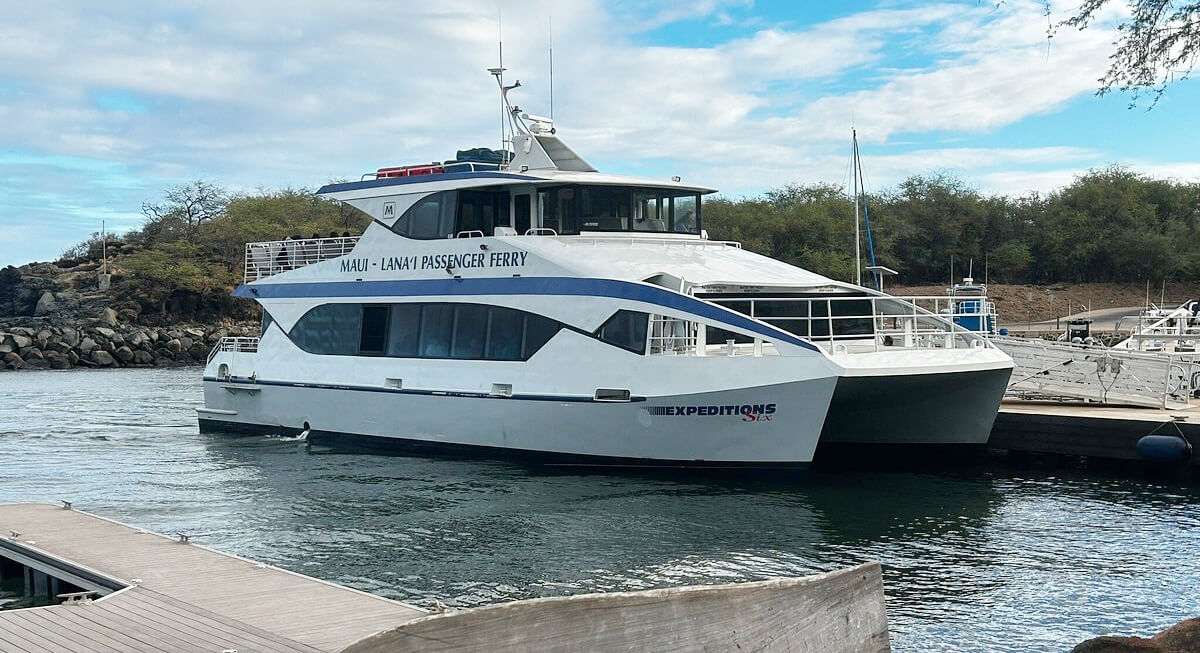
The issue with airport logistics extending the actual flight schedule is one reason the ferry between Maui and Lanai appeals to many island hoppers. The ride takes roughly an hour and removes much of the standard airport cycle involving baggage handling, security lines, rental returns, and boarding delays. Travelers also get ocean views during the crossing, rather than spending another half-day in terminals. Skipping even one airport transfer during a multi-island vacation can noticeably speed up the trip.
Rent Cars Only on the Islands Where You Actually Need Them

Credit: Canva
Around Honolulu and Waikīkī, rideshares, public transit, tours, and walkable areas may reduce the need for a rental vehicle entirely. Meanwhile, islands like Kauaʻi or the Big Island become harder to explore without personal transportation because attractions are farther apart and transit options are more limited. Selective rentals can reduce costs throughout the trip. It’s better to adjust transportation plans island by island rather than assume one approach fits the entire state.
Build Your Schedule Around Geography
Credit: Getty Images
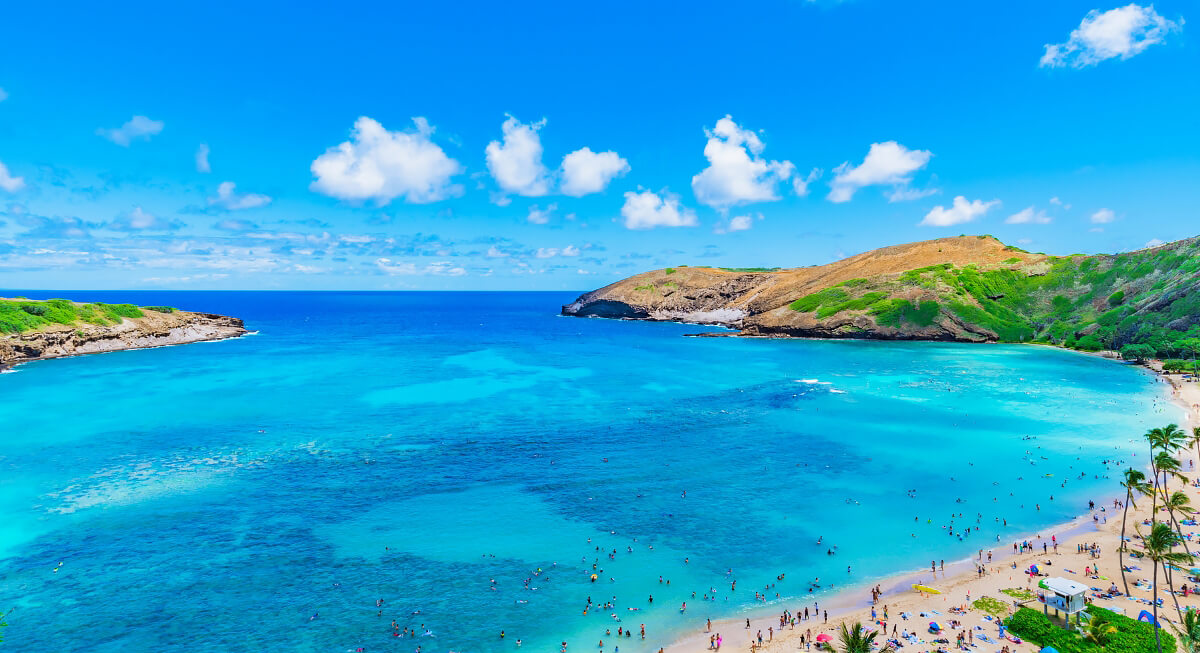
Hawaii itineraries become overloaded because travelers build them around famous attractions rather than realistic travel between destinations. Focus on one side of an island per day instead. Volcanoes on the Big Island, surf culture on Oʻahu, waterfalls on Kauaʻi, and the Road to Hana on Maui all look manageable online. But geography usually determines how stressful the vacation is, not the list of attractions. Hawaii often feels more rewarding when the schedule leaves room for slower exploration instead of nonstop relocation.
Pack Light Enough to Move Fast

Credit: Canva
Island hopping quickly exposes the downsides of overpacking. Heavy luggage slows everything down. Waiting at baggage claim after a 35-minute flight can be especially frustrating when carry-on travelers are already leaving the airport. Some regional flights may also have tighter baggage limits or smaller overhead compartments. Packing lighter creates greater flexibility, which becomes increasingly useful after multiple transfers. You fit more comfortably into rental vehicles and spend less time reorganizing belongings between islands. Hawaii’s casual atmosphere also means many visitors end up wearing fewer outfits than they originally expected.
Leave One Full Buffer Day Before Flying Home
Credit: Canva
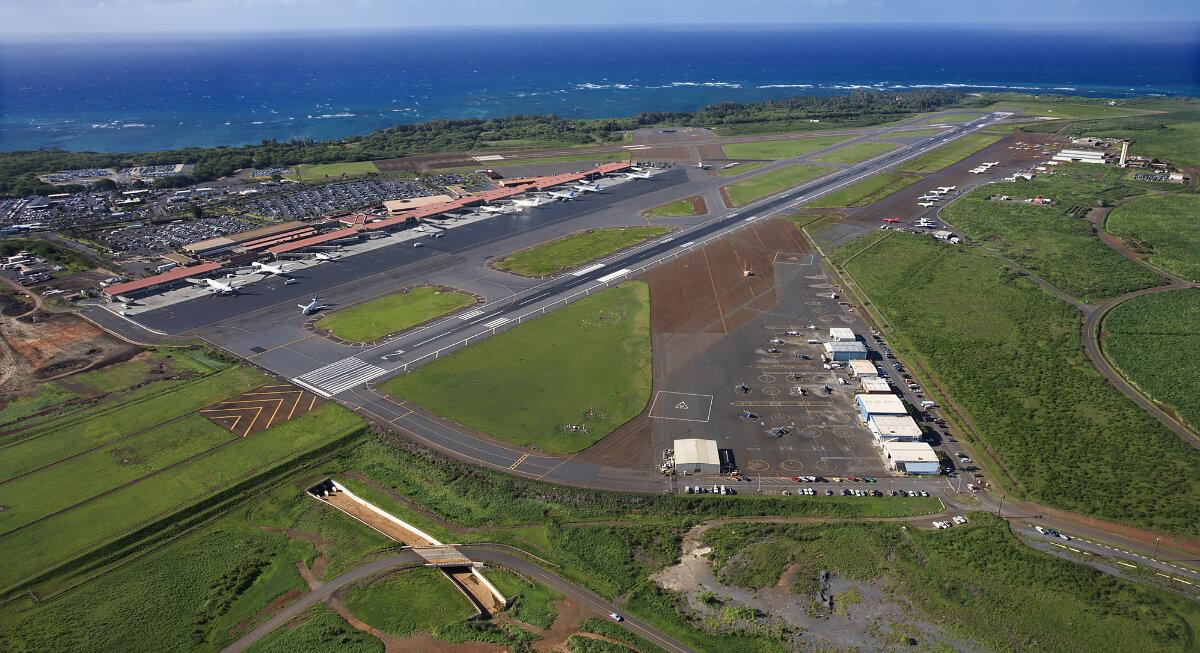
Itineraries become risky near the end because travelers schedule interisland flights too close to mainland departures. Hawaii’s geography leaves little room for improvisation when travel disruptions occur. A final buffer day before flying home creates valuable flexibility. Spending the last night near the departure airport can also reduce stress during the final stretch of the vacation. The extra day may help accommodate delayed ferries, rescheduled flights, or activities missed earlier due to unexpected weather changes.