10 Places So Haunted Local Governments Tried to Shut Them Down
Stories about haunted places usually begin as rumors, but some become so persistent that officials intervene. In these cases, governments restricted access or shut things down entirely after enough reports accumulated from workers or local residents themselves. The common thread is history mixed with risk, followed by a public reaction that officials couldn’t ignore.
North Brother Island

Credit: Wikimedia Commons
North Brother Island, just east of the Bronx, once served as New York City’s primary quarantine zone. Riverside Hospital treated patients with tuberculosis, typhoid, and smallpox during the late 1800s and early 1900s. Survivors of the 1904 General Slocum disaster were brought here after more than 1,000 people died. The island later became a rehab facility before closing in the 1960s.
Poveglia Island

Credit: Wikimedia Commons
Between Venice and Lido lies Poveglia Island, an island shaped by centuries of disease control. During plague outbreaks, thousands were isolated there, and many died on the premises. A psychiatric hospital operated briefly in the 20th century before shutting down. Italy prohibits visitors due to unsafe structures and erosion, though long-standing stories of screams heard across the water continue to circulate.
Bhangarh Fort
Credit: Wikimedia Commons
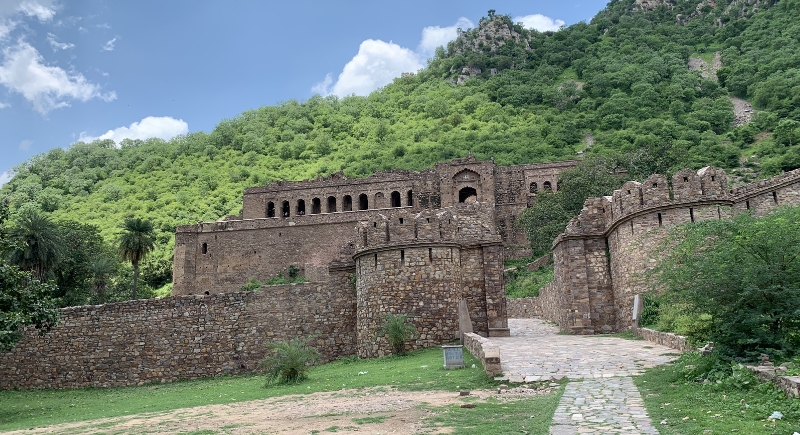
Few historical sites in India face rules as strict as those at Bhangarh Fort. Built in the 1600s, the fort was abandoned relatively soon after its construction. The Archaeological Survey of India enforces a sunset-to-sunrise ban, officially citing safety concerns tied to wildlife and unstable ruins. Local legends about voices and apparitions helped turn the rule into national folklore.
Hashima Island

Credit: Wikimedia Commons
Hashima Island, once one of the most densely populated places on Earth, was home to thousands of coal miners and their families. When Japan’s coal industry collapsed, residents left almost immediately. The concrete buildings began to deteriorate from constant exposure to wind and saltwater. Only limited guided tours are permitted today, with most areas sealed off due to a collapse risk.
Catacombs of Paris
Credit: Wikimedia Commons
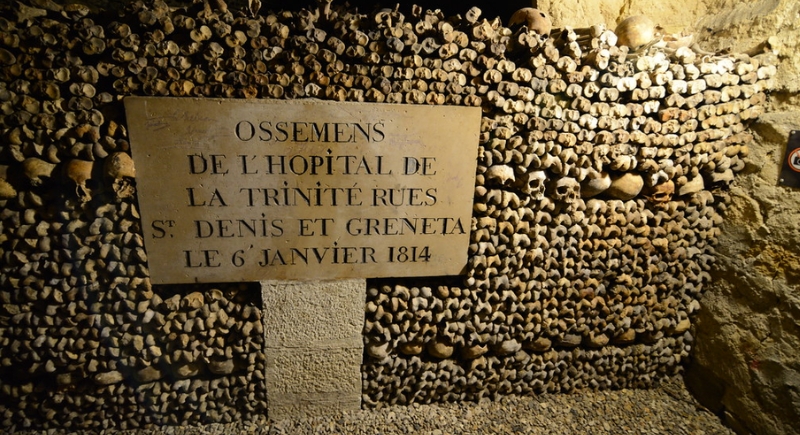
The Catacombs of Paris was created in the late 1700s to manage overflowing cemeteries. Roughly six million sets of remains were relocated underground. Visitors may enter a small section measuring approximately 1.7 miles, while the rest is off-limits. Authorities tightened enforcement after explorers became lost in restricted tunnels.
Hoia Baciu Forest
Credit: Wikimedia Commons
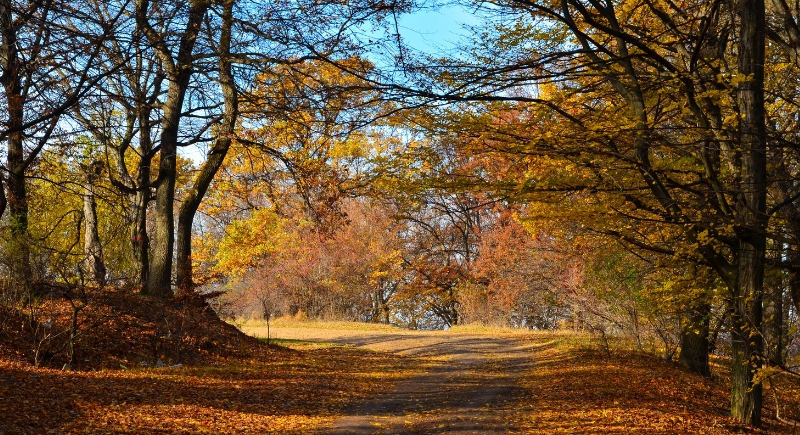
In the mid-20th century, after reports of missing livestock and strange lights on the outskirts of Cluj-Napoca, Hoia Baciu Forest gained attention. Military patrols later described unexplained encounters during night routes. While scientific studies have found unusual tree growth patterns, no confirmed hazards have been identified. Officials discourage entry into remote sections due to poor visibility and the risk of disorientation.
Aokigahara Forest

Credit: Wikimedia Commons
Aokigahara Forest is renowned for its dense canopy and uneven volcanic terrain, spanning approximately 13.5 square miles near Mount Fuji. Sound travels poorly, which makes navigation difficult even during daylight. Authorities have installed warning signs and restricted access to some trails to prevent hikers from becoming lost. Ranger reports of unexplained footsteps added to the forest’s reputation.
Humberstone

Credit: Wikimedia Commons
In northern Chile’s desert region, Humberstone was abandoned after the nitrate industry collapsed in the early 1900s. Empty buildings often attracted trespassers, which resulted in injuries and vandalism. Officials repeatedly shut down night access. Today, entry is limited to controlled daytime visits under UNESCO protection.
La Noria
Credit: Facebook
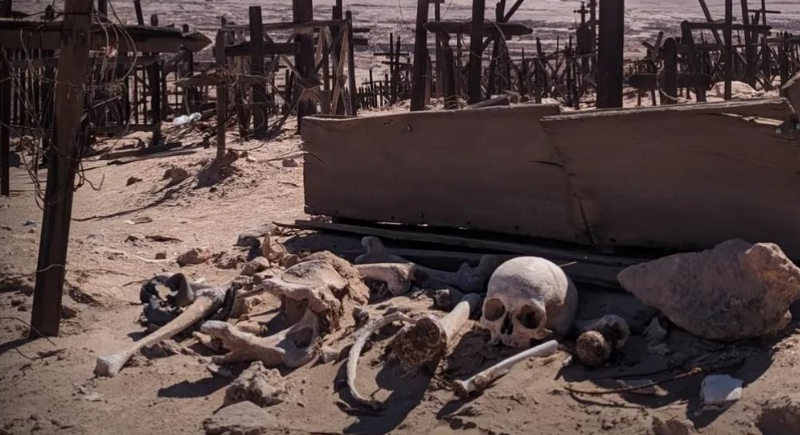
La Noria predates Humberstone and was deserted even earlier. Harsh desert conditions accelerated decay. Police patrols reported unexplained movement while securing the area. Authorities restrict access primarily due to unstable structures and isolation.
Waverly Hills Sanatorium
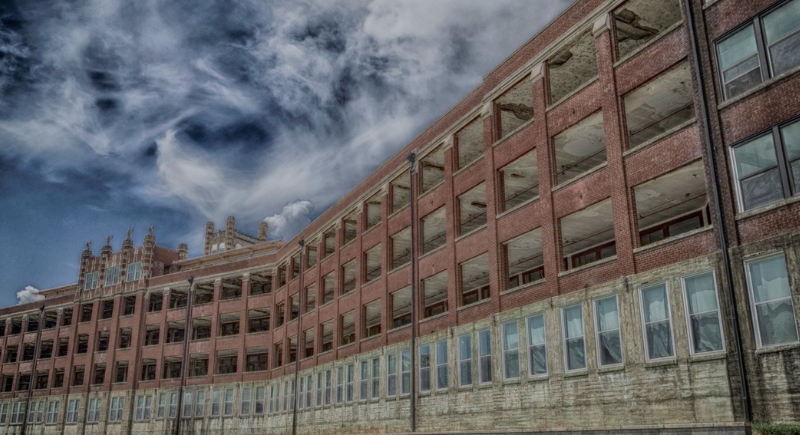
Credit: Wikimedia Commons
High above Louisville stands Waverly Hills Sanatorium, a former tuberculosis hospital active during the early 20th century. Thousands died before antibiotics became common. After closing in 1961, redevelopment efforts failed due to safety violations. The city restricted access multiple times. Today, tours operate under strict controls.