10 Ways to Keep the Whole Family Smiling on a Group Getaway
Planning a group getaway with extended family is not easy because everyone brings their own routines, preferences, and ideas for what the trip should look like. For this reason, these trips require more coordination than a typical vacation since every decision affects multiple people at once.
So, if you want to make sure that there is no friction between the vacationers, it is up to you to ensure upfront communication and practical choices. And while a well-organized trip does not eliminate every challenge, it helps you create an itinerary that keeps each person engaged, comfortable, and focused on spending meaningful time together.
Start Preparing Early

Credit: Getty Images
Travel planning for an entire party should typically begin several months in advance, especially when considering availability across generations. Early preparation gives you room to access better accommodation options and get your preferred activity slots. It also gives families time to align expectations and schedules. Otherwise, last-minute decisions can create confusion and limit choices.
Appoint a Lead Preparer

Credit: Getty Images
You may have heard the saying “too many cooks spoil the broth,” and it fits trip organizing perfectly. A single decision-maker keeps things moving without endless back-and-forth. This person can listen to ideas, then make final calls without revisiting every detail. Large groups tend to slow down when everyone wants equal control.
Print Important Documents
Credit: Canva
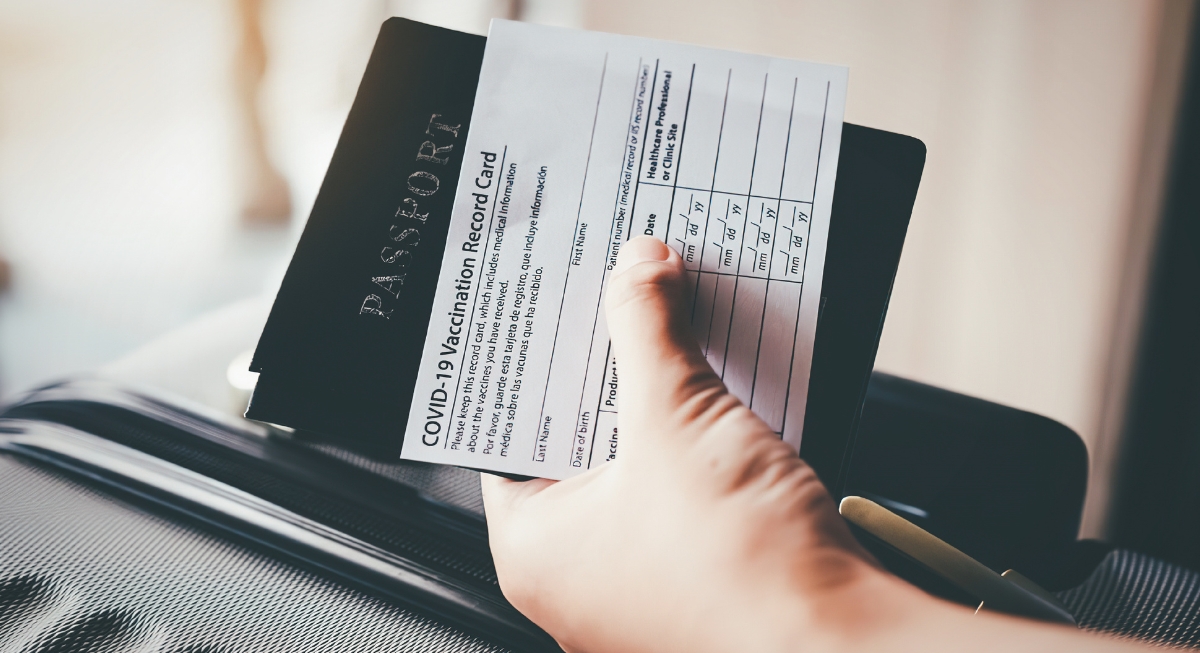
Digital travel tools have become common, but they still depend on stable internet and charged devices. On the other hand, printed copies of tickets, reservations, and identification provide reliable backups during travel. This can also support your older family members who prefer simple access to information.
Allow Flexible Travel Arrangements
Credit: Getty Images
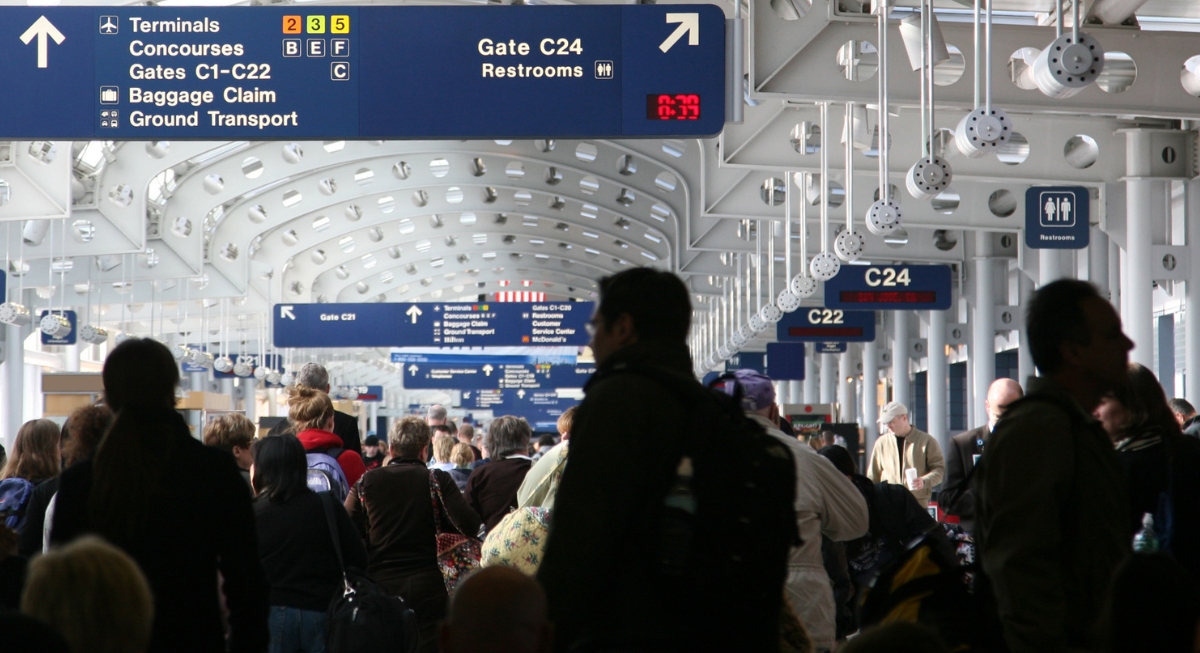
Smaller groups tend to move through airports and transfers more quickly. In addition, people can choose times that suit them. On the other hand, trying to coordinate several households often leads to slow progress, missed connections, and unnecessary stress.
Set Budget Expectations

Credit: Getty Images
If you do not want your loved ones to argue on vacation or suffer financial strain afterwards, set clear expectations around money before the trip begins. Discuss how shared expenses will be handled so no one feels confused or uncomfortable later. Many families rotate payments or split costs evenly to keep things straightforward.
Choose a Practical Destination

Credit: Canva
Believe it or not, the location plays an important role in how easily the whole family can move and stay connected. Destinations that require constant transportation or long distances between activities can lead to fatigue. For this reason, many families prefer contained environments, such as resorts or islands, because they make management easier.
Prioritize Relaxed Accommodations

Credit: Getty Images
A lack of space can quickly create tension during a multi-generational trip, especially when several people share the same living areas for days. Limited bedrooms or bathrooms lead to crowding and disrupted routines. Eventually, you and your family members will struggle to rest properly and may feel overwhelmed. That’s why it’s important to be generous when it comes to accommodation.
Limit Daily Activities
Credit: Getty Images
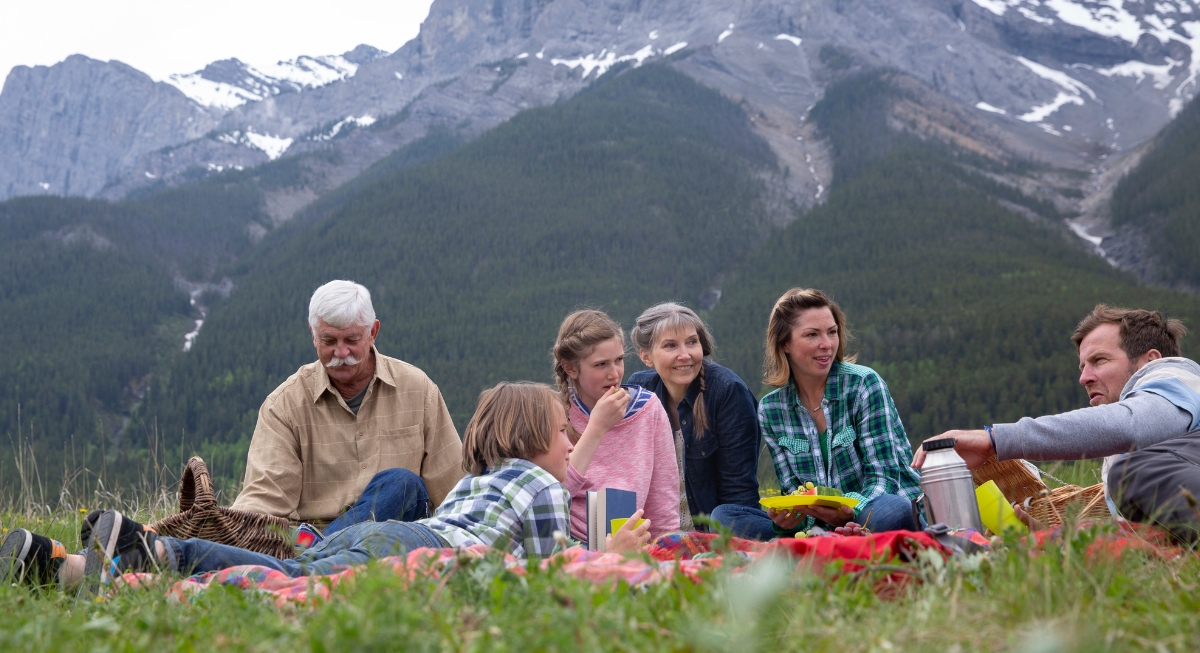
Research on travel experiences shows that overloaded schedules reduce enjoyment, especially for individuals of different ages. Mapping out one main activity per day gives all members the opportunity to participate without feeling rushed.
Encourage Smaller Group Time

Credit: Getty Images
Breaking into smaller gatherings at certain points during the trip paves the way for more natural interaction. Adults, teenagers, and children typically have different interests and energy levels, so compact settings can make it easier to connect and enjoy specific activities.
Build in Rest Periods

Credit: Canva
Rest plays an important role in maintaining a positive atmosphere. Travel involves physical movement, schedule changes, and social interaction that can become tiring over time. Scheduled downtime allows people to recharge without feeling pressured to participate constantly. Groups that include regular rest periods experience fewer conflicts and maintain better overall energy throughout the trip.