Skip the Crowds in Mykonos and Santorini for These Greek Mainland Gems
Mykonos and Santorini are famous for a reason, but they are not the only way to experience Greece. If crowds and inflated prices are not your thing, the mainland offers a very different rhythm. Travel feels easier, distances are shorter than most people expect, and places still run on local routines rather than tourist schedules. You get real towns, open landscapes, and meals meant for everyday life. These mainland destinations keep the beauty of Greece without the crush of cliffside crowds.
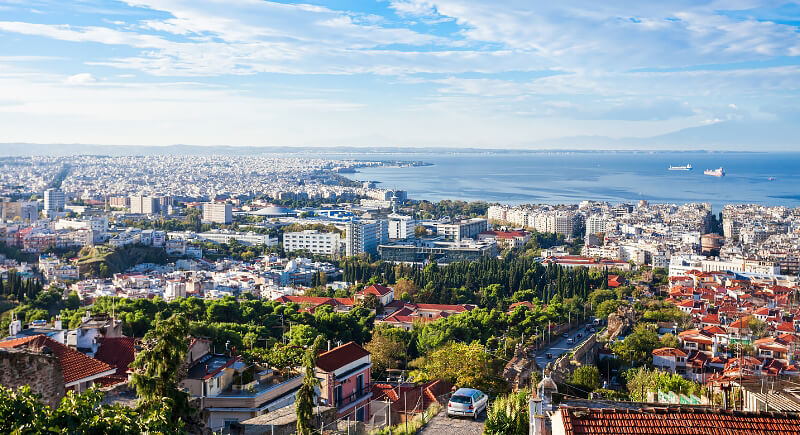
Thessaloniki
Credit: Canva
Thessaloniki runs on everyday routines. People stroll along the waterfront of the Thermaic Gulf, meet friends for long meals, and treat history as part of the scenery. You pass Roman and Byzantine sites like the Rotunda on the way to dinner. It is known for serious food, a relaxed pace, and a cultural scene that feels current rather than curated.
Meteora
Credit: Getty Images
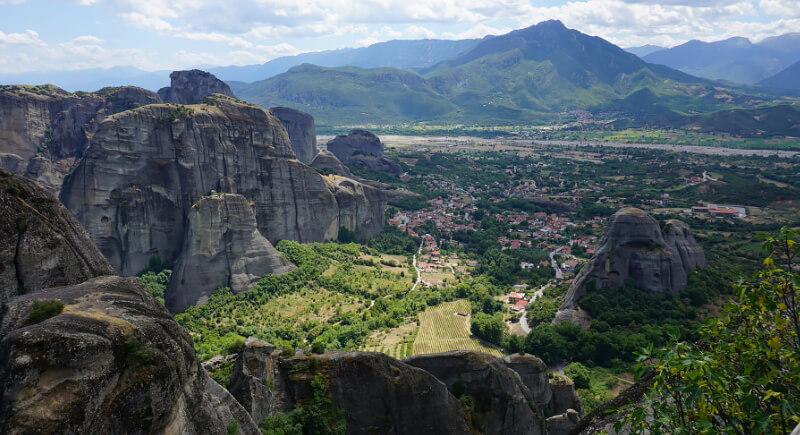
Towering rock pillars in central Thessaly hold monasteries dating from the 14th to the 16th centuries. The site was added to the UNESCO World Heritage List in 1988, and the setting still feels unreal in person. Stone steps lead to sweeping views that change with the light and season.
Halkidiki
Credit: Getty Images
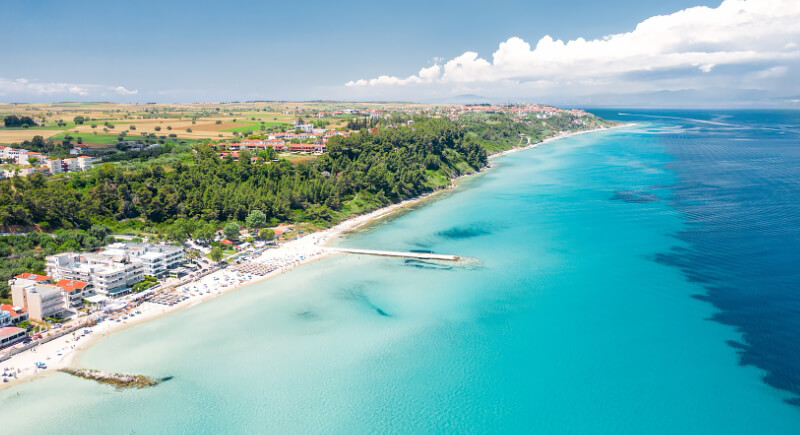
Three peninsulas stretch into clear northern waters, each with a different personality. Kassandra feels lively, Sithonia leans quieter, and Athos remains closed, mainly to casual tourism. Beaches here regularly rank among Greece’s best, with pale sand and shallow water. From Thessaloniki, the drive takes about 2 hours, making day trips easy and prices reasonable.
Sithonia
Credit: Canva
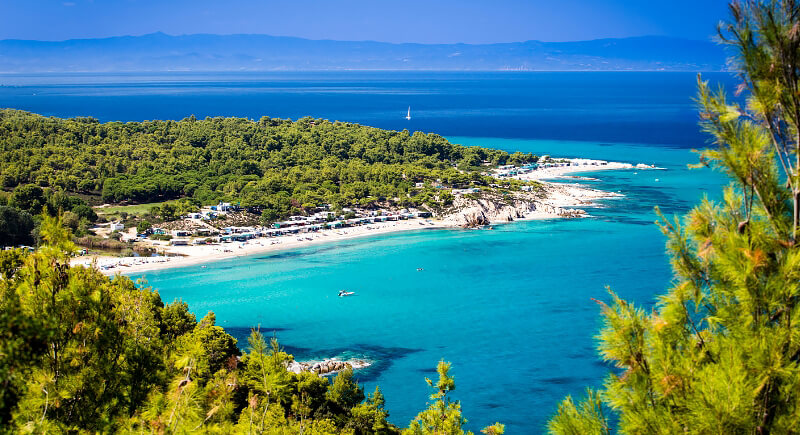
This middle peninsula draws travelers who want space between towels and fewer beach clubs. Areas around Vourvourou are renowned for their calm coves and crystal-clear waters. Karydi and Fava Beach stand out for their vibrant colors and accessibility. Food options skew casual, with places like Anchor Foodbar serving brunch dishes that mix local ingredients with modern ideas.
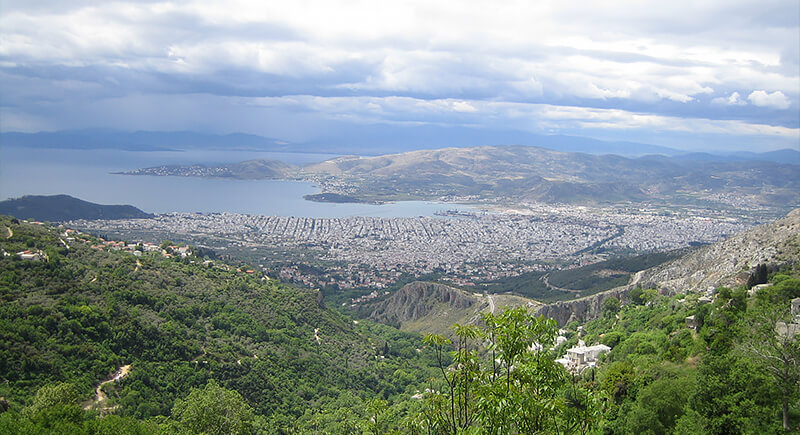
Pelion
Credit: Wikimedia Commons
Midway between Athens and Thessaloniki, this peninsula blends mountain villages with Aegean views. Chestnut forests cover the hills, and mythology ties the area to Jason and the centaur Chiron. Milies offers stone houses, quiet streets, and the historic Moutzouris steam train, which still runs along a narrow track through the countryside.
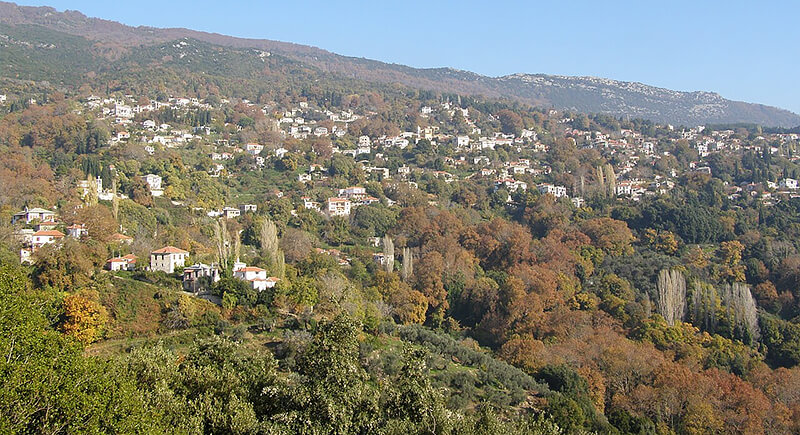
Milies
Credit: Wikimedia Commons
This village feels paused in time, with cobbled paths and restored mansions. The local train station doubles as a café, and the surrounding slopes make walking part of the experience. Its position on Mount Pelion keeps summer temperatures lower than coastal hotspots.
Zagori

Credit: iStockphoto
High in the Pindus Mountains, this region includes 46 villages known as the Zagorohoria. Traditional stone architecture ties them together, and distances between villages stay short. Roads wind through forests and valleys that feel far removed from island crowds.
Vikos Gorge
Credit: Canva
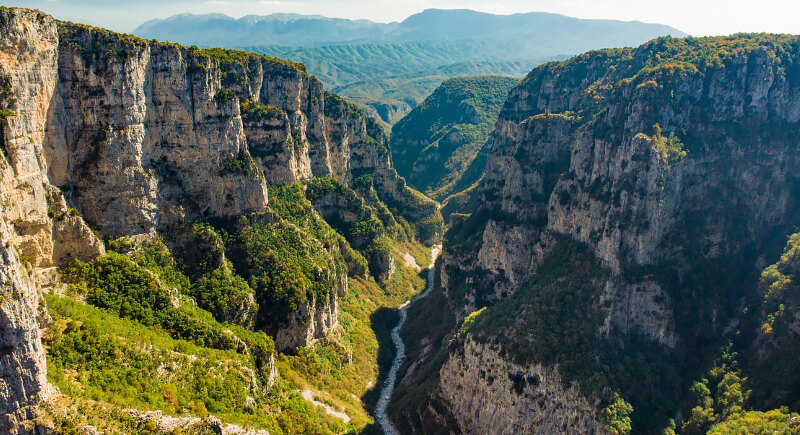
Located in the Zagori region, Vikos Gorge ranks among the deepest in the world, measured by its depth-to-width ratio. Viewpoints along the rim show sheer drops and changing rock color. Trails into the gorge attract hikers during warmer months, while spring brings strong river flow.
Papingo Rock Pools
Credit: Canva
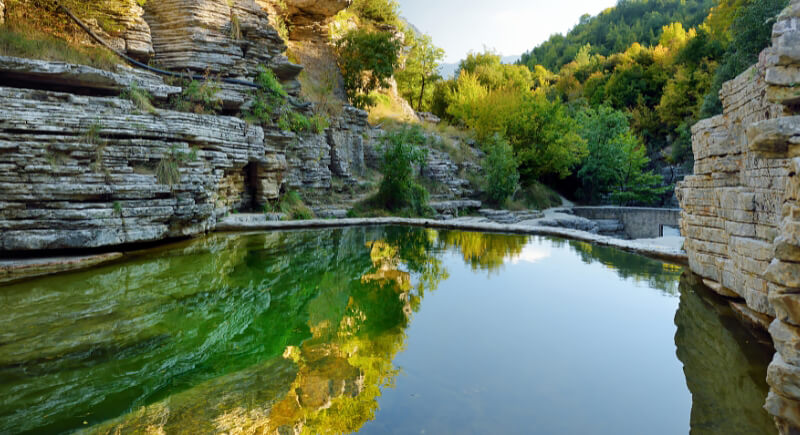
Natural pools near the village of Papingo are filled with cold, clear water from nearby mountain streams. Smooth stone shapes create swimming spots during warmer seasons. The area works well as a base for short hikes and slow afternoons.
Athens
Credit: Getty Images
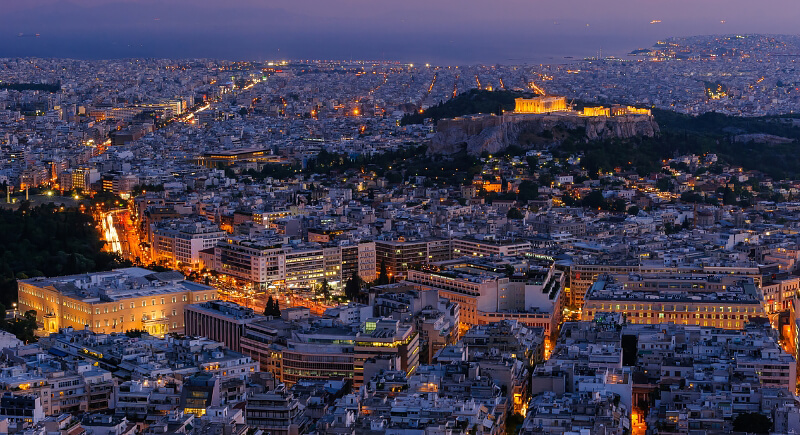
Athens works best when you treat it as a lived-in city, not an open-air museum. The Acropolis and Theatre of Dionysus shape the skyline, but daily life plays out in neighborhoods like Exarchia, Kypseli, and Petralona. Rooftop bars frame the Parthenon after dark, the metro keeps movement easy, and visiting outside summer means fewer lines and calmer streets.