The Greatest Archaeological Discoveries Ever Made
The most important archaeological discoveries didn’t just add objects to museum cases. They changed how we understand entire civilizations. Excavations have revealed how people actually lived, worked, worshipped, and organized their societies, sometimes contradicting what later writers claimed. Even decades after being uncovered, many finds continue to teach us new things.
Rosetta Stone
Credit: Wikimedia Commons
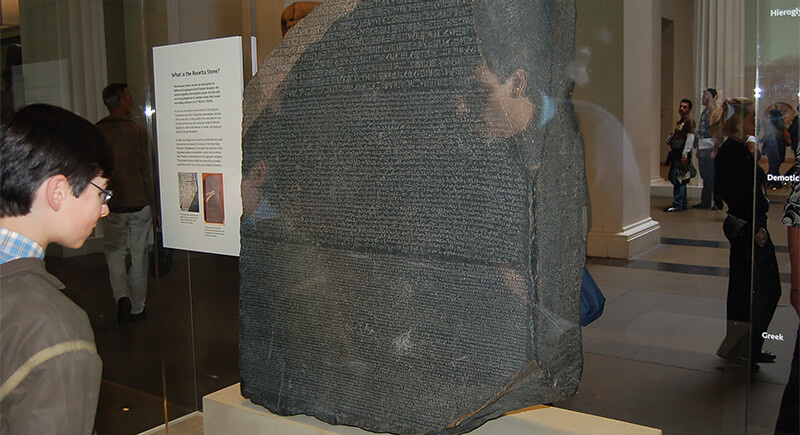
For centuries, Egyptian temple walls and monuments carried written history that no one could read. The Rosetta Stone provided a translation key by displaying one royal decree in three scripts: Greek, Demotic, and hieroglyphic. Scholars used known Greek text to decode Egyptian writing systems, opening access to administrative records, royal decrees, and religious texts across ancient Egyptian civilization.
Terracotta Army
Credit: Wikimedia Commons
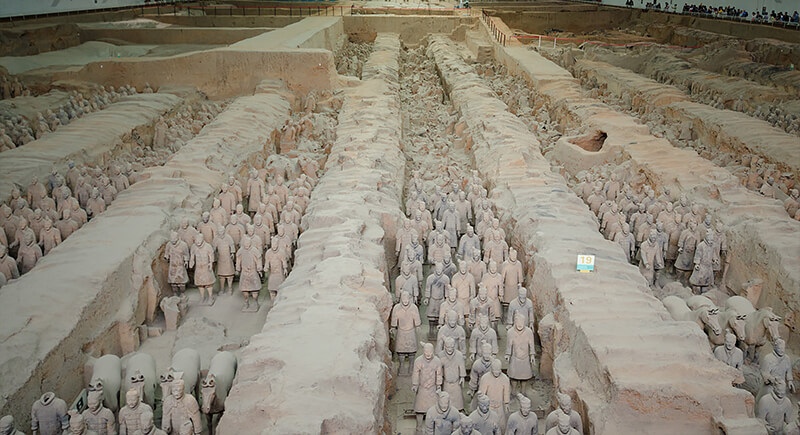
The burial complex built for Emperor Qin Shi Huang reflects early imperial China’s centralized control of labor and resources. Thousands of clay soldiers were crafted using standardized production methods, with details added by hand to represent rank and role. Excavation continues to reveal weapon manufacturing sites and logistical planning systems tied to early state military organization.
Antikythera Mechanism
Credit: Wikimedia Commons
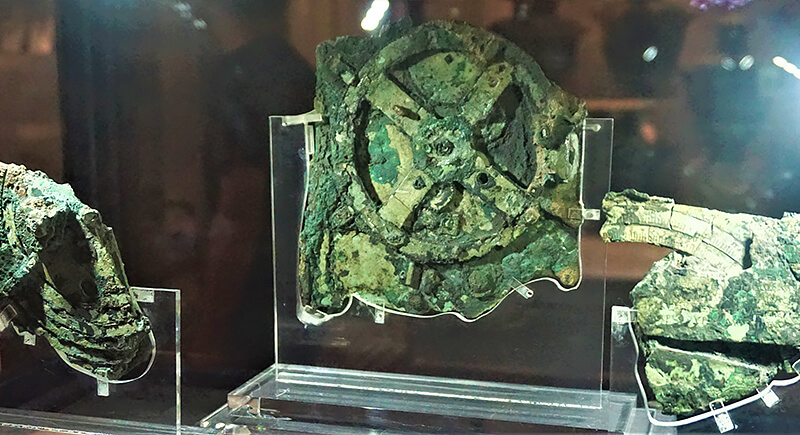
Divers once pulled a corroded bronze object from a Mediterranean shipwreck that turned out to be the Antikythera Mechanism. Inside were delicate interlocking gears built with remarkable precision. Modern scans revealed that it tracked eclipses and major athletic festivals. The device shows that ancient engineers created complex mechanical tools to calculate celestial movement long before modern clockwork existed.
Gobekli Tepe
Credit: Wikimedia Commons
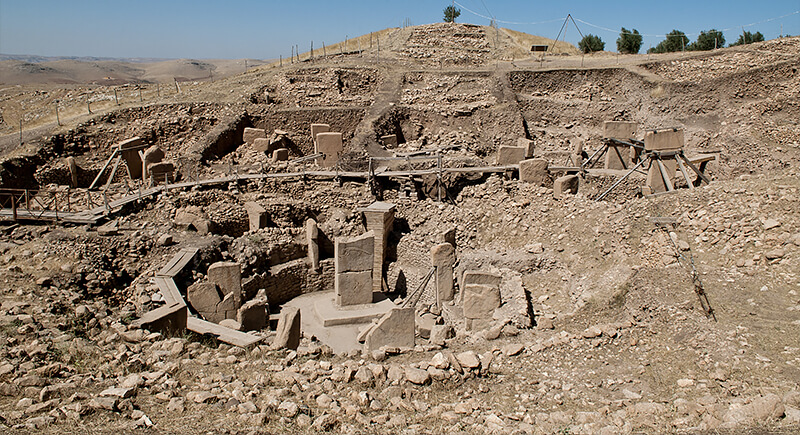
At Göbekli Tepe, massive stone pillars rise from the ground, each carved with detailed animal figures. The site dates back about 11,000 years and would have required serious planning, teamwork, and effort to build and transport the stone. What makes it remarkable is that hunter-gatherer communities, long before large farming settlements formed, gathered here for shared rituals, showing a level of social organization few expected for that era.
Dead Sea Scrolls
Credit: Wikimedia Commons
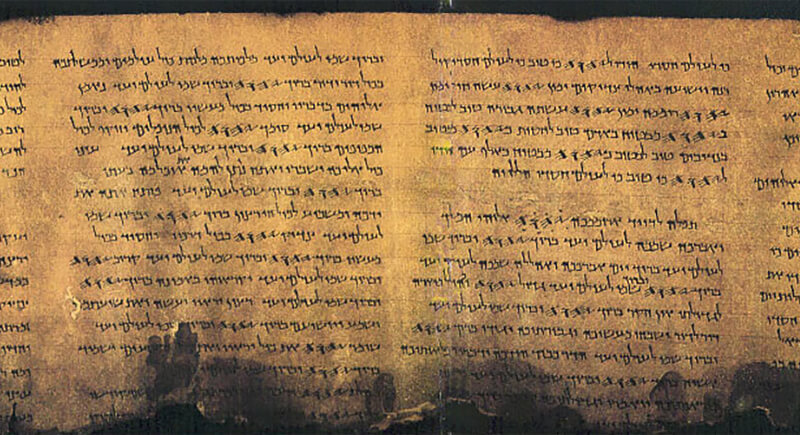
The Dead Sea Scrolls preserve religious writings from multiple Jewish communities living during the Second Temple period. Text variations across scroll copies reveal how religious interpretation and doctrine evolved across centuries. Environmental conditions within sealed desert caves preserved organic writing materials that normally decay quickly in most climates.
Sutton Hoo Ship Burial
Credit: Wikimedia Commons
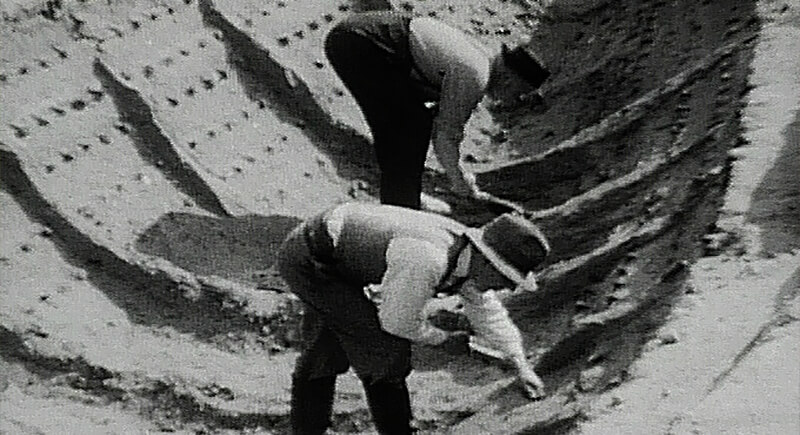
Excavations beneath grassy mounds in Suffolk uncovered the imprint of a full-sized Anglo-Saxon ship used as a royal burial. Inside were imported silverware pieces, gold ornaments, and ceremonial weapons that revealed strong trade links across Europe. Because the acidic soil dissolved the body, archaeologists reconstructed the identity and status of the buried figure through the placement and symbolism of the grave goods.
Tutankhamun Burial Mask
Credit: Wikimedia Commons
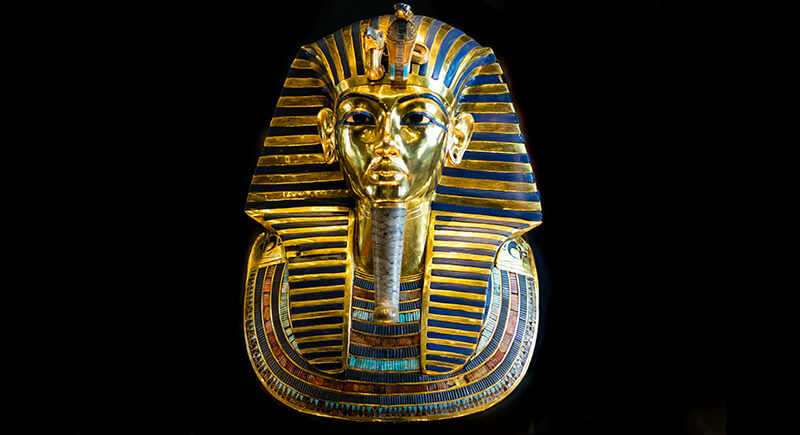
The burial mask discovered in Tutankhamun’s tomb reflects the precision of royal Egyptian metalworking and the long-distance trade networks that supported it. Gold sheets were shaped and inlaid with imported lapis lazuli and colored glass. Evidence suggests parts of the mask may have been adapted from an earlier royal burial item, revealing how burial objects could be reused within royal succession transitions.
Moai Statues
Credit: Wikimedia Commons
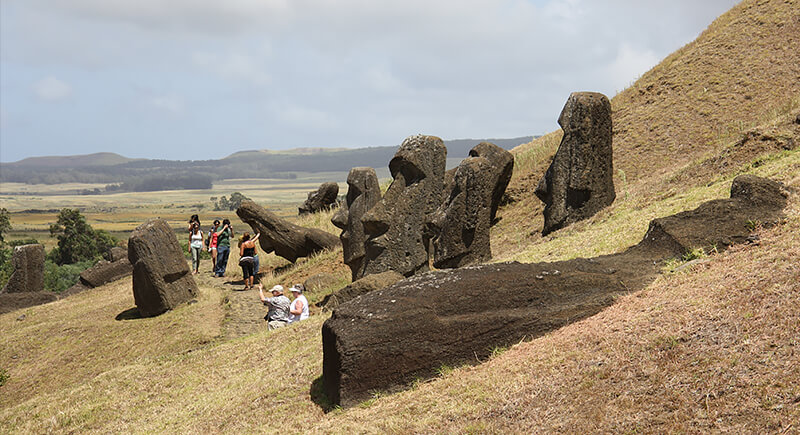
Stone Moai statues carved by Rapa Nui communities required coordinated quarry labor, transport engineering, and ceremonial planning. Many statues were moved several miles from volcanic rock quarries to coastal village platforms. Unfinished statues left at quarry sites show tool marks and carving stages, helping archaeologists reconstruct ancient construction workflows used by island workers.
Staffordshire Hoard
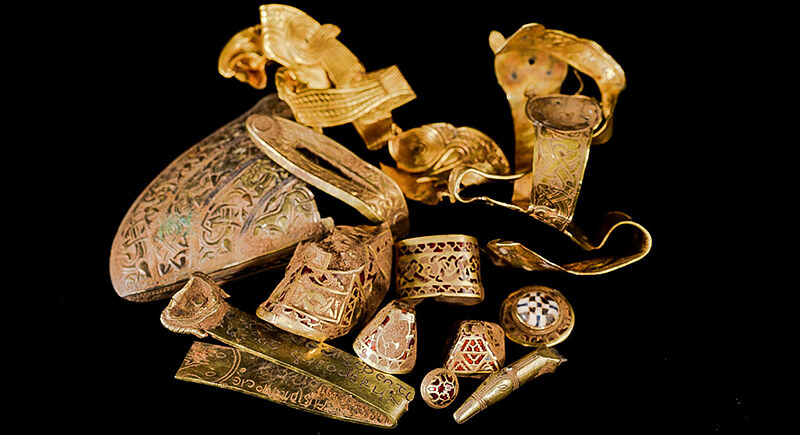
Credit: Wikimedia Commons
Thousands of gold and silver fragments discovered in an English field represent dismantled elite military gear from early medieval England. Many pieces appear deliberately broken before burial. Metallurgical analysis links fragments to high-status helmets and sword fittings. The burial pattern suggests organized conflict activity and political instability tied to regional power struggles.
Great Sphinx Of Giza
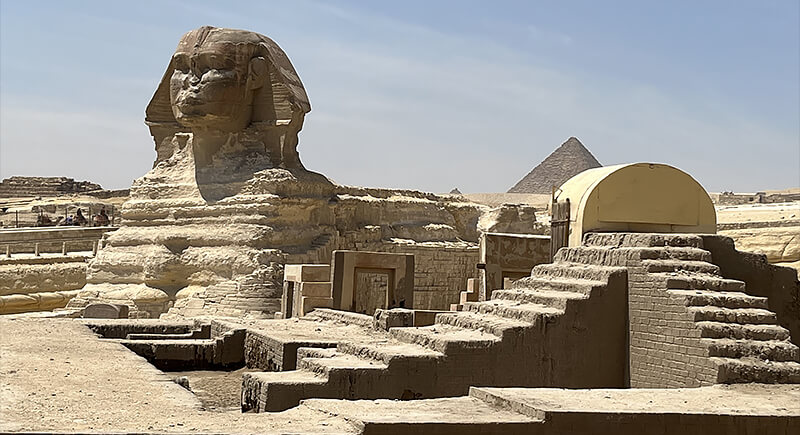
Credit: Wikimedia Commons
Carved directly from limestone bedrock, the Sphinx required removing large volumes of surrounding stone while preserving the core body structure. Erosion patterns reveal centuries of environmental exposure, including wind-driven sand abrasion. Modern preservation work focuses on stabilizing surface stone layers to slow further deterioration while maintaining original structural integrity.