10 Gorgeous European Second Cities You Should Visit
Europe’s second cities have spent centuries building history, food scenes, and neighborhoods worth getting lost in, and they tend to be without the crowds or the chaos of a capital. The prices are usually less shocking, the locals are less jaded, and the sights are just as good. Here are 10 that should earn a place on your travel list.
Porto, Portugal
Credit: Wikimedia Commons
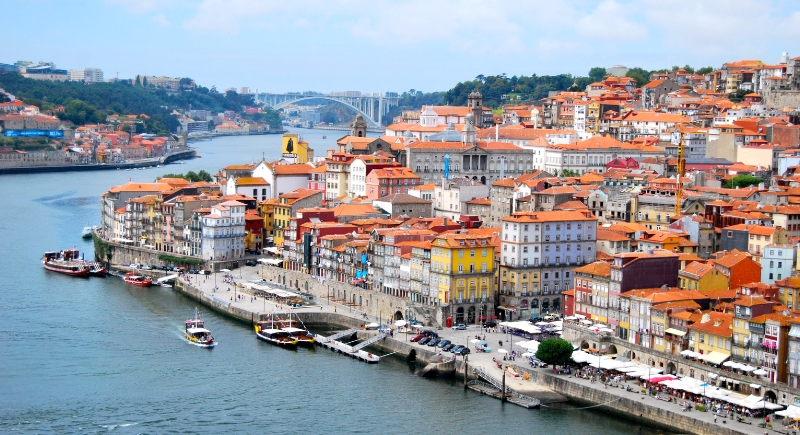
Porto is along the Douro River, where colorful, tile-covered buildings define the historic Ribeira district, a UNESCO World Heritage Site since 1996. The Dom Luís I Bridge, once the longest iron arch span in the world, offers sweeping views from its upper deck, while just across in Vila Nova de Gaia, the city’s famous port wine cellars continue a long tradition of aging and storing the region’s signature wine.
Ghent, Belgium
Credit: pexels
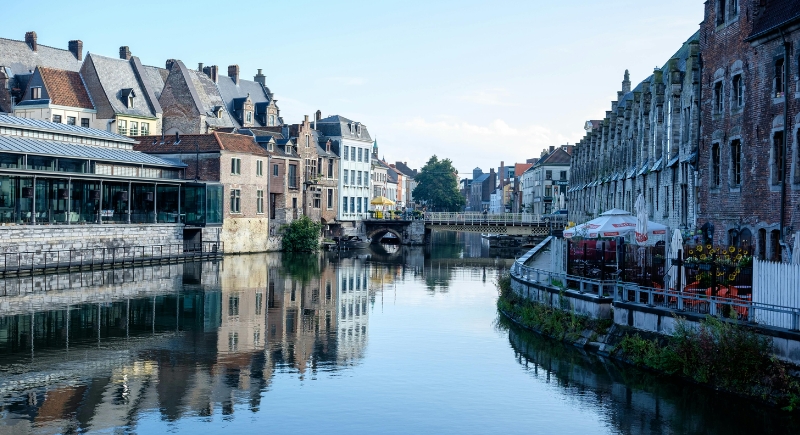
Ghent’s city center is defined by three medieval landmarks within close range: Saint Bavo’s Cathedral, Saint Nicholas’ Church, and the Belfry. The Graslei quay provides a clear view of the historic waterfront, lined with preserved guild houses. Inside Saint Bavo’s Cathedral, visitors can see the Van Eyck brothers’ 1432 altarpiece, The Adoration of the Mystic Lamb.
Split, Croatia
Credit: Wikimedia Commons
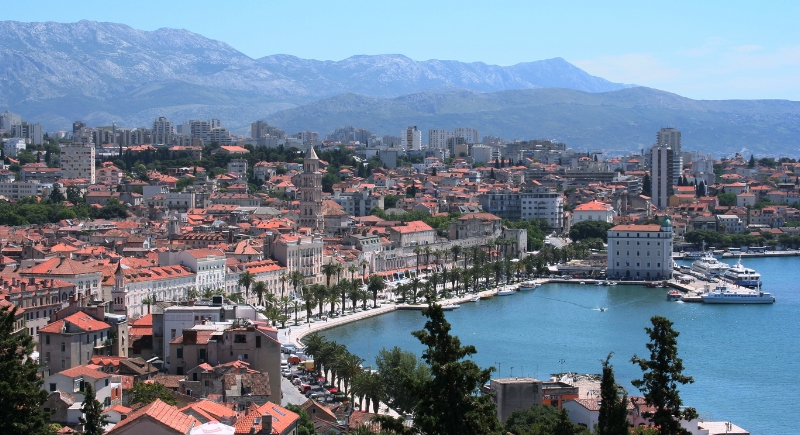
Diocletian built his retirement residence here, and over a century later, UNESCO listed it as a World Heritage Site in 1979. The mausoleum he designed for himself was later converted into the Cathedral of Saint Domnius, widely regarded as one of the oldest cathedral structures. The old town’s narrow lanes open onto a waterfront promenade along the Adriatic, with the sea just steps away. People who love nature will appreciate the nearby Forest Park Marjan.
Thessaloniki, Greece
Credit: Wikimedia Commons
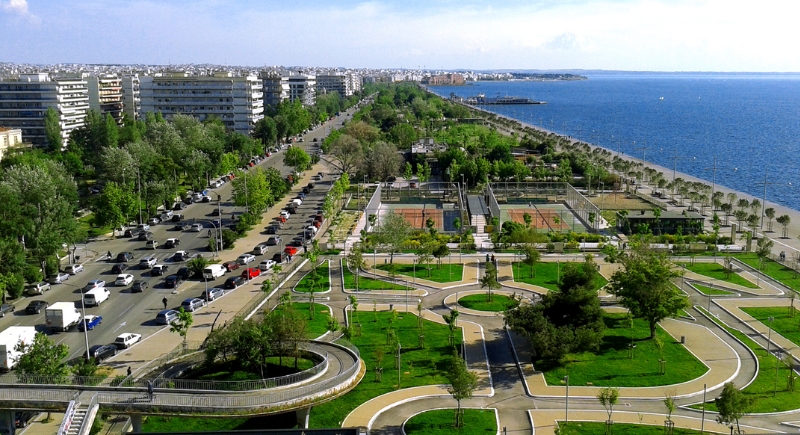
Greece’s second city has a richer history than most places on the continent. The White Tower, Thessaloniki’s most recognizable landmark, spent centuries as an Ottoman prison before being whitewashed and renamed in the 19th century. The Rotunda, a Roman monument built around 306 AD, is just a short walk away. For a longer excursion, visit the cliff-hanging monasteries of Meteora, an UNESCO World Heritage site.
Brno, Czech Republic
Credit: Wikimedia Commons
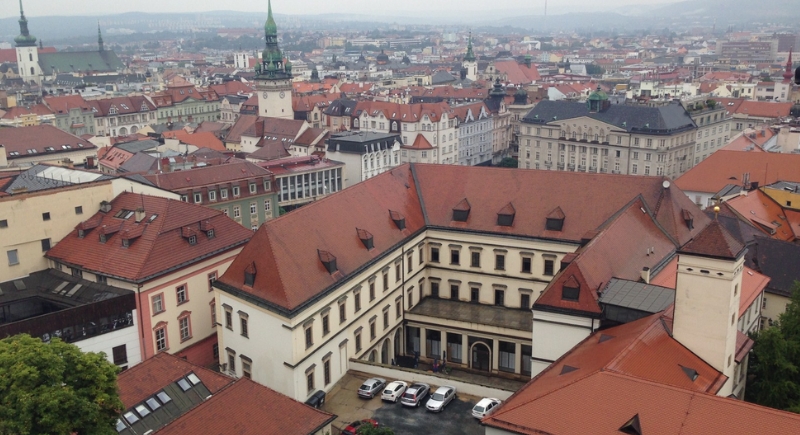
Designers in the Czech Republic visit Brno for the Villa Tugendhat. Ludwig Mies van der Rohe designed the building, which earned a spot on UNESCO’s World Heritage List, in the early 20th century. Decades later, the house still looks ahead of its time. The agreement splitting Czechoslovakia into two republics was signed at the villa.
Cork, Ireland
Credit: Wikimedia Commons
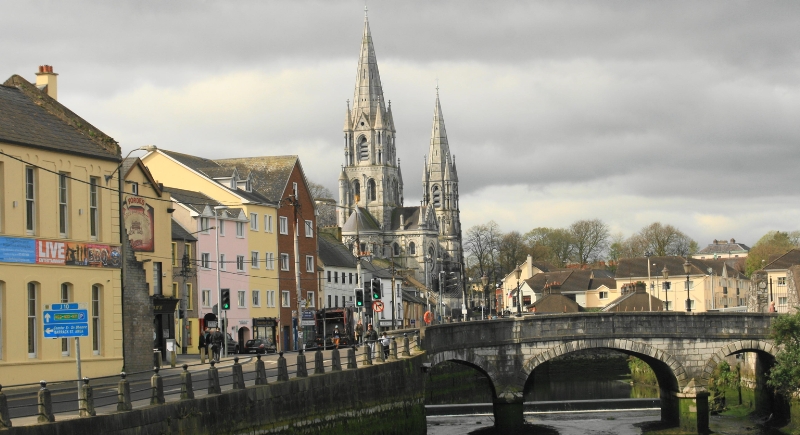
Cork centers around the historic English Market, which has operated on the same site since the 18th century and was visited by Queen Elizabeth II in 2011. The city also serves as a base for exploring Ireland’s southern coastline. It is closely linked to mathematician George Boole of Queen’s College Cork, whose work on Boolean algebra underpins modern computing.
Bergen, Norway
Credit: pexels
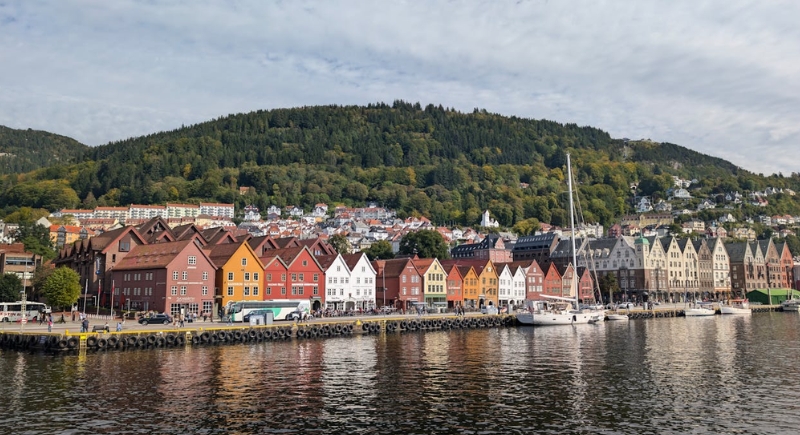
Bergen is located between two of Norway’s largest fjords, the Hardangerfjord to the south and the Sognefjord to the north. That position makes it one of the best-located cities in Europe for anyone chasing epic scenery. In the city itself, Bryggen, the Hanseatic Wharf, has been on UNESCO’s World Heritage list since 1979. The fish market at the harbor is the right place to eat before heading out to the fjords.
Graz, Austria
Credit: Wikimedia Commons
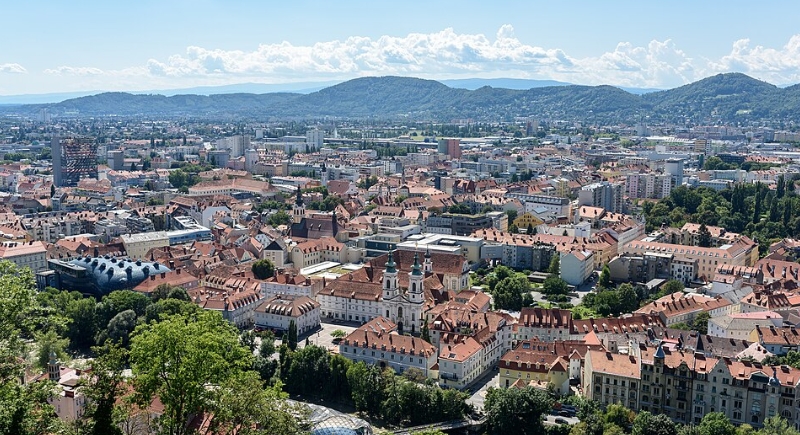
What makes Graz worth visiting is the Schlossberg, the forested hill that rises right in the city center with a 13th-century clock tower at the top. Interestingly, the clock tower’s hands are deliberately reversed, with the hour hand larger than the minute hand. The old town’s more than 1,000 buildings span Gothic, Renaissance, and Baroque architecture within easy walking distance of each other.
Lyon, France
Credit: Wikimedia Commons
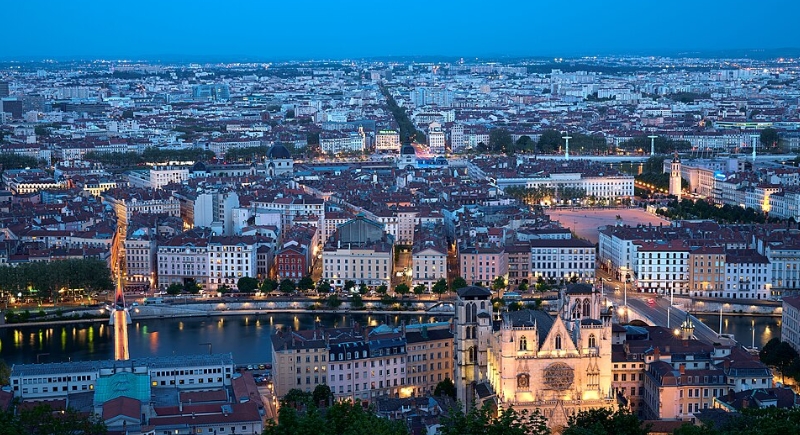
Lyon’s food culture is rooted in the bouchon tradition, which began as small inns serving silk workers and still defines the city’s casual dining scene today. Vieux-Lyon forms one of Europe’s largest Renaissance districts, known for its preserved streets and passageways. Each December, the Fête des Lumières transforms the city with large-scale light displays that attract millions of visitors.
Hamburg, Germany
Credit: Wikimedia Commons
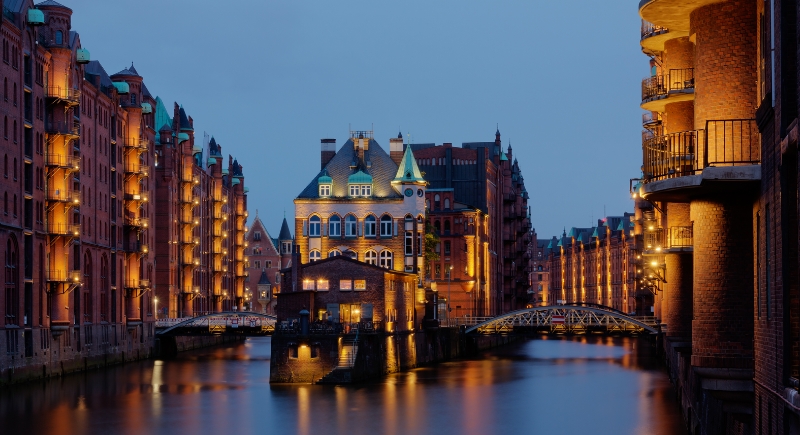
Every Sunday morning since 1703, Hamburg’s most traditional market has been trading in almost everything. The St. Pauli Fischmarkt opens at 5 a.m. in summer and pulls in tens of thousands of visitors. A short distance away, the Elbphilharmonie, a concert hall and landmark, opened in January 2017 after a final cost of around $1 billion. Anyone who fancies dated architectural feats can visit Speicherstadt, the red-brick warehouse complex along the waterfront.