10 Key Projections for the Massive Surge in Global Air Travel by 2050
Air travel demand is heading into a long stretch of steady expansion, and the numbers point to a world where flying is far more common than it already is. Forecasts tied to economic growth, population trends, and network expansion all point in the same direction, even as growth rates slow compared to earlier decades. Here is how that shift is expected to play out by 2050.
Sky Traffic Set To Double
Credit: Getty Images
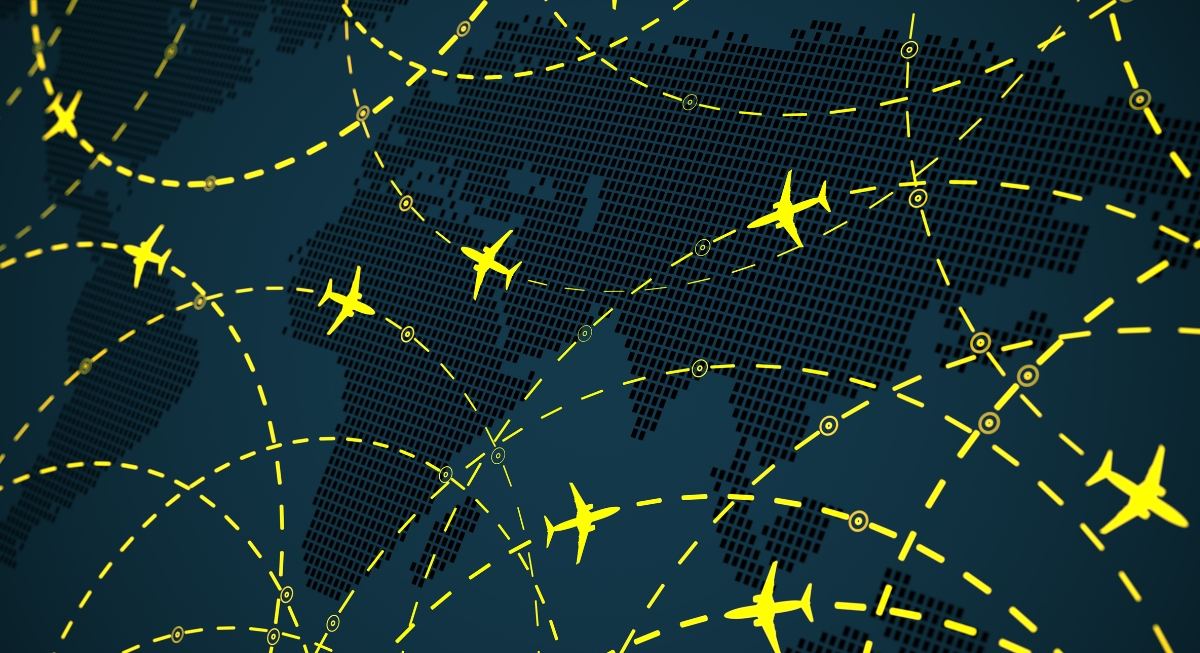
Global air travel demand is expected to more than double, and that scale changes everything. Forecasts place total demand at 20.8 trillion revenue passenger kilometers, up from 9 trillion in 2024. Even conservative models still hit 19.5 trillion RPKs. This would naturally result in packed airports and denser networks.
A Slow But Constant Expansion

Credit: Getty Images
Even with a calmer pace, aviation continues to expand year after year. The central forecast shows a 3.1% CAGR from 2024 to 2050, while higher scenarios reach 3.3% and lower ones stay near 2.9%. That consistency matters because it shows long-term demand climbing steadily.
The Pandemic Left A Permanent Mark

Credit: Getty Images
The COVID-19 pandemic created a structural break in global aviation demand trends. IATA projections show demand not returning to the pre-pandemic GDP-aligned path even by 2050. The collapse in passenger traffic during the pandemic introduced a lasting gap in the long-term demand curve. The shift distinguishes this crisis from earlier aviation disruptions.
Money Still Drives Who Flies

Credit: Canva
Air travel demand closely tracks GDP per capita adjusted for purchasing power, meaning rising incomes directly translate into more passengers. As countries grow wealthier, more people gain access to flying. This keeps aviation closely tied to global economic forecasts and long-term income growth worldwide.
The Asia-Pacific Boom

Credit: Getty Images
Asia-Pacific is projected to be the fastest-growing aviation region with a 3.8% CAGR through 2050. Rising incomes across parts of Asia support steady increases in passenger demand. Boeing also forecasts strong traffic growth in South Asia at about 7.4% annually. Southeast Asia follows close behind with projected passenger traffic growth of 7.2%.
Africa’s Rapid Rise
Credit: iStockphoto
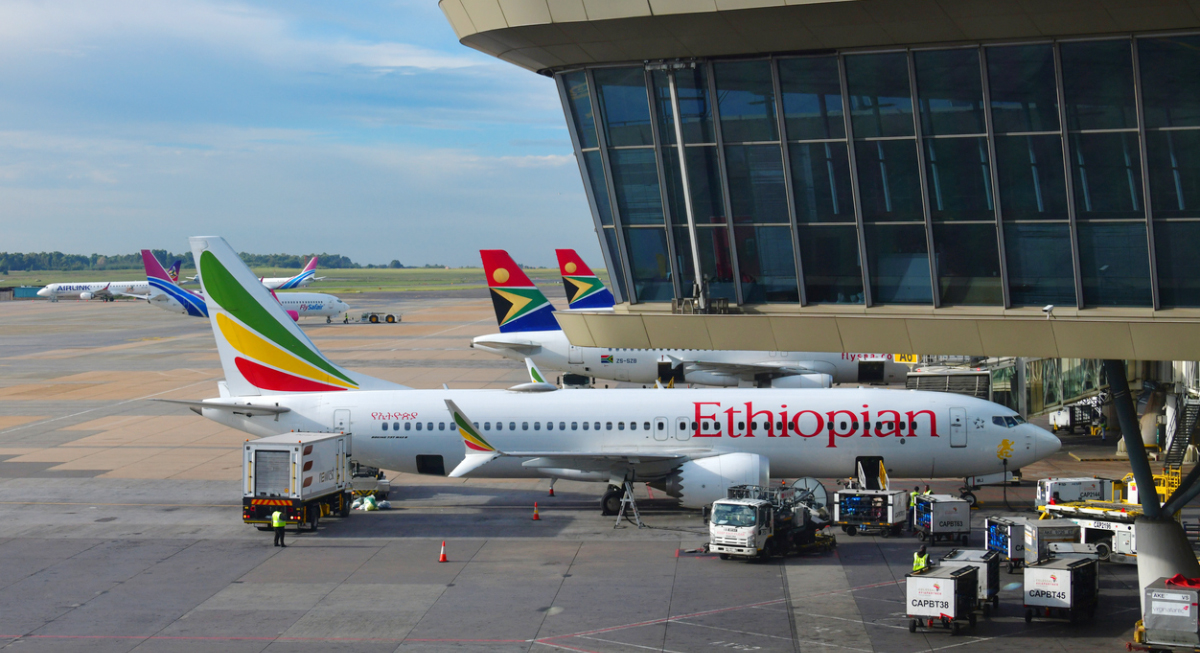
As for Africa, it ranks among the fastest-expanding aviation regions with projected demand growth of around 3.6% annually through 2050. The fastest-growing route market globally is intra-Africa travel with a 4.9% CAGR. Growing urban populations and increasing economic activity support that expansion. Africa-Asia Pacific routes are projected to grow about 4.5%.
China Quietly Reshapes Global Demand

Credit: pexels
China’s aviation expansion is one of the biggest forces behind future growth. The country’s commercial aircraft fleet is expected to more than double by 2043, supporting both domestic and international travel. The scale pushes global traffic higher while also strengthening regional networks across Asia.
Europe And US Growth Cools Down
Credit: iStockphoto
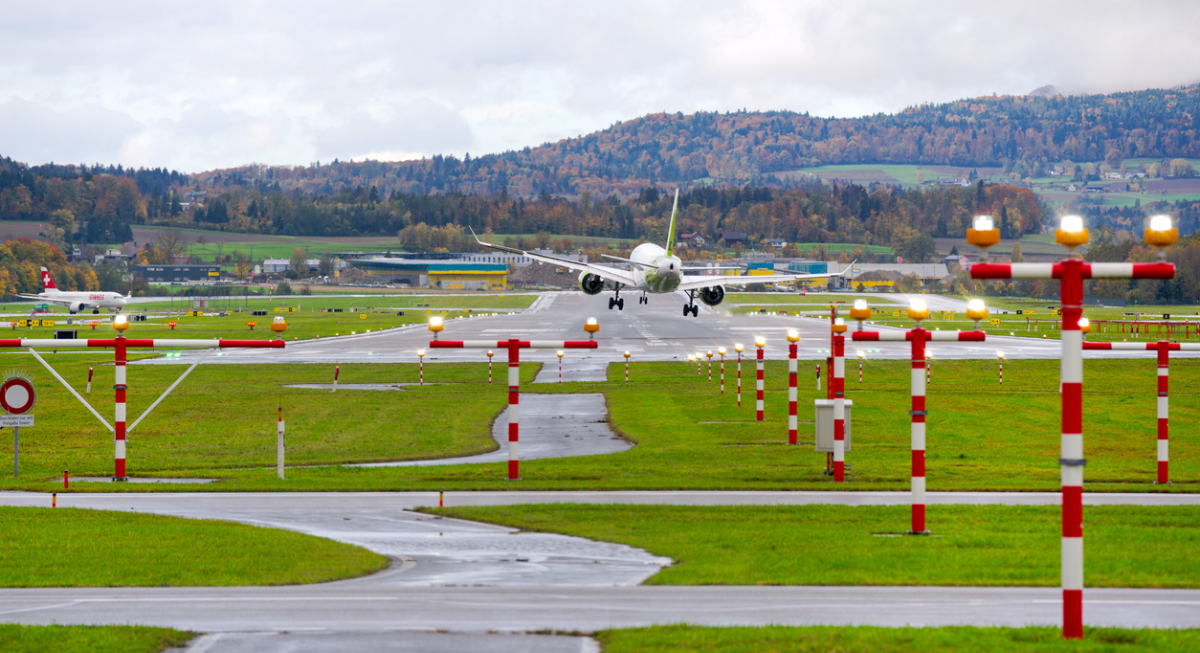
Not every region is racing forward at the same pace, though. Europe is projected to grow at about 2.5%, while North America is projected to grow at 2.8%. These slower rates reflect mature markets with stable populations and already-developed infrastructure. The growth comes from efficiency and optimization.
Growth Lags, But Volume Explodes

Credit: Canva
A slower growth rate doesn’t mean less travel; it just means a more mature market. Historical growth dropped from 6.1% between 1972 and 1998 to 4.5% by 2024, and is now projected at around 3.1%. Even so, passenger numbers keep rising sharply, which means more flights overall, even if the pace feels less aggressive than before.
Economic Ripple Effect

Credit: Canva
Rising air travel supports job creation and broader economic activity worldwide. Increased connectivity, in turn, strengthens trade and tourism flows across regions. Moreover, aviation growth feeds into national economies through infrastructure and service industries. The good news is that this expansion creates opportunities that extend far beyond the airport.