From Roaring Twenties Icons to Retro Motor Inns, Vancouver is Having a Major Hotel Moment
Vancouver’s hotel scene is shifting in noticeable ways. Restored 1920s landmarks, updated roadside motels, and new builds are all part of the mix. Strong demand and rising room rates are pushing development forward, while older properties are being renovated or reworked for new uses.
For travelers, this means more choice. Historic hotels, boutique stays, and refreshed motor inns now sit side by side, each offering a different kind of experience depending on what you’re looking for.
Vancouver’s Hotel Market Is Leading National Performance
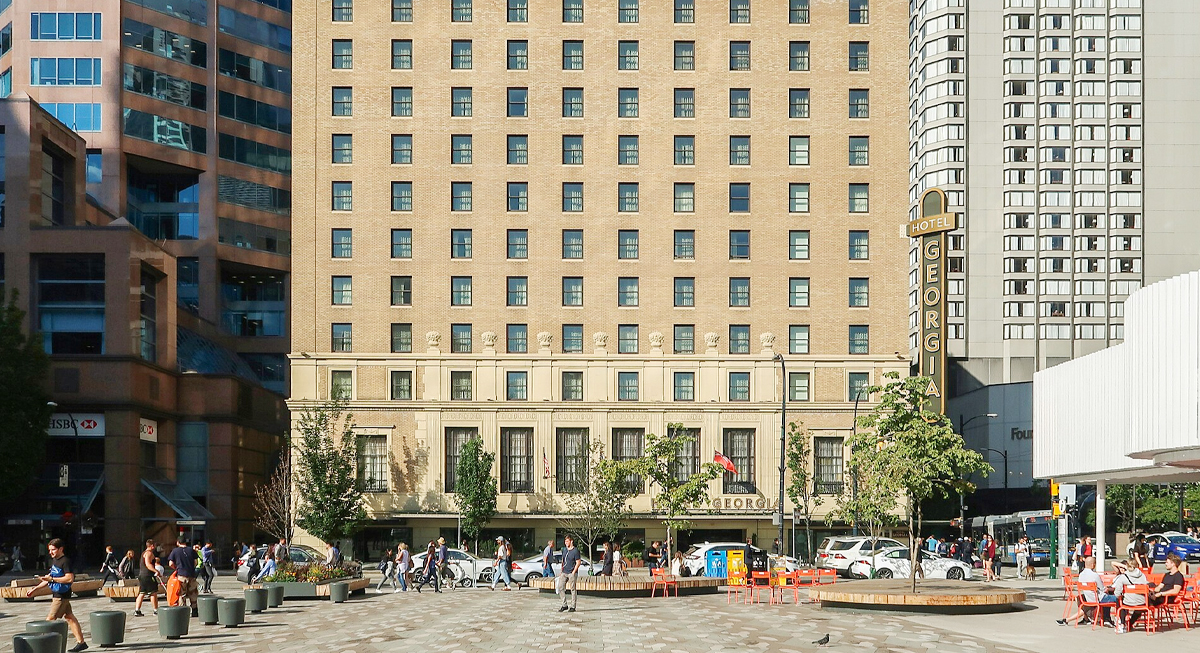
Image via Wikimedia Commons/Wpcpey
Recent data places Vancouver at the top of Canada’s hotel market across key metrics. The city recorded an average daily room rate of about $284 and an occupancy rate of 78.4% in 2025, outpacing other major cities such as Toronto and Montreal.
That demand has remained consistent even as short-term fluctuations appear. Late 2025 saw room rates dip compared to the previous year, largely because large-scale events such as Taylor Swift’s concerts were no longer boosting pricing
Even with those variations, the broader pattern holds. Vancouver continues to attract both leisure and business visitors, with additional demand coming from cruise traffic expected to reach 1.4 million passengers in 2026.
Development Is Expanding, But Not All at Once
Image via Getty Images/RonTech2000
The pipeline behind that demand is substantial. More than 5,800 hotel rooms are currently proposed across 29 projects at different stages, including rezoning, permitting, and construction.
Bringing new hotels to market remains capital-intensive. Projects often require developers to contribute 30% to 40% of equity upfront, which limits how quickly proposals turn into completed buildings.
That gap between interest and delivery explains why growth appears in multiple forms. Some developers pursue new builds, while others focus on conversions or renovations that can move faster through the pipeline.
Historic Hotels Continue to Anchor the Market
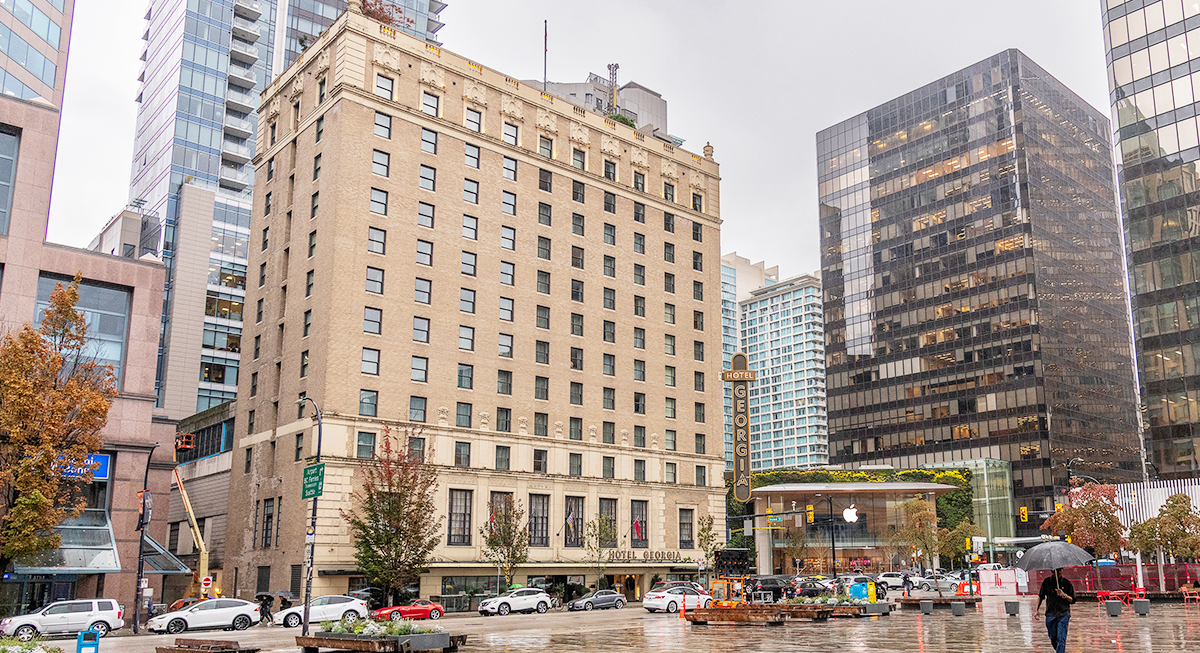
Image via iStockphoto/GDMatt66
Vancouver’s older hotels remain central to its identity, especially as they undergo updates to remain competitive. Properties like the Rosewood Hotel Georgia, originally opened in 1927, continue to operate as high-end destinations after recent renovations introduced updated interiors alongside preserved art deco details.
Other long-standing properties follow a similar pattern. The Victorian, built in 1898, maintains original architectural elements such as exposed brick and high ceilings while incorporating modern upgrades that meet current guest expectations.
These projects show how historic buildings continue to generate value without being replaced. They are updated to align with current standards while retaining their original structure and character.
Conversions and New Formats Are Filling Gaps
Alongside traditional hotels, newer formats are expanding the way a hotel stay looks in Vancouver. The Block House project repurposes a 1893 commercial building into loft-style accommodations, combining heritage architecture with apartment-style layouts.
Office-to-hotel conversions are also gaining traction. Projects like the Arden Hotel transform underused office space into hospitality use, adding rooms without requiring entirely new construction. These formats respond to both cost constraints and changing guest preferences.
Apartment-style suites, longer stays, and mixed-use layouts provide alternatives to standard hotel rooms, allowing developers to work within existing structures while meeting demand.
Boutique and Design Hotels Are Expanding the Middle of the Market
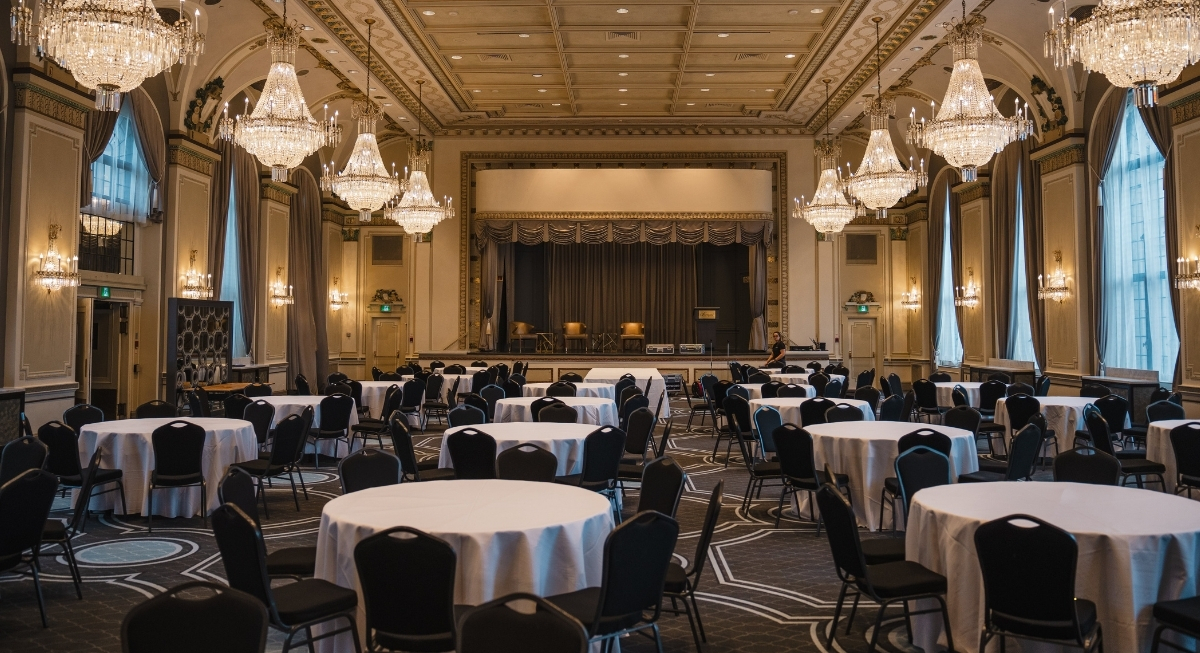
Image via Pexels/Clément Proust
Between historic luxury hotels and new conversions, boutique and design-focused properties are filling a growing segment of the market. Hotels such as OPUS Vancouver and AZUR Legacy Collection Hotel emphasize design, location, and curated experiences instead of scale.
Larger properties are also adapting to this direction. The Fairmont Pacific Rim integrates art installations, performance spaces, and expanded wellness facilities, positioning the hotel as more than a place to stay.
Hotels now function as multi-use environments. Dining, wellness, and cultural programming play a direct role in how properties attract guests.
Retro Motor Inns Are Being Repositioned for Modern Stays
Older motor inns are finding a new role in the market. The Burrard, a former roadside motel, now operates as a retro-style hotel with a central courtyard, shared outdoor spaces, and a layout designed for social interaction.
These properties compete on accessibility, central location, and a more casual environment. Their presence adds another layer to Vancouver’s hotel mix, showing how older formats are being adapted to fit current expectations while remaining relevant.