10 Reasons the French Riviera Belongs on Your Travel Bucket List
The French Riviera is often associated with yachts, luxury hotels, casinos, and celebrity-filled beach clubs. Those places are part of the Côte d’Azur, but they represent only one side of the region. The region is also known for food markets, historic towns, hilltop villages, art museums, beaches, and smaller coastal spots that feel far more relaxed.
The Riviera’s range gives travelers plenty of reasons to consider it for a serious future trip.
The Beaches Are Not All The Same
Credit: Getty Images
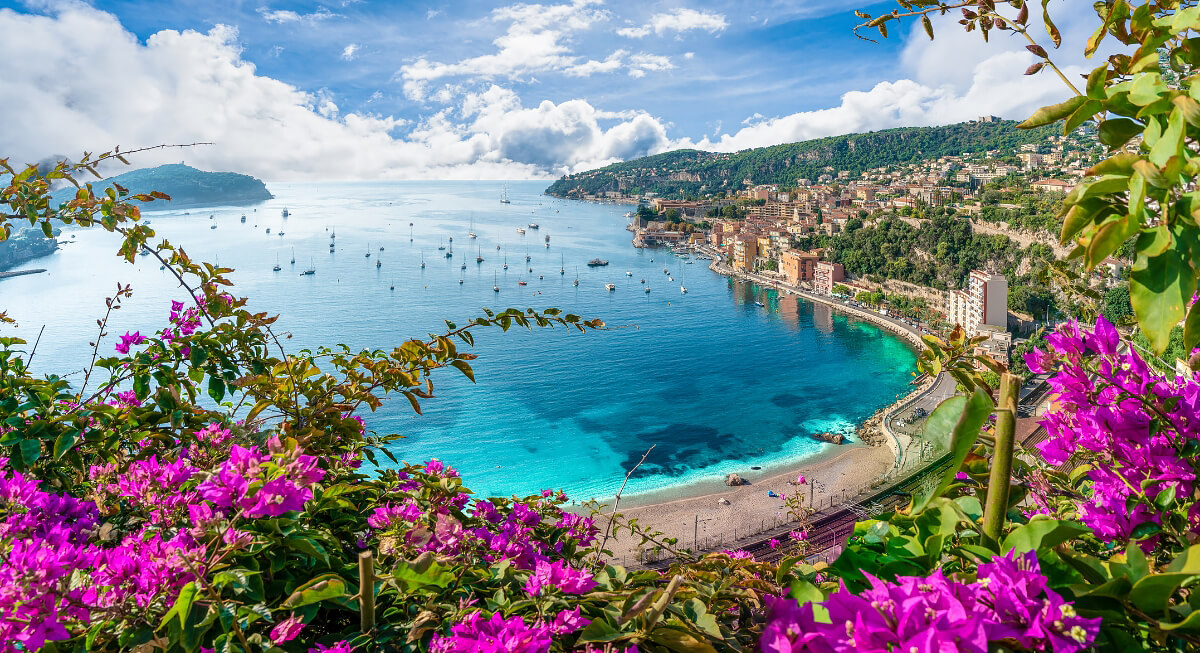
The Riviera’s coastline changes quickly from town to town. Cannes has sandy stretches that suit visitors who want an easy beach day with a towel, a book, and nearby lunch. Nice is known for pebbled beaches and clear-looking water on bright days. Around the capes, rocky coves, pine trees, and coastal paths give the shoreline a different mood. The variety keeps a beach-focused trip from feeling repetitive.
Nice Works As A Practical Base
Credit: Getty Images
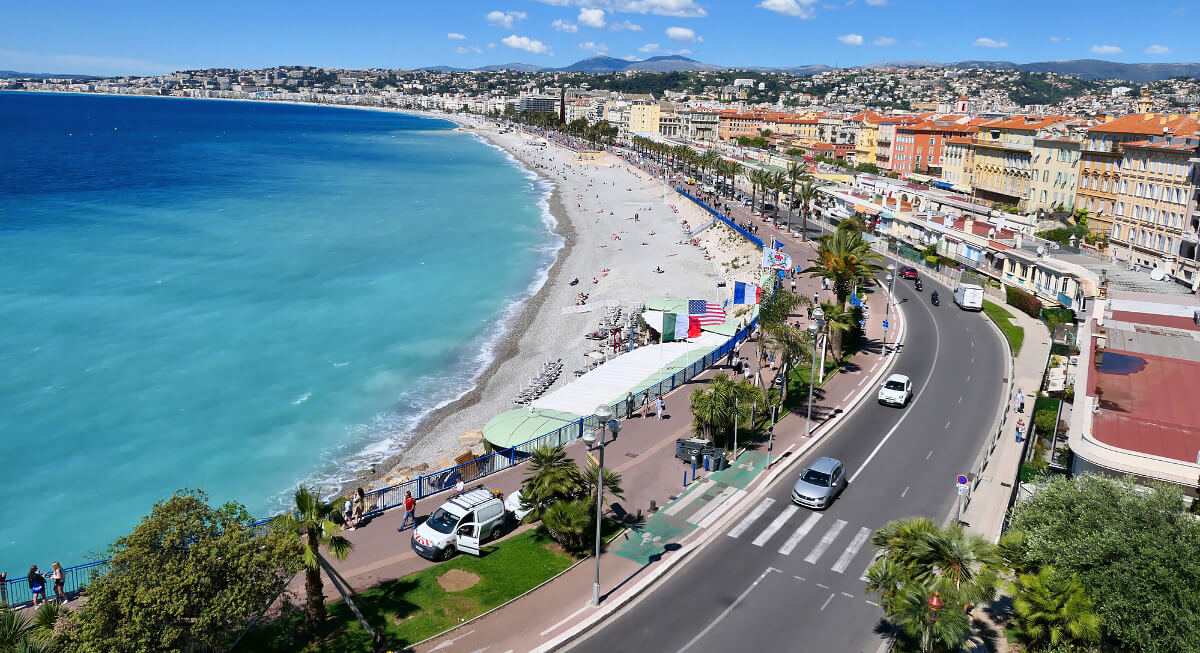
Nice combines beaches, museums, markets, restaurants, and historic neighborhoods in one walkable coastal city. The Promenade des Anglais stretches along the waterfront, while Vieux Nice is filled with narrow streets, colorful buildings, cafés, churches, and local food spots. Nice officially became part of France in 1860 following the Treaty of Turin, but its Italian influence remains in its architecture, colors, and regional cuisine. For travelers who want seaside access alongside museums, old-town streets, and day-trip connections across the Riviera, Nice works especially well as a base.
Cannes Has More Than Festival Photos
Credit: Getty Images
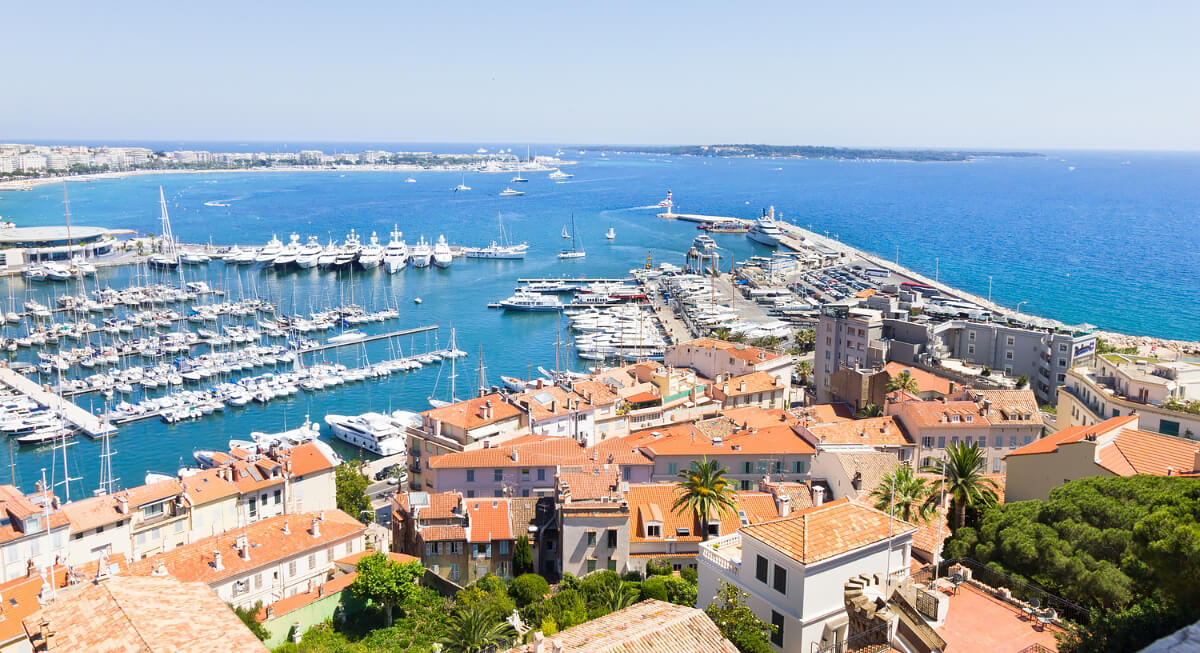
Cannes is best known for its film festival, which held its first full edition in 1946, but the city offers much more than red carpets and celebrity headlines. A typical day can include browsing the market, walking along the waterfront, and eating in the old quarter. La Croisette runs beside the shoreline past beaches, palm trees, hotels, and the Palais des Festivals. The famous Carlton Hotel, linked to Alfred Hitchcock through To Catch a Thief, remains one of the city’s most recognizable landmarks. Beyond the waterfront, Le Suquet rises above the harbor with older streets, small restaurants, and a more local atmosphere that feels very different from Cannes’ glamorous public image.
Monaco Is Worth One Spectacular Day
Credit: Getty Images
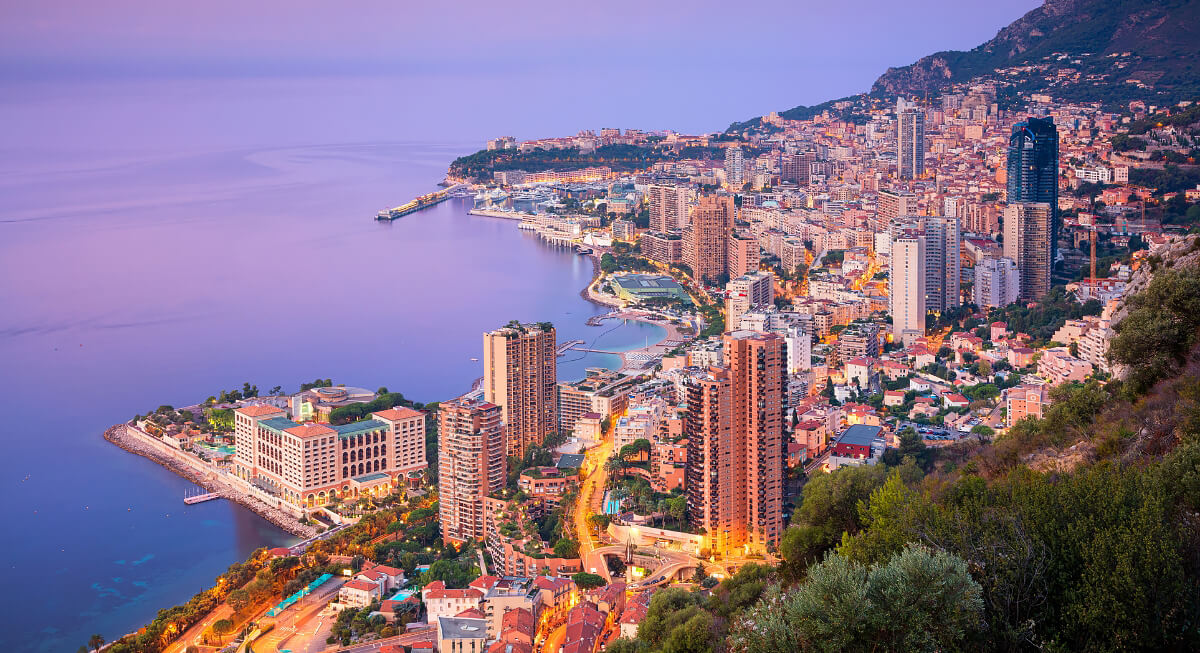
Monaco is small and unlike the rest of the coast. It is better read as a glamorous city-state than a slow village stop. The Grand Prix route travels through city streets, Port Hercule is known for yachts, and Casino de Monte-Carlo, opened in 1863, remains one of Monte-Carlo’s best-known landmarks. A day here can include the harbor, the palace area, and Casino Square. Monaco may not be the calmest part of the Riviera, but it’s a sharp contrast to the beaches, old towns, and hill villages nearby.
Hilltop Villages Break Up The Coast
Credit: pexels
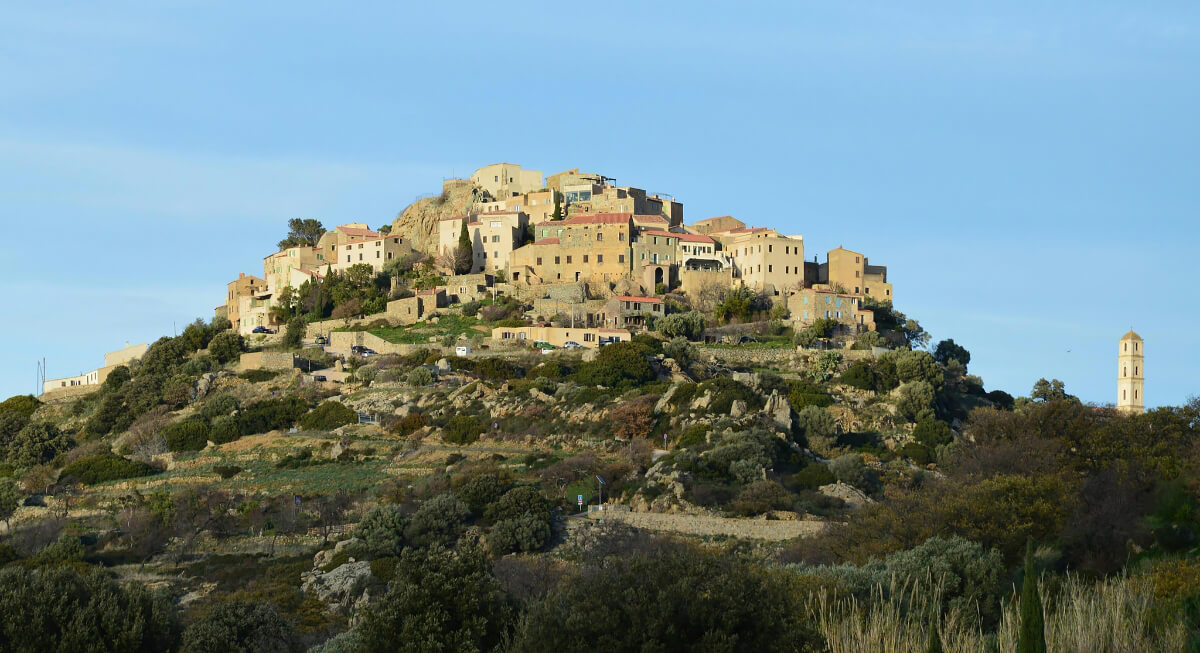
A fuller Riviera itinerary should include time away from the beach. Villages such as Èze, Saint-Paul-de-Vence, Ramatuelle, and nearby hillside towns have stone lanes, small galleries, chapels, and stairways. These places add useful contrast after days spent along promenades and harbors. Saint-Paul-de-Vence has long links to artists and galleries, while Èze is one of the best-known hilltop stops between Nice and Monaco for wide coastal views.
The Art History Is Easy To Follow
Credit: Getty Images
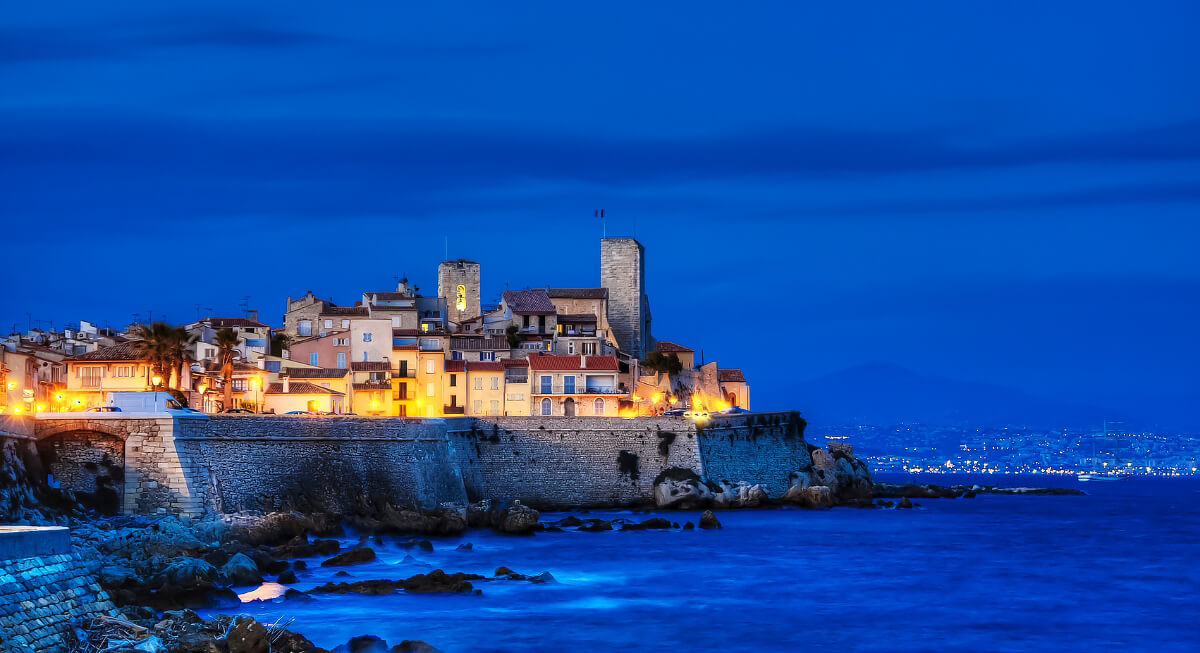
Henri Matisse lived and worked in Nice. Pablo Picasso spent time in Antibes, where the Picasso Museum now occupies the Château Grimaldi. F. Scott Fitzgerald wrote and lived around Cap d’Antibes in the 20th century. Nice also has museums connected to Marc Chagall and Henri Matisse. The setting adds context to the region’s art museums. After seeing the paintings, visitors step back outside into the coastal light, stone streets, sea views, and old neighborhoods that shaped so much of the Riviera’s creative reputation.
Grasse Adds Perfume To The Itinerary
Credit: Wikimedia Commons
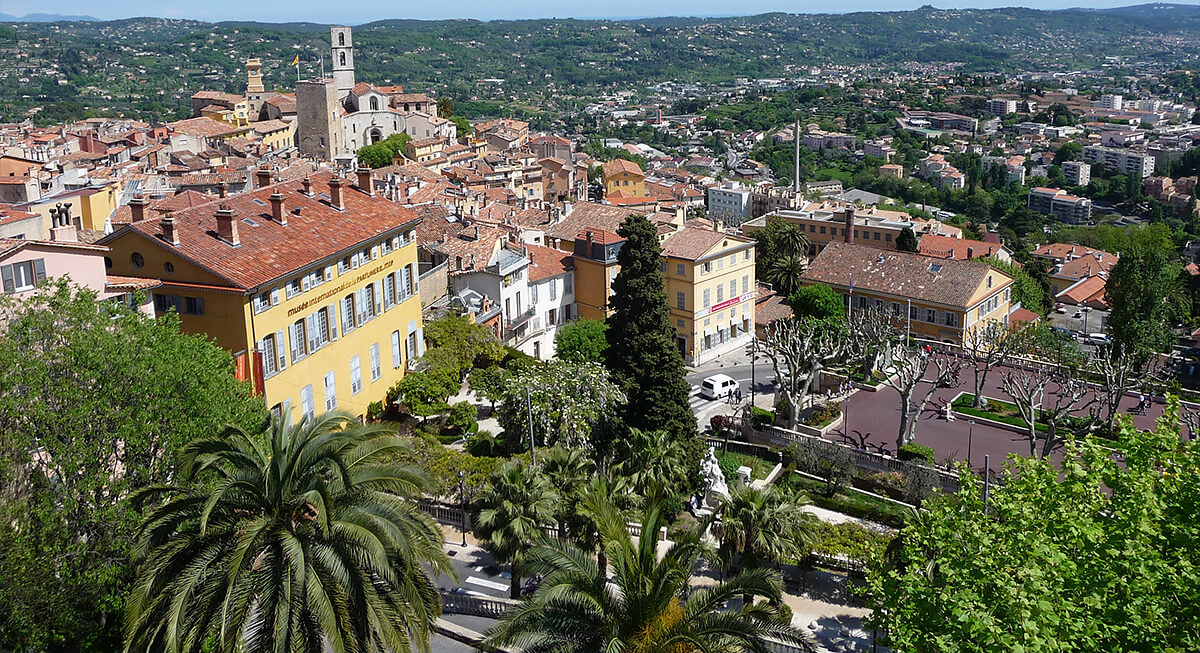
Grasse stands apart because of its perfume history. UNESCO recognizes skills tied to perfume in the Pays de Grasse, including perfume-plant cultivation, raw-material processing, and scent composition. The town has a clear identity beyond its hillside setting and makes for a useful cultural detour. Visitors can tour perfume factories and learn about the art of fragrance creation. Grasse shows how flowers, craft, trade, and local knowledge became part of one of the region’s most recognizable industries.
The Food Is Built For Market Days

Credit: Getty Images
A Riviera food day does not need to revolve around a formal restaurant. In Nice, socca, a chickpea pancake served hot with black pepper, is one of the easiest local dishes to try. Regional staples also include pan bagnat, pissaladière, ratatouille, olives, seafood, Provençal flavors, and local rosé. Markets make food culture more accessible. Cannes, Nice, Antibes, and smaller towns all offer travelers places to pick up picnic items such as bread, produce, cheese, olives, tapenade, fruit, and pastries.
Day Trips Make The Coast Easier To Shape
Credit: Getty Images
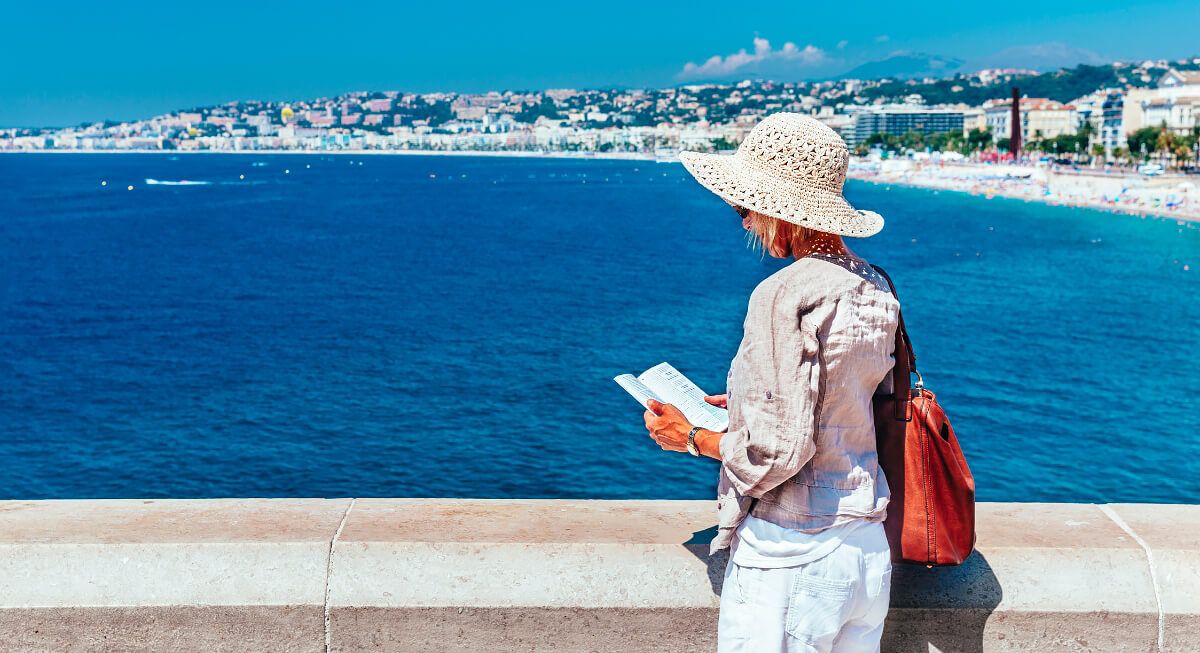
The Riviera is compact enough for day trips from a well-chosen base. Travelers do not need to change hotels every night to see different sides of the region. One day can be devoted to Nice and its old town. Another can move toward Cannes, Antibes, Monaco, or a hillside village. The best use of the Riviera is by choosing one or two nearby places each day and giving them enough time. This pace makes the coast easier to enjoy and keeps the trip from turning into a race between postcard stops.
Shoulder Season Gives The Riviera More Space
Credit: Getty Images
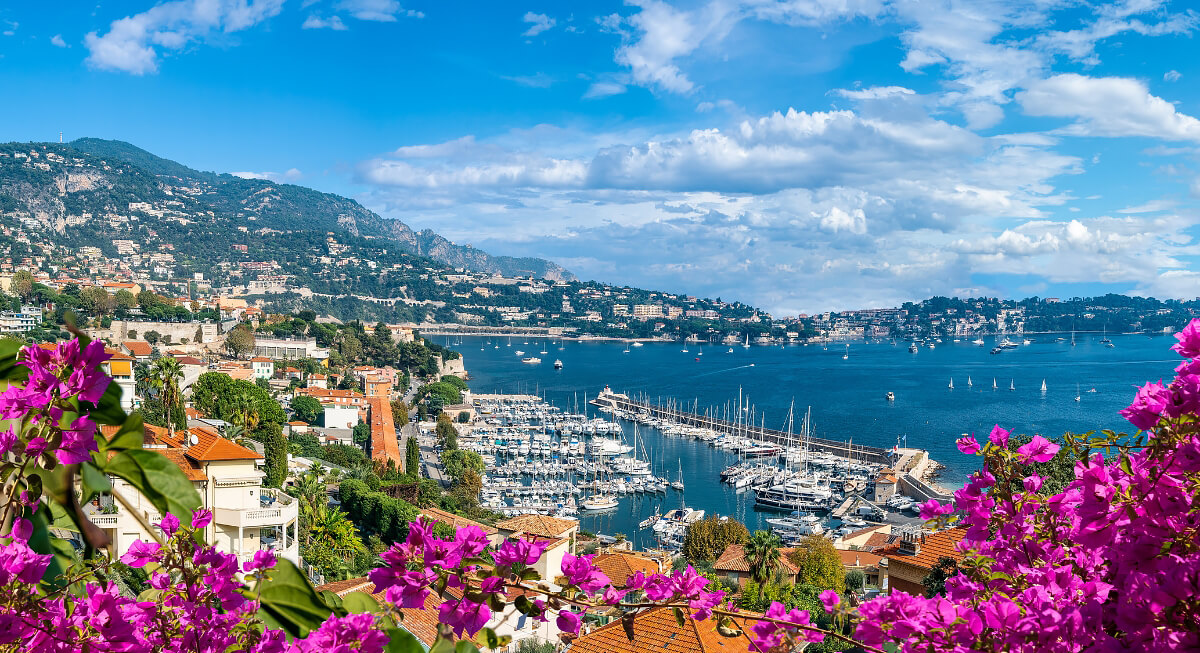
July and August bring hot beach weather, nightlife, busy streets, crowded restaurants, and heavier demand. Those months suit travelers who like peak summer energy, but they can also make the region more expensive and less relaxed. May, June, September, and October can be easier months for a first Riviera trip. The weather can still suit beach time, while museums, markets, and old towns are easier to enjoy with fewer crowds. For many travelers, those months give the Côte d’Azur a better balance between sunshine, atmosphere, and breathing room.