Forget the Sun because Britain’s Soggy Skies are the New Must-See Travel Trend
Britain’s weather has long been framed as something to put up with. Visitors arrive expecting rain, cloud cover, and the need to dress for it. That part still holds. What’s shifting is the mindset. More travelers are choosing Britain because of its atmosphere. The overcast skies, soft light, and frequent rain now shape the experience, giving trips a character that clear, predictable weather rarely offers.
Britain Isn’t As Rainy As You Think, But It Carries The Reputation
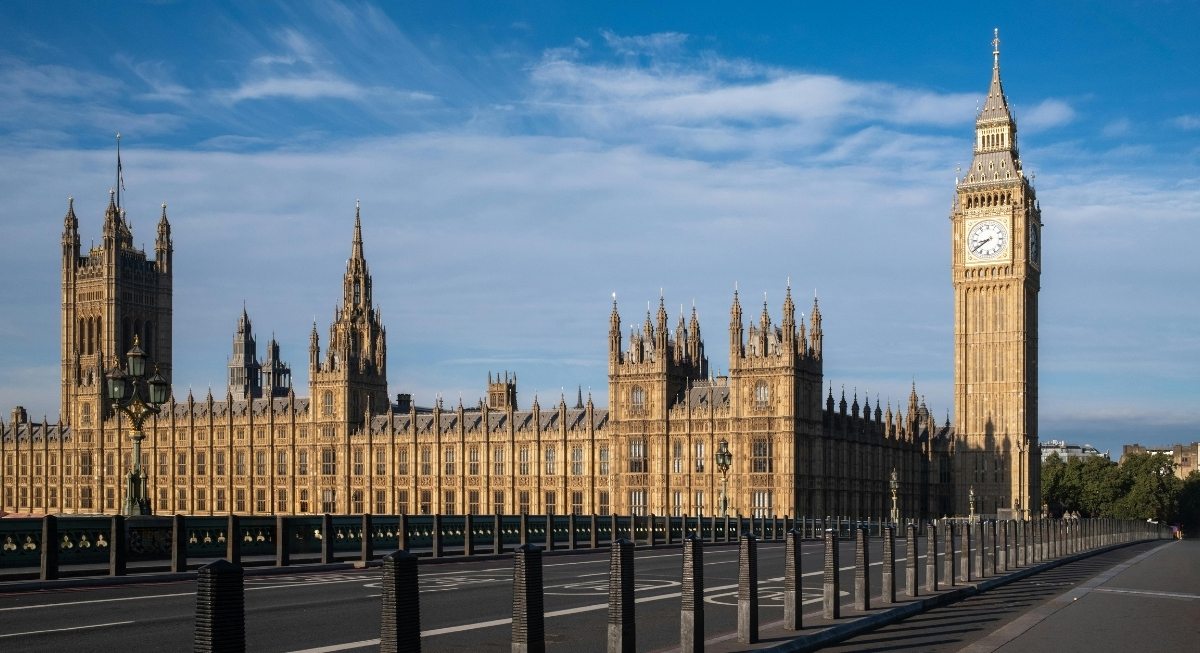
Image via Pexels/Tina P.
Britain doesn’t even rank among the wettest countries globally. It’s around 83rd for annual rainfall, behind places like Colombia and the Maldives. What gives it that soaked reputation comes from something else entirely.
Moisture from the Atlantic and the path of the jet stream keep cloud cover and drizzle in constant rotation. Rain can show up at any time, then clear just as quickly. It’s less about heavy downpours and more about an atmosphere that rarely fully lifts.
That unpredictability has shaped perception. Weather has become part of the identity, not just a condition people deal with.
Rain Is Built Into The Culture
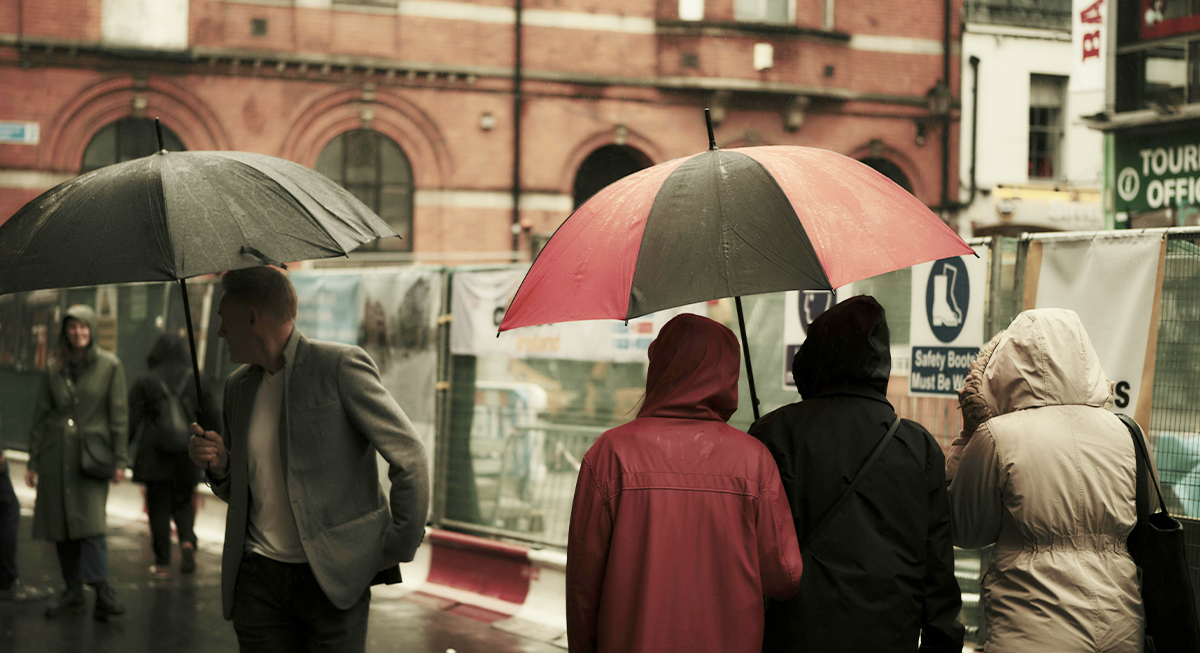
Image via Pexels/atelierbyvineeth
You don’t have to look far to see how deeply rain runs through British life. The phrase “raining cats and dogs” dates back to the 17th century. Painters like J.M.W. Turner treated weather as a central subject. Even modern music leans into it, with songs like Why Does It Always Rain On Me?
Then there’s what people wear and carry. Umbrellas have become an integral part of the culture. Fox Umbrellas has been making them since 1868, and tourists still seek them out as a distinctly British item. Brands like Burberry developed a global identity around outerwear designed for wet conditions and turned rain into a fashion statement.
Over time, that constant presence became part of daily habits and personal style. Rain now feels like a normal part of life in Britain rather than something to avoid.
The Weather Changes The Way The Country Looks And Moves
Once you stop expecting clear skies, the country reveals itself differently. Landscapes respond immediately to rainfall. In places like the Yorkshire Dales, waterfalls surge with more force after a downpour. Underground spaces like Gaping Gill intensify as water seeps in from above.
Further north, the effect becomes even more noticeable. In Scotland, views shift constantly as mist rolls in and out, clouds move across the hills, and light changes by the minute. The same location rarely looks identical twice.
That constant variation creates a sense that the atmosphere is alive and active, not fixed, something travelers don’t get in reliably sunny destinations.
Rain Doesn’t Just Shape Landscapes, It Shapes What Britain Produces
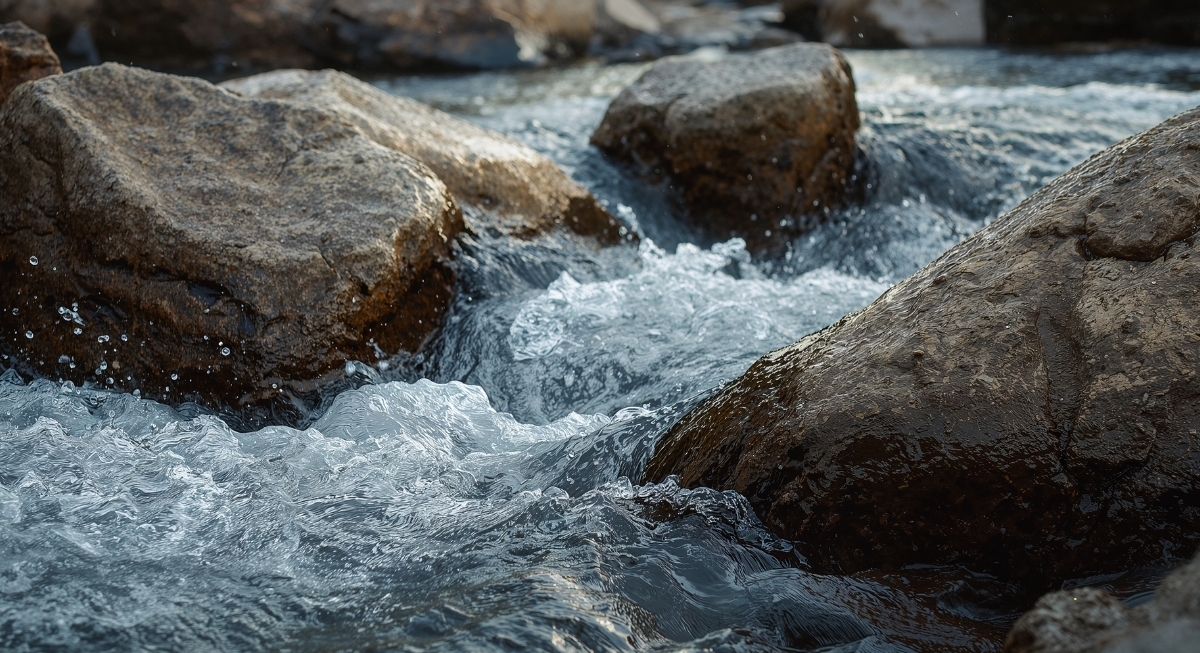
Image via Canva/David Allen
The impact goes beyond what you see. Rain feeds directly into industries that define the country. In Scotland, traditional drink production depends on water that flows through layers of rock, picking up minerals along the way. That process affects the final flavor of each bottle. If rainfall drops, the process shifts, and so does the character of the final product.
Even something as simple as an umbrella fits into a wider system. The weather supports craftsmanship, exports, and long-standing traditions across the country.
Travelers Are Planning for the Weather, Not Around It
Trips are starting to follow a different pace. People spend more time in fewer places, stay indoors when needed, and focus on the experience rather than rushing through a checklist. A few hours in a museum, time in a café, or a pause during a passing shower all become part of the day instead of a disruption. The pace slows, and the experience feels more grounded.
Tourism is adjusting to this shift. Experiences now offer flexibility, and destinations highlight what works well in wet conditions rather than competing with sunnier locations. Many travelers prefer it this way. Rain brings out details that clear skies often miss.