Forget the Retirement Rumors Because Phoenix is the New Desert Powerhouse
People used to think of Phoenix as a place people moved to slow down, but that picture no longer fits. The city has been growing rapidly, attracting new residents and businesses, and a steady flow of activity that keeps things moving year-round. It is now the fifth-largest city in the United States, and the energy here feels very different from the old retirement image.
Every winter, Phoenix becomes a hub for sports and events. Fifteen Major League Baseball teams come for spring training, and big draws like the WM Phoenix Open bring in huge crowds. Add mild temperatures, usually between 68 and 71.6°F, and barely any rain, and it is easy to see why the city has shifted into something much more active and dynamic.
Winter Is When Phoenix Feels Most Alive
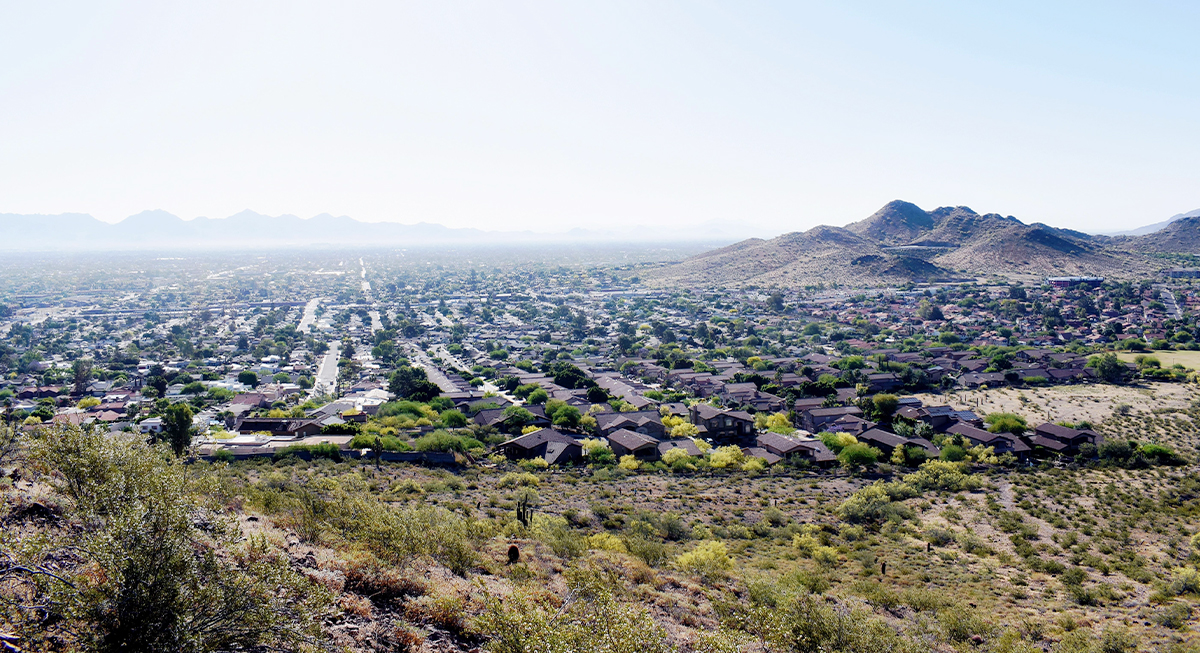
Image via Canva/pixabay
Phoenix doesn’t slow down in winter. The weather keeps people outside, and that carries into everyday routines. With temperatures in the high 60s to low 70s, people move through the day hiking, eating outdoors, or heading across neighborhoods without thinking about the season.
Papago Park lies less than 10 miles from downtown with easy trails and red rock views, while Camelback Mountain draws hikers looking for something more demanding.
That kind of access becomes part of routine life. Being outside is not something people plan around. It is already built into how the city runs, and that steady activity feeds tourism, fitness, and local business traffic.
The Museums Are Not an Afterthought
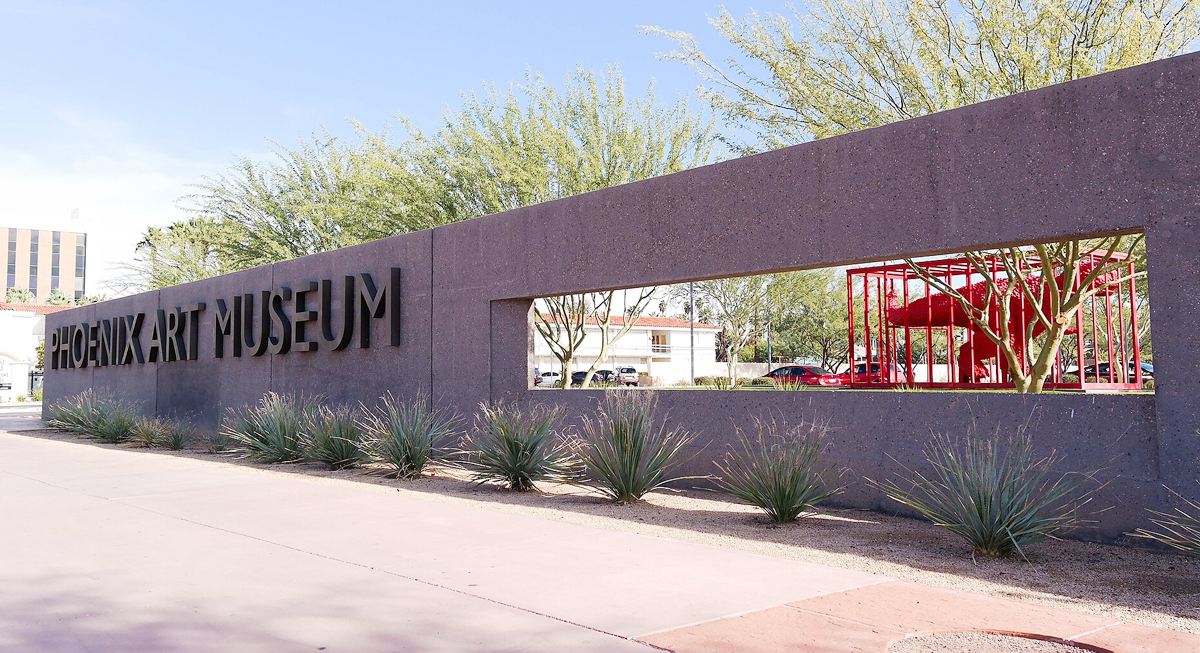
Image via Wikimedia Commons/Visitor7
Phoenix used to rely heavily on its desert image, but the cultural side has grown into a major draw. The Phoenix Art Museum is the largest in the Southwest, while the Heard Museum gives a deeper look into Native American history and contemporary Indigenous art. These anchor the city’s identity just as much as its mountains.
The Musical Instrument Museum adds another layer, housing more than 15,000 instruments from nearly 200 countries and hosting around 200 concerts each year. That mix of global perspective and live performance keeps the experience fresh, even for repeat visitors.
Together, these institutions move Phoenix away from being seen as a single-note destination. The city balances physical space with intellectual and creative depth, which keeps people engaged longer.
Where Everything Feels Within Reach
Phoenix brings very different experiences close together. You can start the day on a trail and end it in a gallery, then move on to dinner with views of Camelback Mountain and the downtown skyline with little effort.
Roosevelt Row shows that mix in one place. It is one of the few areas where walking makes sense, with murals, small galleries, cafés, and local shops packed into a compact stretch. The atmosphere feels more like an established arts district than what most people expect from a desert city.
That mix carries into the city’s architecture. Taliesin West, Frank Lloyd Wright’s winter home and school, spreads across nearly 500 acres and holds recognition as both a National Historic Landmark and a UNESCO World Heritage Site. Nearby, the Arizona Biltmore reflects his influence through its design, adding another layer to how the city has developed over time.
Everything Here Operates on a Bigger Scale
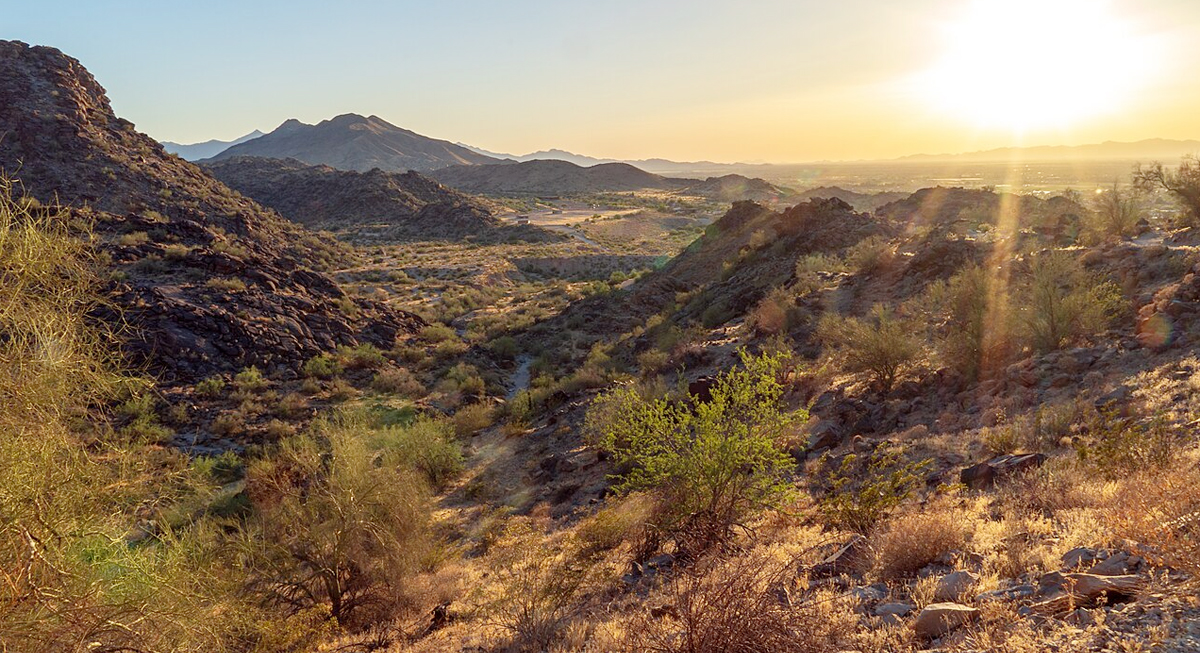
Image via Wikimedia Commons/Domenico Convertini
Size plays a big role in Phoenix’s evolution. South Mountain Park covers more than 16,000 acres with over 50 miles of trails, making it one of the largest municipally managed parks in the country. The city also supports nearly 200 golf courses, reinforcing its position as a major destination for both recreation and events.
That scale extends into everyday options. Downtown Phoenix packs in museums, sports venues like Chase Field, and regular festivals, while nearby areas such as Old Town Scottsdale bring in shopping, nightlife, and public art. Even short drives open up completely different experiences, including Canyon Lake cruises that have been running since 1983 or day trips to the Grand Canyon.
The idea of Phoenix as a retirement hub came from a different era, when climate alone defined its appeal. Today, that climate acts as a foundation for something much broader. A steady flow of events, a growing arts scene, and large-scale outdoor access keep the city active in every sense.