Forget The Colosseum Lines And Take This One Euro Underground Shortcut To Ancient Rome
The line outside the Colosseum moves slowly for a reason. Millions of people converge on the same entrances, following nearly identical routes. Just beneath the crowds, though, there’s another way to approach the area. It costs about €1.50 and takes only minutes to access.
Rome didn’t plan to turn its underground into an attraction. During construction, workers kept uncovering layers of the past, and instead of removing them, the city built around what they found. The result is a working metro line that also offers a direct glimpse into ancient Rome.
The €1.50 Entry That Changes Everything
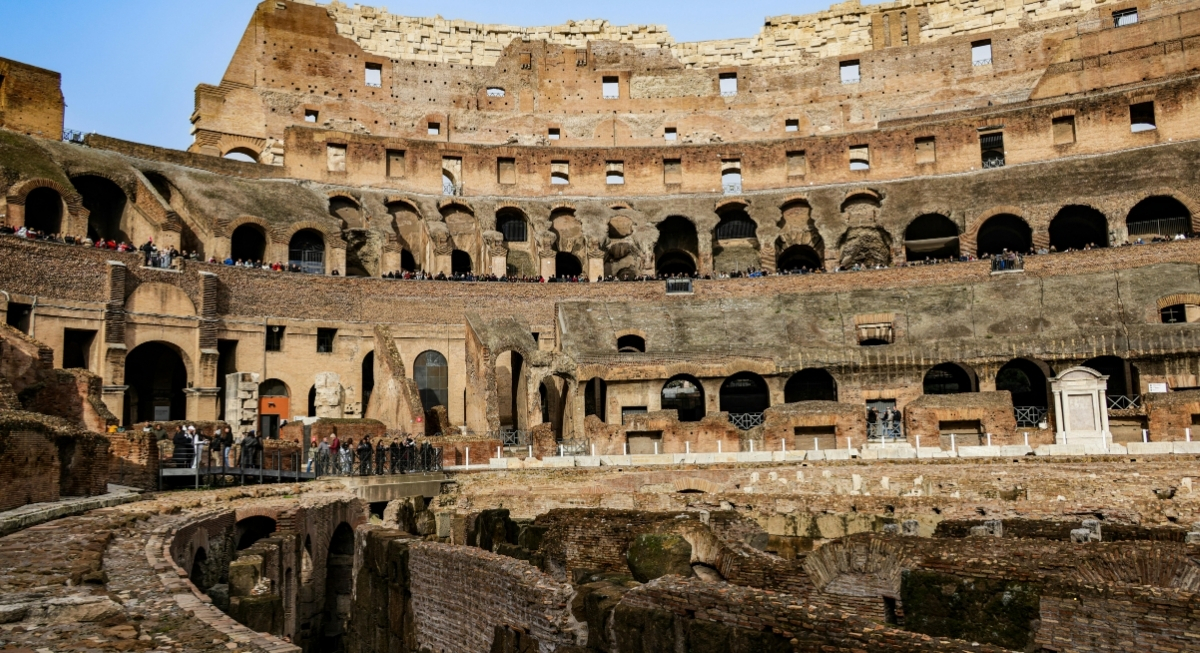
Image via pexels/Magda Ehlers
A standard metro ticket does more than move you across the city. Once inside certain stations on Line C, you pass through spaces where archaeological discoveries are integrated directly into the route. There’s no separate ticket, no reservation, and no designated viewing area.
You enter, pass through the gates, and continue forward. Almost immediately, the surroundings shift from a typical transit space to something more layered.
Direct Access Near the Colosseum
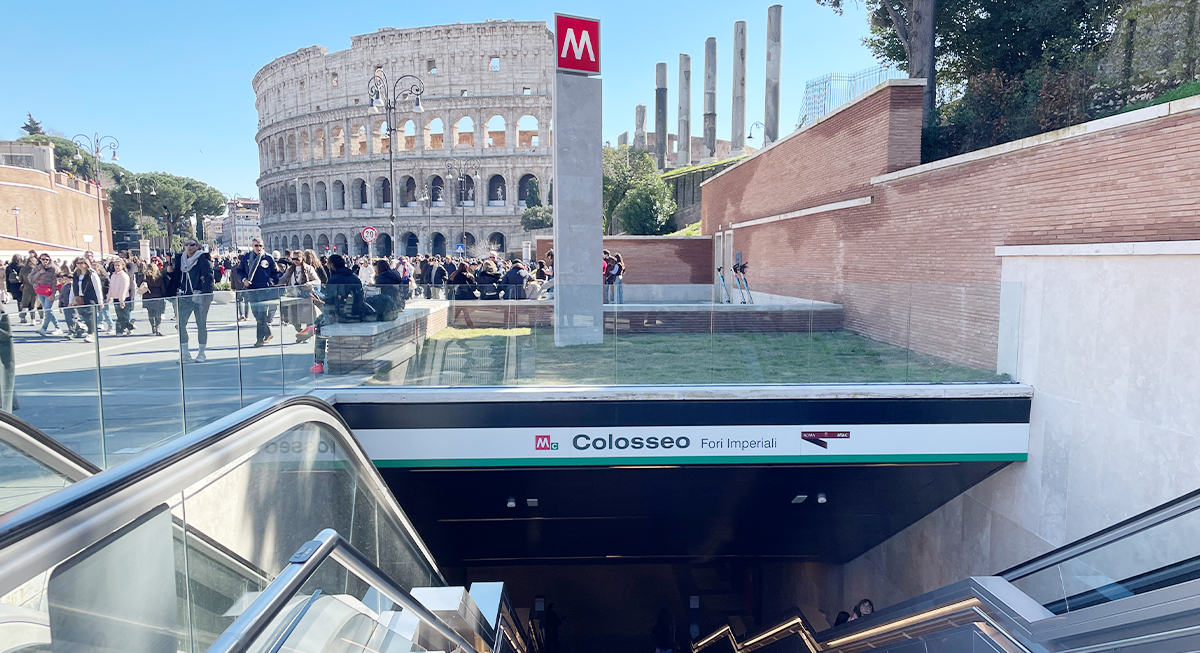
Image via iStockphoto/rarrarorro
Colosseo-Fori Imperiali Metro Station is located directly beneath one of the busiest parts of the city, with access points that bring you out right by the Colosseum and Roman Forum.
Above ground, the area is crowded with traffic, tour groups, and long lines. Below ground, it’s more organized, with escalators leading into a calmer, more controlled space.
Instead of navigating dense crowds, you move through open pathways with clearer direction. For many visitors, the station becomes one of the simplest and fastest ways to reach the Colosseum area.
Where Ancient Objects Sit Along Your Path
As you move through the station, displays begin to appear. Pottery, coins, and everyday objects uncovered during construction are placed behind glass panels built into the walls.
Further along, larger remains come into view. Sections of wells, fragments of stonework, and parts of a Roman bath, including a cold basin, are visible within the station itself. Some features are preserved in place, while others are carefully reconstructed to reflect their original context.
These elements are not separated from the space. They are part of it, encountered naturally as you approach the platform.
A Descent That Tracks the City’s History
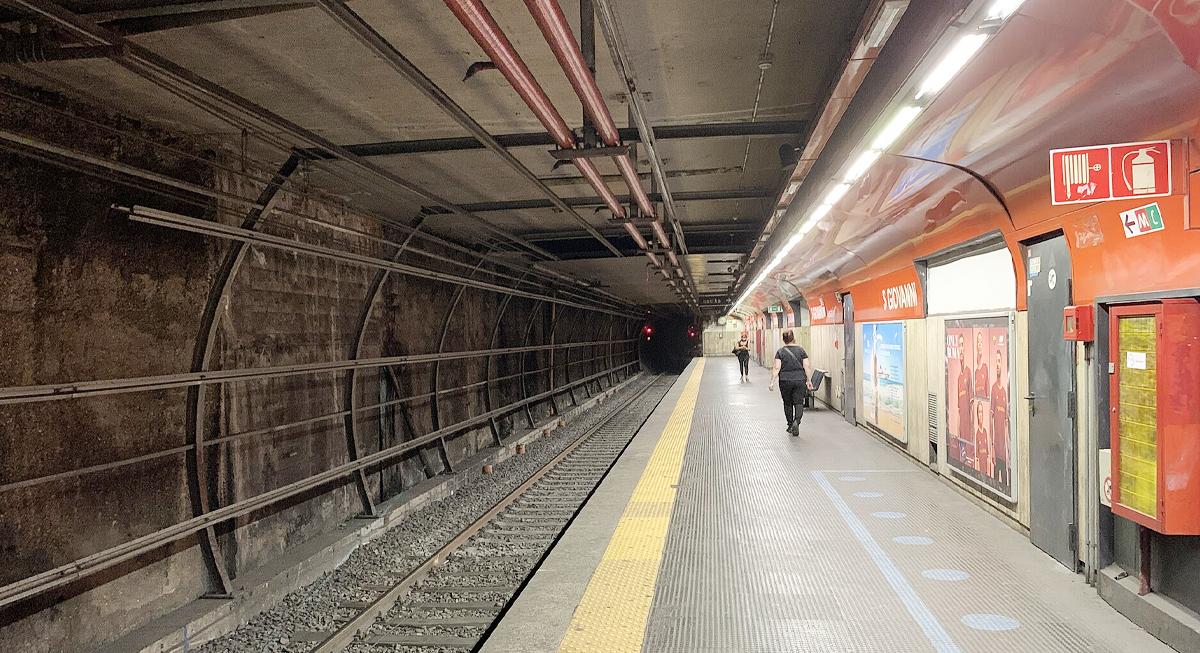
Image via Wikimedia Commons/Chabe01
At San Giovanni Metro Station, the experience becomes more structured. The station extends about 30 meters, or roughly 98 feet, underground.Each level corresponds to a different period in Rome’s history. As you descend, the walls mark the transition from modern layers to medieval and then to imperial Rome. Artifacts are displayed at the depths at which they were discovered, creating a clear progression through time.
Tools and irrigation systems appear along the way. Evidence of agricultural activity, including water infrastructure and plant remains, reveals how the area once functioned long before it became part of a modern city.
This layered layout also affects how you move through the city. Using the metro cuts down time spent navigating surface congestion near the Colosseum, avoids crowded crossings, and provides a more direct way to reach key locations while passing through this timeline underground.
A Quieter Stop With a Different Perspective
Porta Metronia Metro Station offers a calmer alternative. The station is near the Aurelian Walls and remains outside the busiest tourist zones, providing a more relaxed setting.
Excavations uncovered remains of a 2nd-century AD military barracks, along with mosaics and frescoes. Plans for the station include dedicated spaces where these finds are built into the overall design.
With fewer visitors passing through, there is more room to move and take in the details without interruption.