10 Weird Food Rules Every Traveler Breaks and How to Avoid Trouble
Food rules around the world can seem arbitrary until you stick chopsticks upright in rice at a Japanese dinner or ask for Parmesan on seafood pasta in Rome. Some locals won’t correct you on the error, but they’ll notice. Master a few of these habits, and you’ll eat better, connect faster, and skip the awkward silences that come with breaking rules you didn’t know existed.
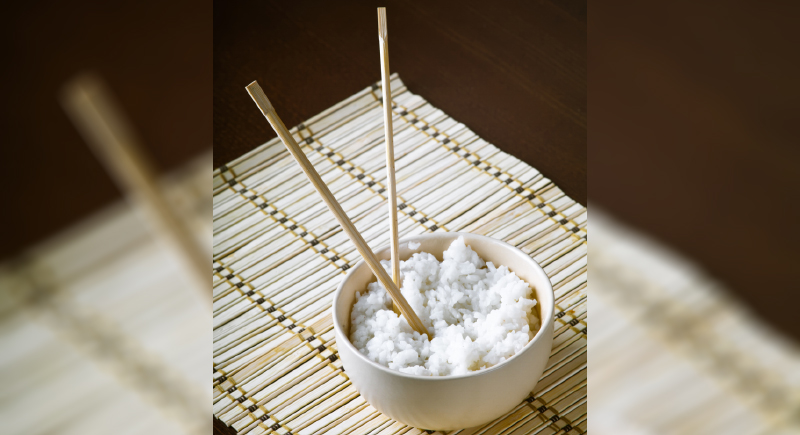
Japan: Upright Chopsticks Signal Death
Credit: iStockphoto
A bowl of rice with chopsticks standing straight up resembles a Japanese funeral offering. The resemblance is uncomfortable for everyone at the table. It’s better to lay chopsticks flat on a rest between bites or balance them across the edge of your bowl. Passing food chopstick-to-chopstick carries the same association with death rituals, so grab a plate when sharing.
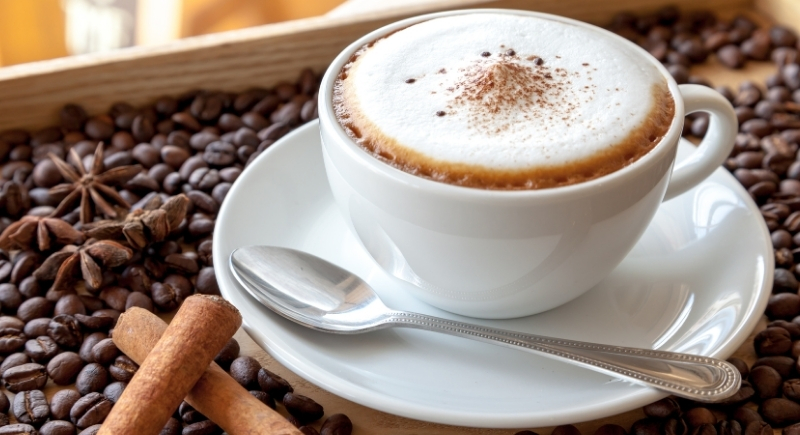
Italy: Cappuccino Belongs to Morning
Credit: Getty Images
Milk-based coffee after lunch marks you as a tourist faster than a fanny pack. Italians associate cappuccino with breakfast because they view milk as heavy on the stomach and more suited for the morning. An espresso works any time of day without raising eyebrows. If you need something gentler, a macchiato contains enough foam to soften the intensity while respecting Italian coffee culture’s unwritten schedule.
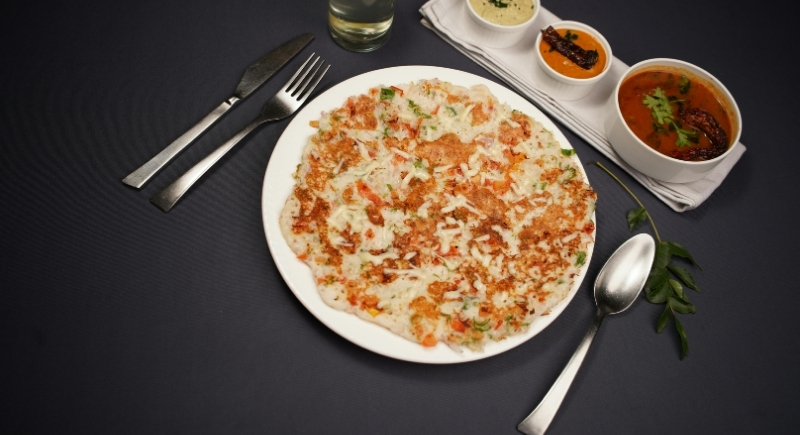
Thailand: Forks Push, Spoons Scoop
Credit: pexels
In Thai dining, your fork plays a supporting role while the spoon takes center stage. Bring that fork to your mouth, and you’ve misunderstood the entire system. The fork guides food onto the spoon, which then delivers each bite to the diner. This system works with rice dishes and keeps everything manageable. Surprisingly, when eating Northern sticky rice, you’re expected to eat with clean fingertips.
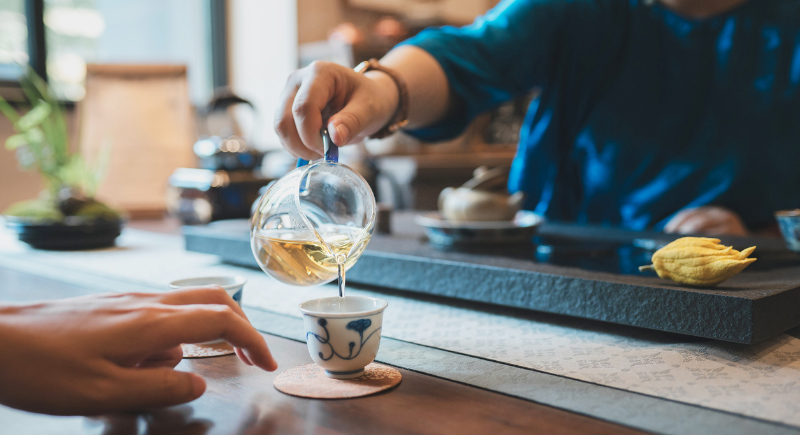
South Korea: Pour for Others, Never Yourself
Credit: iStockphoto
Grabbing the bottle to top up your own drink suggests you’re dining alone in your head. Korean meals operate on the principle of mutual care, where you pour for tablemates, and they pour for you. Receive refills with both hands as a mark of respect, particularly when elders are present. The oldest person drinks first, and ending your meal before they finish theirs disrupts the flow.
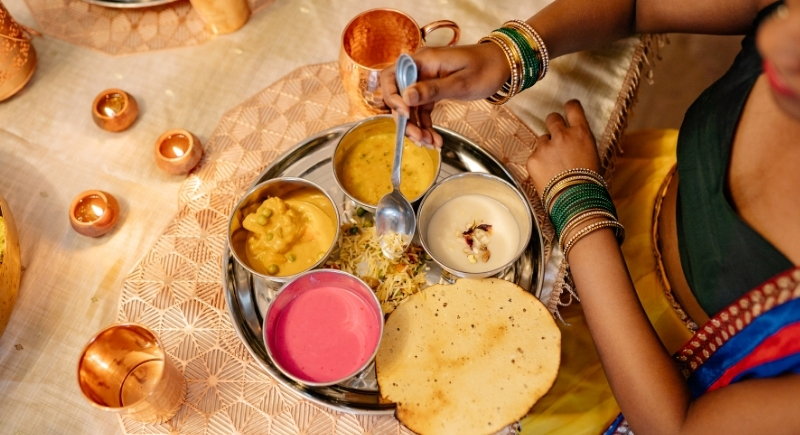
India: Right Hand Only for Eating
Credit: pexels
In much of India, left hands aren’t meant for eating because they’re associated with the bathroom. Use it to tear naan or scoop dal, and you’ve just made everyone uncomfortable. Even at upscale restaurants with full silverware, you’re expected to serve yourself from communal dishes with only your right hand. Fingertips do the work if you keep your palm relatively clean and never double-dip into shared platters after touching your mouth.
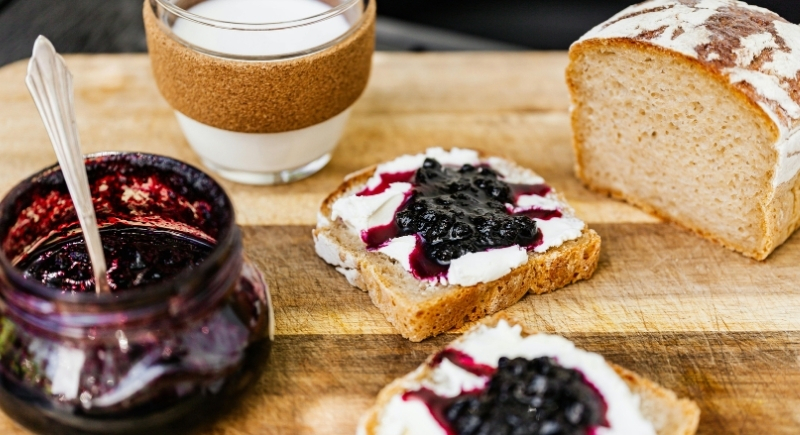
France: Bread Lives on the Table, Not the Plate
Credit: pexels
French diners place their baguette directly on the tablecloth, a practice that feels wrong to anyone raised with different table manners. It’s normal to tear small pieces throughout the meal to accompany each dish. Keep your hands visible during dinner with your wrists resting near the table’s edge rather than hidden in your lap. Concealing your hands creates a subtle awkwardness that runs counter to French dining etiquette.
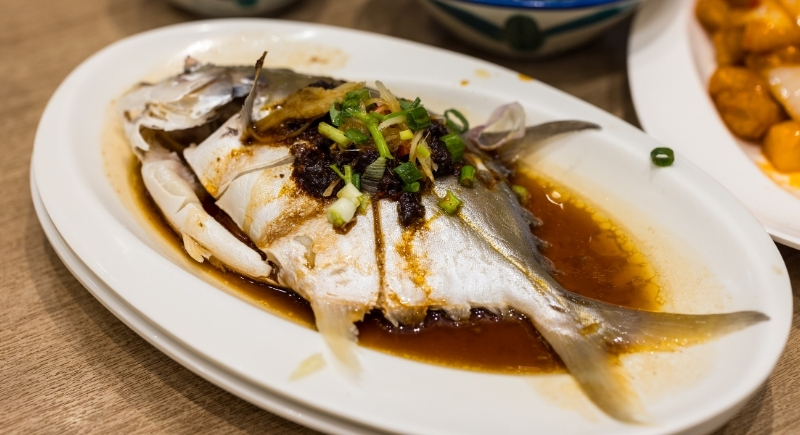
China: Flipping Fish Invites Bad Luck
Credit: Canva
The Chinese phrase for flipping a fish sounds identical to capsizing a boat, which makes this superstition sticky in fishing communities. Turn a whole fish over after finishing the top side, and you’ve just suggested disaster for someone’s livelihood. Southern China and Hong Kong observe this, and some people leave the bottom portion untouched rather than risk the flip. Others carefully remove the skeleton to reach the lower flesh.
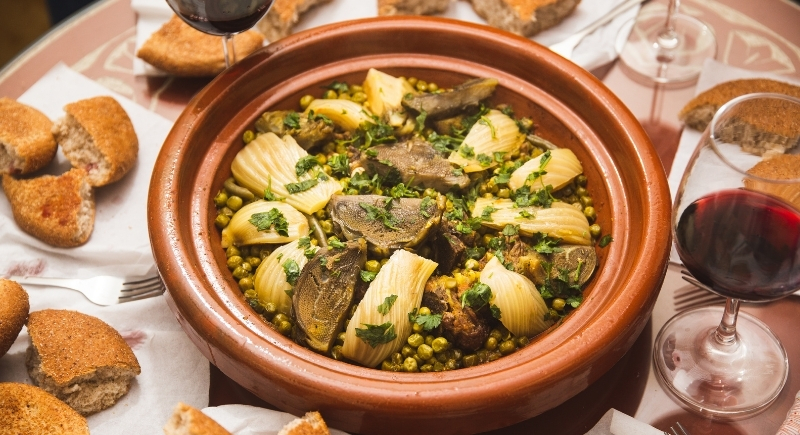
Morocco: Stay in Your Section of the Tagine
Credit: Getty Images
Communal tagines come with territorial lines that strangers may not be aware of. Your section should be directly in front of you, and straying outside it to grab the best piece of meat comes across as greedy. Use torn bread to scoop from your designated zone. A host who pushes a premium morsel into your area is extending top-tier hospitality. After the meal, stay over for mint tea and conversation, as leaving abruptly feels dismissive.
Chile: Utensils Trump Fingers for Everything
Credit: iStockphoto
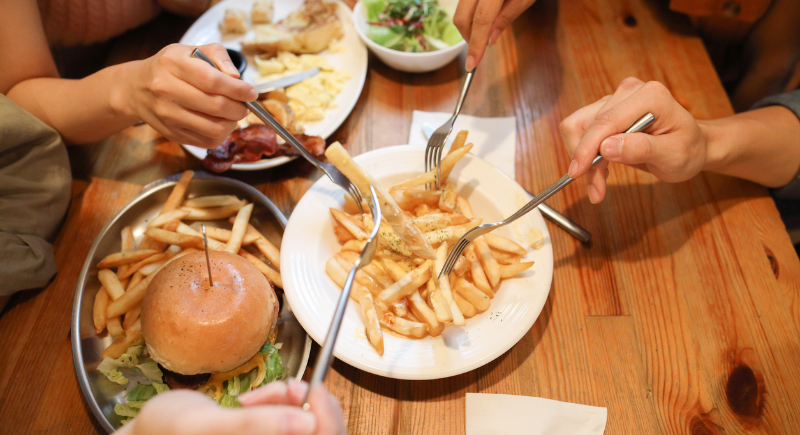
Chileans approach casual foods with unexpected formality, cutting pizza and fries into neat bites rather than picking them up. The preference traces back to European influence on South American dining culture. Eating with your hands at a sit-down meal looks sloppy or overly familiar. Keep your elbows near the table edge and take smaller cuts instead. When you finish, arrange your knife and fork parallel on the plate to signal you’re done.
Middle East: Shake Your Coffee Cup When You’re Done
Credit: Canva
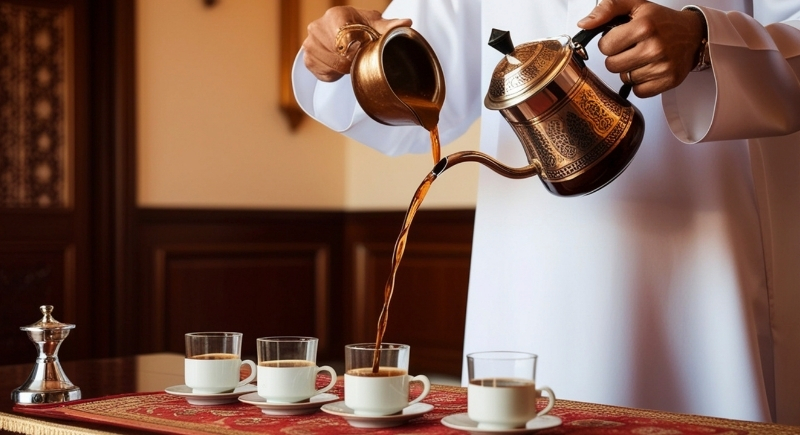
The Bedouin coffee service operates on endless refills unless you signal otherwise. Your host continues pouring tiny cups of cardamom-spiced coffee until you actively communicate you’ve had enough. The signal is to shake or gently tilt your empty cup two or three times before returning it. The tradition is common in countries like Qatar and Saudi Arabia.