Finland’s Income-Based Speeding Fines Mean Millionaires Can Pay $140,000
Finland didn’t come up with its income-based speeding system overnight. The idea goes back about a century. The country began experimenting with day fines in the 1920s, starting with general criminal penalties. Lawmakers wanted punishments to feel fair for everyone, since a flat fee barely affected wealthy offenders. Over time, the structure proved effective enough that it became a key part of Finland’s justice system.
By the late 1920s and early 1930s, the day fine model had moved fully into traffic rules. As cars became more common and roads busier, leaders realized speeding penalties needed to carry real weight for every driver. A small fixed fine couldn’t slow down someone with a large income, so the government adapted the original day fine idea and tied it directly to disposable income.
The modern form of the rule grew through the second half of the 1900s. Policymakers refined how daily income is calculated and how many day fines match each level of speeding. These updates shaped the system used today. It looks at a person’s daily disposable income, usually half of the daily salary, and multiplies that number by the day fines linked to how fast they were going. A higher speed means more day fines. A higher income means a larger hit to the wallet.
The Fines That Shocked the World
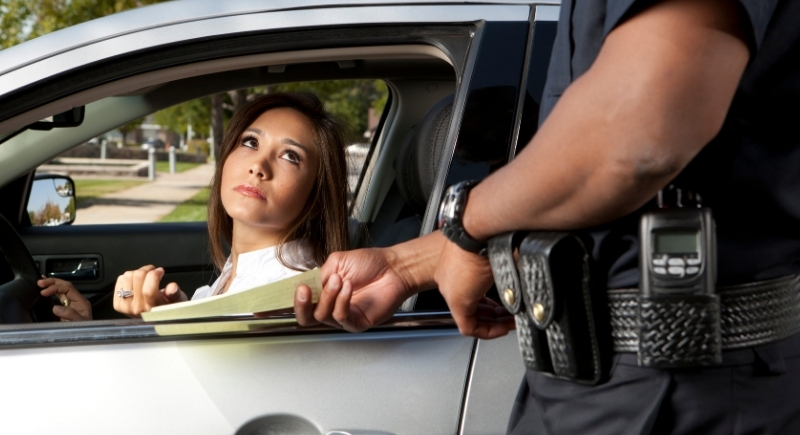
Image via Getty Images/inhauscreative
Some of the most talked-about penalties came from wealthy drivers who underestimated how costly a short burst of speed could be. One of the most widely known cases happened in 2015. Businessman Reima Kuisla was caught driving 103 km/h in an 80 km/h zone. Authorities checked his 2013 income, which totaled 6.5 million euros, and calculated a fine of 54,000 euros. He later voiced frustration online, but many Finns pointed out that following the limit avoids the problem entirely.
Another memorable case came in 2002, when former Nokia director Anssi Vanjoki was fined 116,000 euros for riding his motorcycle at 75 km/h in a 50 km/h zone. Stories like his helped shape Finland’s global reputation for speeding penalties that actually bite.
Other countries have similar systems. Switzerland uses income-based fines too and issued a huge one in 2010 after a Swedish driver hit 290 km/h. His fine reached roughly 1,080,000 Swiss francs. The UK updated its rules in 2017 so courts can base penalties on income, although a cap keeps totals much lower than Finland’s biggest cases.
Why Finland Believes The System Works
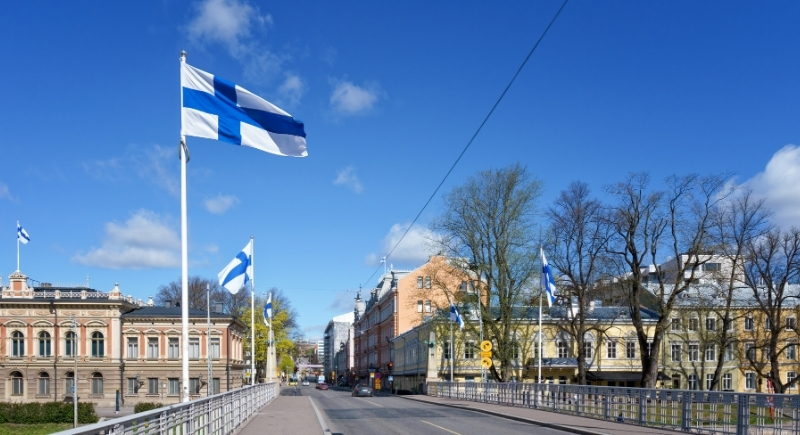
Image via Getty Images/Finmiki Images
Speeding is one of the leading causes of traffic deaths worldwide. About 3,400 people die in crashes every day, adding up to nearly 1.25 million deaths each year. The World Health Organization says speeding plays a part in around one third of those fatalities. Finland views its income-based structure as one piece of a broader safety plan.
Several European countries can jail repeat speeding offenders. Others focus on changing road design. Sweden pushed toward safer roads by adding roundabouts, reducing intersections, separating bike lanes and building pedestrian bridges. These changes protect people classified as vulnerable road users, a group that includes pedestrians, cyclists and motorcyclists.
Tech-based solutions are growing too. In the UK, telematics devices or black boxes track how someone drives. Insurance companies reward safe drivers with lower rates, especially young drivers who usually face the highest premiums.
Looking Ahead
The World Health Organization predicts traffic deaths will rise as more people in developing regions buy cars. New ideas are needed to slow that trend. Finland’s income-based system stands out because it makes speeding risky for every driver, even those with large incomes. When a ticket can reach $140,000, hitting the gas doesn’t look so harmless.
Finland’s approach continues to spark debate, but one thing is clear. A fine carries more weight when it’s designed to matter for everyone on the road.