Finland Put Dirt in Daycares After Study Found Children Exposed to Nature Increased Immune Regulating Cells
Our relationship with dirt has never been very relaxed. If kids start making mud pies, splashing through puddles, or come home covered in grass stains, most adults immediately think about baths and clean clothes. Dirty usually means messy, and messy usually means time to clean up. But researchers in Finland looked at all that dirt a little differently. They wondered if children today were actually missing the kinds of bacteria kids used to naturally grow up around.
That thinking led to one of the more unusual public health experiments in recent years. Scientists and daycare workers started bringing forest soil, moss, shrubs, and patches of woodland plants into urban playgrounds after research suggested modern childhood might be a little too sanitized for the immune system.
At first, the whole thing sounded pretty odd. Truckloads of dirt arriving at daycare centers in Lahti hardly felt like cutting-edge science. Still, only weeks later, researchers began noticing changes. Children who spent their days digging, climbing, and playing on these recreated forest floors started showing measurable biological changes.
Finland’s Daycare Experiment Started With a Big Problem
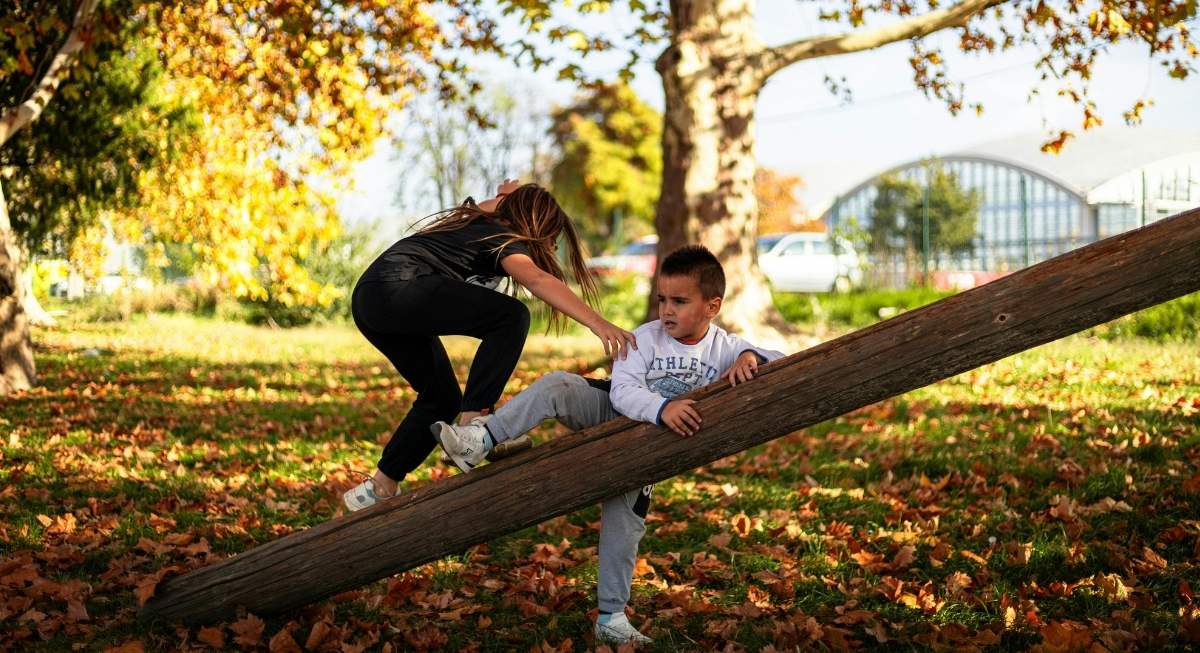
Image via Pexels/Boris Hamer
Researchers at the University of Helsinki and the Natural Resources Institute Finland focused on a growing concern: allergies, asthma, autoimmune diseases, and weakened immune responses among children living in urban environments.
Scientists suspected kids were losing regular contact with the diverse microbes humans evolved alongside for thousands of years. Asphalt playgrounds, rubber safety mats, and indoor-heavy lifestyles left little room for the bacteria and fungi commonly found in forests and soil.
To test the theory, researchers transformed several urban daycare yards with natural materials collected from Finnish forests. Moss, peat, shrubs, grass, and woodland soil replaced gravel and synthetic surfaces in play areas used by children between the ages of three and five.
The children spent about 90 minutes a day outside interacting with the new environment. They dug in the dirt, handled plants, climbed around logs, and played exactly the way kids usually do once adults stop telling them to stay clean. Researchers tracked 75 children across 10 daycare centers during the study.
The Advancements Happened Quickly

Image via Canva/Jacob Lund
Within 28 days, scientists found measurable changes in the children’s immune systems. The kids exposed to forest vegetation and soil developed higher levels of T regulatory cells, which help control the immune system and reduce the risk of autoimmune disorders. Researchers also found increased microbial diversity on the children’s skin and in their gut bacteria.
At the same time, certain harmful bacteria linked to inflammatory diseases became less common. That timeline surprised even researchers involved in the project.
The findings also supported the “old friends” hypothesis. The theory suggests humans developed alongside naturally occurring microbes in soil, plants, and forests, and the immune system still depends on contact with many of them to function properly. In simple terms, the body may need a little dirt to learn how to calm down.
Forest Daycares Already Look Different in Finland
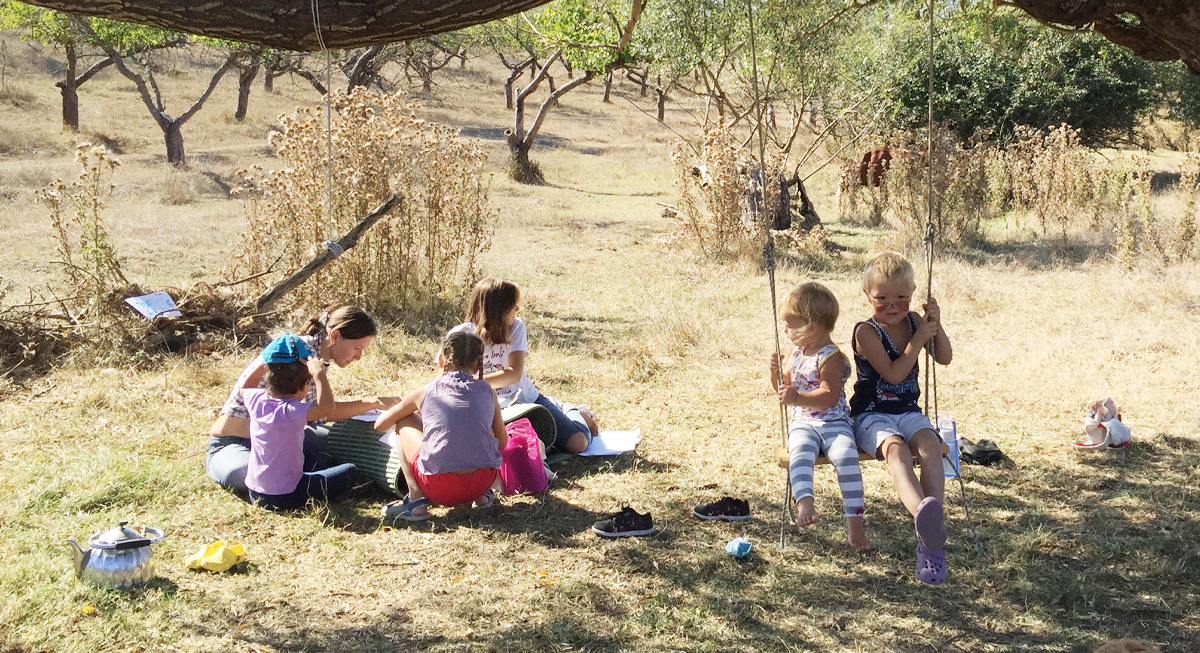
Image via Wikimedia Commons/Infotanka
The research fit naturally with something Finland had already been doing for years. At Hopealaakso nursery in Helsinki, an outdoor-focused group called Samoojat spends almost the entire day outside, even during winter. Kids head into forests, build shelters from branches, pick berries, and eat meals outdoors despite temperatures regularly dropping below freezing.
Teachers say they notice changes over time. Children become more active, more independent, and more comfortable figuring things out on their own. They carry gear, help organize supplies, and work together as they explore. Parents noticed changes too. One father said his son used to resist going to daycare, but after joining the outdoor group, he started looking forward to his mornings in the forest.
Researchers believe some of those benefits stretch beyond physical health. Studies linked outdoor learning to stronger social skills, greater resilience, greater environmental awareness, and lower stress levels in children.
Dirt Became a Public Health Conversation
The Finnish experiment caught attention outside the country because it challenged a habit many parents know well.
That idea has already influenced daycare design in Finland. Some centers added more plants, soil areas, gardens, and natural play spaces. Researchers and educators from Norway, Denmark, and Iceland also visited Finnish programs to see if the approach could work elsewhere.