10 “Polite” Financial Habits That Are Actually Costing You Thousands
You may think that only big decisions can make or break your bank balance, but everyday habits often determine how much money you actually keep. Many of these behaviors feel responsible or harmless, so they rarely come under scrutiny. A few dollars here, a small fee there, or a routine expense can quietly add up to hundreds every month. Over a year, that total can reach thousands. Once you start noticing these patterns, it becomes easier to understand where your money is going and how to keep more of it.
Letting Subscriptions Continue Unchecked
Credit: Getty Images
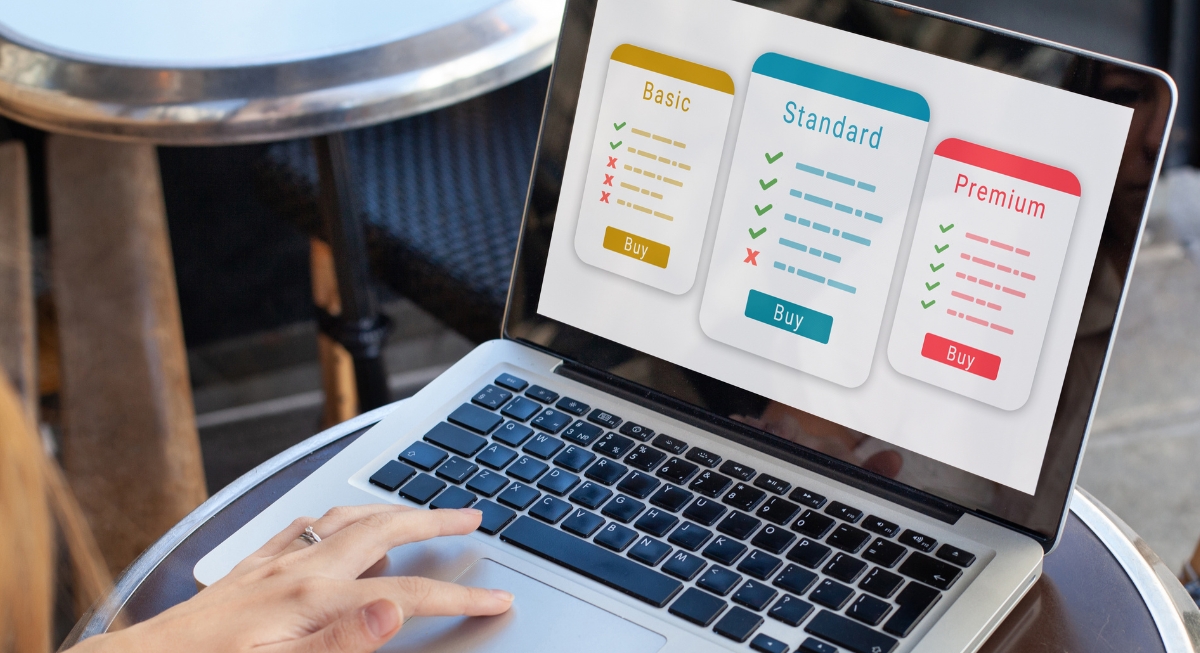
You might still be paying for subscriptions you no longer use or even remember signing up for. Free trials tend to roll into paid plans without you realizing, and those charges continue to be deducted from your bank account. Canceling unused services can save hundreds each year, all without affecting your daily routine or overall lifestyle.
Using Credit Cards Without Full Repayment

Credit: Canva
It may be difficult to pay your credit card balance in full each regular cycle, especially when expenses start to pile up. Still, doing so makes it easier to avoid high-interest charges that can reach 25% or more. Even small balances grow significantly under these rates. Paying in full keeps your expenditure aligned with your actual income.
Paying Bills Late Despite Available Funds

Credit: Getty Images
When people run late on bill payments, it usually comes down to disorganization rather than a lack of funds. Missing due dates leads to late fees and higher interest charges that repeat each time it happens. These added costs slowly accumulate, and credit scores also drop, which can affect future borrowing.
Ignoring Insurance Policy Reviews

Credit: Canva
Insurance coverage typically remains unchanged for years, even as personal needs change. Many policies include features that no longer apply, yet premiums continue to rise. Experts highlight that shopping around can reveal better rates or discounts. Reviewing policies annually identifies unnecessary coverage. It ensures you only pay for what you actually need.
Relying Heavily on Food Delivery Services

Credit: Canva
Preparing meals at home is usually the most cost-effective way to manage food expenses. It gives you control over ingredients and portion sizes without added fees. Food delivery services, by comparison, include service charges, delivery costs, and higher menu prices. Surveys show that frequent dining out also substantially increases monthly spending.
Dismissing Small Daily Purchases

Credit: Canva
A coffee or snack seems harmless, but repetition turns these into steady expenses. Data shows impulse spending can reach $150 each month. Over a year, that adds up to $1,800 lost to routine habits. Tracking these costs helps reveal patterns that are often overlooked.
Keeping Money Idle Instead of Investing

Credit: Canva
Saving money without investing limits its growth potential over time. Low-interest accounts provide security but do little to increase value. Historical data shows the stock market averages at least 7% returns after inflation. Many people miss this growth by avoiding investment entirely.
Avoiding Budget Planning
Credit: Getty Images
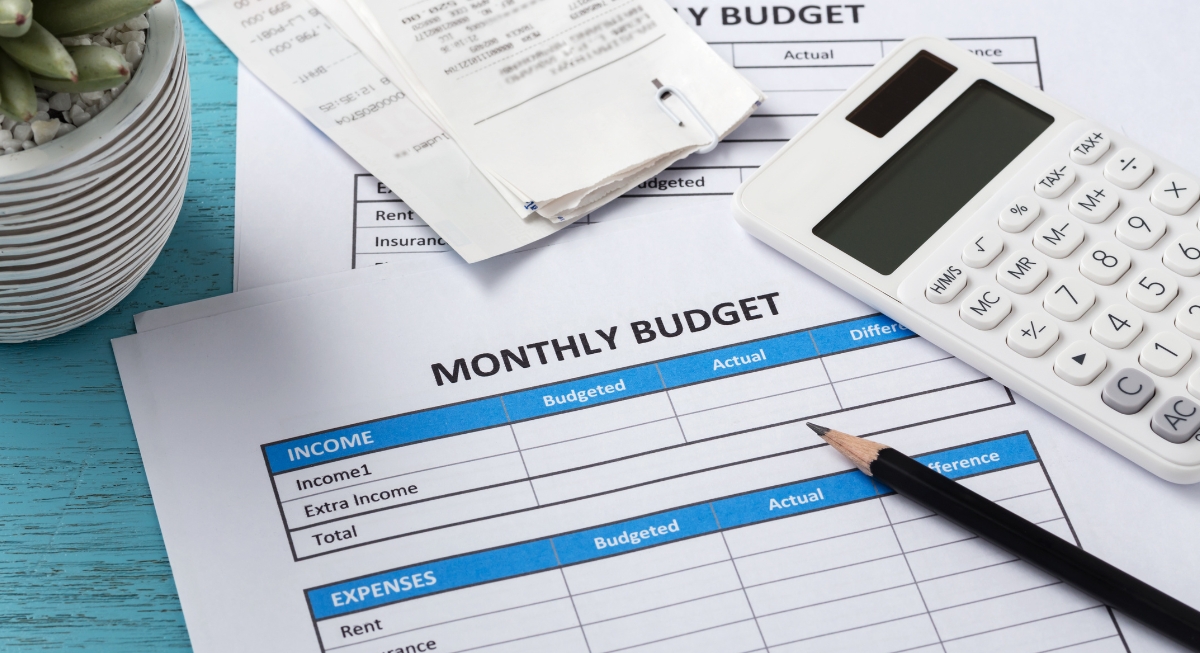
Start by writing down your monthly income and listing all your fixed and variable expenses. This simple step creates a clear picture of where your money goes. A budget gives you a way to spot unnecessary purchases. Otherwise, you will constantly be at risk of overspending.
Failing to Set Financial Goals

Credit: Canva
Financial goals influence how people manage money on a daily basis. Without them, outflows usually reflect mood or routine instead of priorities. Experts explain that clear goals improve saving behavior. A defined target creates motivation and direction. It also helps lower impulse purchases and encourages consistent saving.
Making Impulse Online Purchases

Credit: pexels
People frequently make impulse purchases when they feel sad or even excited, and online shopping makes that urge easier to act on. Quick checkout systems reduce the time needed to think through a decision. This leads to buying items that offer little lasting value. Adding a 24-hour waiting period creates space to reconsider. The delay supports better judgment and prevents unnecessary costs.