10 U.S. Cities That Have Become Significantly More Expensive in the Last Decade
Home values grew by more than 95% nationwide over the last decade, while inflation drove up everyday expenses. In many metropolitan areas, wages didn’t keep pace, and the squeeze became impossible to ignore. The following cities stand out for steep jumps in housing prices, rising living costs, or both, and each one shows how quickly a place can change when demand surges.
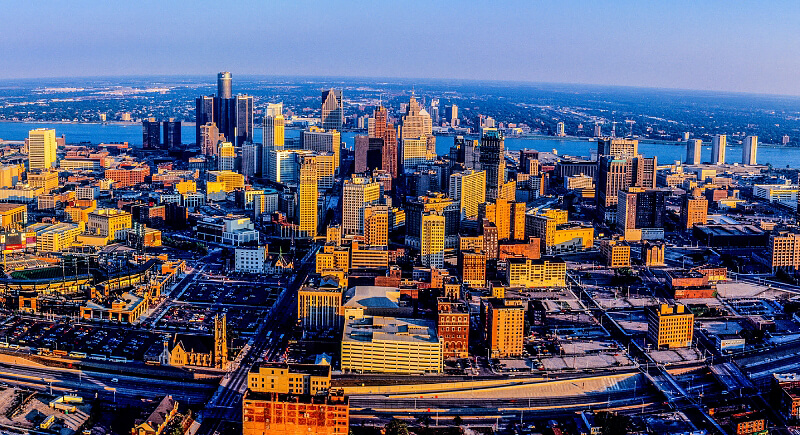
Detroit
Credit: Getty Images
The city shocked many people with a 203.3% increase in home prices between 2014 and 2024, one of the most significant jumps in any central metropolitan area. Median values more than tripled as buyers took advantage of low starting prices and renewed interest in older neighborhoods. The shift came after years of population decline, but investor activity and a growing downtown helped fuel demand.
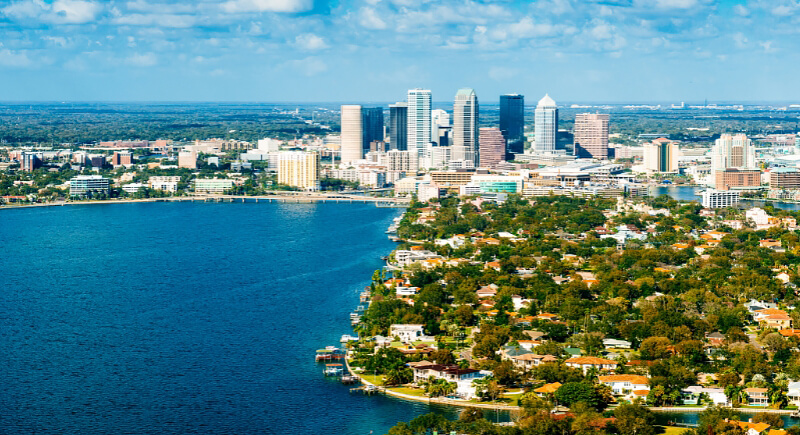
Tampa
Credit: Getty Images
Housing in Tampa has seen a 175.4% rise over the last decade. People moved in from higher-cost areas, and strong job growth added even more pressure. Rents rose as bidding wars became the norm, and demand remained intense even as mortgage rates increased. The city’s popularity created a pace of appreciation that nearly doubled the national average.
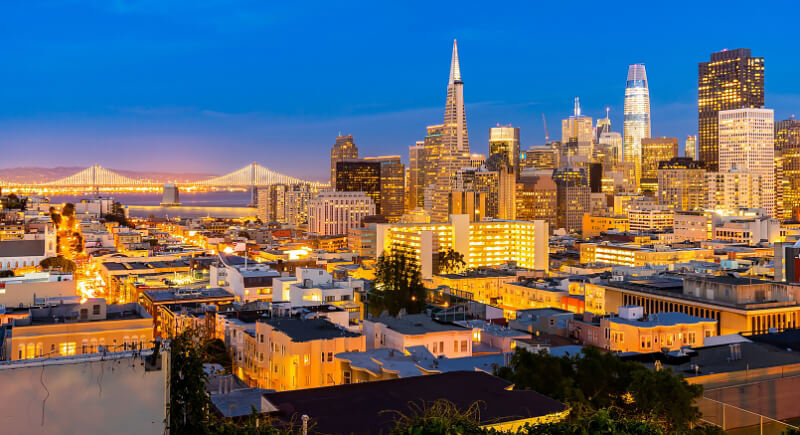
San Francisco
Credit: Getty Images
Living costs in San Francisco climbed so sharply that housing ended up 106.9% above the national average by 2020. Home prices also rose 32.8% from 2014 to 2024, even after a slowdown. Limited land, strict building regulations, and a surge in tech wealth propelled the city into a category of its own. Small condos in the metro routinely list for totals that would buy large houses elsewhere.
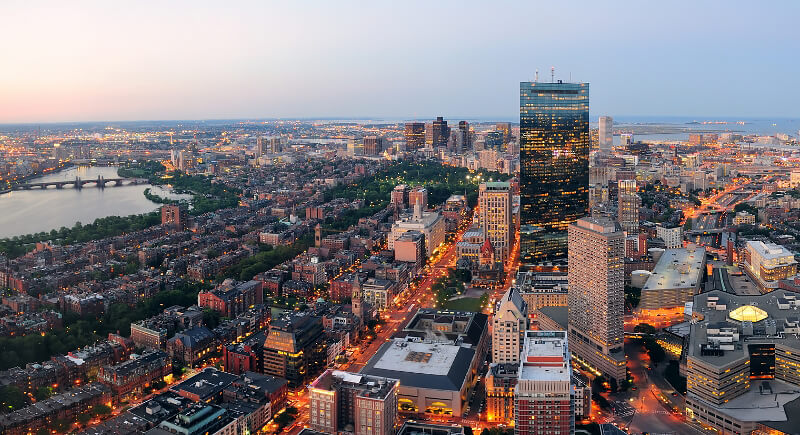
Boston
Credit: Canva
The city became dramatically more expensive, with housing costs 48.3% above the national average by 2020. Overall living costs rose by 21% over the same decade, and home prices continued to increase through 2024, with a total rise of 64.7%. A steady flow of students, medical professionals, and tech workers kept demand high even as inventory stayed tight.
Denver
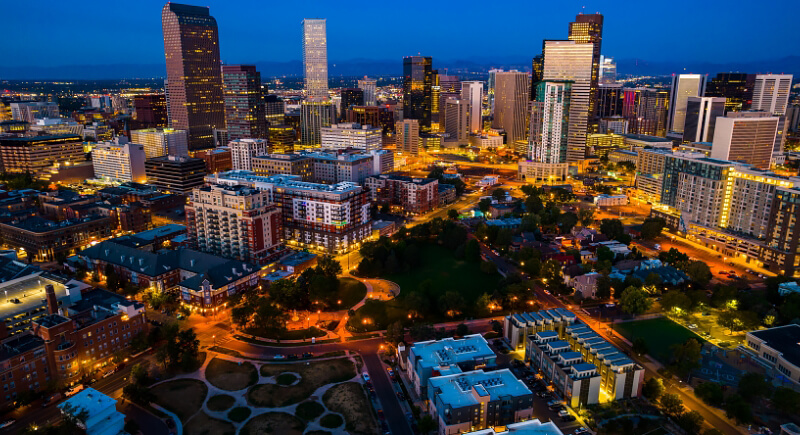
Credit: Getty Images
Denver’s housing rose 45.7% above the national average by 2020, and the overall cost of living increased 22.9% over the decade. Home prices then continued their upward climb, fueled by steady population growth and rising incomes. The city once appealed to buyers priced out of coastal metros, but the rapid appreciation changed that, and first-time buyers now face stiff competition in most neighborhoods.
Phoenix
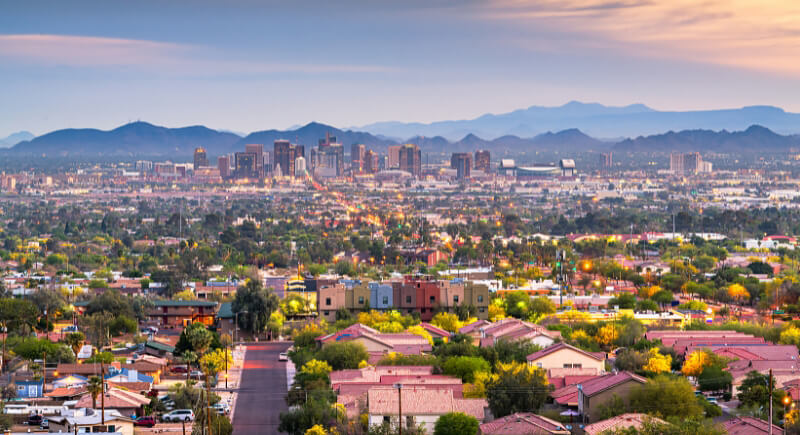
Credit: Getty Images
Prices in Phoenix surged 141.6% over the past 10 years, ranking among the fastest-growing large cities for appreciation. A steady stream of new residents, strong job growth, and tight inventory pushed values higher each year. Homes that once sat within the affordable range now require budgets that stretch working households to the limit.
Dallas
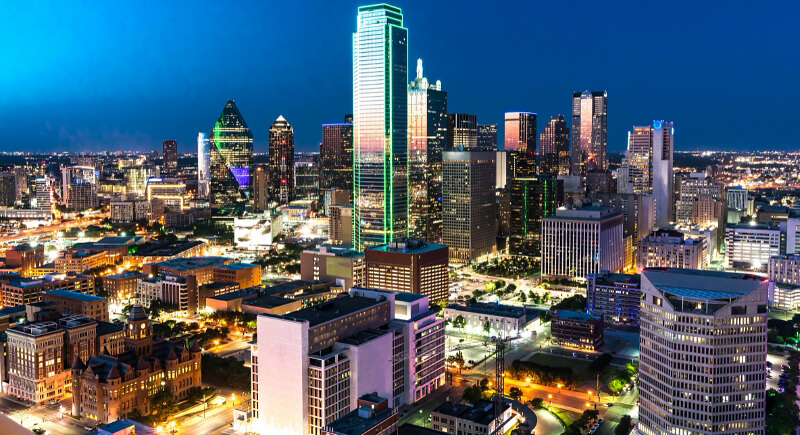
Credit: Canva
Dallas experienced a 20.3% increase in overall living costs from 2010 to 2020, and home prices rose 145.8% in the subsequent decade. Population growth outpaced the supply of new homes even though construction remained busy. Housing costs ended up 12.1% above the national average, and utilities added another heavy burden with a 13.3% increase.
Austin
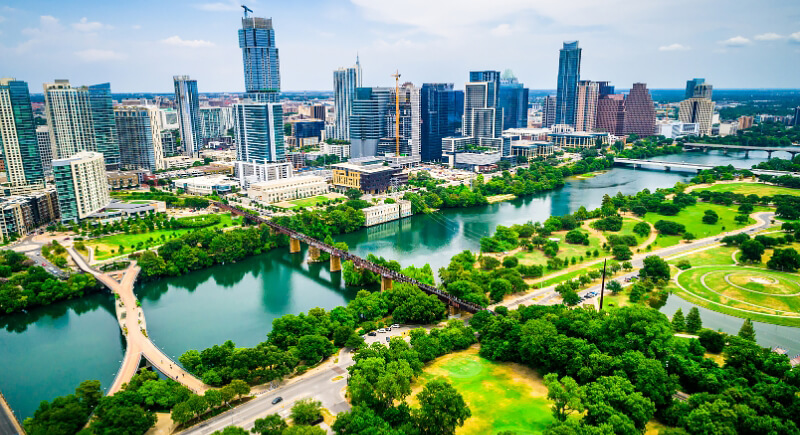
Credit: Getty Images
The metro became one of the country’s most expensive after home prices rose 85.4% from 2014 to 2024, and living costs climbed 17.8% earlier in the decade. Tech jobs arrived quickly, and demand for housing exploded. By 2020, housing costs were more than 20% above the national average.
Miami
Credit: Getty Images
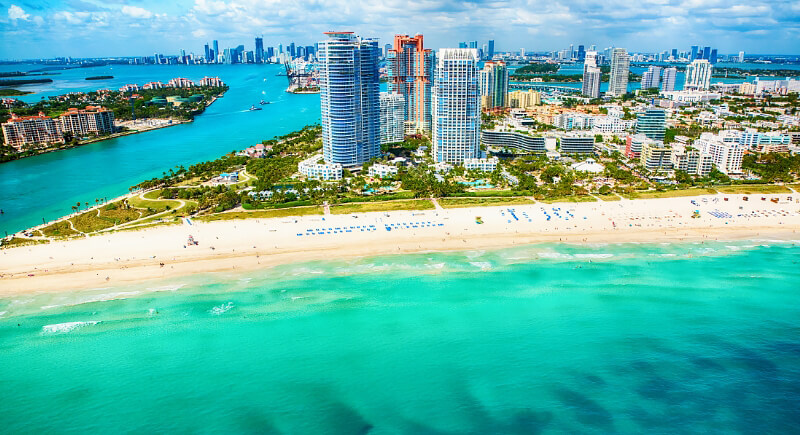
Real estate in Miami shot up 44.1% above the national average by 2020, and living costs rose 21.3% over the decade. Home values continued to rise into 2024, driven by steady migration and limited land availability.
Portland
Credit: Getty Images
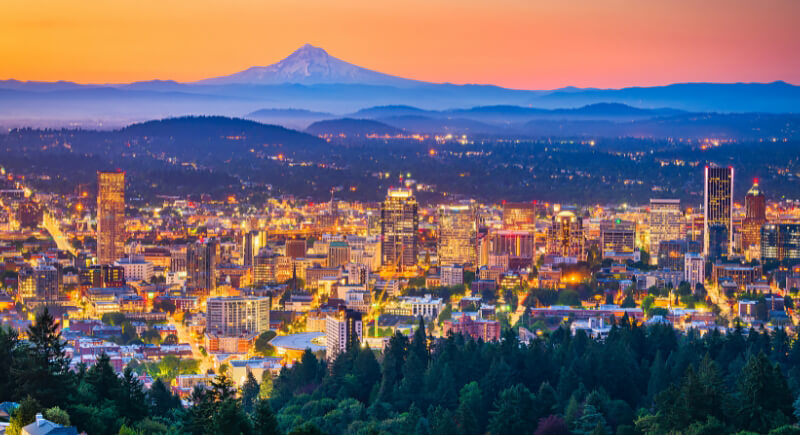
Portland’s cost of living rose 22% from 2010 to 2020, driven mainly by a 30.5% increase in housing costs. Prices then continued to climb, rising 68.6% from 2014 to 2024. The city attracted remote workers, young professionals, and buyers relocating from pricier states. Demand outpaced supply, and affordability weakened across both rentals and for-sale properties.