10 European Destinations That Are Still Dirt Cheap in 2026
Europe continues to become more expensive, but many places still make it easy to travel well without draining your savings account. The trick in 2026 is to skip the usual headline cities and focus on spots where daily costs stay low, and flights are still competitive. Many of these destinations are ideal for a three- or four-day trip. Cheap does not mean boring here, as these cities offer history, vibrant food markets, walkable centers, and enough character to feel like a genuine escape.
Sarajevo
Credit: Getty Images
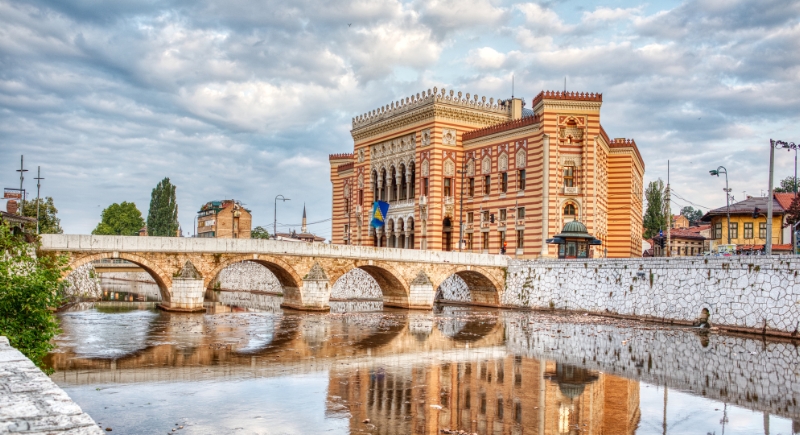
Daily costs in Sarajevo stay impressively low, even by Balkan standards. A filling local meal averages around $8, coffee often costs about $2, and public transport tickets cost under $1. The old town, Baščaršija, is compact and walkable. Museums covering the city’s recent history usually charge between $4 and $9.
Sofia
Credit: Getty Images
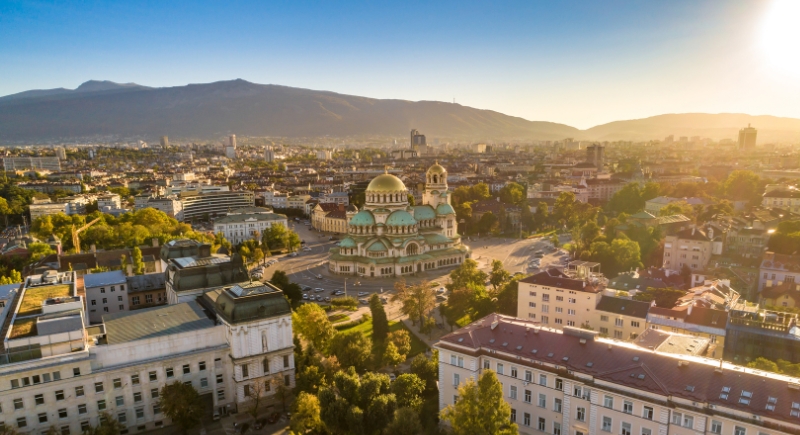
In Sofia, walking does most of the work, and that alone saves money. Casual meals average around $9, beer costs $2.50, and many landmarks are free to view from the outside. Roman ruins are often located directly beneath modern streets, and major churches may charge a small entrance fee, if any. Even five-star hotels regularly price rooms below $100 per night.
Braga
Credit: Getty Images
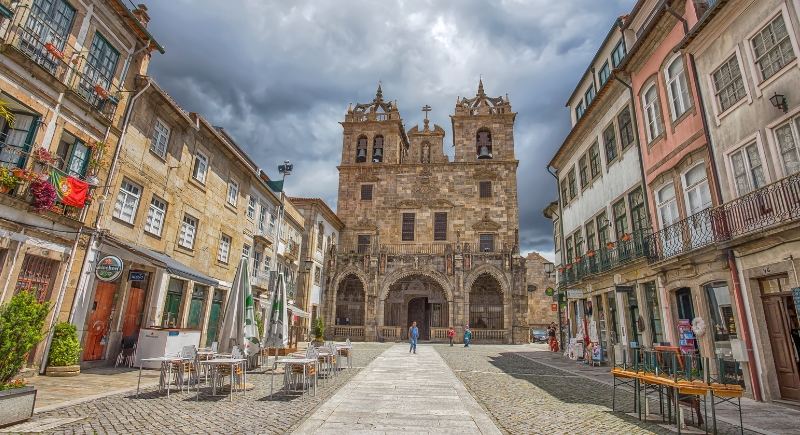
Braga flies under the radar compared to Lisbon and Porto, which keeps prices low throughout the year. Coffee costs around $1.50, meals often stay under $10, and guesthouses regularly list rooms for $30 per night. The city’s religious landmarks charge modest entry fees, and much of the historic center feels like an open-air museum that costs nothing to enjoy.
Bucharest
Credit: Getty Images
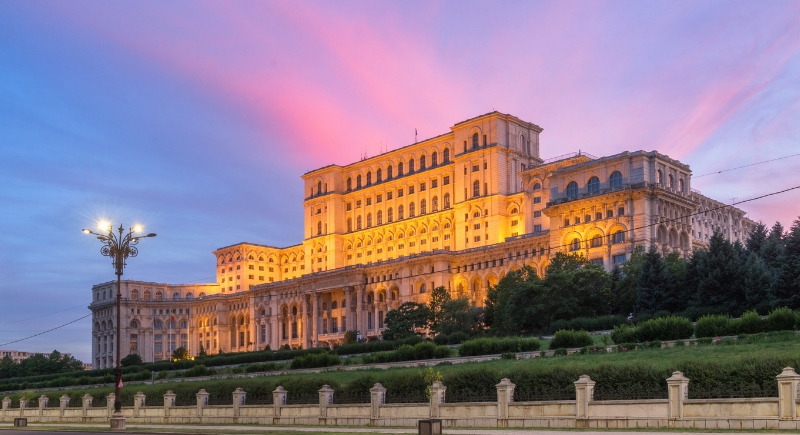
Spa days may not usually sound budget-friendly, but Bucharest turns that idea on its head. Three-hour sessions at major thermal complexes start around $13, while full-day access remains affordable. Beer costs roughly $2.50, and metro rides come in under $1. The Old Town is packed with bars, cafés, and historic buildings.
Kraków
Credit: pixabay
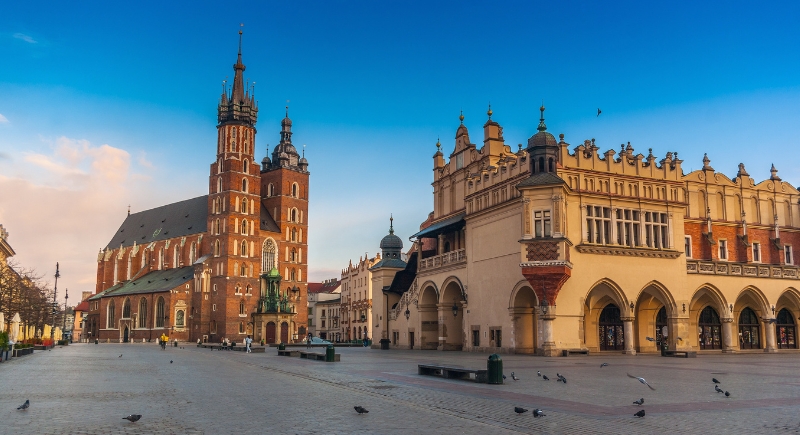
History fills nearly every street here, and much of it costs nothing. Meals average about $8, and hostel beds often cost less than $20 per night. The main market square anchors the city, so wandering replaces paid attractions for hours on end. Many museums offer free entry on one day per week, which helps stretch budgets even further.
Tirana
Credit: Canva
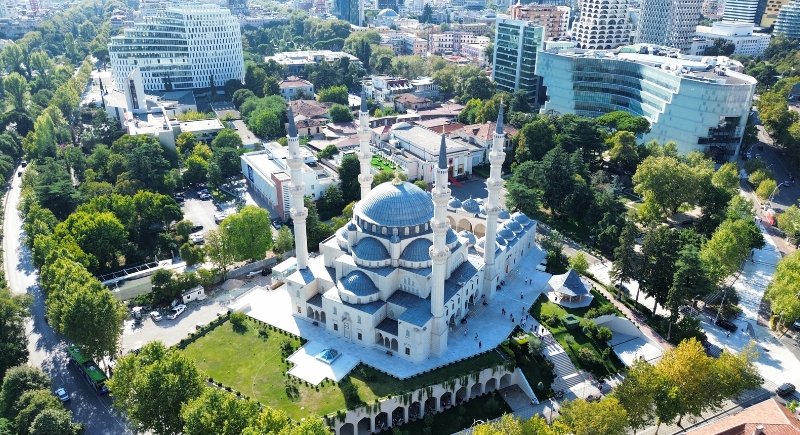
Tirana is defined by colorful buildings and low prices. A casual meal costs around $9, coffee stays under $2, and buses cost only a few cents. Former communist bunkers now operate as museums with combined tickets around $11. Rooftop views from the Pyramid of Tirana are free.
Seville
Credit: Canva
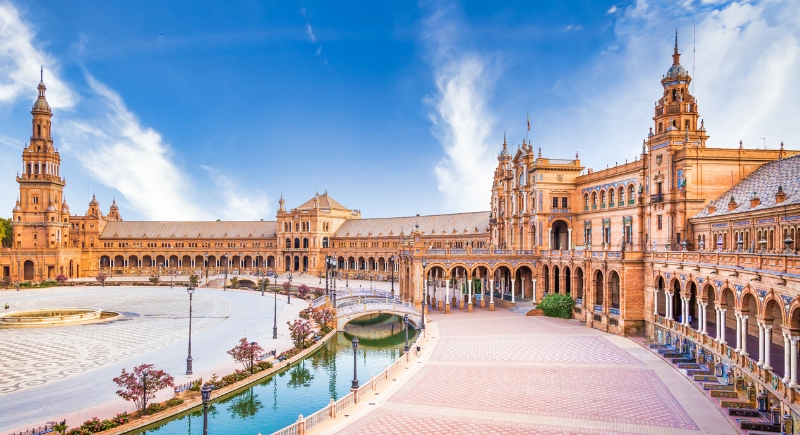
Winter is when Seville shines for value. Flights drop sharply outside summer, and daytime temperatures stay between 60°F and 70°F. Tapas plates often cost just a few dollars, and local wine remains inexpensive. Major sights like Plaza de España and Parque de María Luisa offer hours of exploring without any entrance fee.
Budapest
Credit: pexels
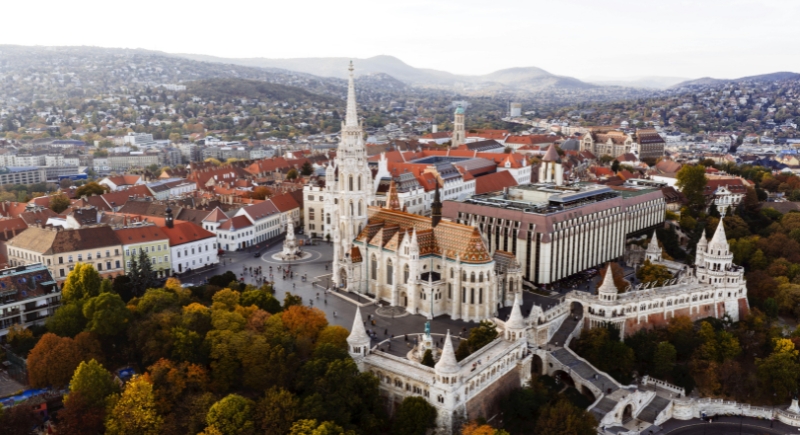
Thermal baths are common in Budapest, and budget options start around $6. Beer prices average $2.30, while public transport tickets cost about $1.15. Walking across the Danube bridges replaces river cruises for travelers. Hills, parks, and castle grounds provide panoramic views without paid admission.
Riga
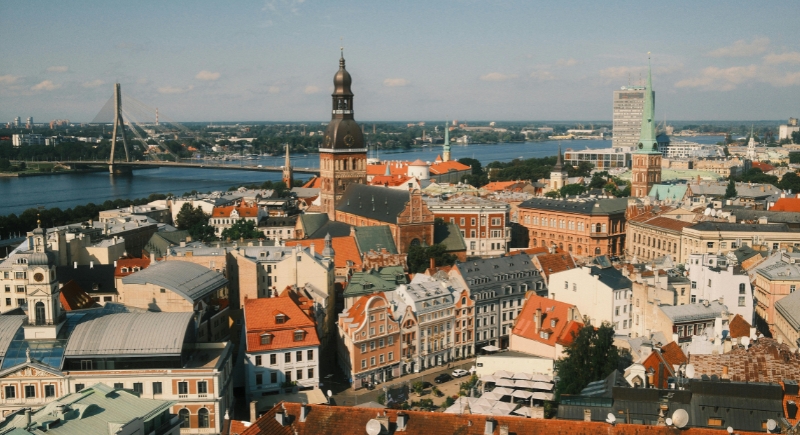
Credit: pexels
Riga remains one of Northern Europe’s better deals. Accommodation averages around $27 per night, and daily food spending lands near $30. Art Nouveau streets dominate the center, and free walking tours explain the city’s past in detail. Trains to nearby beaches and nature areas are inexpensive, too.
Tbilisi
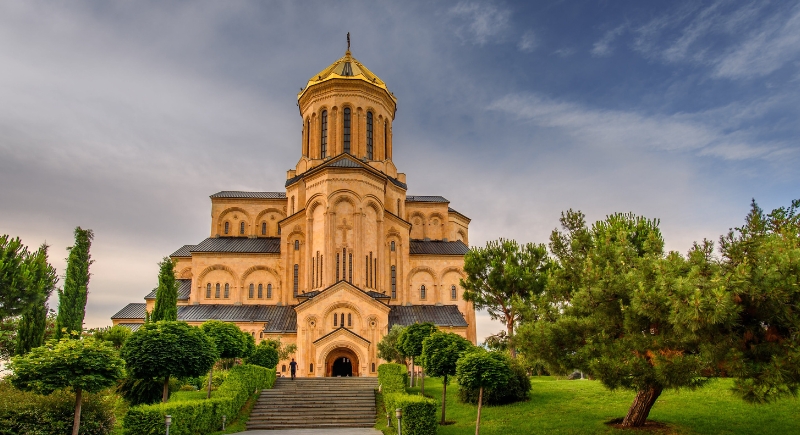
Credit: pexels
Few European cities stretch money like Tbilisi. Guesthouses often charge around $15 per night, and full meals regularly cost under $5. The old town reflects centuries of Silk Road trade, while newer neighborhoods show rapid growth. Local wine is cheaper than bottled water in many places.
Ljubljana
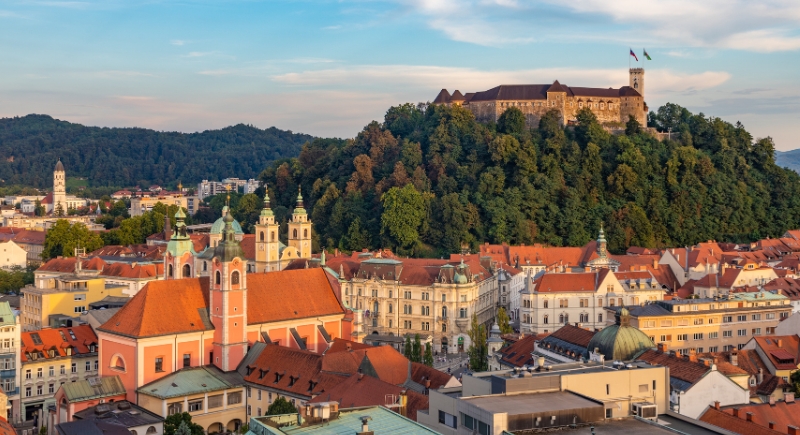
Credit: Canva
Slovenia’s capital remains affordable due to its compact size and efficient layout. Most visitors get around on foot, which cuts transport costs entirely. A casual meal typically costs between $10 and $12, while coffee costs around $2.50. Budget accommodations frequently list rooms for around $25 per night.
Thessaloniki
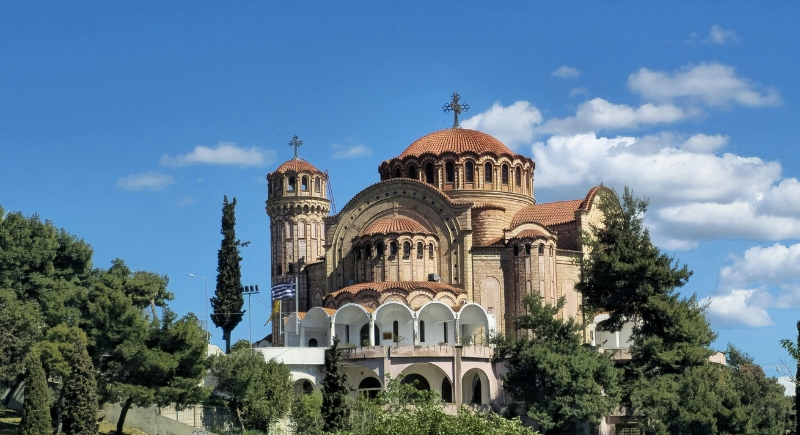
Credit: pexels
Greece is rarely associated with cheap travel, but Thessaloniki breaks that stereotype. Thanks to its large student population, food and nightlife prices stay grounded. A beer averages about $5, meals come in near $13, and bus tickets cost well under $1. Historic landmarks, such as Byzantine churches and seaside promenades, are mostly free, and nearby beaches offer an easy and low-cost escape during the warmer months.