10 Things Europeans Find Weird About America
Spend a few weeks in the United States as a European, and the differences start showing up in everyday moments. Lunch plates arrive twice the size you expected. The price on the shelf is not the price you pay at the register. Strangers chat with you in line. None of it feels dramatic, but it does feel unfamiliar. After a while, these small surprises become the stories you tell when you get home.
“How Are You?” as a Greeting

Credit: Getty Images
Residents and citizens of the U.S. use “How are you?” as a routine greeting in shops, restaurants, and offices. The phrase signals politeness and keeps interactions moving smoothly. Many Europeans answer the question sincerely at first and expect a detailed reply in return. But a casual response creates mild confusion. In several European cultures, people ask about someone’s well-being when they genuinely want information.
Large Portion Sizes
Credit: Youtube
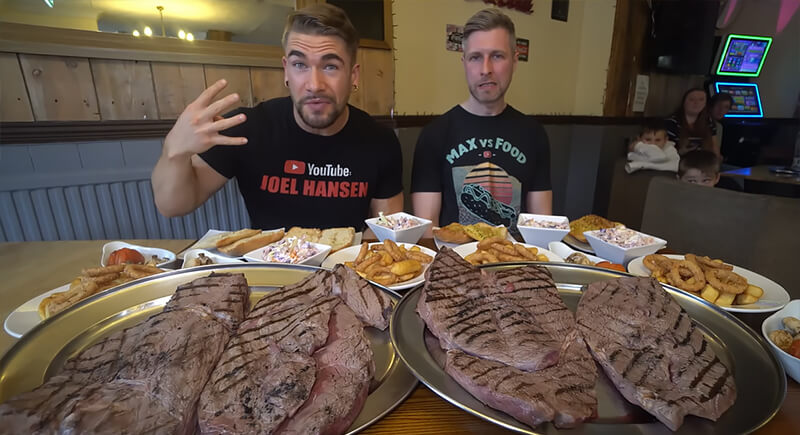
Countries across Europe tend to serve more moderate portion sizes in restaurants, and diners usually expect to finish what is on their plate. Taking leftovers home is less common in several places, and some people do not even ask for a box. In the United States, larger servings and the common practice of boxing leftovers define the overall dining experience for guests.
Drinks Filled with Ice
Credit: Canva
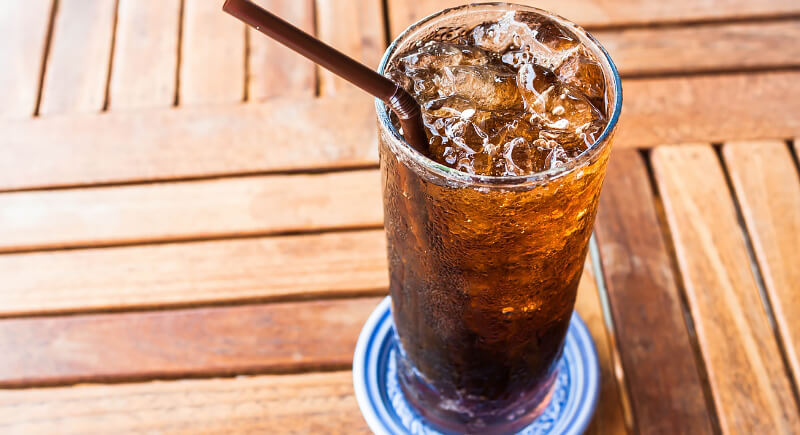
Order a soda in the United States, and the server will usually fill the glass with ice before adding the drink. Ice can occupy most of the cup’s volume, and Europeans frequently notice this detail. The reason is that restaurants on the continent add little or no ice unless a customer asks for it. Americans tend to expect very cold beverages, and heavy ice keeps drinks chilled longer.
Free Refills on Soda and Coffee
Credit: Getty Images
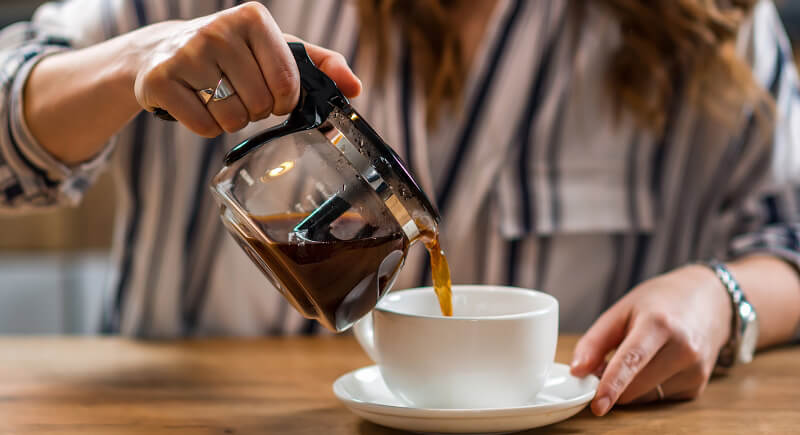
Free refills became common in American casual dining and fast food chains, and they remain part of the standard experience. Many restaurants include unlimited soda or coffee in the initial price, so customers rarely think twice about ordering another glass. Servers also normally top off drinks automatically, sometimes even before the first one is finished.
Sales Tax Added at Checkout
Credit: Canva
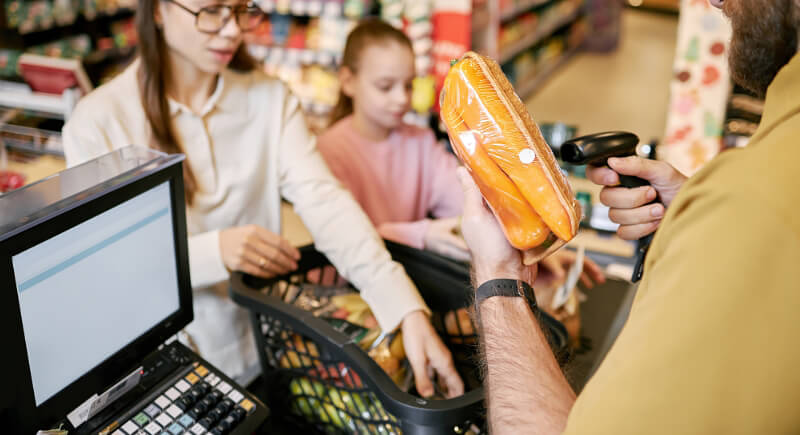
What most people do not know is that America usually displays prices without sales tax included. The number printed on the shelf is not the final amount you will pay. Shoppers only see the full total at the register. In most European countries, tax is already built into the listed price, so the receipt matches the tag.
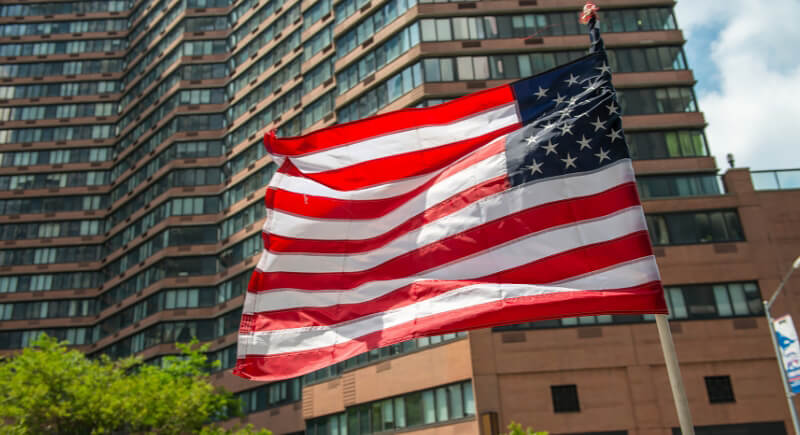
Flags Displayed in Public and Private Spaces
Credit: Canva
American flags are not an unusual sight outside homes, businesses, schools, and public buildings throughout the year. On the other hand, many Europeans come from countries where people display national flags mainly on official holidays or during sporting events. The steady presence of the flag in the United States reflects a visible expression of national identity.
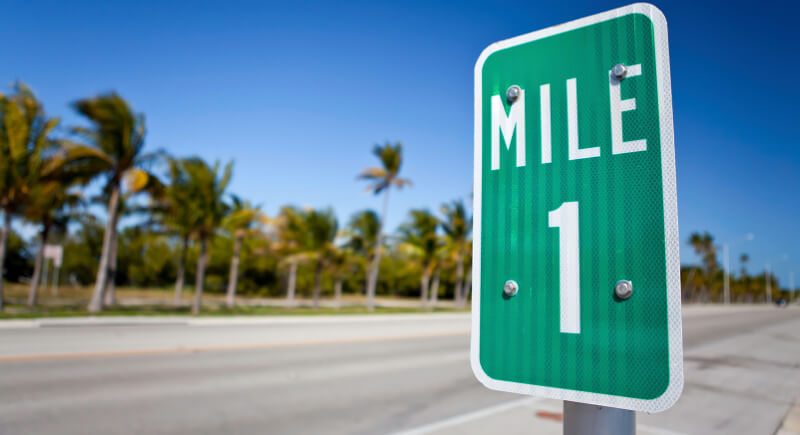
Miles and Fahrenheit Instead of Metric
Credit: Getty Images
If you are from Europe, you probably think in kilometers and Celsius without even realizing it. Road signs, weather reports, and product labels all follow the metric system. When you land in the United States, your mental setting changes because distances are measured in miles and temperatures are shown in Fahrenheit.
Saying “Thank You” Frequently
Credit: pexels
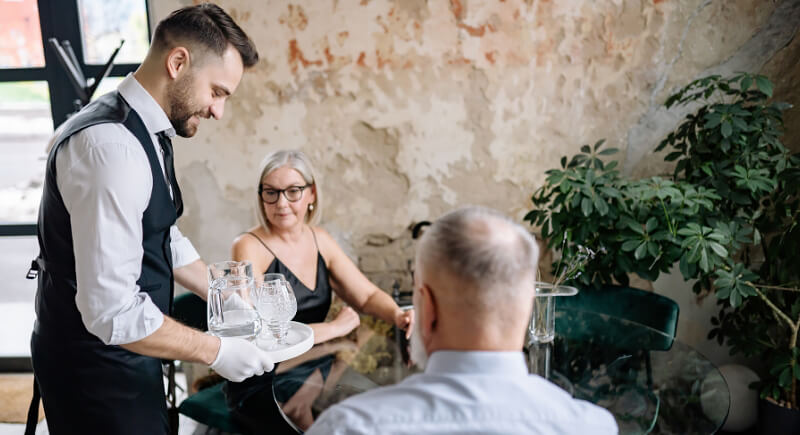
It is normal for people from the US to say “thank you” during even the smallest interactions. A server sets down a glass of water, and the customer responds with appreciation right away. Cashiers, baristas, and customers tend to exchange multiple thank-yous during a single transaction. This is because frequent thanks reflect strong service norms and social expectations around politeness.
Bathroom Stall Gaps
Credit: Reddit
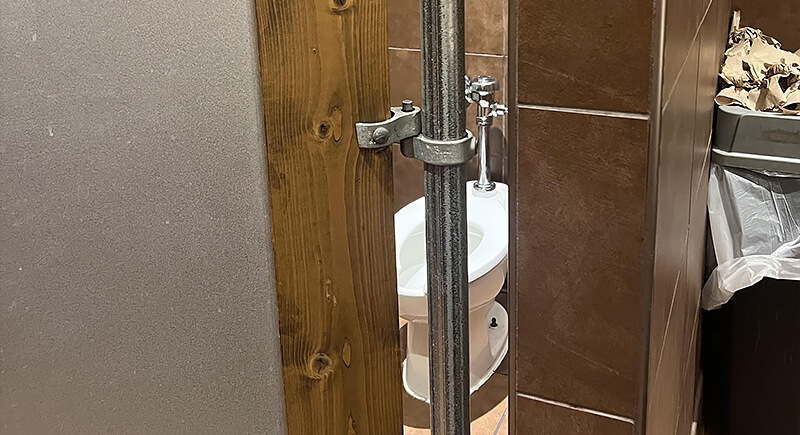
For those who grew up in Europe, public restroom design in the United States can be surprisingly exposing. Stall doors typically have visible gaps along the sides and near the floor. This reduced sense of privacy is obvious immediately to the visitors who come from a continent with tightly closed stall doors and minimal spacing.
Coffee To Go and Yellow School Buses

Credit: Getty Images
In numerous European cities, people treat coffee as a short break rather than a portable habit. They sit at a café table, drink there, and continue their day afterwards. In the States, you will see many individuals carrying a large cup on the way to work or while running errands. Bright yellow school buses in America also catch attention, since European school transport usually relies on regular buses with temporary signs instead of a standardized national design.