Laws That Will Make You Want to Move Abroad
Every country has its own standards for daily life, and in some places, the rules feel surprisingly generous. Certain laws go beyond convenience and actively improve people’s lives by offering real benefits in time, public services, and income.
These are legal guarantees, written into national systems and enforced regularly. They show how governments can define everyday life with clear priorities to consistently deliver measurable outcomes across work, family, and public access.
France: Paid Vacation is a Right

Credit: Getty Images
Getting time off in France doesn’t require negotiations or earned points. Workers have a right to at least 5 weeks of paid vacation. This standard covers most sectors and is strictly enforced. People actually take their full-time off without stigma because the law shapes a culture where rest isn’t seen as a sign of weakness.
Mexico: Workers Get a Share of Profits

Credit: Getty Images
Companies in Mexico are required to share a portion of their profits. The policy, called PTU (Profit Sharing), ensures annual payouts to eligible workers. This rule applies across industries and often arrives as an extra paycheck around May. It helps close wage gaps and keeps productivity gains connected to real income.
Luxembourg: Public Transit Costs Nothing

Credit: Getty Images
Luxembourg became the first country to offer free nationwide public transportation. Consequently, residents and visitors can ride buses, trains, and trams without buying a ticket. The system runs on public funding through taxes, which removes fare gates and payment checks. This setup makes daily commutes easier for commuters on limited budgets.
Germany: Childcare Access Starts at One

Credit: Canva
If you live in Germany and your child turns one, you have the right to a childcare spot. This law allows parents to return to work without scrambling for options or relying on informal care. The policy took effect in 2013, following a federal push to expand access to early education. On this note, local governments are to provide enough spaces or face legal challenges from parents.
Bhutan: Forest Protection is Constitutional

Credit: Canva
A minimum of 60 percent of Bhutan’s land has to remain forested under its constitution. This commitment is binding, meaning lawmakers and developers need to plan around it. The rule has helped Bhutan maintain high biodiversity levels and absorb more carbon than it emits.
EU: Flight Delays Come with Compensation
Credit: Getty Images
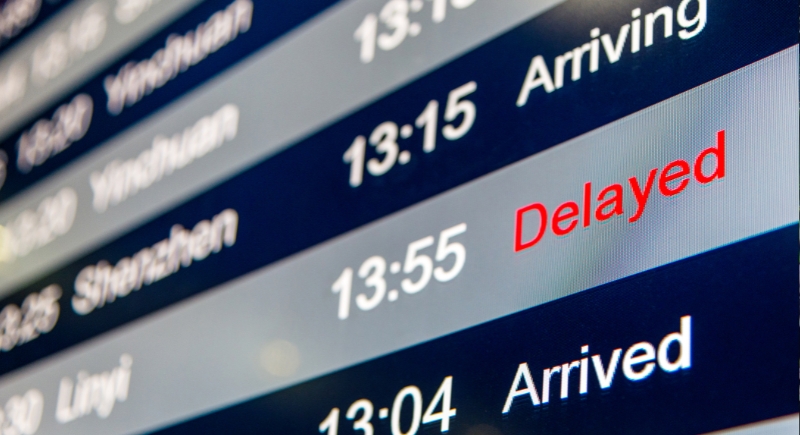
In all EU countries, passengers can claim cash compensation when flights are delayed by several hours. The rule falls under EU Regulation 261 and applies to flights within, into, or out of the European Union. However, keep in mind that the compensation depends on how long the delay is and how far you’re flying.
Netherlands: Online Returns Get a Legal 14-Day Window

Credit: Getty Images
Buying something online in the Netherlands comes with a 14-day return period, thanks to EU consumer protection rules. If shoppers regret a purchase, they can cancel and return it without needing a reason. Retailers must issue a refund and clearly disclose this right at checkout. The regulation supports fairer online shopping experiences and limits misleading practices.
France: Supermarkets Must Donate Unsold Food

Credit: Africa images
Under a 2016 law in France, large supermarkets must donate edible unsold food rather than discard it. The rule aims to reduce waste and improve food access across communities. Stores now work with food banks and charities to distribute unsold items that are safe. Businesses face fines for noncompliance, which has encouraged better inventory planning.
Sweden: Public Records Are Open to All

Credit: pexels
One of the oldest freedom of information laws in the world is in Sweden, dating back to 1766. It gives citizens the right to access government documents, including internal communications. Agencies are to respond to public record requests within a reasonable period. This tradition reinforces transparency and limits secrecy in decision-making.
South Africa: Access to Food and Water is Protected

Credit: Canva
The constitution of South Africa guarantees every person the right to sufficient food and water. If access fails, citizens can take the government to court. The law has been used in cases related to drought, service delivery gaps, and pricing. It obligates the state to prioritize these basics, especially in low-income areas.