Why Hawaii Is Mostly Empty and Owned by Billionaires
You might see Hawaii frequently crowded in travel ads, but large areas remain lightly populated or tightly controlled. A small circle of ultra-wealthy buyers owns vast acreage across several islands. Residents struggle with soaring housing prices and limited space for development, while military installations and resorts claim prime coastal territory. These patterns connect to history, geography, and policy decisions.
A Kingdom Reshaped by Contact
Credit: Wikimedia Commons
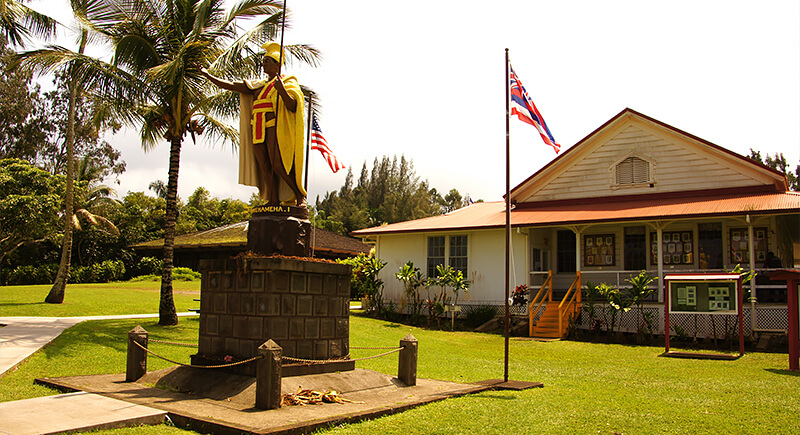
Before 1778, independent island kingdoms ruled all over Hawaii. King Kamehameha I unified the islands after a long campaign with the help of British arms. Foreign diseases and disagreements reduced the Native Hawaiian population significantly, which created labor shortages. Later, sugar exports expanded rapidly under Western management and moved the residential space into fewer hands.
Strategic Value Changed Everything
Credit: Wikimedia Commons
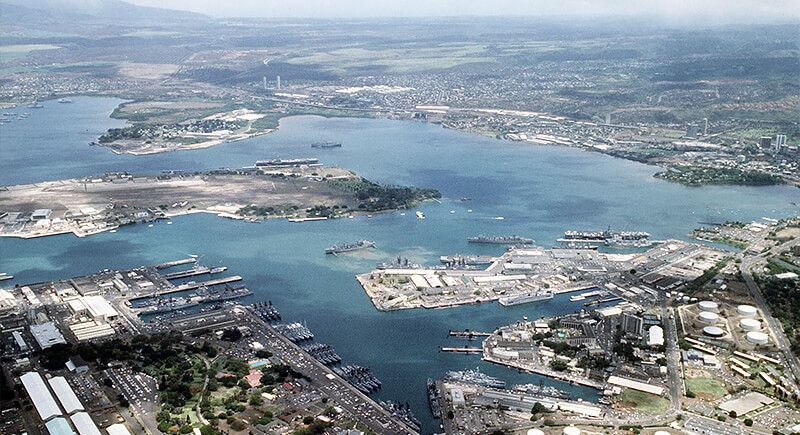
Global powers recognized the location as a military advantage in the Pacific. Pearl Harbor had deep waters suited for modern battleships, which is why the United States secured a lease in 1887 after applying political pressure. Shortly after, federal priorities began influencing where infrastructure was developed and who controlled most of the property.
The Military’s Ongoing Footprint

Credit: Getty Images
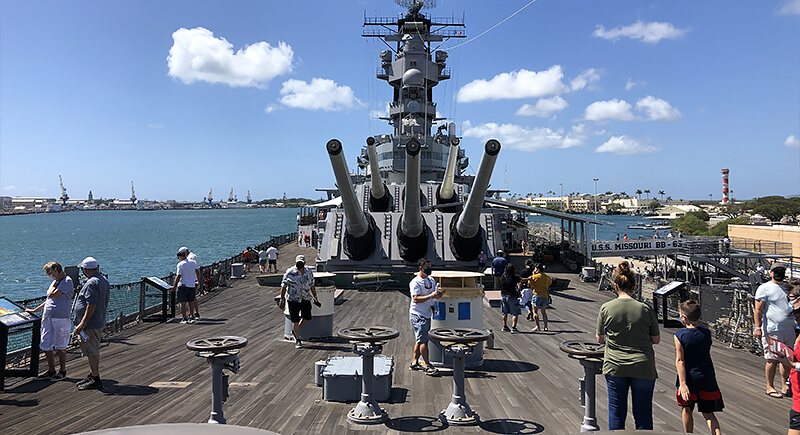
The U.S. military continues to define the economy and land distribution. Annual contributions reach billions of dollars and support over one hundred thousand civilian jobs. Military installations occupy over a portion of the land, and that space cannot serve residential or agricultural needs.
Tourism Drives Revenue and Risk
Credit: Wikimedia Commons
Millions visit the island each year, and for this reason, developers converted former farmland into resorts and vacation properties to meet demand. This generated income as well as global visibility. It also cut down on the local food production. Hawaii now imports a major part of its food and spends billions annually.
Geography Restricts Where People Can Live
Credit: Wikimedia Commons
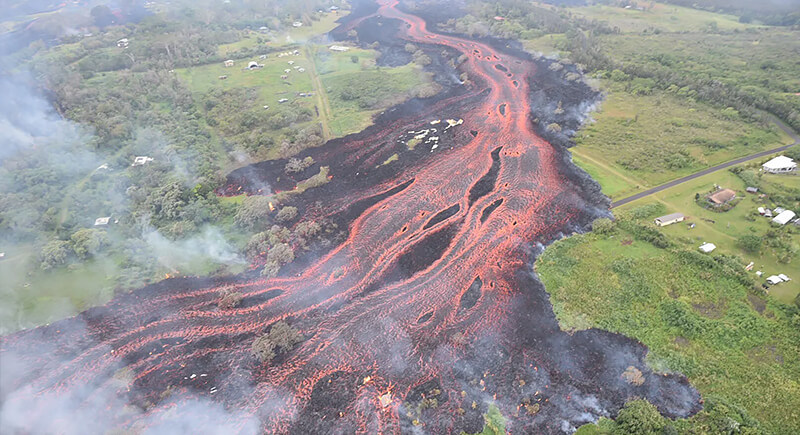
Hawaii’s total size surprises many people, yet steep volcanic terrain restricts development. Large areas of the islands cannot support dense housing. Oahu has around 1 million residents, which concentrates the population in limited coastal areas. The much larger Big Island supports roughly 200,000 people.
Housing Costs Outpace Local Incomes
Credit: Getty Images
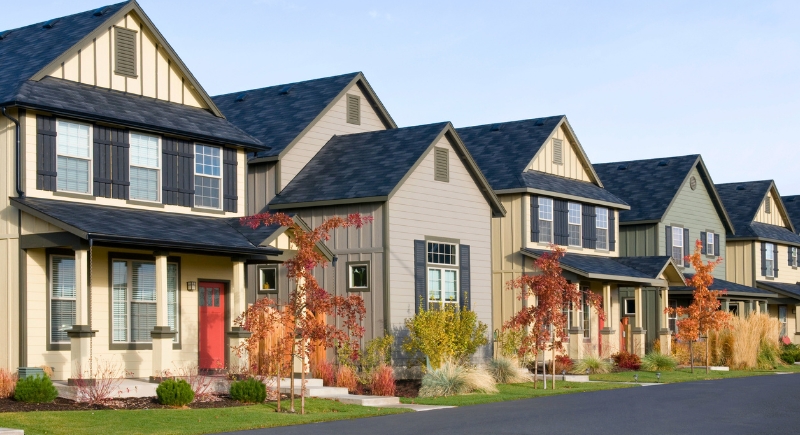
By 2023, the average home price approached $970,000. Honolulu requires roughly $200,000 annually for a comfortable living. The median individual income is near 41,000 dollars. Many residents hold multiple jobs to cover rent and utilities.
Federal Shipping Law Adds Pressure
Credit: Wikimedia Commons
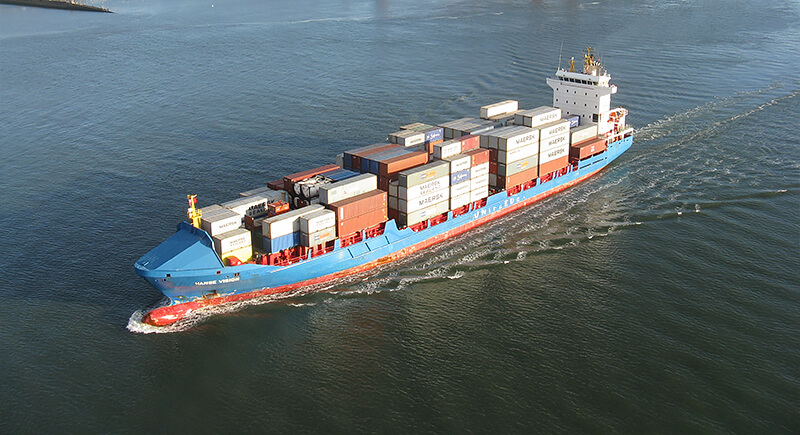
According to the Merchant Marine Act of 1920, goods transported between U.S. ports must travel on American-built and American-crewed ships. Those vessels cost a lot to build and operate as compared to several international ships. That tax premium increases the prices of groceries, fuel, and construction materials.
Natural Disasters Intensify Housing Pressure
Credit: Wikimedia Commons
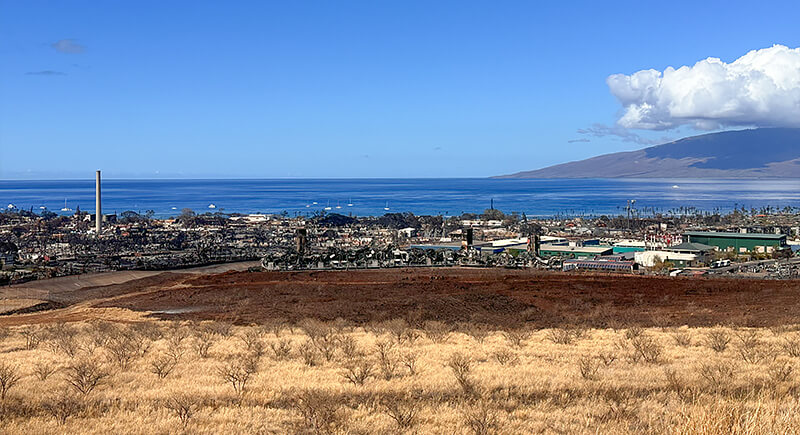
Wind-driven wildfires on Maui destroyed more than two thousand buildings. Around 5,000 residents lost their homes, and insurance premiums increased due to increased disaster risk. Rebuilding efforts now compete with a limited housing supply. Even so, public conversation intensified around land ownership after the fires.
Strong GDP Masks Uneven Reality
Credit: Getty Images
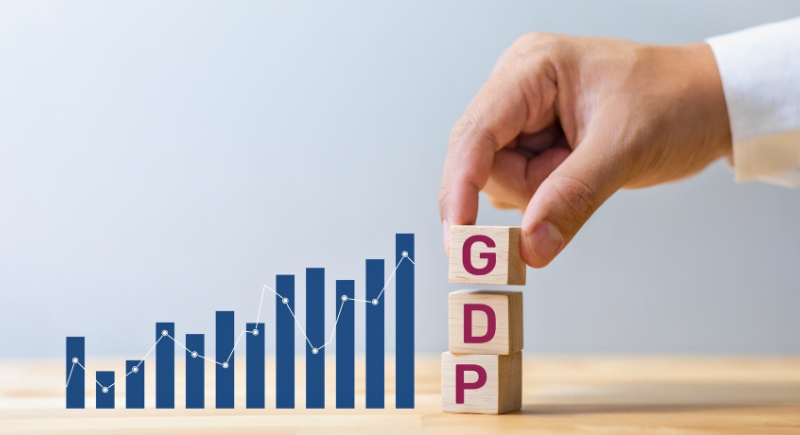
GDP per capita in Hawaii reaches about $76,000, a figure that appears strong by global standards. The state produces roughly $108 billion in annual economic output. Military spending and tourism drive much of that growth and keep headline numbers stable. Industry diversity remains limited, and high-paying sectors are scarce.
Billionaires Control Large Portions of Property
Credit: pexels
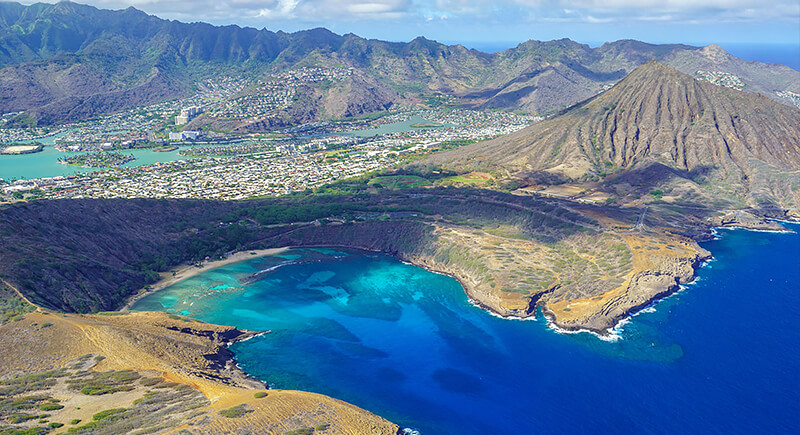
Thirty-seven billionaires control about 5% of Hawaii’s total land area. Excluding government property increases that share considerably. Larry Ellison purchased nearly 98% of Lanai in 2012. Meanwhile, Mark Zuckerberg bought more than two thousand acres on Kauai through multiple transactions. Oprah Winfrey also expanded her holdings on Maui in the past couple of years.