Places With the Weirdest Names on Earth
Most place names begin as straightforward descriptions tied to land, language, or local events. Time changes how those words sound, and meanings drift while the names stay exactly the same. What once felt ordinary can later feel strange, even confusing.
Behind these unusual names are real histories shaped by everyday decisions, habits, and moments no one thought would last. In many cases, the name outlived its original context. That oddity is often what keeps the place noticed, remembered, and talked about long after its origins faded.
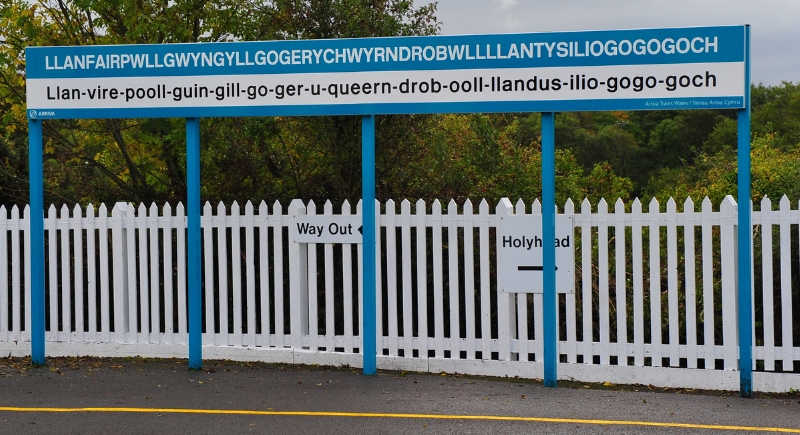
Llanfairpwllgwyngyllgogerychwyrndrobwllllantysiliogogogoch, Wales
Credit: Wikimedia Commons
This 58-letter name wasn’t always official. Locals in the 19th century used it as a publicity stunt to attract rail travelers. It translates into a winding sentence about nearby churches and a whirlpool. Most residents just call it Llanfair PG, but the full version still appears on signs and documents.
Swastika, Canada

Credit: Wikipedia
Before it became associated with Nazi Germany, this Sanskrit word meant prosperity. The Canadian town adopted it in 1908. During World War II, officials suggested changing it, but residents resisted, insisting their town’s name stood for something older and more meaningful than hate.
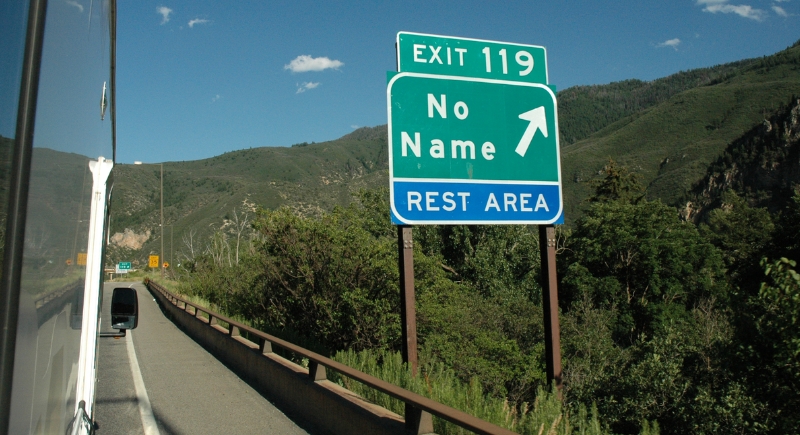
No Name, Colorado
Credit: Wikimedia Commons
This community didn’t start out trying to be mysterious. When engineers marked a blank label on maps for an interstate exit, it was never updated. “No Name” caught on, appearing on everything from trailheads to creeks. Rather than rename it, locals embraced the accidental label with surprising pride.
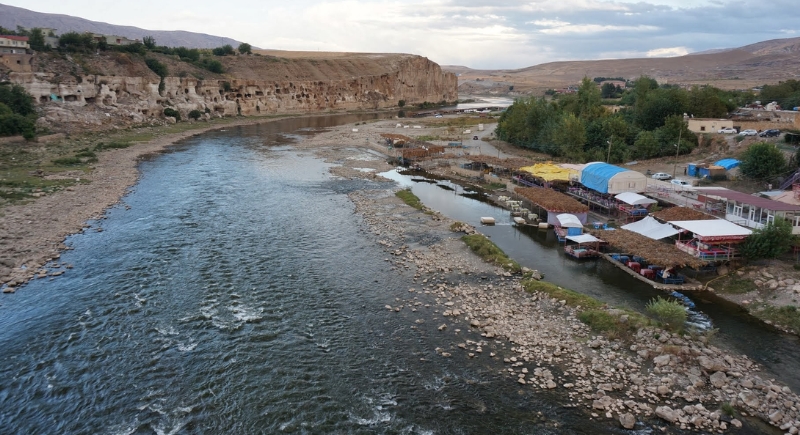
Batman, Turkey
Credit: Wikimedia Commons
This provincial capital in southeastern Turkey shares its name with a comic book icon, but their origins are unrelated. It likely derives from the nearby Batman River or the Bati Raman mountains. The city made headlines in 2008 when its mayor mentioned legal action over the use of the name in U.S. media.
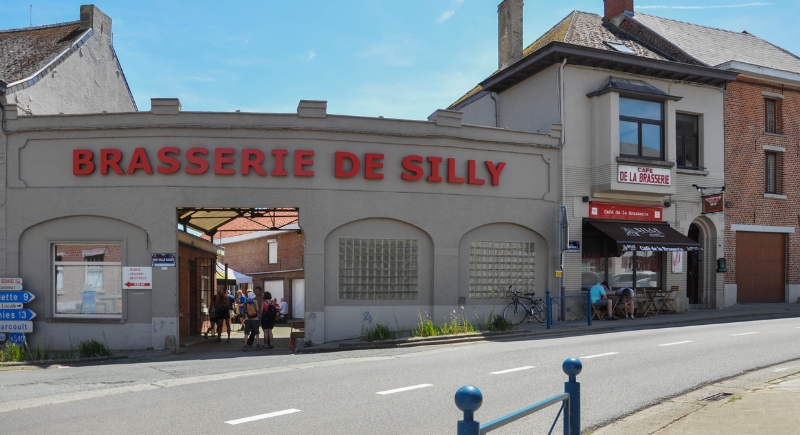
Silly, Belgium
Credit: Wikimedia Commons
In French and Dutch, Silly doesn’t sound strange at all. It comes from the Sille stream, which runs nearby. But for English speakers, it’s hard not to smile. The name pops up on road signs, which draws photo-snapping travelers to what is otherwise a tranquil agricultural municipality.
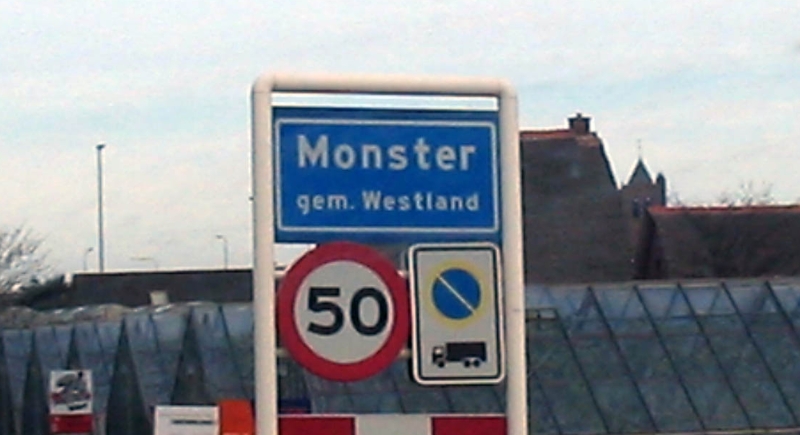
Monster, Netherlands
Credit: Wikimedia Commons
This coastal town may sound intimidating, but its name likely stems from “monasterium,” Latin for “monastery,” or from a term for “large church” in Middle Dutch. Established in the Middle Ages, Monster is now better known for its greenhouse-based agriculture than for any fearsome qualities.
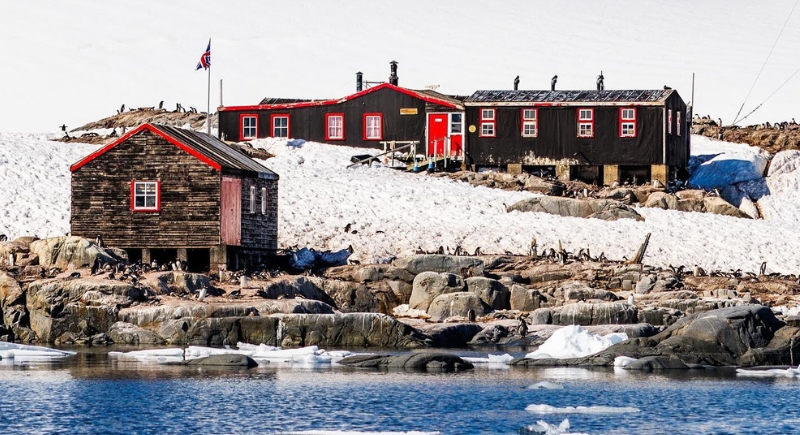
The Office Girls, Antarctica
Credit: Instagram
Most Antarctic features are named for scientists or explorers, but this one’s different. In 1970, two nunataks were named to honor the administrative staff who supported polar missions from behind desks. It was an unusual nod to people who never set foot on the ice but kept things running.
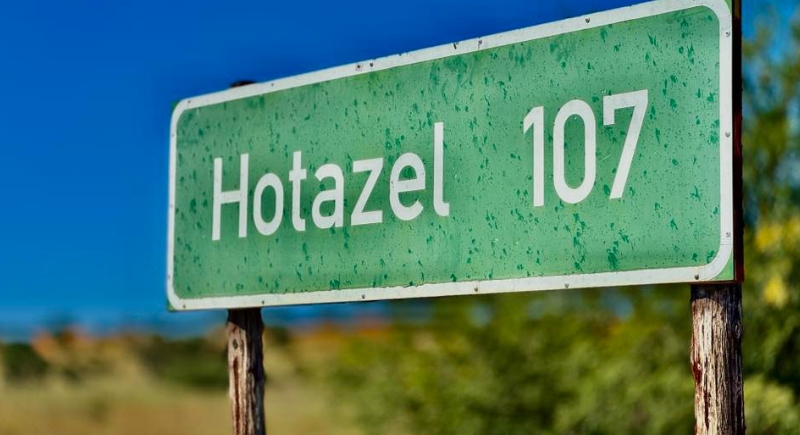
Hotazel, South Africa
Credit: Instagram
During a land survey in 1915, the extreme heat led workers to nickname the place “Hot as hell.” The pronunciation stuck—Hotazel. Today, it serves as a service hub for manganese mining in the Northern Cape, but its name still draws double takes on maps.
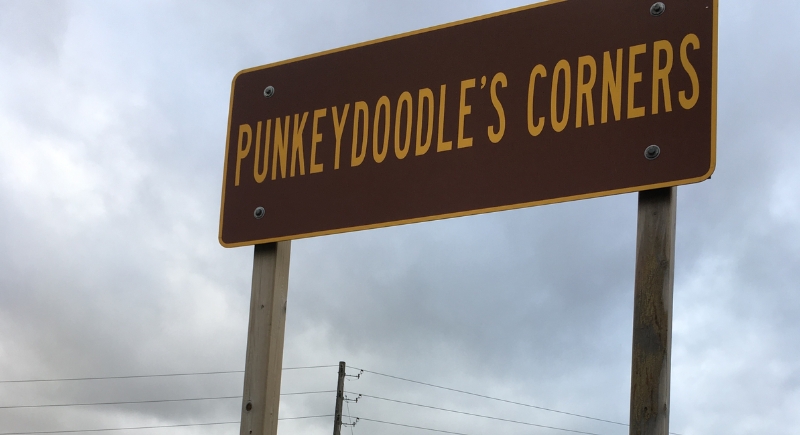
Punkeydoodles Corners, Ontario
Credit: Wikipedia
Theories abound, but no one’s sure why this Ontario community carries such an unusual name. Some say it came from a mispronounced version of “Yankee Doodle,” others trace it to a teasing jab at a pumpkin farmer. Locals eventually replaced the frequently stolen road sign with a concrete version.
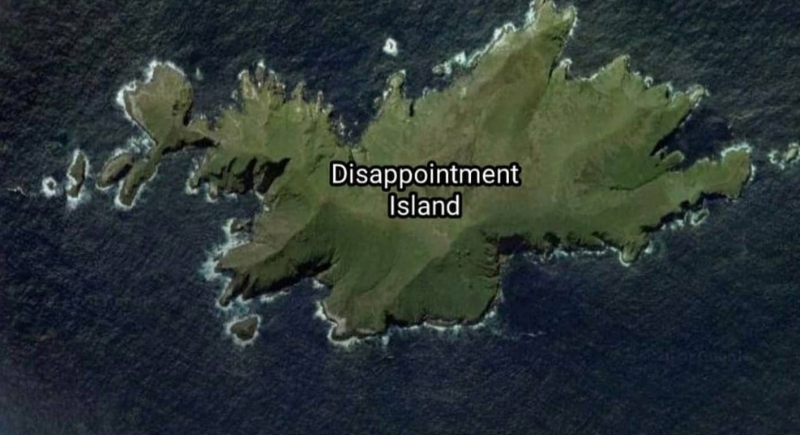
Disappointment Island, New Zealand
Credit: Instagram
This uninhabited island in the Auckland archipelago was named by 18th-century explorers, who were frustrated by its lack of anchorage and resources. Though inhospitable for humans, it’s a vital nesting ground for the white-capped albatross and is part of a protected subantarctic reserve.