Don’t Eat Ice Cream Here or You Could Be Fined 500 Euros
You can walk through Florence with a camera, a shopping bag, or a glass of wine from a bar terrace without anyone blinking. Stand still with food in your hand in the wrong place at the wrong time, though, and you could walk away €500 poorer. It has caught plenty of visitors off guard because the rule clashes with the postcard version of Italy most travelers expect.
The policy comes from a city ordinance introduced to control crowd pressure in Florence’s historic center. It targets the very specific behavior of people stopping to eat while standing, sitting on curbs, or gathering in narrow historic streets during peak hours. The rule applies between 12 p.m. and 3 p.m. and again from 6 p.m. to 10 p.m., which are the busiest times for food and sightseeing.
Where the Rule Actually Applies
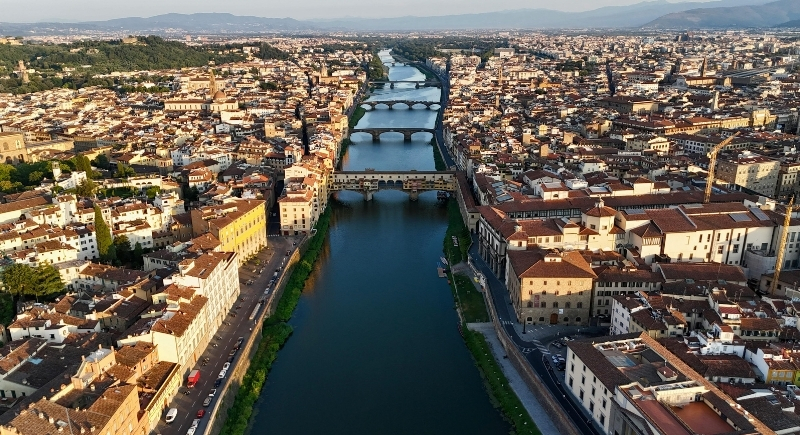
Image via Pexels/Manousos Kampanellis
The locations are extremely specific. Enforcement centers around Via de’ Neri, Via della Ninna, Piazzale degli Uffizi, and Piazza del Grano. These areas sit right inside Florence’s most visited historic zones, surrounded by major landmarks and extremely popular food spots. The fine ranges from about €150 to €500, depending on the situation and enforcement decision.
Florence did not create this rule randomly. The city receives more than 10 million visitors each year, and that number has grown rapidly over the past decade. Narrow Renaissance streets were built centuries before mass tourism existed.
When thousands of visitors stop at once to eat sandwiches, pizza slices, or gelato cones, pedestrian flow slows dramatically. Local officials also tied the rule to litter buildup and blocked residential entrances in these zones.
Why These Streets Became Ground Zero
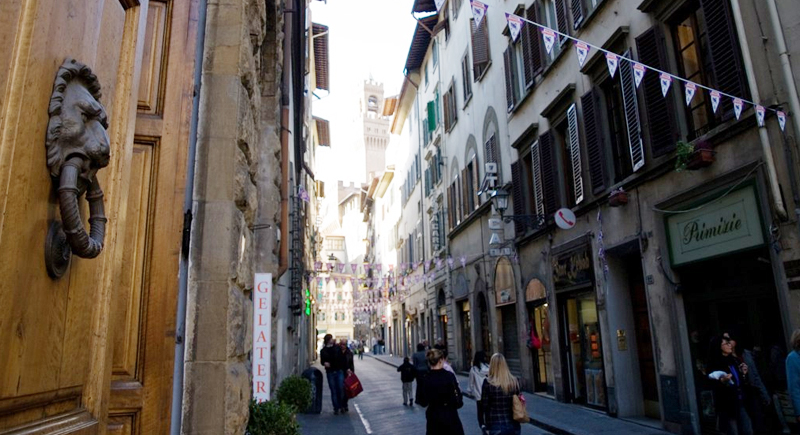
Image via Wikimedia Commons/thierrytutin
Via de’ Neri became a major pressure point because it packs several high-demand food businesses into a tight street layout.
Tourists often buy food and immediately stop outside the shops to eat. This created dense clusters of people that made it difficult for residents, emergency vehicles, and delivery services to move through the street.
Florence’s leadership framed the policy as a quality-of-life measure rather than an anti-tourist stance. Public messaging from city officials emphasized that visitors remain welcome but are expected to follow local behavior standards, especially inside protected historic districts.
They want to preserve street accessibility and maintain the condition of heritage spaces that draw visitors in the first place.
Part of a Bigger European Tourism Shift
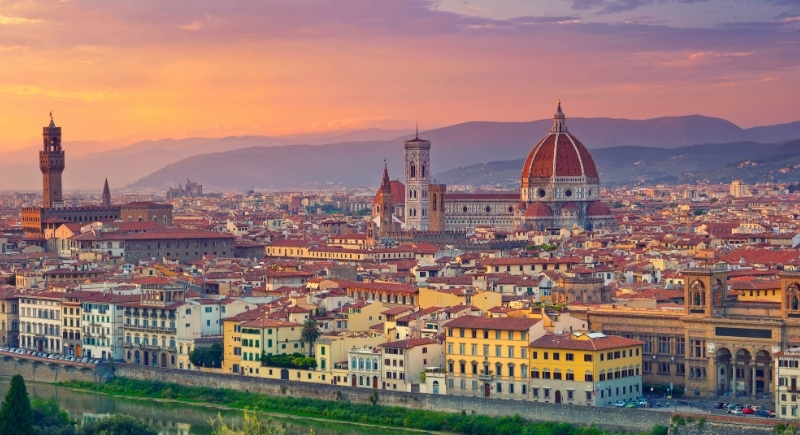
Image via Getty Images/RudyBalasko
Florence’s move reflects a wider shift across Europe. Rome has placed limits on eating near fountains and monuments, and Venice manages visitor flow during its busiest periods. Historic cities are testing ways to protect daily life while still welcoming tourism.
The Florence rule is often misunderstood. Walking with gelato is fine. Sitting at a terrace is fine. Eating inside cafés and bakeries is completely allowed. The problem starts only when people stop in restricted streets and block narrow pathways during peak hours.
How the Rule Is Quietly Changing Visitor Behavior
Cafés and restaurants in the historic center have felt a slight change. More visitors are choosing to grab a table instead of eating while standing along the busiest walking routes.
Hotels and tour guides are also steering guests toward calmer neighborhoods where the food scene is strong, and the streets are less congested.
The policy has not hurt tourism. Florence remains one of Europe’s top cultural destinations, known for its Renaissance art, architecture, and cuisine. Flights continue to grow, and hotels stay busy during peak months.
Florence is still a city made for walking. Most people avoid any issue by being aware of where they stop. Gelato is not the problem. Blocking a narrow street during peak hours is.