Discover a Moment of Calm at Milan Design Week Within This Immersive New Installation
By the third day of Milan Design Week, your brain usually feels overloaded. You’ve walked miles of cobblestone streets, wandered through countless palazzos, and seen enough “revolutionary” chairs to last a lifetime. The excitement is real, but after a while, the constant crowds and installations can start to wear you out.
Then you come across a courtyard that feels a little calmer than everywhere else. The city noise softens, people slow down, and the space gives you a chance to pause for a minute. Instead of rushing through another installation, you actually take it in.
Some of this year’s installations focus less on giant visuals and more on the atmosphere inside the space. Lighting, texture, sound, and materials become the main part of the experience. After spending hours moving through crowded exhibits across Milan, that change feels noticeable almost immediately.
A Different Kind of Immersion
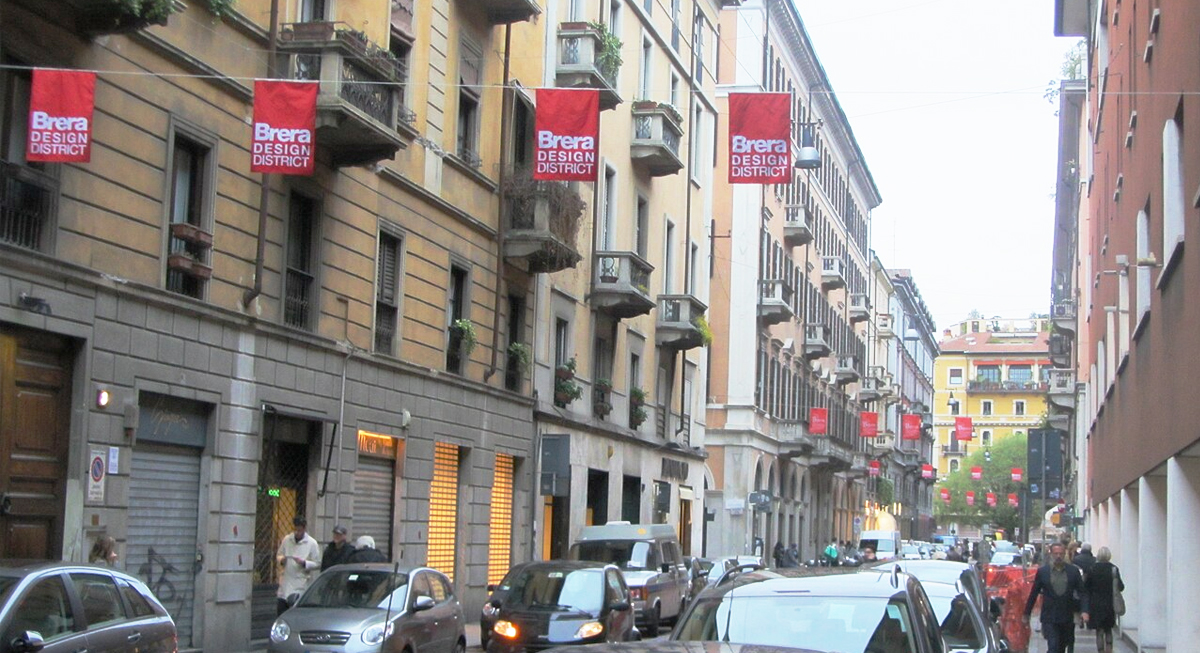
Image via Wikimedia Commons/Pava
A lot of newer installations are moving away from screens and digital effects and paying more attention to physical materials and atmosphere instead. Designers are working with things like lighting, scent, texture, wood, and fabric to shape how a space feels when you walk through it. Some spaces even avoid fixed walking paths, so people can move around naturally instead of being directed from one point to another.
One installation changes the feeling of the room through sound alone. The city noise outside fades enough that you start noticing smaller things like footsteps, fabric moving, or people speaking quietly nearby. It changes the pace of the experience without needing to announce itself loudly.
Fashion Steps Into the Scene
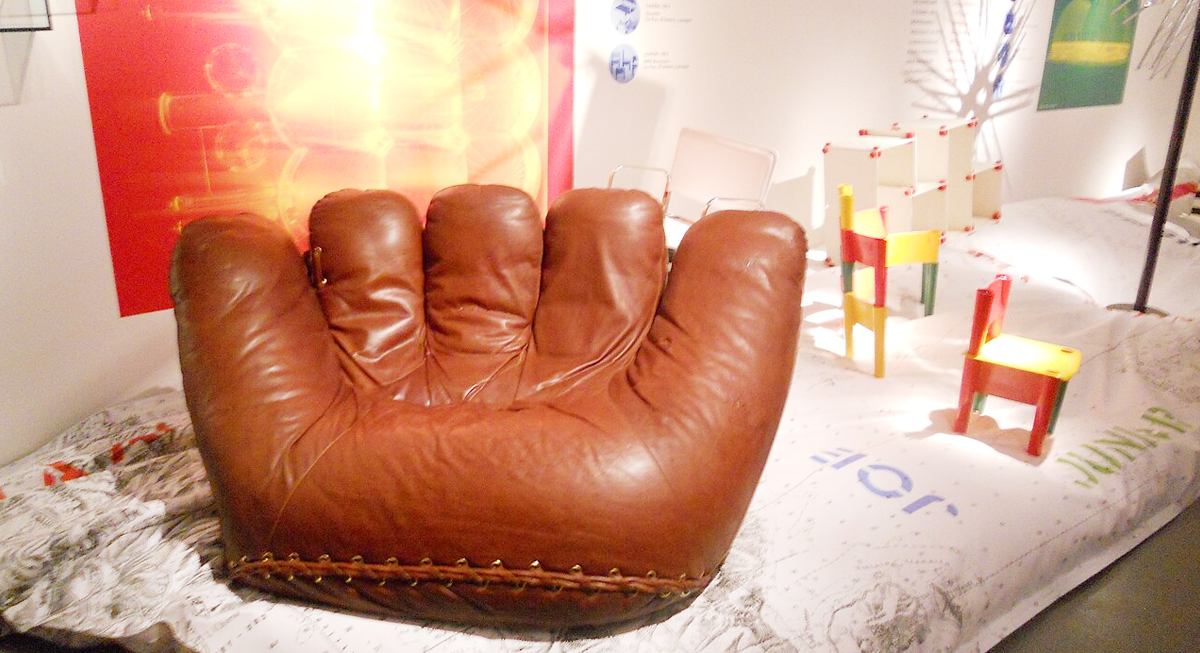
Image via Wikimedia Commons/Pava
Fashion brands have always been part of Milan Design Week, but many of this year’s spaces feel more relaxed and personal than past installations. Rooms are filled with softer fabrics, low lighting, large seating areas, and details that make people stay longer instead of quickly walking through for photos.
One palazzo replaced the usual barriers with open rooms scented like Mediterranean plants and lined with oversized sofas. Another installation borrowed ideas from traditional spas, with quieter spaces and a slower pace built into the experience itself.
Comfort Becomes the Focus
There’s a growing sense that “cool” is no longer enough. If a space isn’t comfortable, it isn’t successful. We’re seeing a move toward furniture that looks like it’s already been loved; softer edges, broken-in leathers, and layouts that encourage people to actually talk to each other.
The focus has moved toward wellness in a very practical sense. Bathrooms are being reimagined as sanctuaries, and lighting is being designed to mimic the natural rhythm of the day. It’s a design that looks out for you, rather than demanding you keep up with it.