Things You Should Never Touch on an Airplane Tray Table
Airplane tray tables serve many purposes beyond holding meals. They support phones, laptops, drinks, and elbows through long hours. What often gets overlooked is how much contact they see between cleanings. Studies and flight crew reports reveal surprising problem spots that sit just inches from passengers. These are items best avoided or handled with care during flights.
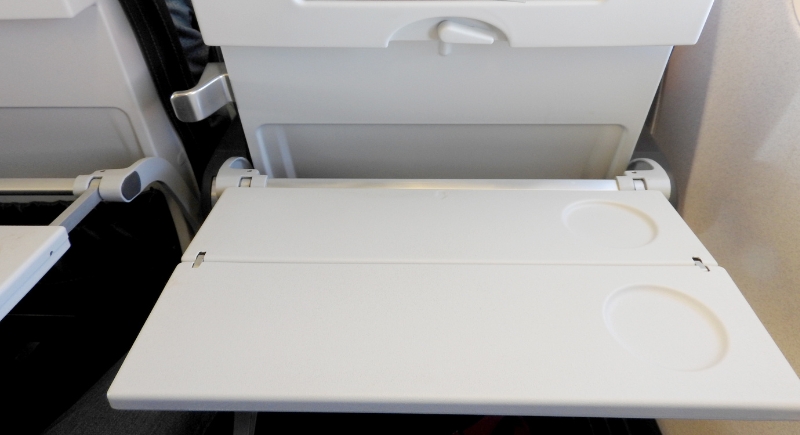
The Tray Table Surface Itself
Credit: Getty Images
Tray tables top the list of dirtiest spots on a plane. Travelmath’s findings show that they harbor more bacteria per square inch than the toilet flush button, primarily because cleaning crews rarely have time to sanitize each one between flights thoroughly. This is also where most passengers eat.
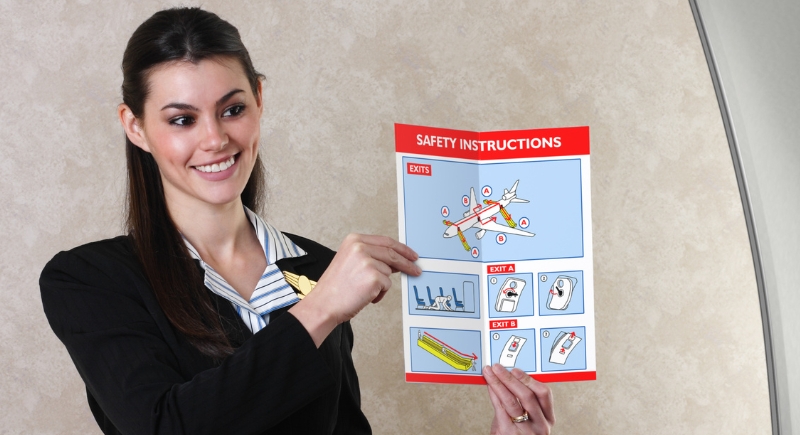
Seatback Safety Cards
Credit: Getty Images
Safety instruction cards are rarely cleaned and frequently handled, which makes them surprisingly germ-heavy despite their low profile. Flight attendants have pointed out that passengers often fidget with them, fold them, or even use them as impromptu bookmarks or tissue substitutes.
Overhead Air Vents

Credit: Canva
They’re among the filthiest touchpoints on the plane due to the high frequency of finger contact and the infrequent cleaning. Dust builds up inside, and each adjustment spreads whatever’s on the nozzle directly to your fingertips, which then find their way to your phone or snacks without you thinking twice.
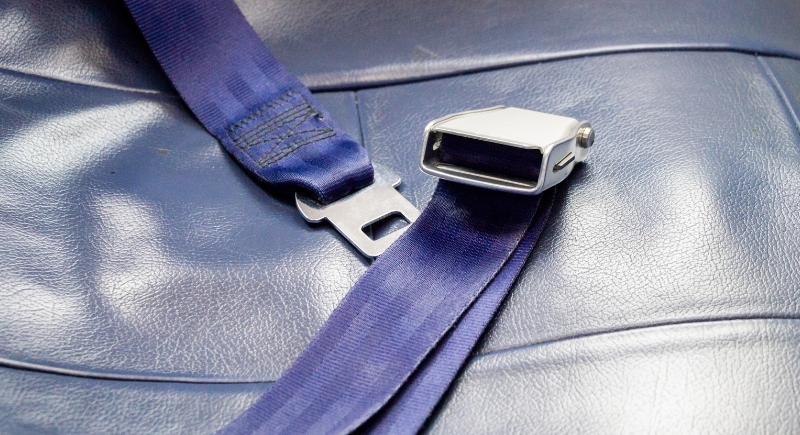
Seat Belt Buckles
Credit: Getty Images
The buckles, in particular, accumulate grime quickly because nearly every passenger handles them multiple times per flight. Although they’re part of the standard touchpoints, they don’t always get wiped between trips unless visibly soiled. Since people adjust, unbuckle, and reposition them constantly, hand sanitizer should be an automatic.
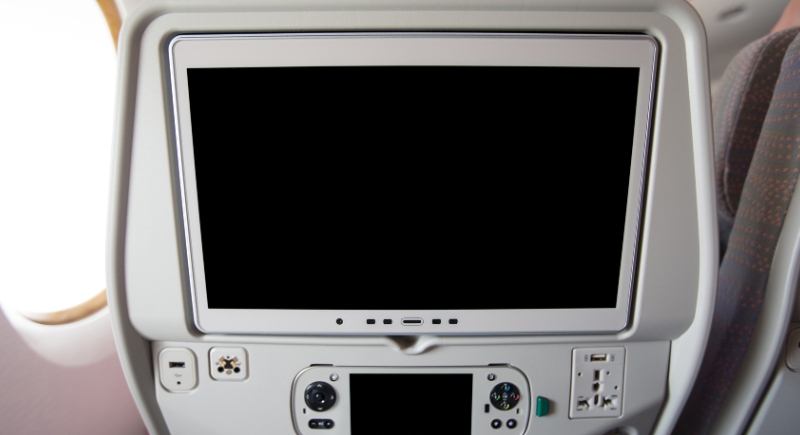
Seatback Screens
Credit: Canva
Touchscreen entertainment systems are in constant use throughout the day, and although airlines claim to wipe them down regularly, the reality is that smudges and fingerprints accumulate quickly during the rapid turnarounds. Screens are tapped and even coughed on—often without any protective barriers in place.
Seat Pockets
Credit: Canva
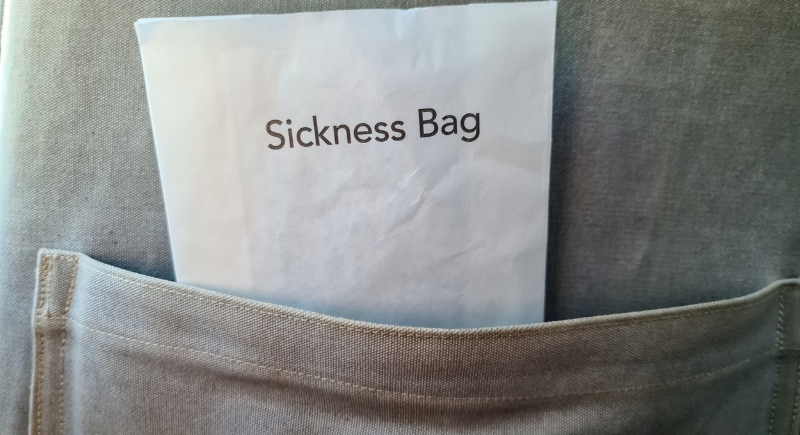
Those mesh pockets have seen things. Flight attendants have reported everything from dirty diapers to half-eaten sandwiches stuffed inside. They don’t get much attention during cleaning, and since they’re made of fabric, whatever goes in can linger—crumbs, moisture, germs, and all.
Drink Can Tops
Credit: Canva
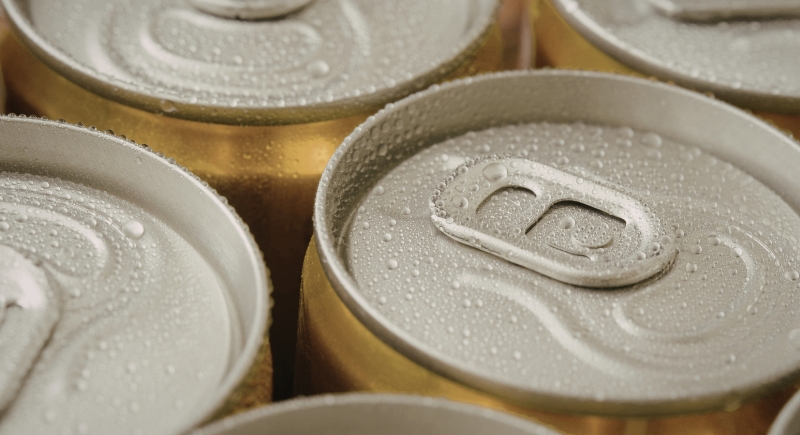
Multiple people handle cans from the beverage cart before they reach your tray, and they’re often stored in galley carts that aren’t sanitized between every use. Though sipping directly from the can might feel cleaner than using the plastic cup, studies have shown bacteria tend to collect on the rims.
Food Placed Directly on the Table
Credit: Canva
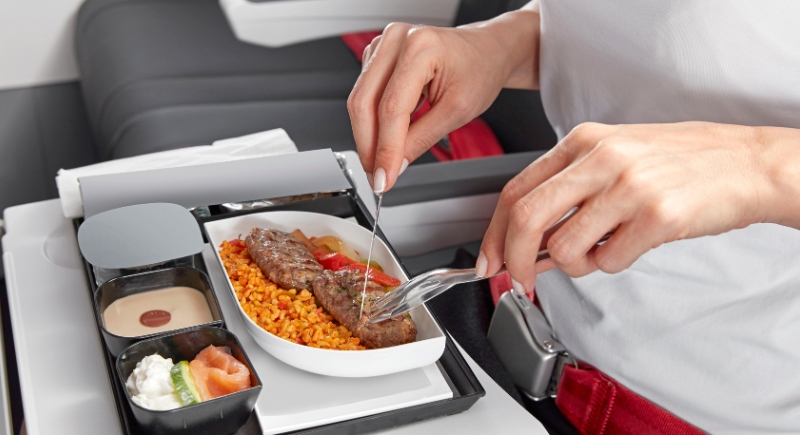
Setting your sandwich directly on the tray table is the mid-air equivalent of dropping it on a food court floor and still going for the bite. It’s one of the dirtiest surfaces on the plane, yet plenty of people still lay snacks or gum there without a napkin or barrier.
Shared Toys and Kids’ Activity Packs
Credit: Canva
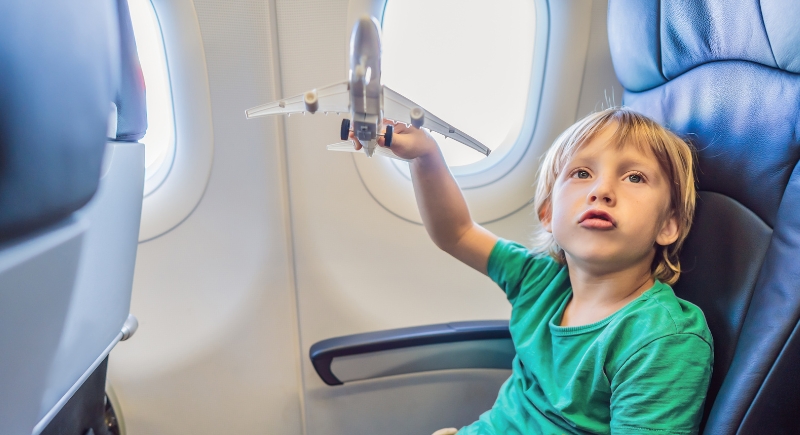
Those airline-distributed coloring kits and plastic toys aren’t fresh out of the box. Many are repacked and reused from one flight to the next. Young kids are likely to put them straight in their mouths or drag them across every reachable surface, making these seemingly thoughtful freebies more of a germ shuttle.
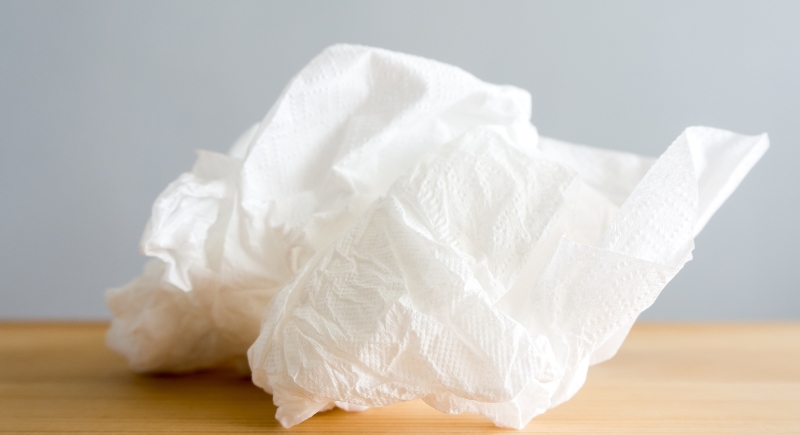
Used Napkins and Leftover Trash
Credit: Getty Images
If someone else’s snack wrapper or used napkin is still hanging around when you sit down, leave it for the flight crew to handle. These items are prime carriers of bacteria, and it doesn’t take long for germs to multiply on soft, moist paper.