10 Places Where You Can Dig for Diamonds and Keep Them
Some vacations come with souvenirs. Others come with a certificate and a 3-carat gemstone. Across the United States, a handful of dig sites let visitors try their luck at unearthing real diamonds, and they won’t stop you from pocketing what you find. Gear rentals and terrain vary, but the appeal is the same: finders are keepers, and the dirt might just sparkle.
Crater Of Diamonds State Park, Arkansas
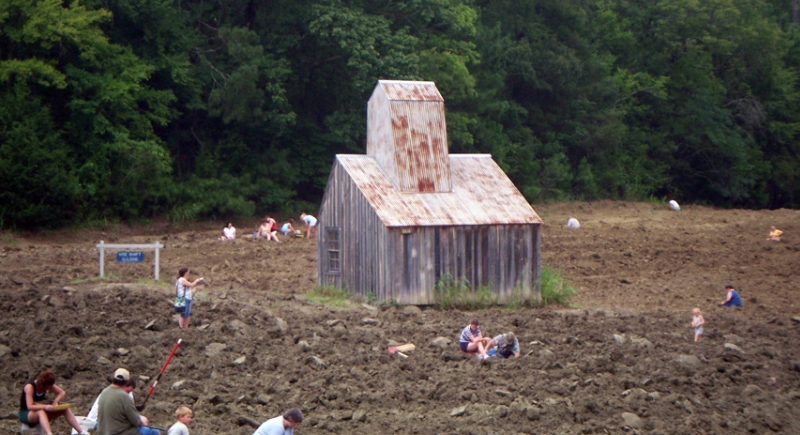
Credit: Wikimedia Commons
Crater of Diamonds State Park has turned amateur prospecting into a full-time attraction. It’s located on an ancient volcanic crater, and its 37.5-acre plowed field hides real diamonds—over 35,000 found since 1972. The largest was a 40.23-carat gem dubbed Uncle Sam. Visitors pay $15 to hunt, and rain can actually help surface new stones.
Emerald Hollow Mine, North Carolina
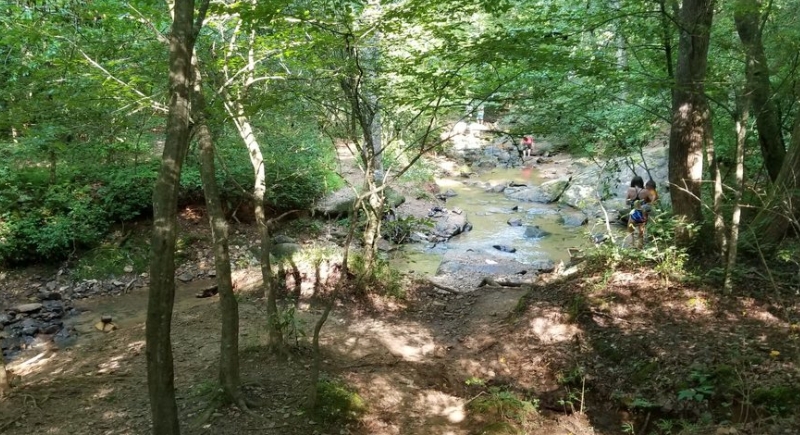
Credit: Yelp
Not all gems are green at this mine, despite the name. Emerald Hollow Mine in Hiddenite gives visitors access to emeralds, sapphires, and quartz. You can dig or creek-wash, depending on your patience and back strength. A day pass costs $25. One emerald found here reportedly sold for more than a million dollars.
Royal Peacock Opal Mine, Nevada
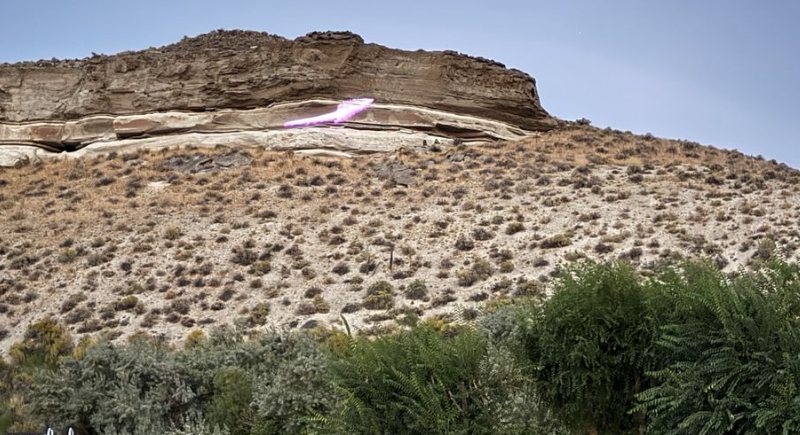
Credit: Yelp
This high desert mine in Denio is famous for black opals, Nevada’s official state gem. The $190 daily fee includes access to designated digging zones, where luck and elbow grease decide your haul. Kyndall Stallings, a frequent visitor, once uncovered an opal estimated at $5,000.
Herkimer Diamond Mines, New York
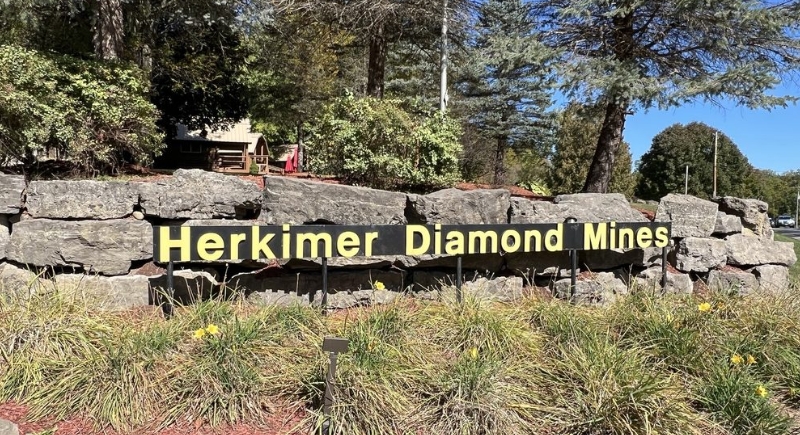
Credit: Yelp
Despite the name, Herkimer “diamonds” are actually super-clear quartz crystals, known for their sharp edges and natural sparkle. Found only in this part of central New York, they’re favorites among collectors and jewelry makers. Admission costs $18 on weekdays and $20 on weekends. You can bring your own tools or rent them at the mine.
Graves Mountain, Georgia
Credit: Facebook
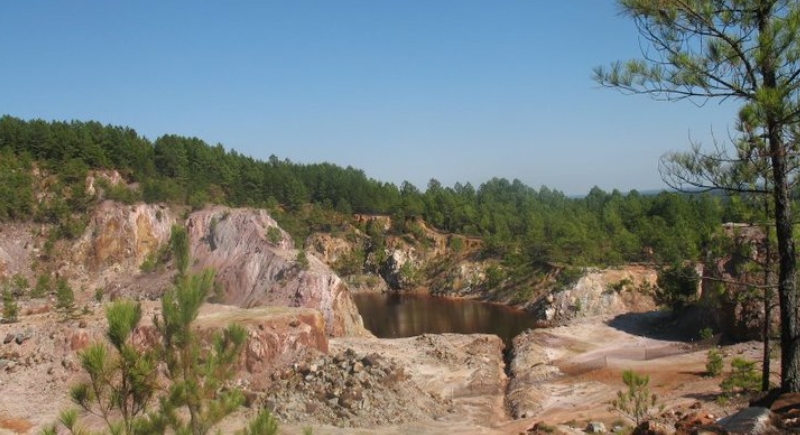
Graves Mountain opens to the public during scheduled events. These gatherings often include rockhounding opportunities alongside festivals and outdoor activities. Admission or parking fees typically apply, with smaller events charging modest per-person entry and larger multi-day festivals offering ticket packages that may include camping.
Gem Mountain Sapphire Mine, Montana
Credit: Tripadvisor
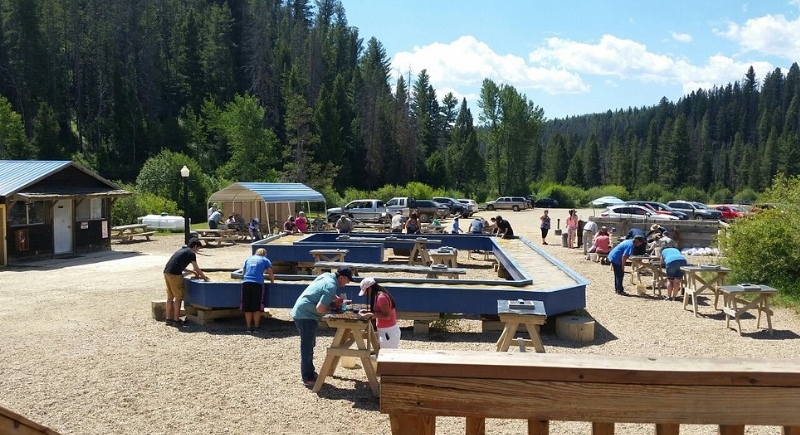
Out near Philipsburg, this mine welcomes would-be treasure hunters with buckets of sapphire-rich gravel. The staff pre-screens the dirt, so odds are decent that you’ll spot something sparkly. Most sapphires found here are pale green or blue, and you can even pay to have your favorite cut and set into jewelry on-site.
Oceanview Mine, California
Credit: Yelp
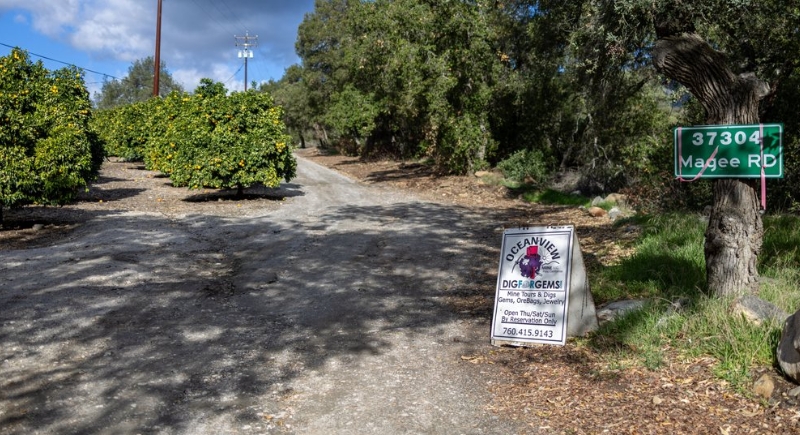
Oceanview Mine is famous for gem-quality tourmaline, along with kunzite, morganite, and aquamarine sourced from its lithium-rich pegmatite veins. It is one of Southern California’s most productive commercial gem mines and a popular destination for hands-on digging.
Spectrum Sunstone Mine, Oregon
Credit: Tripadvisor
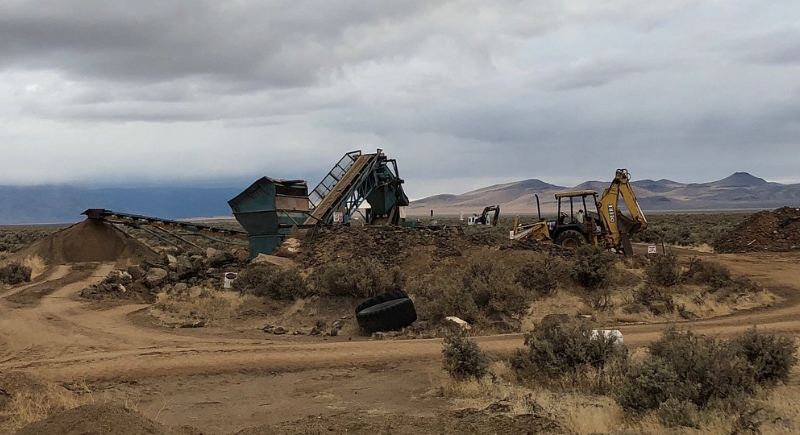
This mine’s a hotspot for finding sunstones—some of which contain copper shimmer that can resemble fire opals or champagne diamonds. Visitors can choose between a free surface pick and more expensive digs that let you keep whatever you find. Overnight camping is allowed nearby for those hoping to stretch their luck over multiple days.
Grizzly Gulch Sapphire Mine, Montana
Credit: Visit Montana
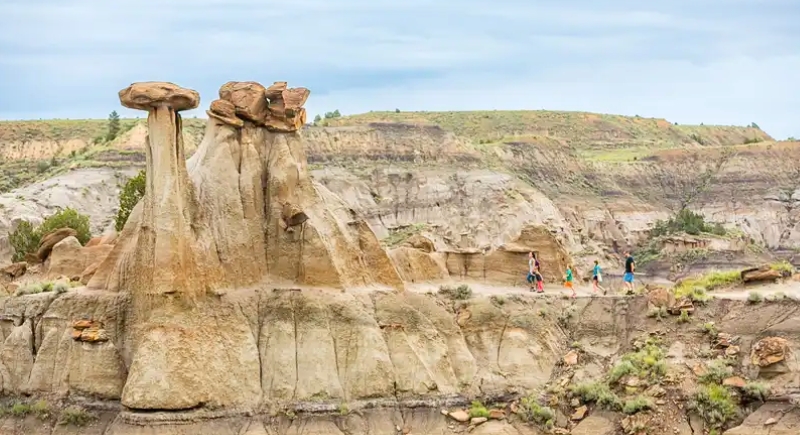
Grizzly Gulch Sapphire gives visitors gravel bags filled with Montana sapphires ready for sifting. There’s no need to hike through quarries or haul tools uphill—just sit down, wash the gravel, and see what shines. The best stones are often small but colorful. If you’d rather stay indoors, they also offer mail-order kits.
Morefield Gem Mine, Virginia
Credit: Yelp
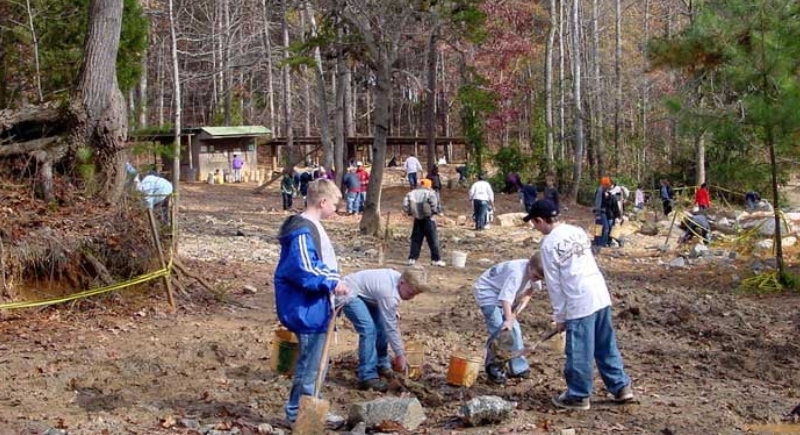
The site has produced over 80 identified mineral species, with standout specimens including amazonite, amethyst, garnet, and topaz. Amazonite, a blue-green feldspar, is the mine’s signature mineral and a favorite among collectors. The mine opens only a few times a year, typically through guided digs that focus on mineral diversity.