How Denmark Designed Its Cities to Optimize Human Health and Behavior
Danes don’t ride bikes for fitness goals or to prove a point. They ride because it’s easier. That idea shapes the design philosophy of Denmark’s cities. Streets and spaces are built around what people already do, guiding daily habits toward healthier, smarter outcomes. The system enhances everyday choices, from movement to meals to commutes, without relying on rules, pressure, incentives, or prizes.
Bikes Win Because They Just Make Sense

Credit: Wikimedia Commons
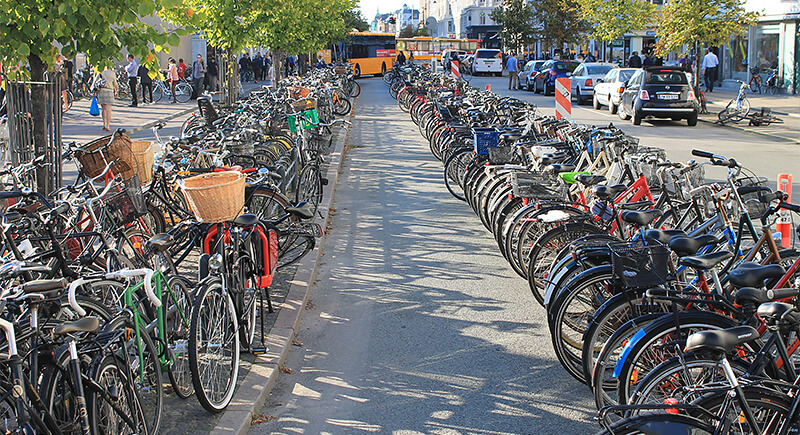
In Copenhagen, over 60% of residents commute by bike, as it’s the fastest and easiest way to get around. The bike lanes are wide and cleared of snow before the roads. Add in footrests at traffic lights and angled trash cans for tossing coffee cups mid-ride, and riding just feels like the obvious option.
Public Space Gets Treated Like a Public Right
Credit: Wikimedia Commons
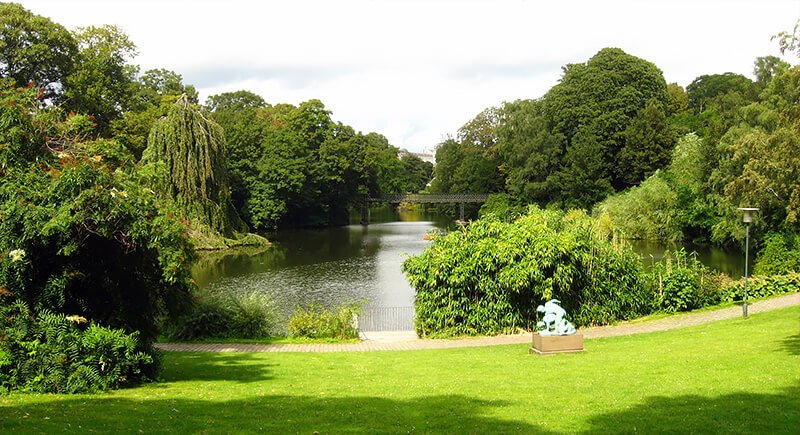
Green spaces in Danish cities are abundant. They are found along sidewalks, between apartment blocks, and even on rooftops. Planners aim for residents always to see at least three trees from their home, a detail backed by research on mental health. Parks and schoolyards are considered part of basic infrastructure, like sewer lines or streetlights.
Health Policy Is Measured in Sandwiches and Smoke Breaks

Credit: pexels
Copenhagen’s 10-year health plan makes nutritious school lunches the norm and supports smoke-free zones at playgrounds without harsh penalties. People can access free stop-smoking programs and stress clinics, but the city skips the lecture tone. The idea is simple: make it easier to feel good than to feel worse.
Commuter Trains Follow the ‘Finger Plan’
Credit: Wikimedia Commons
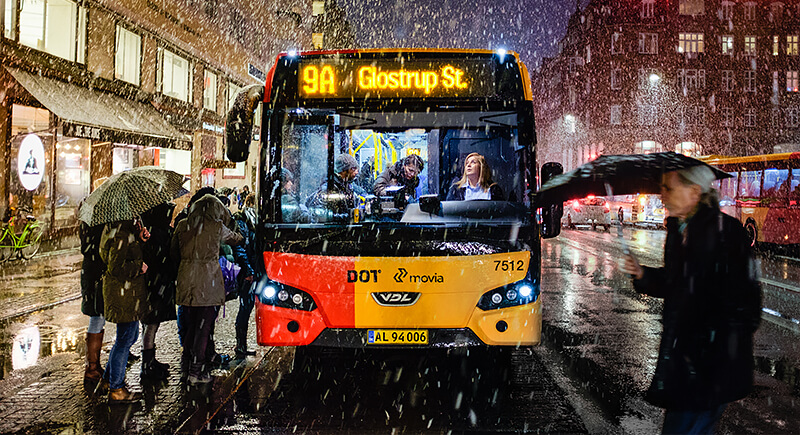
Since 1947, Greater Copenhagen has grown around a simple idea known as the Finger Plan. Train lines stretch outward from the city center like fingers, while open green spaces fill the gaps between them. This layout limits unchecked sprawl and keeps public transport practical. Those protected green wedges give residents easy access to jobs while staying close to parks, nature, and fresh air.
Sidewalks and Plazas Are Designed for Lingering
Credit: Wikimedia Commons
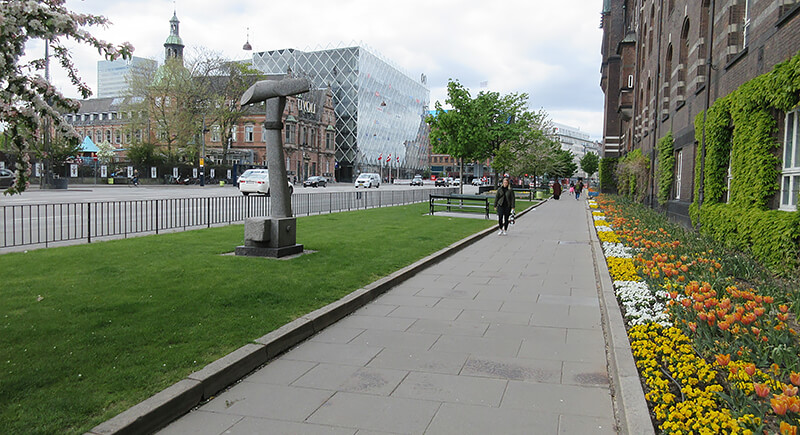
Urban designers like Jan Gehl believe that life happens between buildings, not inside them. So Copenhagen designs its streets to invite lingering. Benches and public squares encourage people to slow down and take a moment to appreciate their surroundings. The planning philosophy asks a simple question: how do people actually use a space? Then it designs around that.
Climate Goals Show Up in Everyday Stuff

Credit: Wikimedia Commons
Copenhagen’s climate policies are evident in bike lanes, heating systems, and even the construction materials used. The city cut its emissions by 74% from 2005 to 2024 and isn’t stopping. Upcoming plans will tackle personal consumption, like how people shop, eat, and travel.
Stress Clinics Don’t Require a Wellness Glow-Up

Credit: Getty Images
Anyone feeling overwhelmed—because of work, job loss, or just life—can get referred to a free stress clinic in Copenhagen. The nine-week group course includes mindfulness, peer support, and often yoga or movement sessions. Participants even stay in touch after the program ends.
Flood Control Doubles as Recreation Space
Credit: Wikimedia Commons
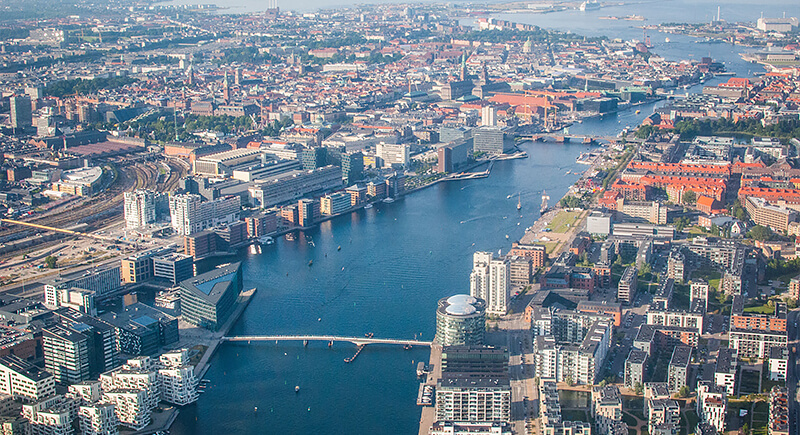
Denmark’s coastal protection isn’t all concrete and warning signs. Projects like Holmene combine flood barriers with new parks, green zones, and nature preserves. The soil dug up during subway construction gets reused to create artificial islands, which will host clean energy facilities and public leisure areas.
Kids Grow Up With Health Built Into the Schedule

Credit: Getty Images
In Danish daycares and schools, movement isn’t confined to recess. Students bike to class, grow food in school gardens, and eat government-subsidized meals. Physical and mental health are treated equally in curriculum planning. Programs even pair seniors with preschoolers for joint activities.
Innovation Gets Road-Tested Before Scaling
Credit: Wikimedia Commons
Cities often struggle to experiment in public space, but Denmark has built entire “living labs” to test smart city ideas in real conditions. Places like DOLL Lab let companies and city departments trial new tech, like bike lane sensors or tree-monitoring software, before rolling them out citywide.