Famous Tourist Attractions Where People Die the Most
Bucket list travel often focuses on stunning views and unforgettable photos, but some famous destinations also come with real danger. Millions of visitors walk through these places every year, and a small number never return home. Accidents happen because of cliffs, weather, wildlife, or risky behavior near the edge of a great view. Some locations have hazards built into the environment, while others have drawn attention for poor safety records. The numbers attached to these places reveal how thin the line can be between adventure and disaster.
Mount Everest
Credit: Wikimedia Commons
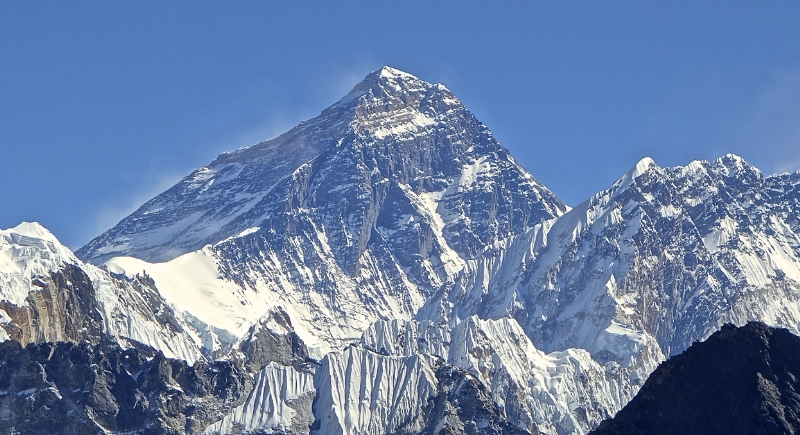
More than 300 climbers have died on Mount Everest, the highest mountain on Earth at 29,032 feet. At least 11 climbers died there in 2019. Overcrowding on the narrow route near the summit forced climbers to wait in freezing conditions. High altitude causes oxygen deprivation, weakening the body and slowing decision-making. It’s creepy, but many bodies remain on the mountain because recovery is extremely difficult.
Grand Canyon
Credit: Canva
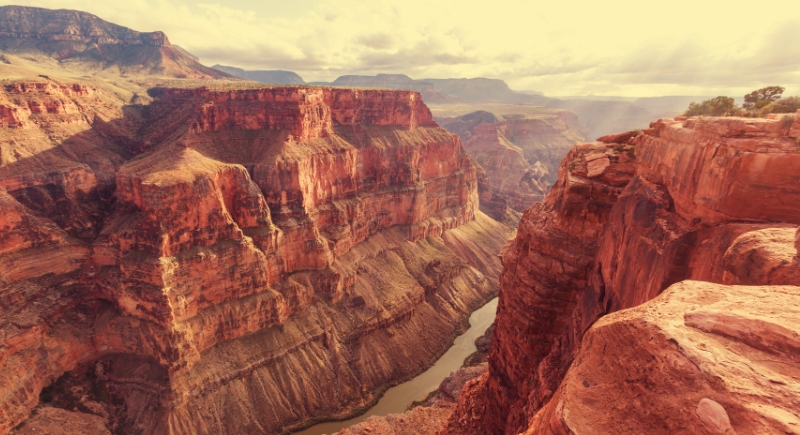
The Grand Canyon attracts millions of visitors each year who come to see the massive desert gorge carved by the Colorado River. About a dozen people die there annually from falls, dehydration, or heat exhaustion. Many accidents occur during hikes where intense desert heat drains hikers faster than expected.
Niagara Falls
Credit: Wikimedia Commons
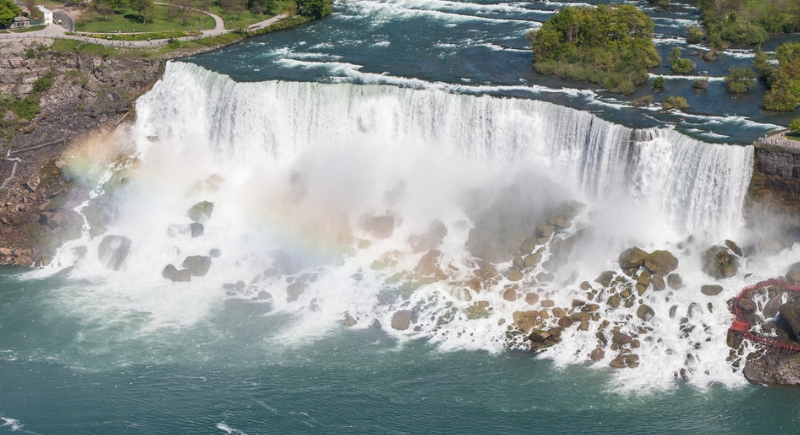
Since 1850, Niagara Falls has recorded more than 5,000 deaths, and many of those deaths involve suicide jumps from the cliffs near the falls. Powerful currents below the waterfalls pull swimmers under quickly. Tourists have also drowned after falling into the water near the edge. Despite all this, the falls continue to draw millions of visitors every year to both the United States and Canadian sides.
Cliffs Of Moher
Credit: Wikimedia Commons
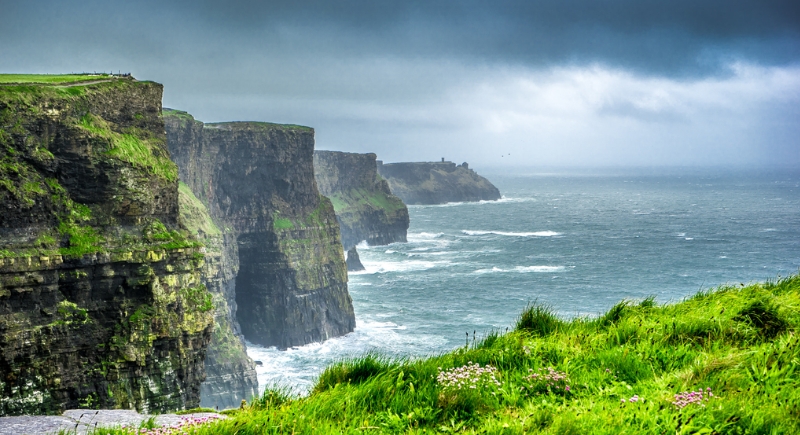
Ireland’s Cliffs of Moher are 700 feet above the Atlantic Ocean, and strong winds from the ocean sometimes push visitors toward the edge. Also, some tourists walk beyond safety barriers to get photos closer to the cliff edge. The narrow paths and wet ground make footing less stable during bad weather. At least 66 people have died after falling from the cliffs between 1993 and August 2017.
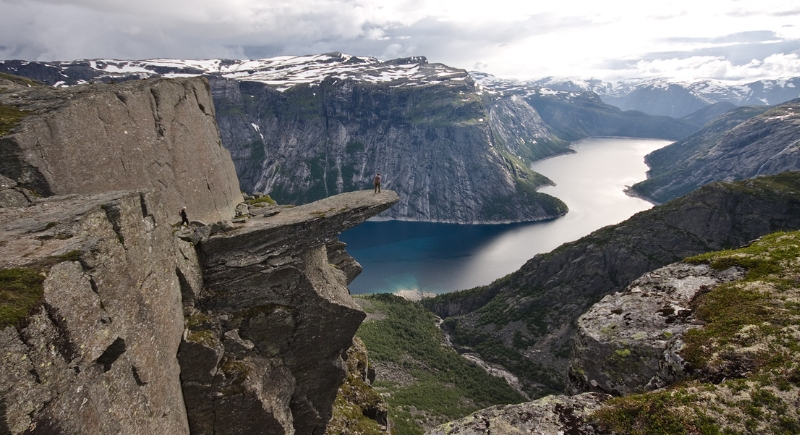
Trolltunga
Credit: Wikimedia Commons
The rock formation has no safety barriers at the edge, which is scary, knowing that Norway’s Trolltunga cliff ledge extends over a valley with a drop of about 1,100 feet. Several tourists have died after falling while taking photos. The hike to the cliff takes many hours and leads across steep terrain. Visitors often crowd onto the narrow rock ledge for pictures overlooking the valley.
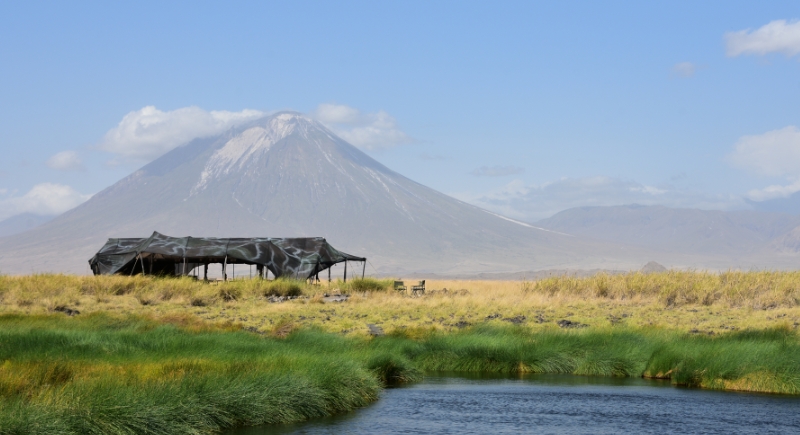
Lake Natron
Credit: Wikimedia Commons
Near Mount Ol Doinyo Lengai in northern Tanzania is Lake Natron, containing water with extremely high alkalinity. The lake holds large amounts of sodium carbonate and other minerals. Animals that die in the water can become preserved in mineral deposits that resemble stone. The harsh conditions around the lake create hazards for wildlife and visitors who approach the water.
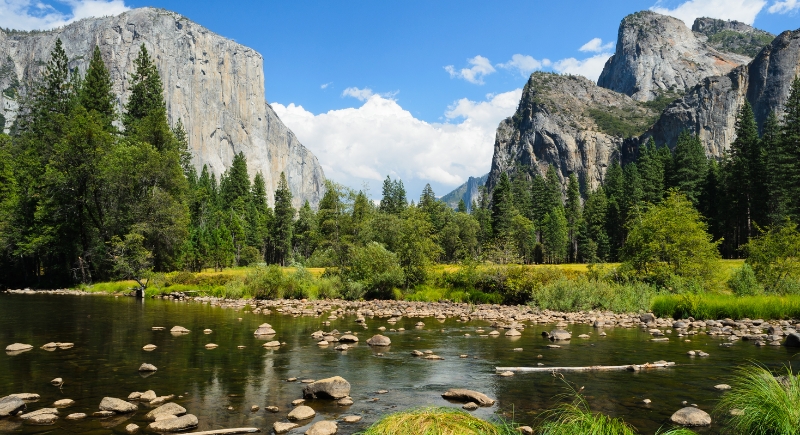
Yosemite National Park
Credit: Wikimedia Commons
Each year, Yosemite National Park reports about 15 to 20 deaths. Many of those deaths involve falls from granite cliffs or drowning in rivers and waterfalls. The park draws millions of hikers who explore steep terrain across the Sierra Nevada mountains. Wildlife encounters have also been linked to fatal incidents in the park. One famous trail, Half Dome, has recorded at least 290 accidents from 2005 to 2015.
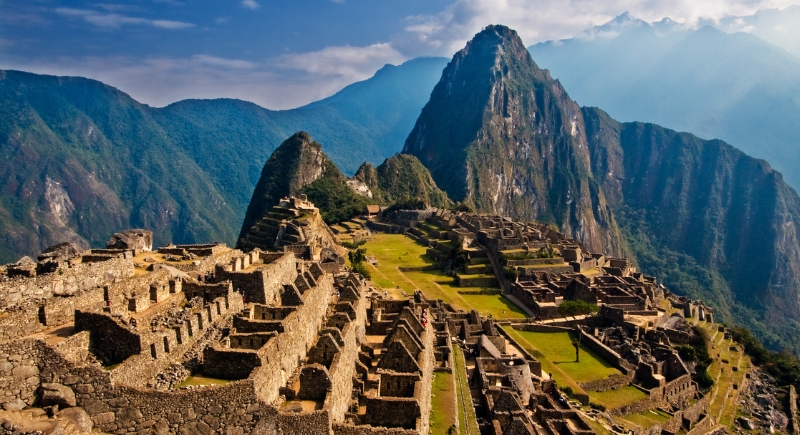
Machu Picchu
Credit: Wikimedia Commons
High in the Andes Mountains, Machu Picchu draws travelers who climb steep stone steps built centuries ago. One German tourist died after falling while trying to take a selfie at the site. A Russian tourist was killed there after being struck by lightning. The narrow walkways and steep drops make footing important for every visitor.
Pamplona

Credit: Wikimedia Commons
Pamplona’s running of the bulls happens each year during the San Fermín Festival in Spain. Participants sprint through city streets while bulls charge behind them. About 15 people have died during the event since records began in 1910. The last fatality occurred in 2009. Hundreds of runners still take part each year despite frequent injuries.
Aokigahara Forest
Credit: Wikimedia Commons
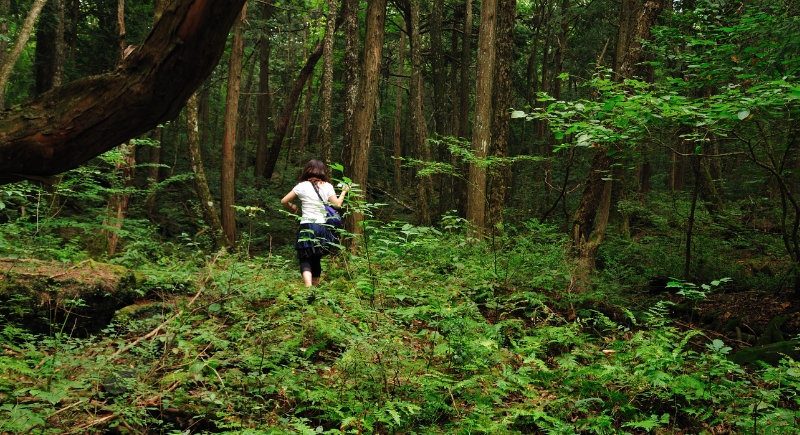
The dense Aokigahara Forest, sometimes called the Sea of Trees, can be found at the base of Mount Fuji. It gained attention because many people travel there intending to take their own lives. Officials recorded 54 suicides there in 2010. The thick tree growth blocks visibility and makes navigation difficult for visitors. Japanese authorities stopped releasing annual death numbers in recent years in an effort to discourage copycat incidents.