10 Cultural Mistakes That Will Get You Fined in Singapore
Singapore runs on trust and order. Laws here often overlap with daily etiquette, which means small habits can turn into expensive lessons. Visitors usually mean well, but assumptions picked up elsewhere do not always translate. This guide walks through common cultural missteps that carry real penalties in Singapore.
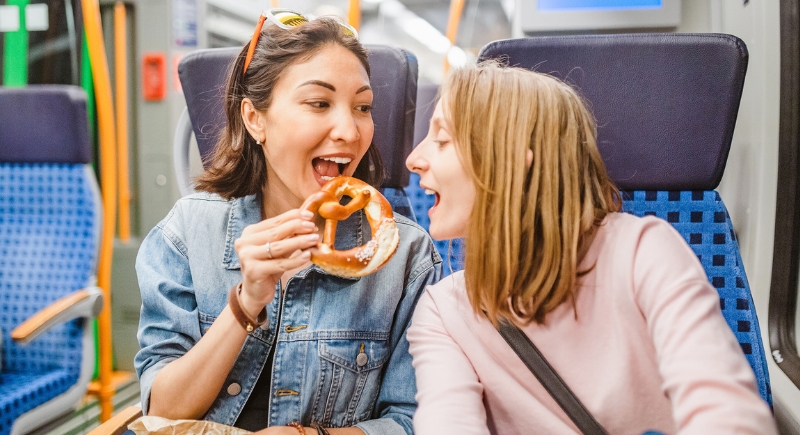
Eating Or Drinking On Public Transport
Credit: Getty Images
A takeaway coffee becomes a problem the moment it enters an MRT station. Singapore prohibits the consumption of food and drinks on trains and platforms to maintain a clean and pest-free system. Fines can reach 500 Singapore dollars, and strong-smelling foods like durian are strictly banned. Even water can attract attention from staff.
Chewing Gum In Public Spaces

Credit: StockLite
Gum bans are one of Singapore’s most famous quirks, and they are real. Importing or selling chewing gum is illegal, largely due to past cleanup issues on trains and sidewalks. Medical and dental gum is an exception, but it must be appropriately purchased.
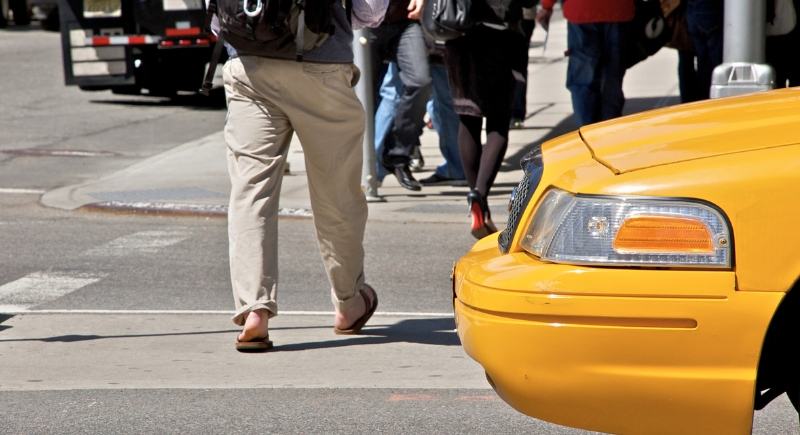
Jaywalking Across Busy Roads
Credit: Getty Images
In Singapore, pedestrians are required to use marked crossings and obey traffic signals, even late at night. Cameras and patrols make enforcement consistent. Fines can hit 1,000 Singapore dollars, with harsher penalties for repeat offenses. Traffic moves quickly, and predictability is treated as a public safety issue.
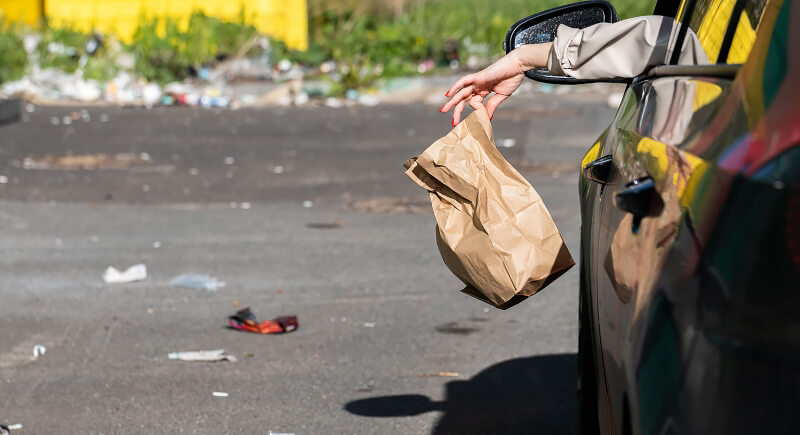
Littering Anything, Even Something Tiny
Credit: Canva
Dropping a receipt counts as littering in this country. Singapore enforces cleanliness down to the smallest detail. First-time offenders often face fines of around 300 Singapore dollars. Repeat violations can include corrective work orders that involve cleaning public areas while wearing visible vests.
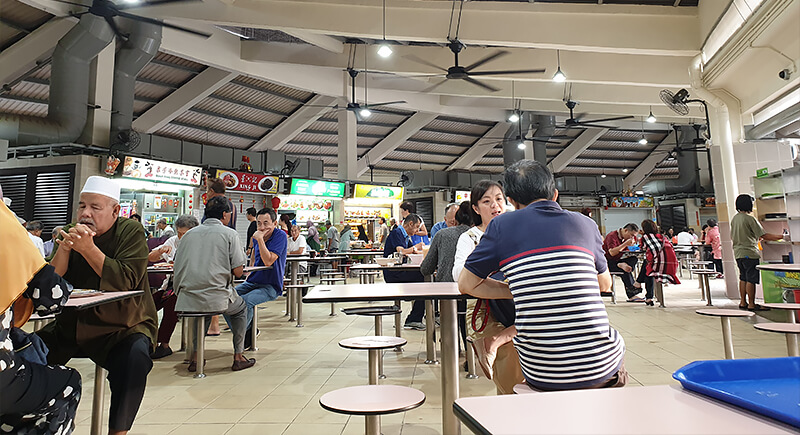
Failing To Clear Tables At Hawker Centers
Credit: Wikimedia Commons
Diners must return trays and utensils after eating at hawker centers. Leaving a mess can result in fines exceeding 300 Singapore dollars. Exceptions exist for seniors and young children, but everyone else is expected to clean up.
Forgetting To Flush In Public Toilets
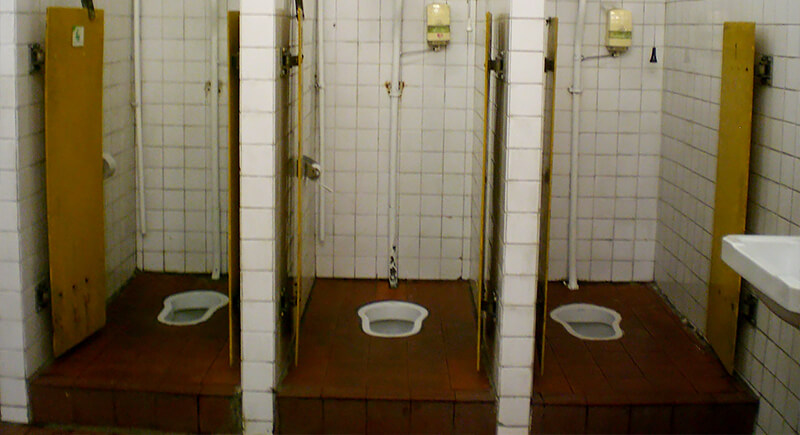
Credit: Wikimedia Commons
Failing to flush can result in fines starting at around 150 Singapore dollars. Some public elevators are even equipped with urine detection systems. The rule reflects the city’s emphasis on shared responsibility. Clean facilities are part of the social contract, and enforcement exists to maintain them.
Sitting At Reserved Hawker Tables
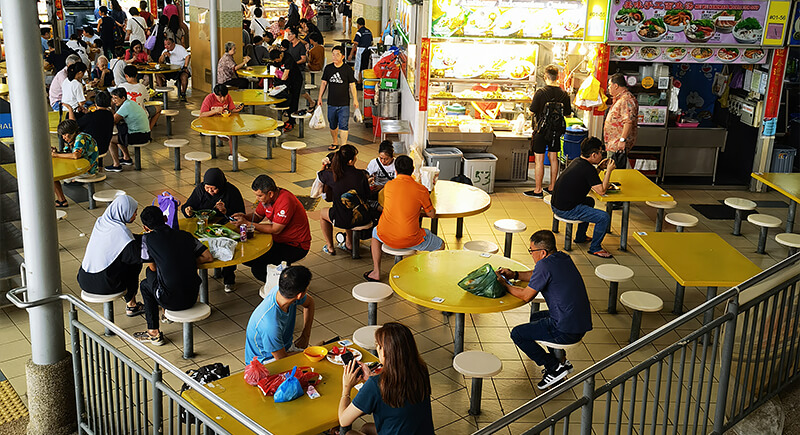
Credit: Wikimedia Commons
A table with an umbrella or a water bottle means it is reserved. Taking that seat can spark confrontations and, in regulated hawker centers, intervention from staff. The practice, called “chope,” is socially enforced. Ignoring it disrupts crowd flow and can lead to official warnings, especially during peak meal hours.
Entering Religious Spaces Improperly
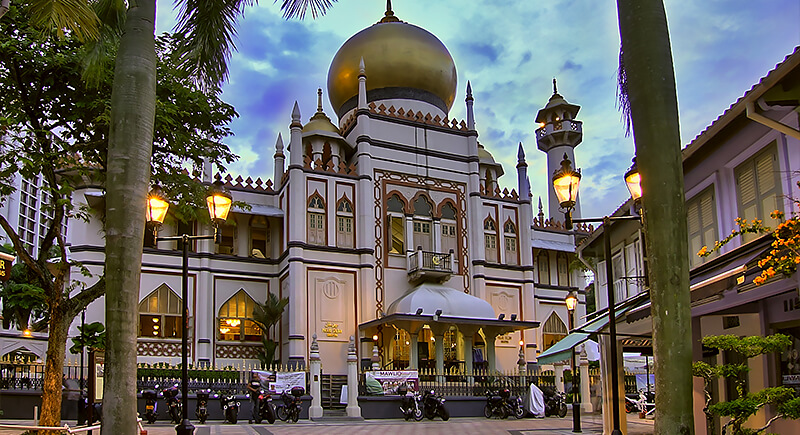
Credit: Wikimedia Commons
Temples and mosques welcome visitors, but rules are in place. Shoes must be removed, and respectful attire is expected. Ignoring posted guidelines leads to removal or fines under public order laws in some cases. Certain gestures, photography, or behavior may also be restricted.
Pointing Or Gesturing Aggressively
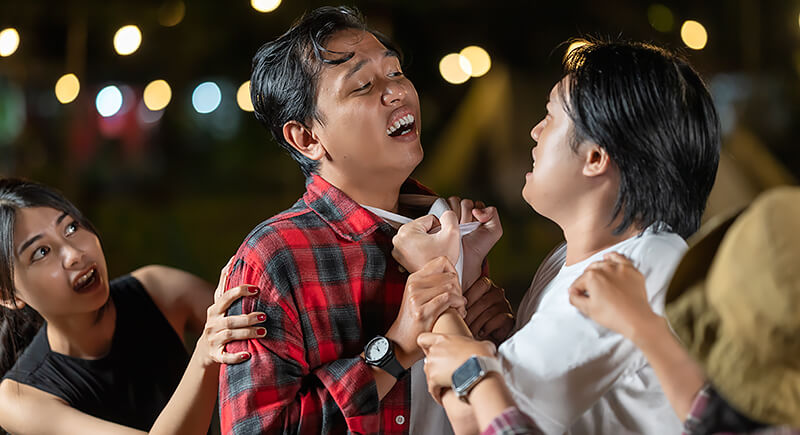
Credit: iStockphoto
Pointing fingers, shouting, or using confrontational gestures can fall under public nuisance laws if they disturb others. When combined with verbal disputes, officer involvement becomes more likely. Calm, restrained communication is the expectation.
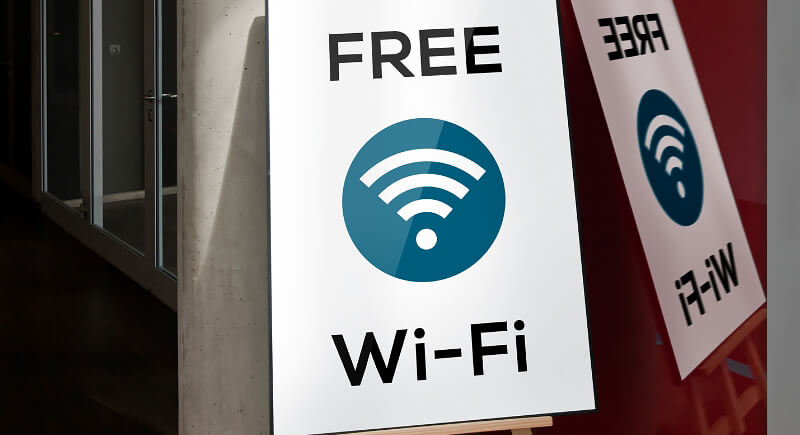
Using Unsecured Wi-Fi Networks
Credit: Getty Images
Connecting to unsecured Wi-Fi networks can raise legal issues in Singapore if the network is not meant for public use. Under the Computer Misuse Act, accessing a private system without authorization may be treated as a cyber offense, even if no password is required. Authorities have prosecuted intentional misuse before.