10 Cultural Mistakes That Will Get You Fined in Singapore
Singapore’s strict image comes from practical choices shaped by limited space, a dense population, and constant use of public transport. More than five million people move through shared spaces every day, so rules focus on cleanliness, maintenance of infrastructure, and public order. Most fines don’t come from obvious misconduct, but from everyday habits travelers don’t realize cross local rules.
Using Unsecured Private Wi Fi Networks

Credit: Getty Images
In several past cases, people were investigated simply for connecting to a neighbor’s router from an apartment or hotel without permission. Singapore treats digital access the same way as physical access to private property. Under the Computer Misuse Act, unauthorized logins can bring fines up to SGD 10,000 and possible jail sentences.
Feeding Wildlife In Public Parks

Credit: pexels
Feeding wildlife is illegal because animals quickly lose fear of crowds and can become aggressive. Singapore’s Wildlife Act allows fines up to SGD 5,000, especially in monitored conservation zones. In places like MacRitchie Reservoir and Bukit Timah trails, monkeys already associate humans with snacks, which is exactly what authorities are trying to stop.
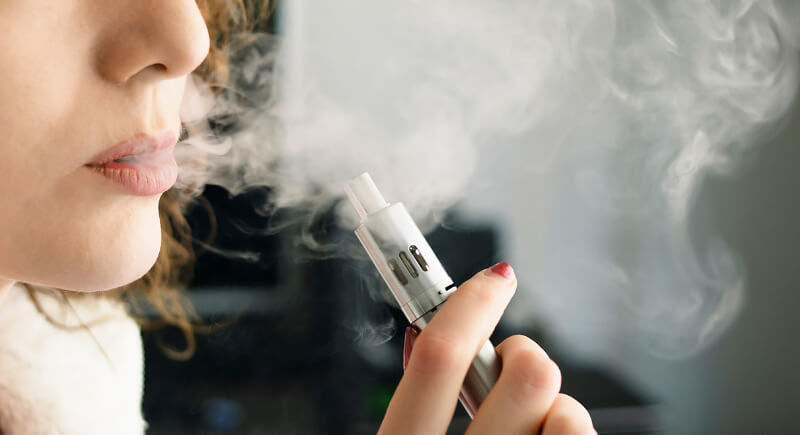
Carrying Or Using E-Cigarettes
Credit: Getty Images
At Singapore airports, vape devices are often discovered during routine luggage screening, and fines or legal action can follow quickly because the law bans import, possession, and use. Confiscation usually happens immediately. Travelers are often surprised that the rule applies even to personal devices packed deep inside checked bags.
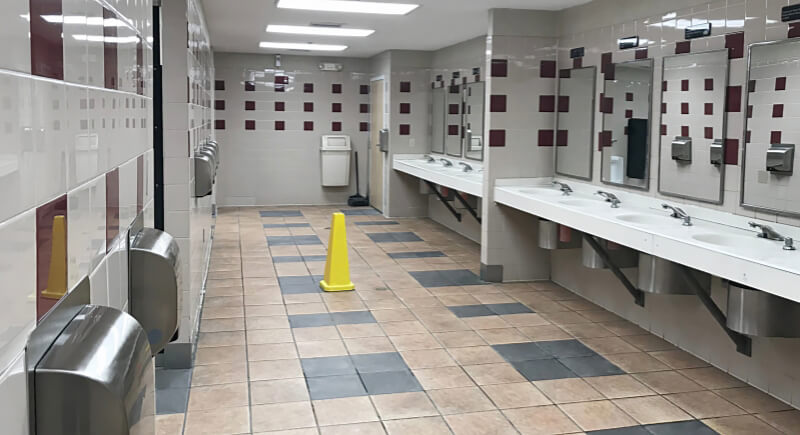
Ignoring Public Toilet Rules
Credit: Getty Images
Public restrooms in busy areas are often inspected, and failing to flush can lead to fines starting at around SGD 150 under public health laws. Singapore treats restroom hygiene as a core part of disease prevention, not a personal preference. In some older buildings, urine detection systems were installed in elevators and could trigger automatic alarms if hygiene rules were violated.
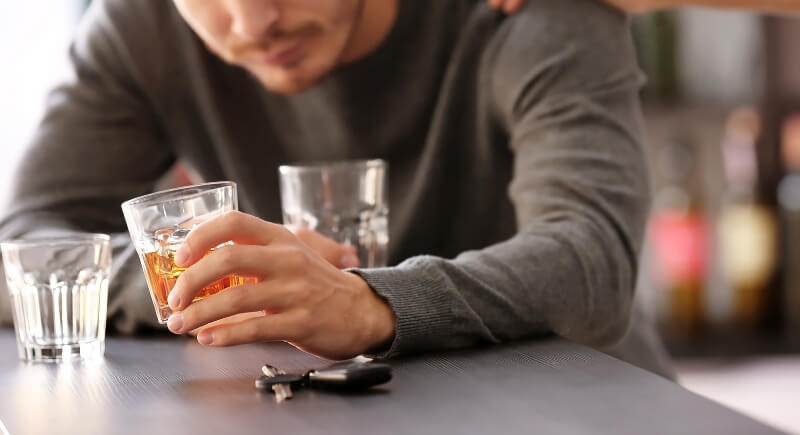
Drinking Alcohol During Restricted Hours
Credit: Canva
Public drinking after 10:30 p.m. can lead to fines around SGD 1,000 under alcohol control rules, especially in nightlife districts and residential neighborhoods. The law was expanded after past public disorder incidents. Police patrols focus heavily on late evenings, particularly near convenience stores, housing blocks, and transit-adjacent gathering areas.
Playing Music Or Singing Obscene Lyrics In Public

Credit: Canva
In busy areas or housing blocks, loud music can quickly lead to complaints, and under the Miscellaneous Offences Act that can already mean fines or short jail terms if authorities consider it a public nuisance. Explicit lyrics raise the risk further. Busking is allowed, but only in approved locations with permits.
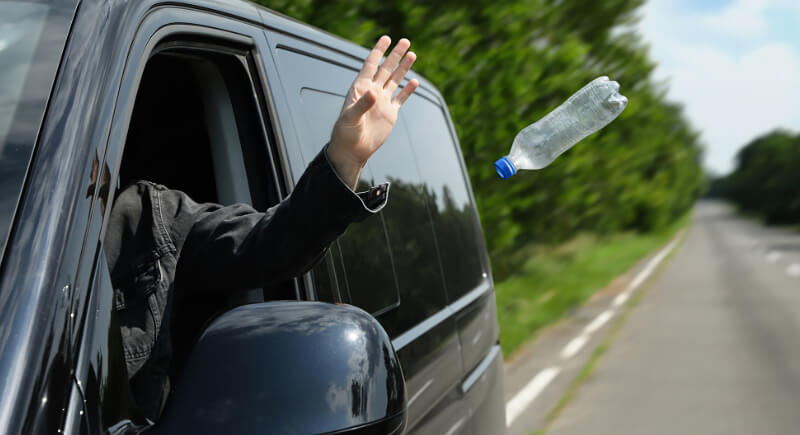
Dropping Trash In Public
Credit: Canva
Even a small receipt dropped on a sidewalk can count as littering, and enforcement teams issue fines that often start at around SGD 300. Repeat cases can result in Corrective Work Orders requiring public cleaning. Officers patrol transport hubs and shopping streets heavily during busy hours when litter complaints increase.
Eating Or Drinking On MRT Systems
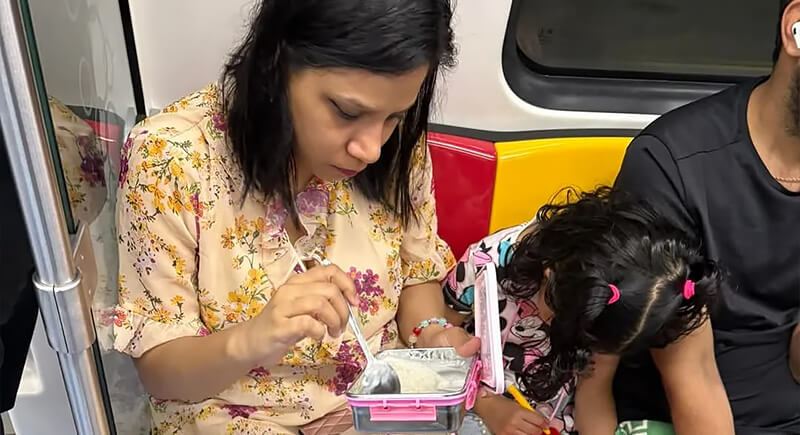
Credit: Reddit
Food and drinks are banned on MRT trains and station platforms, and violations can result in fines of up to SGD 500. The rule exists primarily because spills attract pests and damage cleaning schedules across high-volume stations. Cameras and station staff monitor entrances, especially during morning and evening commuter rush periods.
Smoking Outside Designated Zones

Credit: Canva
In many commercial areas, tourists will see painted yellow boxes or standing ashtray stations marking where smoking is allowed. Stepping outside those zones can already trigger fines ranging from SGD 200 to SGD 1,000. Restrictions are strict near bus stops, malls, and hospital entrances, where pedestrian traffic stays heavy.
Bringing Chewing Gum Into The Country

Credit: Canva
Singapore restricted the sale of chewing gum after it repeatedly jammed MRT train doors and damaged public equipment in the early 1990s. Importing or selling gum can lead to fines or legal trouble, although certain dental products are allowed. At airports, officers may question travelers carrying multiple bags during routine baggage screening.