10 Cruise Ship Secrets Crew Members Won’t Tell You
Cruise vacations are generally easy because someone else handles the chaos. While passengers line up for drinks, food, shows, and excursions, crew members operate under strict rules. They have nonstop schedules and constant responsibilities, including managing emergencies and protecting the ship’s image. That’s why what looks relaxing on deck often depends on intense behind-the-scenes work that never makes the brochure.
The Food Is Nothing Like The Buffet
Credit: Getty Images
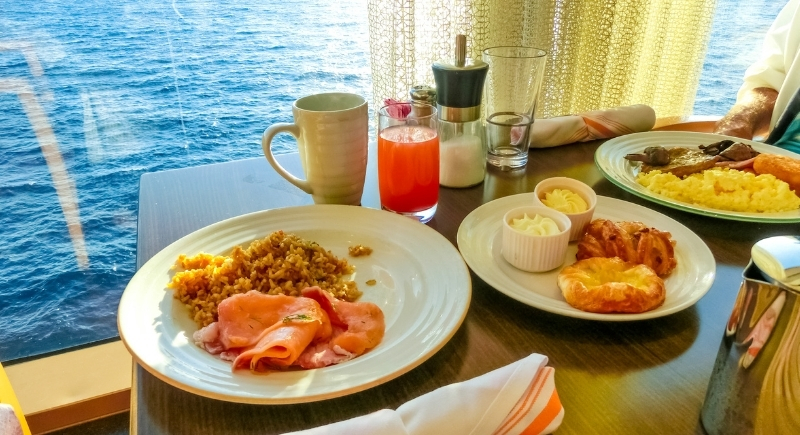
Passengers rave about midnight pizza and carving stations, but crew meals are far more basic. Food is repetitive, portions are small, and leftovers disappear quickly. With constant walking and long shifts, calories burn fast, which is why weight loss is common. Many crew members lose 10 to 12 pounds per contract, and energy levels often rise or fall depending on meal quality during months at sea.
Cheap Drinks Fuel Wild Nights

Credit: Canva
Crew bars sell beer for about $1.25. Drinking bonds coworkers after brutal shifts, and rules technically cap blood alcohol at 0.04%. Enforcement is generally loose unless trouble starts. There are posters about health risks covering the walls, because partying is inevitable when hundreds of workers live together for months without regular breaks or outside social lives.
Guests Are Off Limits

Credit: iStockphoto
Flirting with passengers can end a contract instantly because cruise lines ban romantic contact to avoid lawsuits and scandals. Security tracks crew movement, and cameras watch hallways. Getting caught means termination at the next port. Relationships between crew members are common, though, because shared schedules and close quarters encourage fast attachments during months-long contracts away from home and family ties ashore.
Cameras See Almost Everything

Credit: pexels
Outside private cabins, cameras cover nearly every corridor and workspace. The crew assumes they are recorded whenever they move around the ship. Footage gets reviewed after injuries, disputes, or disappearances. Video evidence often determines blame to explain mysterious incidents. There have been instances where the footage contradicts passenger stories.
Your Review Hits Their Wallet

Credit: iStockphoto
Reviews move up management chains, and a single bad note can follow a worker for an entire contract across departments and future sailings with lasting financial effects. Comment cards matter more than passengers realize. And while complaints cut earnings, praising a crew member by name can boost income.
Emergencies Stay Quiet

Credit: Getty Images
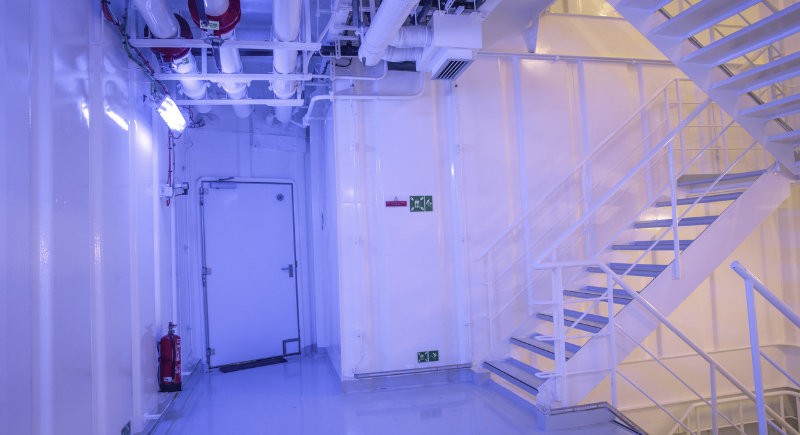
Fires and medical scares happen more often than guests think. Crew members train constantly for emergencies and hold backup response roles. While passengers sip drinks, waiters may be managing crises or handling fire duties in restricted crew-only areas, without public announcements or visible alarms.
Deaths Are Handled Discreetly
Credit: iStockphoto
Roughly 200 passengers die on cruise ships each year, often from natural causes. Large ships include small morgues to store bodies until port. The crew shares details only with families. Most guests never learn what happened, because voyages continue normally after paperwork and security procedures are completed.
Alcohol Drives Many Jumps

Credit: Canva
Man overboard incidents often involve heavy drinking. Security footage shows deliberate jumps from decks late at night. Intoxication can reduce injury on impact, oddly enough. Rescue depends on location and timing, and public explanations sometimes differ from video evidence reviewed later by authorities.
The Ship Will Leave You
Credit: Canva
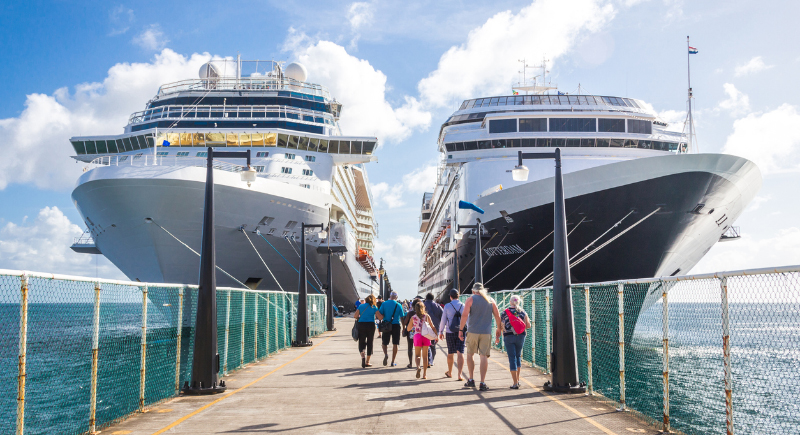
Departure times matter more than excuses. Ships face heavy fines for staying late in port. Crew closes gangways on schedule, even if passengers are missing. Late guests must arrange their own transport to the next stop. Shore excursions come with warnings because punctuality controls everything once engines restart.
Crew Cabins Are Smaller Than Most Closets
Credit: iStockphoto
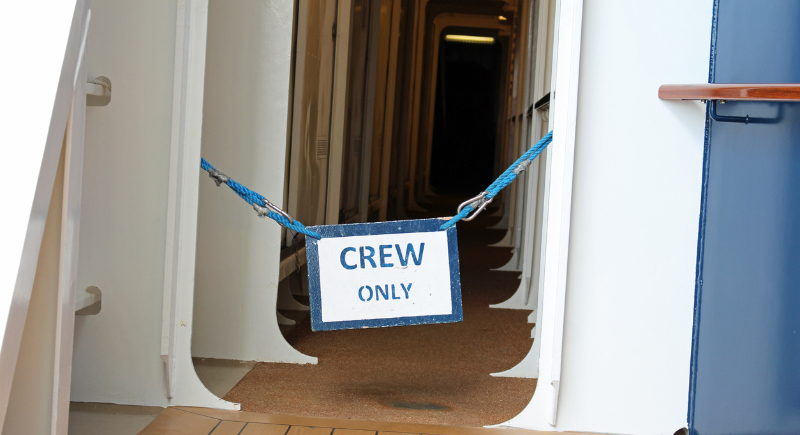
Crew cabins are compact enough that bunk beds, desks, and closets often share the same tight footprint. Many rooms house two to four workers, and storage space remains extremely limited. Privacy is scarce, so schedules are staggered to avoid overlap. These cramped living conditions help explain why crew members spend their free time in common areas.