10 Travel Scams Targeting Tourists in Popular Cruise Ports
Cruise ports force you into instant vacation mode. The relaxed mood can blur judgment, which is exactly what scammers count on. Reports from consumer advocates and travel authorities show familiar tricks repeating across popular ports. Read on before the next sailing.
Fake Cruise Line Call Centers

Credit: Canva
Search results and social media pages occasionally display incorrect customer service numbers for major cruise lines. Calling one of these listings connects travelers with smooth‑talking agents who claim an unpaid balance or a sudden port fee needs immediate attention. The sense of urgency pushes quick decisions, and credit card details get handed over.
Too‑Good Booking Websites
Credit: Canva
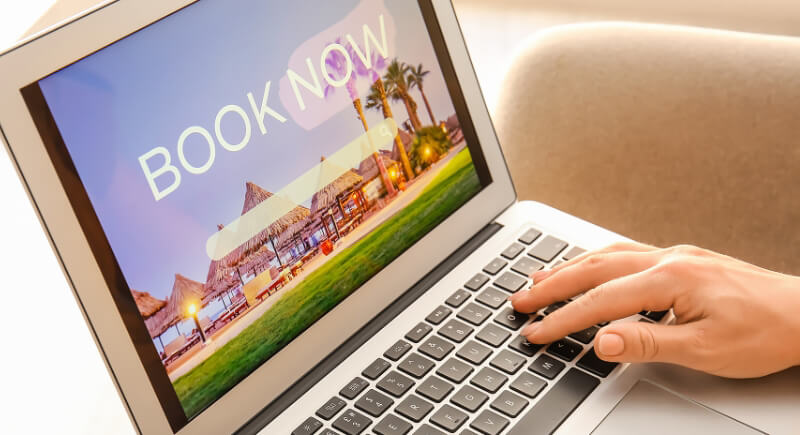
Imitation booking sites copy the look of official cruise pages, complete with matching colors and ticking countdown clocks. Shoppers believe they are securing real cabins at jaw‑dropping prices. Payments route through unfamiliar processors, and confirmation emails look legitimate at first glance. Reality hits at the terminal when no reservation appears in the system.
Phishing Messages About Urgent Trip Changes

Credit: pexels
Emails and text alerts claiming to represent cruise operators warn of itinerary shifts or missing travel documents. The links lead to fake login screens built to capture account credentials, and the listed phone numbers connect to scripted callers urging fast action.
Social Media Cruise Giveaways

Credit: Getty Images
Bright promotional posts promise free cruises, cabin upgrades, or anniversary sailings. Fake accounts reuse official ship images and ask followers to comment or submit personal information to claim a prize. A small processing fee often appears next, opening the door to larger losses.
Free Facials And Beauty Shop Traps

Credit: anytka
Promoters in port shopping areas offer complimentary skincare samples or short treatments. Visitors accept a seat and a drink, then find themselves surrounded by sales staff presenting miracle product claims. Pressure builds as prices climb and receipts list final‑sale conditions. Complaints about these beauty shop tactics often surface in Caribbean ports.
Discount Shore Excursion Sellers
Credit: iStockphoto
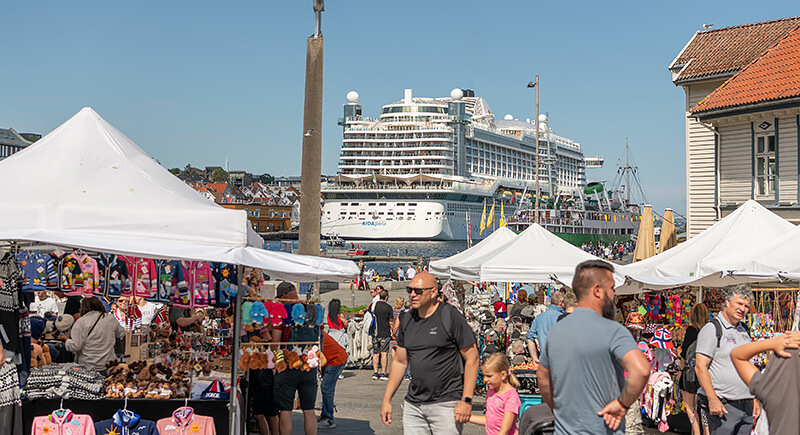
Temporary kiosks near piers advertise excursions at prices lower than cruise‑run tours. Friendly representatives collect payment and describe unforgettable adventures ahead. Once on the road, tours may focus on commission‑based shopping stops instead of advertised sights. Cruise‑sponsored excursions offer refund protections when plans change, which independent sellers rarely provide.
Unmetered Taxi Rides

Credit: Getty Images
Drivers near port exits call out low fares to travelers eager to explore beyond the terminal. Passengers step into vehicles without meters or visible permits, only to experience a ride filled with unnecessary detours. The final fare arrives far higher than expected.
Helpful Photo Strangers
Credit: Getty Images
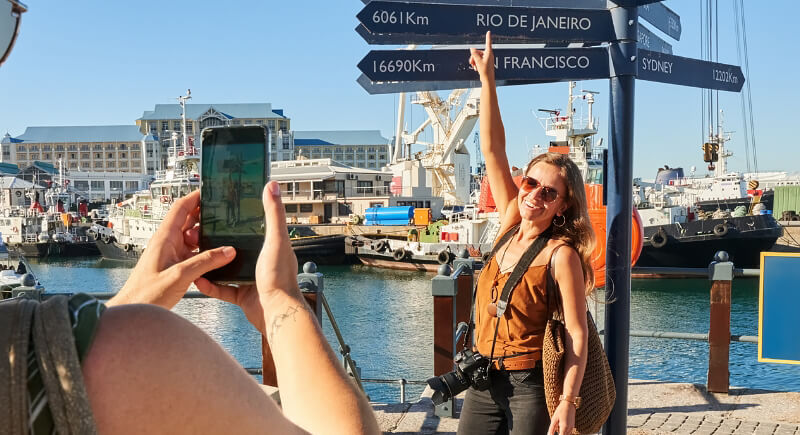
A friendly stranger offering to take a vacation photo seems harmless in a lively crowd. Handing over a phone feels like a small favor until payment demands follow the snapshot or the device vanishes into foot traffic. Another version involves a dropped camera and claims of damage.
Travel Club And Timeshare Invitations

Credit: Getty Images
Travelers may be offered free meals or resort access in exchange for attending a sales presentation. These sessions are designed to push quick contract signings. Agreements signed abroad are often hard to cancel later, which leaves travelers locked into long-term commitments they did not intend to make.
Fake Travel Authorization Sites

Credit: Getty Images
New entry requirements for certain destinations have inspired copycat authorization websites. These pages charge inflated fees for documents that cost far less through official government portals. Approval emails may arrive late or not appear at all.