Crazy Facts About Rome That Honestly Sound Completely Fake
Rome is the only city where you can travel over 2,000 years of history on your way to lunch, and nobody acts impressed. Ancient engineers, rival nations, secret keyholes, and daily coin tosses all coexist within a few square miles. Here are 10 facts about the city that feel invented but are backed by history.
The Egyptian Pyramid Hidden In Plain Sight
Credit: Wikimedia Commons
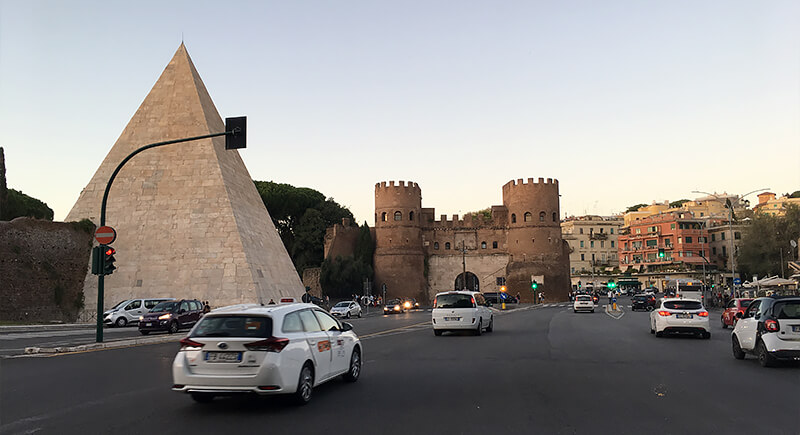
Right beside heavy traffic near Porta San Paolo is the Pyramid of Cestius, built in 12 BC as the tomb of magistrate Gaius Cestius. After Rome conquered Egypt in 30 BC, the Egyptian style became fashionable among elites. The pyramid was later folded into the Aurelian Walls between 271 and 275 AD, which accidentally protected it. The first-century BC pyramid still anchors a modern European capital.
Older Than Most Nations
Credit: pexels
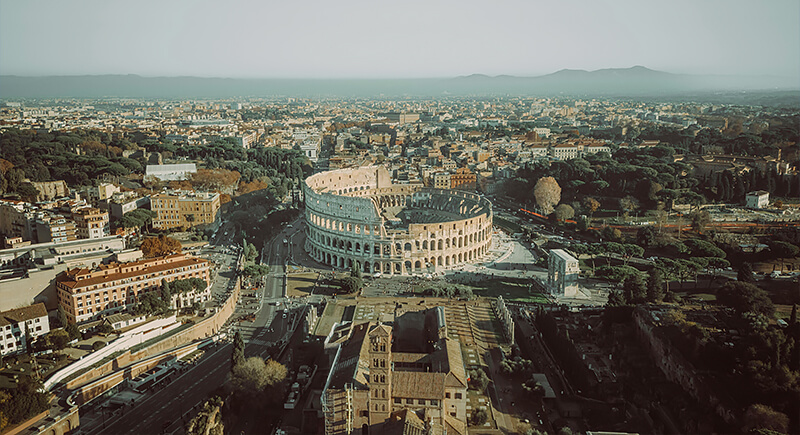
This city’s traditional founding date is 753 BC, which makes it older than many countries people consider historic. England unified in the 10th century AD, France took shape after the Treaty of Verdun in 843 AD, and Spain unified in 1479. By comparison, Rome had already been around for centuries. At over 2,700 years old, it rewrites any modern definition of old.
The Keyhole That Frames Two Countries
Credit: Wikipedia
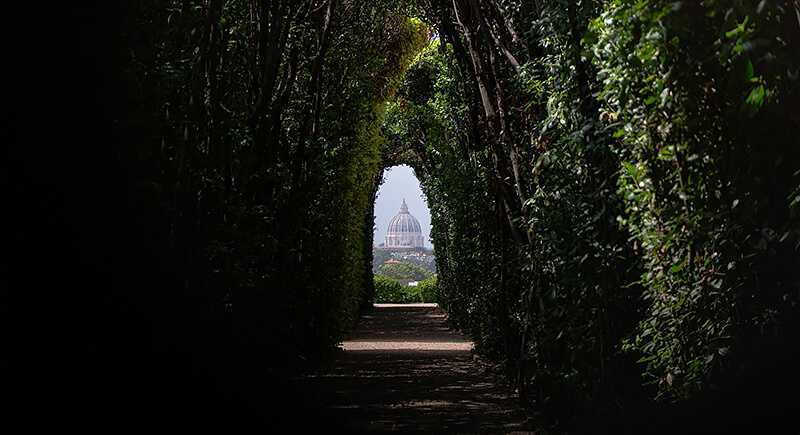
On Aventine Hill, a small keyhole at the Priory of the Knights of Malta offers a perfectly aligned view of St. Peter’s Basilica. The foreground is in Italy, while the dome rises inside Vatican City. The property itself belongs to the Sovereign Military Order of Malta, which holds sovereign status under international law. One glance neatly lines up three jurisdictions without moving your feet.
The City With Over 900 Churches
Credit: Wikimedia Commons
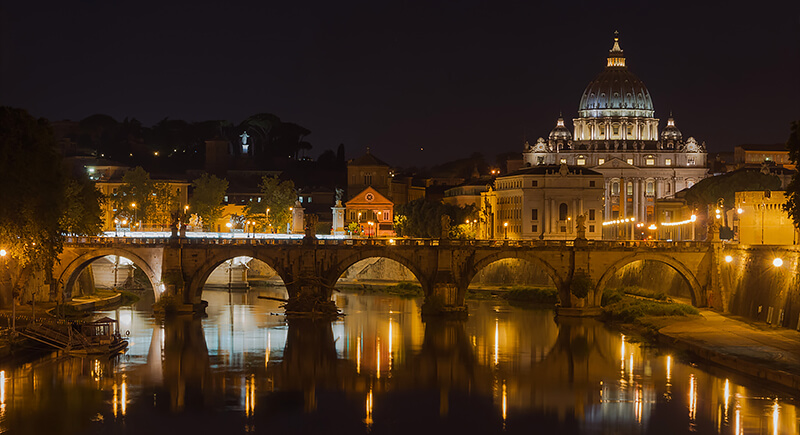
Rome contains more than 900 churches, including basilicas, parish churches, and religious institutions. Visiting one per day would take nearly three years. The concentration makes it one of the most church-dense cities in the world. A casual stroll can turn into an encounter with Renaissance frescoes, Baroque sculptures, and relics centuries old.
Free Fountains That Never Turn Off
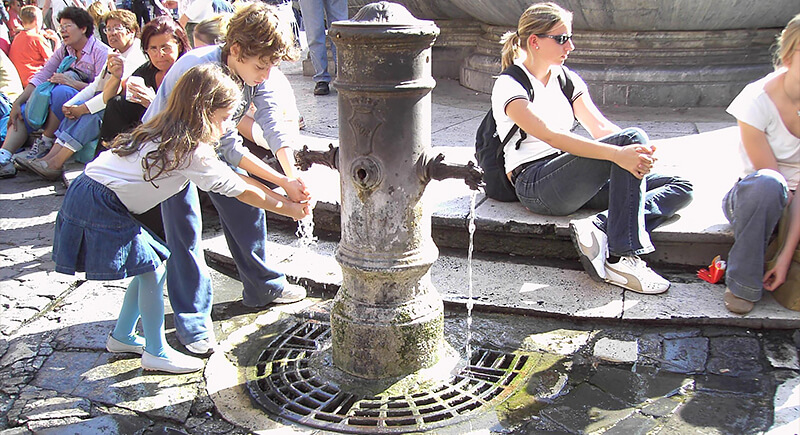
Credit: Wikimedia Commons
More than 2,500 public drinking fountains operate across Rome, and locals call them nasoni, meaning big noses, because of their curved spouts. The first cast-iron models were installed in 1874. The water flows continuously and remains safe to drink. These fountains connect modern neighborhoods to aqueduct traditions rooted in ancient engineering.
Funding Real Charity
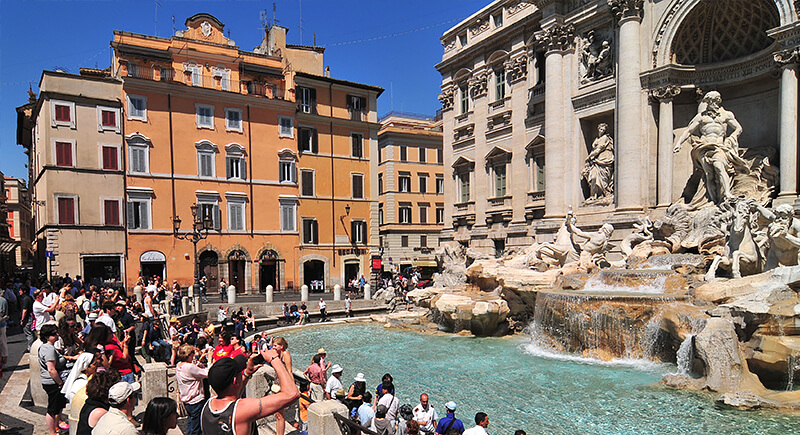
Credit: Wikimedia Commons
In continuation, the Trevi Fountain collects coins tossed by visitors every single day. Between €3,000 and €4,000 is gathered daily, which equals roughly $3,270 to $4,360. The annual total exceeds €1 million, or about $1.09 million. The money supports Caritas, a Catholic charitable organization.
The Pantheon’s Dome That Defies Physics
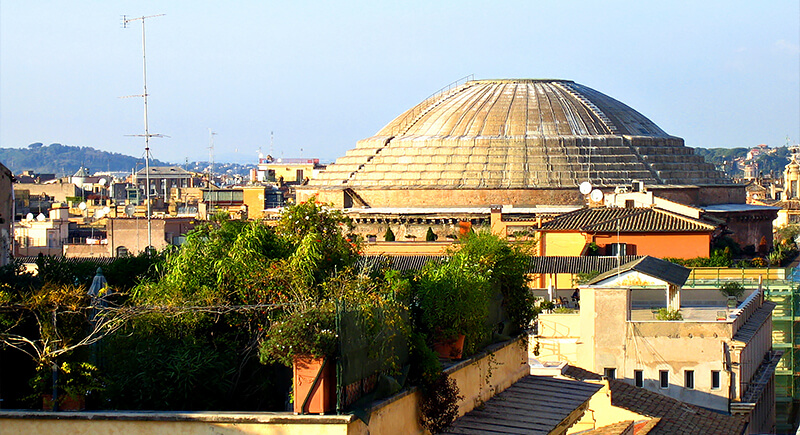
Credit: Wikimedia Commons
Completed around 126 AD during Emperor Hadrian’s reign, the Pantheon features a dome measuring 43.3 meters (142 feet) in diameter. It remains the largest unreinforced concrete dome in the world. An 8.2-meter, or 27-foot, oculus opens at the top. Roman engineers reduced the weight toward the upper sections, and their concrete formula still puzzles researchers today.
A Country Entirely Inside A City
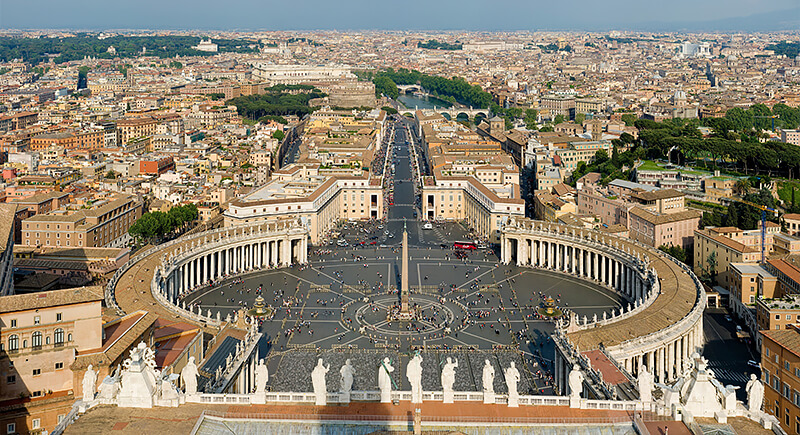
Credit: Wikimedia Commons
Vatican City exists as an independent country completely surrounded by Rome. It covers about 44 hectares (110 acres), which makes it the smallest internationally recognized state in the world. The pope governs it as a sovereign entity.
The Colosseum That Hosted Naval Battles
Credit: Wikimedia Commons
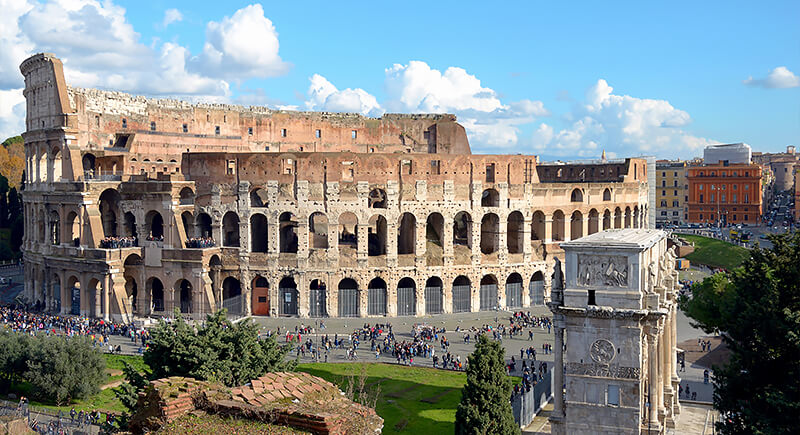
Early in its history, the Colosseum may have hosted staged naval battles called naumachiae. Some ancient accounts suggest the arena floor could be removed and the space flooded to recreate sea combat. This likely occurred before the underground hypogeum system of tunnels and chambers was completed, since that structure made large-scale flooding impossible. Historians continue to debate how practical these water spectacles were, but the scale of planning reflects Rome’s commitment to grand public entertainment.
Overlapping Sovereignties In One Neighborhood
Credit: Wikimedia Commons
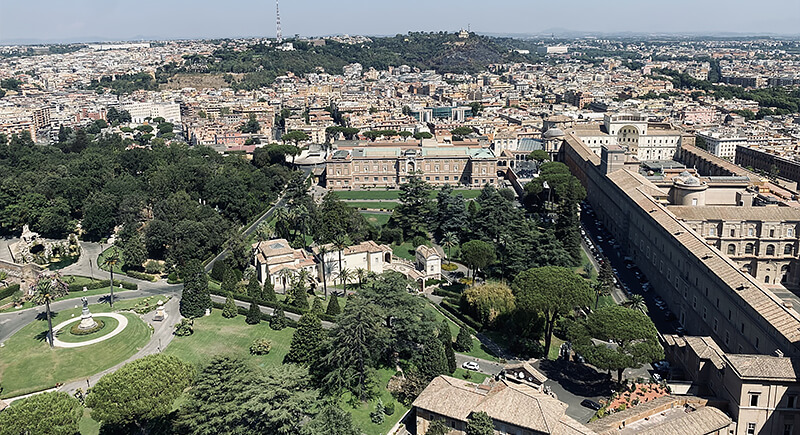
Within a small area of Rome, Italy governs the territory, Vatican City operates as its own state, and the Sovereign Military Order of Malta holds property with sovereign status. These overlapping jurisdictions coexist peacefully and simultaneously.