The Most Annoying Travel Behaviors From Couples That Ruin Vacations for Everyone
Couples often travel to relax, but their habits can shape the experience for everyone around them. In shared spaces like planes, hotels, and tours, small behaviors become hard to ignore. What feels normal or private to two people can quickly frustrate others nearby. These common couple habits, drawn from traveler experiences and etiquette norms, tend to cause the most tension on vacation.
The Forced Seat Swap
Credit: Getty Images
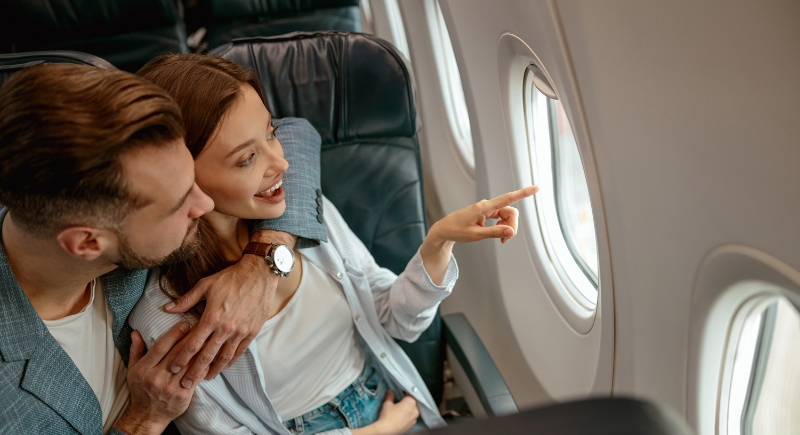
You paid extra for your aisle seat and checked in early like a responsible adult. Suddenly, a couple boards the flight late and makes you the villain for not giving up your seat so they can hold hands at 30,000 feet. Amber Lee, co-founder of the Select Date Society, has seen couples skip paying for seat selection and expect solo travelers to suffer for their poor planning. The entitlement is startling.
Chair Hoarders

Credit: Canva
Kristina Bronitsky of RedAwning watched this play out at a resort in Mexico. A couple rushed to the pool at dawn, claimed the best lounge chairs with towels, then disappeared for hours. Other guests grew frustrated, and management eventually stepped in. Holding prime spots without using them turns shared amenities into a source of tension and leaves everyone else feeling shortchanged.
Landmark Monopolizers

Credit: Canva
20 minutes is how long one couple spent staging sunset photos at a cliffside spot in Santorini while the line behind them grew longer and the golden hour slipped away. Social media has led couples to appoint themselves directors, forgetting that everyone else paid for the same view.
Public Argument Theater

Credit: pexels
Nobody needs to know about your unresolved conflict over whose family you visited last Christmas, yet here we are. Travel sometimes reveals deeper attachment issues, where one partner gets anxious about missing a connection and the other dismisses those concerns, triggering a disproportionate reaction.
The Fauxmoon
Credit: Canva
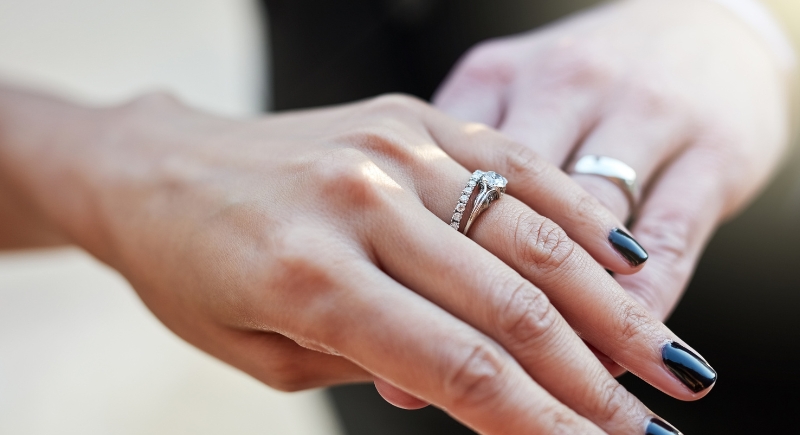
Nothing tests a flight crew’s patience like a couple loudly announcing a honeymoon to fish for upgrades. Travel advisors call it a shortcut to perks that other passengers paid for. Some businesses celebrate milestones, but staff notice rehearsed stories and selective tears. Nino Russo Alesi spent a decade in the UK hotel hospitality industry, watching couples manufacture elaborate special occasions, so if it gets flagged enough times, expect no potential upgrades.
Volume Obliviousness

Credit: Getty Images
The argument about museum plans versus beach time echoes through the shared game room until other guests leave the area because nobody wants front-row seats to relationship drama. Sean Swain owns short-term rental properties in Detroit and has witnessed countless couples having loud fights or equally loud reconciliations in common areas. The tension becomes uncomfortable for others and makes you wonder if these couples realize their room doors close.
Territory Takeover
Credit: Canva
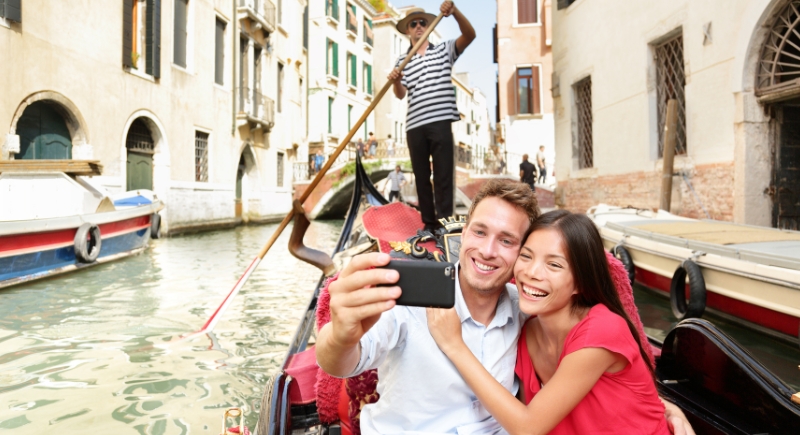
Some couples treat shared experiences as personal property. On boat rentals, they linger in prime fishing spots and resist sharing space with other groups on the water. The same attitude shows up on guided tours, where rules get pushed, limits are ignored, and basic safety guidance gets brushed off. Acting entitled in group settings disrupts the flow and puts unnecessary strain on others.
Relationship Triangulation

Credit: Getty Images
Picture a couple arguing about directions, then splitting up to separately approach different tourists and ask them to “settle” who’s right about which way to the Colosseum. The behaviour is problematic because it pulls strangers into relationship dynamics that have nothing to do with them.
The PDA Overload

Credit: Getty Images
Public affection can cross a line in tight or shared spaces. Small gestures usually pass without notice, but extended physical contact on shuttles, tours, or planes can make others uncomfortable. Expectations also vary by destination, and some places enforce stricter standards around public behavior. Keeping intimacy limited to private settings helps avoid awkward moments and respects the comfort and rules of everyone around.
The United Complainers
Credit: Getty Images
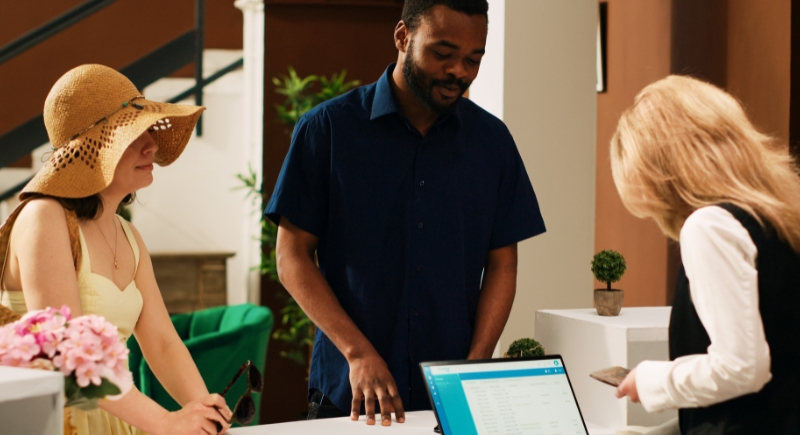
Hotel staff dread the couple who negotiate like it’s a courtroom drama. One complains, the other amplifies, then both demand compensation for tiny inconveniences. Hospitality experts note that an upgrade win often affects another guest who paid for it. A better strategy will be to describe the problem calmly, ask for a specific fix, and let employees do their jobs without the pressure-cooker performance.