10 Countries Where Tipping is Considered an Insult
Tipping is standard in America, but when traveling abroad, that same habit can misfire. In plenty of countries, service is treated as a professional standard, already built into the price, and protected by local norms that prioritize dignity. The awkward part is that the well-intentioned gesture you thought would brighten someone’s day actually comes across as insulting. In these 10 countries, keeping your cash in your pocket is the smarter move.
Japan

Credit: Getty Images
Restaurant staff sometimes chase tourists down the street, waving forgotten bills. Except that the money in question was a tip. Exceptional service flows from “omotenashi,” a cultural concept where workers take pride in going above and beyond in their jobs. Leaving cash suggests the service wasn’t already perfect, which feels insulting. In some formal contexts, money may be offered in a “noshibukuro” envelope.
New Zealand

Credit: Canva
Kiwis actively avoid the unequal dynamic that tipping creates. Hospitality workers earn salaries that don’t require customer supplementation. On average, waiters earn around 23 NZD, which is around minimum wage. Servers in Auckland or Wellington might accept tips from foreigners to avoid awkwardness. Handing someone extra money can seem patronizing, as if you’re rewarding basic competence.
China

Credit: pixabay
Service workers might refuse your tip multiple times before you realize they’re serious. The gesture contradicts values around dignity in labor and can embarrass recipients by implying they need financial assistance. Beijing and Shanghai have absorbed Western culture in luxury hotels, but locals find the practice bewildering. Tour guides represent another exception since they’ve also adapted to foreign expectations. Handing extra yuan to your server at a neighborhood restaurant will likely confuse them.
Switzerland

Credit: Getty Images
Bills include service charges, so additional money is viewed as redundant or insulting. The Swiss take pride in efficiency and professionalism. Tipping implies they need performance-based incentives to do their jobs correctly. MySwitzerland’s official guidance suggests respecting the existing system shows more cultural awareness than importing foreign customs. A few extra francs for outstanding service won’t offend service providers, but 20 percent American-style can attract strange looks from staff and diners.
South Korea

Credit: Getty Images
Waving bills at restaurant staff here can be seen as a tacky move. Tipping isn’t expected since some venues include a service charge. Korean culture prizes humility and finds overt generosity uncomfortable. Rounding up to the nearest thousand won might pass in casual settings, but anything more ventures into awkward territory. Good work is compensated through fair wages.
Singapore

Credit: Getty Images
Hospitality and food service workers are paid well thanks to a progressive wage model, which means waiters earn around 2,000 Singaporean dollars in 2026. Trying to slip extra Singapore dollars comes off as faintly condescending. Staff in tourist districts like Marina Bay might accept tips to avoid confrontations with insistent foreigners, but their discomfort sometimes shows.
Denmark
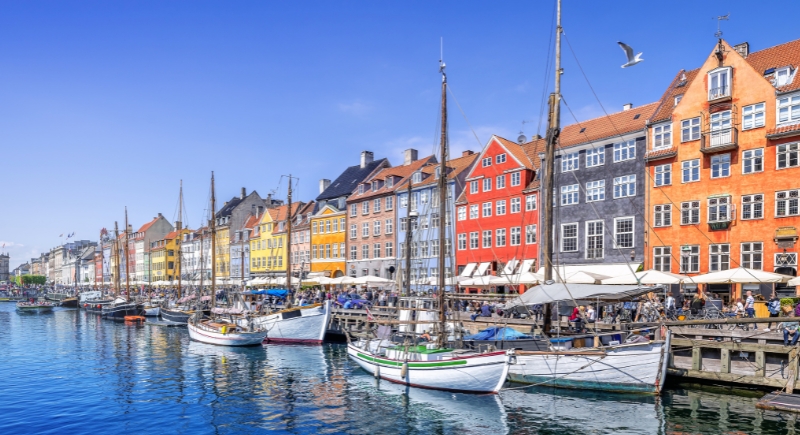
Credit: Getty Images
Denmark’s restaurant culture operates on the principle that good service is a professional requirement. Bills include everything needed to fairly compensate workers. Tipping creates tension by establishing a hierarchy between server and customer. Truly exceptional experiences might justify rounding up by 10 percent at most.
Iceland
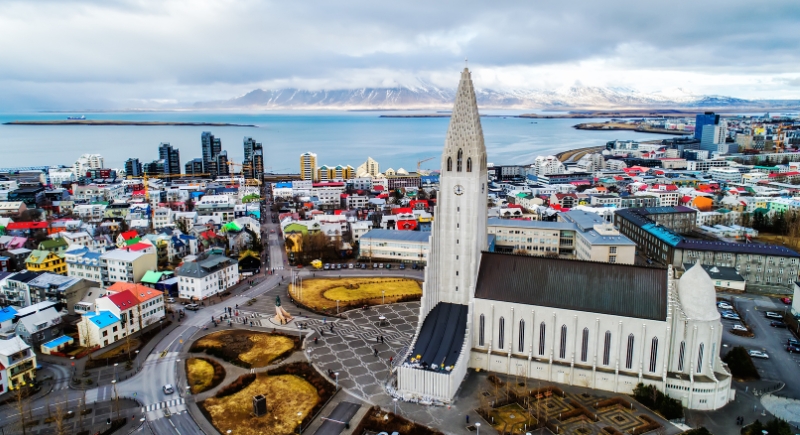
Credit: Getty Images
Try tipping your server in Reykjavik, and they might assume you’ve had too much Brennivín. Strong labor protections mean hospitality workers earn livable wages without hustling for extras. Fair compensation is a national pride in Iceland.
Hong Kong

Credit: Getty Images
Hong Kong dining moves fast, and tipping isn’t the headline. Restaurants commonly add a 10% service charge, so extra cash can seem like show-off behavior. In taxis, many people simply round the fare. If you’re happy, leave small change and keep the transaction quick. Staff will appreciate speed and politeness more than an American-style “thank you” in banknotes.
Norway

Credit: Getty Images
Norway prefers wages you can live on, not wages you gamble for. That’s a big reason why tipping isn’t expected. Fellesforbundet, the Hotel and Restaurant Workers’ Union, has criticized gratuities for pushing responsibility onto customers. If the service was excellent, rounding up is acceptable, but keep it subtle.