10 Countries with the Strictest Dress Codes for Tourists
Packing for a trip is not always just about comfort or style. In some countries, what you wear is closely tied to law, religion, or social norms, and visitors are expected to respect those rules the same way locals do. Ignoring them can lead to fines, unwanted attention, or uncomfortable run-ins with authorities. These 10 countries are places where clothing choices matter far more than many travelers realize.
Iran
Credit: Getty Images
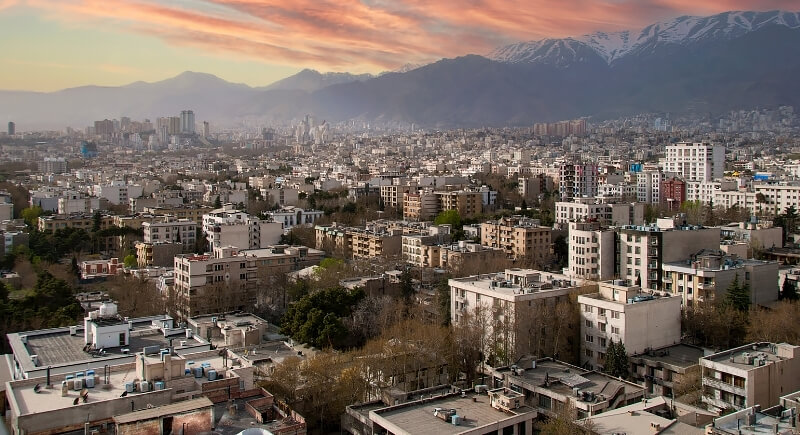
Clothing laws here are outlined in national regulations and apply to both locals and visitors. Women are legally required to cover their hair with a hijab and wear loose-fitting garments that conceal their arms and legs. Morality police in Iran have enforced these rules for decades, issuing fines or detaining people who do not comply. Enforcement varies by region, with Tehran appearing to be more lenient than smaller cities. The law itself remains unchanged despite public protests.
Saudi Arabia
Credit: Getty Images
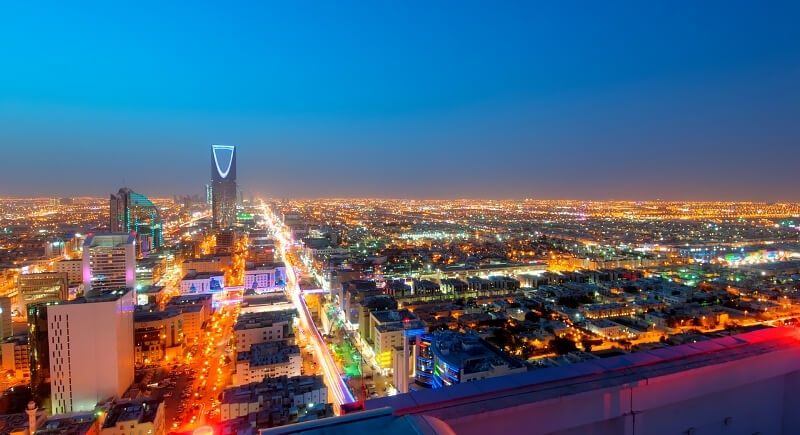
Dress expectations in Saudi Arabia shifted after 2018, but modesty continues to shape public life. Women are expected to cover their shoulders and knees, while men are discouraged from wearing clothing with offensive images or slogans. Abayas are optional for foreign women, yet common in conservative areas. Religious sites often require additional coverage.
Afghanistan
Credit: Getty Images
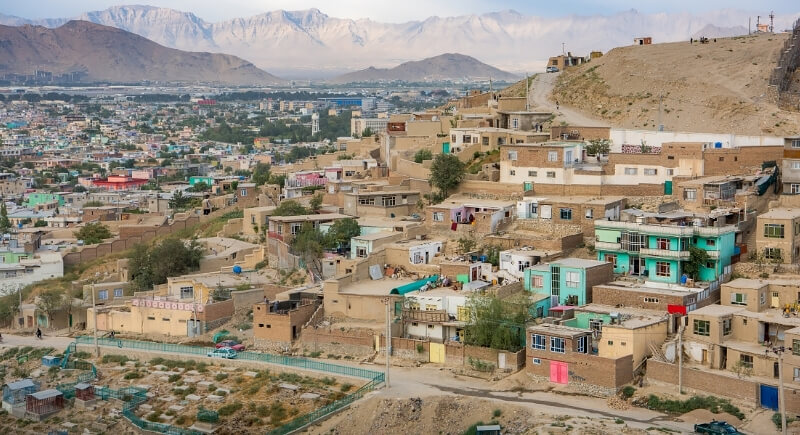
Few places enforce clothing rules as strictly as Afghanistan under Taliban rule. Women are required to wear garments that fully conceal their bodies, including their faces and eyes. In 2024, regulations expanded to limit women’s visibility and voices in public. Local penalties can include public punishment or imprisonment. International travel advisories continue to discourage visits due to security concerns and the unpredictability of enforcement.
North Korea
Credit: Getty Images
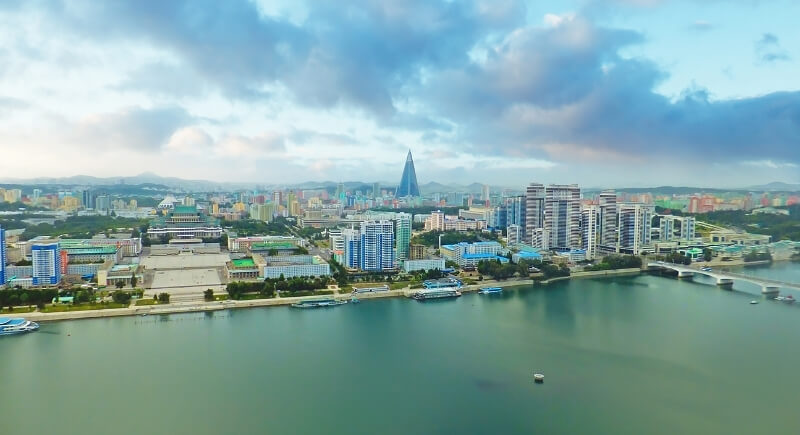
Fashion in North Korea is as controlled as a political statement, as jeans and Western-style clothing are discouraged or banned because of their association with capitalism. Skirts are expected to fall below the knee, and bold styles draw attention from authorities. Local women face ideological consequences for violations. Clothing guidelines are issued regularly and closely monitored, alongside behavior and speech.
Sudan
Credit: Wikimedia Commons
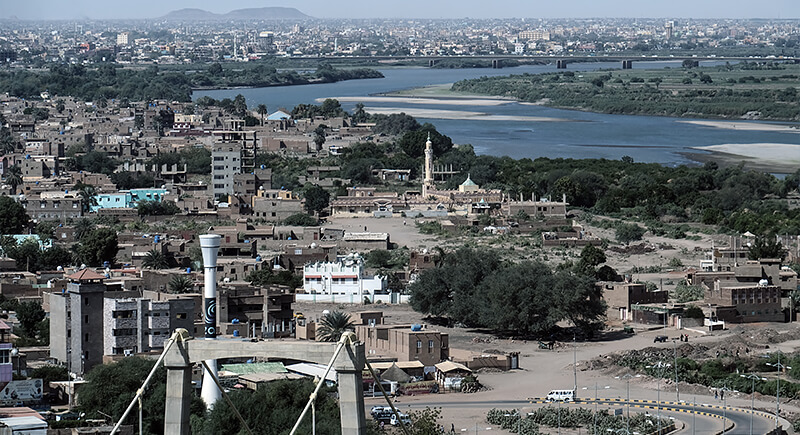
Sudan’s clothing rules softened after political reforms, yet conservative norms remain strong. Women are expected to wear outfits that cover arms and legs, especially outside major cities. Earlier laws allowed harsh punishments, including flogging, although those statutes have since been repealed. Social enforcement still plays a large role, particularly in rural communities where tradition guides expectations more than written law.
Bhutan
Credit: Getty Images
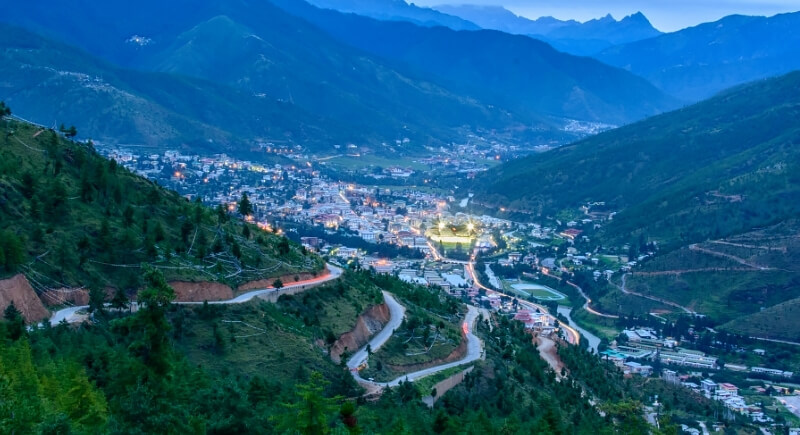
Clothing is tied directly to Bhutan’s national identity. Citizens are required to wear traditional attire in government offices, schools, and formal settings. While tourists are not legally required to dress traditionally, modest clothing is expected in official spaces. The policy prioritizes cultural preservation over punishment. Visitors often notice that attire reflects pride rather than restriction.
Indonesia
Credit: pexels
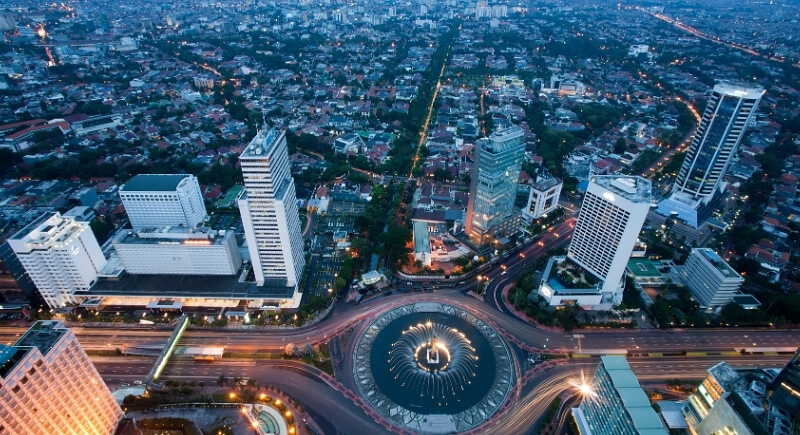
Indonesia is generally relaxed about clothing, except in the province of Aceh. Aceh enforces Sharia law, requiring women to wear hijabs and modest outfits in public. Local penalties include fines or public shaming. These rules do not apply elsewhere in the country, making Aceh an exception rather than the standard. Public conduct laws are enforced in conjunction with dress requirements.
India
Credit: Getty Images
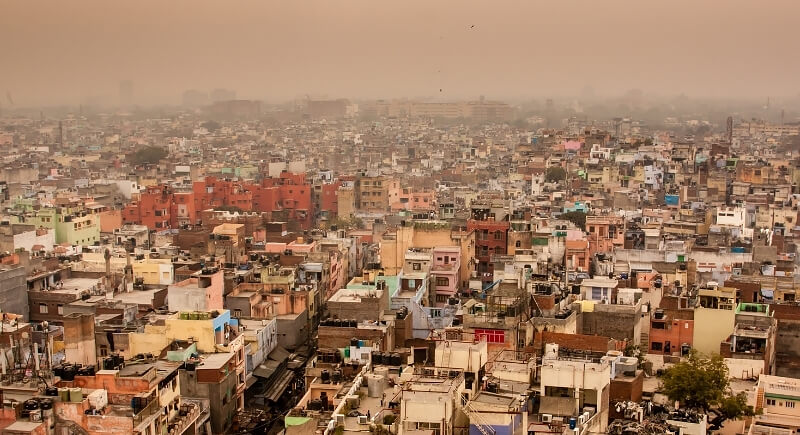
Dress expectations vary widely across India. There is no national law regulating clothing, yet conservative customs prevail in rural areas and at religious sites. Shoulders and knees are expected to be covered in temples and mosques. Violations usually result in denial of entry or social disapproval rather than legal penalties. Large cities follow far looser norms shaped by regional culture.
Maldives
Credit: Wikimedia Commons
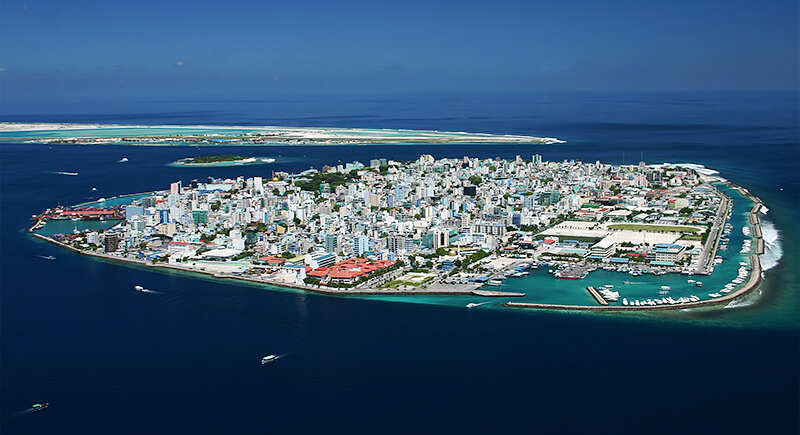
Clothing rules depend on where someone is staying. Resort islands typically allow swimwear and Western clothing, whereas local islands often adhere to more conservative Muslim customs. Women are expected to cover their shoulders and knees in public spaces. Enforcement is polite but firm. Local women face stronger social expectations tied to religion and community standards.
Uganda
Credit: Getty Images
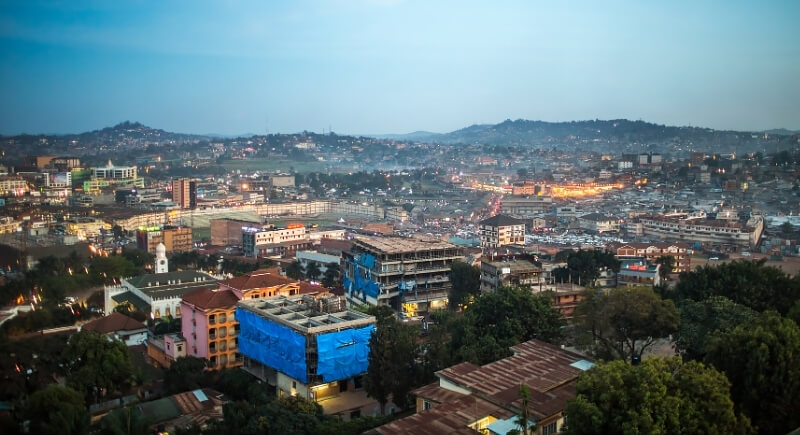
Uganda enforces laws that restrict clothing seen as revealing, including very short skirts. How strictly this is applied depends on the location. Urban areas like Kampala tend to be more relaxed, while smaller towns and rural regions take dress rules far more seriously. Outside cities, clothing is often viewed as a marker of morality and public order, and local women can still face fines or arrest under these regulations.