10 Countries That Require Proof of Wealth to Visit
Planning a trip usually starts with tickets and accommodation, but for some destinations, your bank balance matters just as much. These countries ask travelers to show financial stability upfront, mainly to ensure visitors can support themselves during their stay. How strict this feels depends on where you are going, with rules that range from simple paperwork to more formal checks at the border.
Brazil

Credit: Getty Images
Travelers planning ahead for beach days or business meetings may overlook a new requirement introduced in visa updates. As of April 2025, certain visitors are required to present recent bank statements or pay stubs to demonstrate their ability to cover the cost of their stay. Around $2,000 USD is commonly referenced, with sponsorship options available for longer visits.
Japan

Credit: Canva
Paperwork in Japan reflects a broader cultural preference for order. Financial proof typically includes bank statements and tax records that show daily expenses won’t become an issue. The process isn’t rushed or flexible, but it is consistent. Preparation tends to matter more than excess funds, which suits travelers who like clear expectations.
United States
Credit: pexels
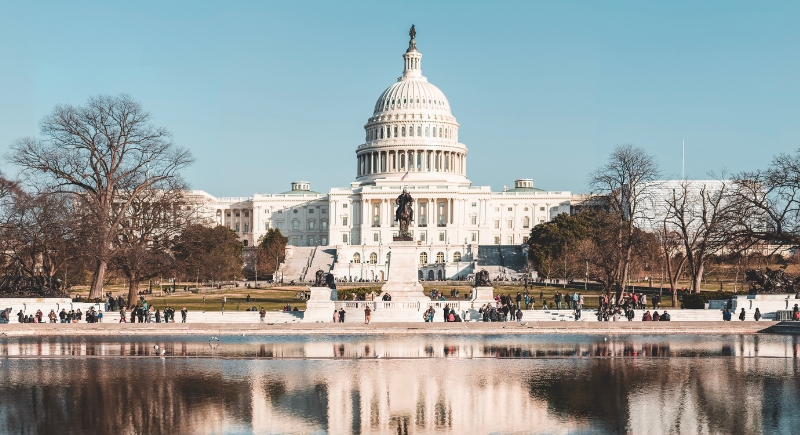
Instead of a posted dollar amount, interviews shape the outcome. Bank records, employment letters, travel plans, and personal ties all get weighed together. Two applicants with identical balances can receive different results because the decision hinges on credibility and personal circumstances. Preparation feels more like presenting a clear story than meeting a fixed number.
United Kingdom
Credit: pexels
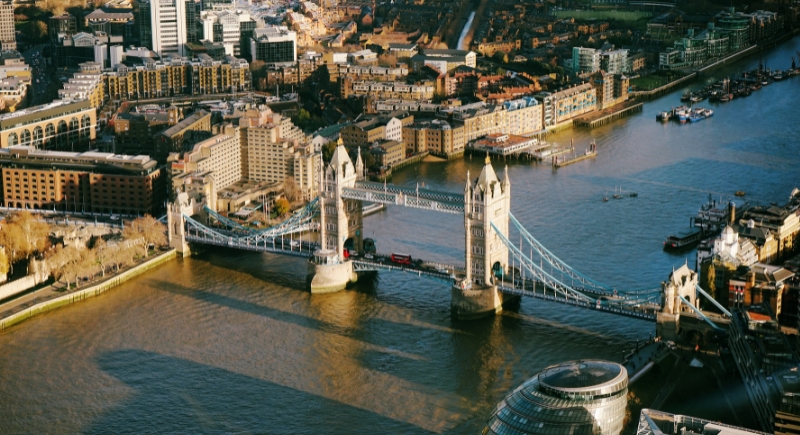
During review, officers spend less time counting totals and more time reading patterns. Six months of bank statements often reveal whether funds are stable or have recently shifted. Money that’s been sitting carries more weight than a last-minute boost, even when the overall balance looks strong.
Mexico

Credit: Getty Images
Weekend vacations pass with little attention, but longer stays in Mexico move into a different category. Temporary residency applications require proof of steady income or savings, often around $2,500 USD per month. The requirement naturally attracts retirees and remote workers, shaping who settles in for extended seasons rather than short trips.
France

Credit: Getty Images
How long you plan to stay in France changes almost everything about the financial check. Under Schengen rules, proof of funds scales with trip length and accommodation type, which is why hotel guests face higher daily expectations than visitors staying with hosts. Bank statements usually settle the question, but the math can shift behind the scenes.
Italy

Credit: Getty Images
Applicants who show their work tend to move faster through the system. Daily spending requirements are multiplied by trip length, then adjusted if relatives are involved. Bank statements anchor the file, but presentation matters. Clear calculations signal seriousness, and consulates respond better to order than improvisation or vague totals.
Switzerland

Credit: Getty Images
Once food prices, transit fares, and lodging costs enter the picture, the requirement for financial proof stops feeling theoretical. Officials focus on liquid funds instead of assets, and travelers usually understand the logic after pricing a meal or train ticket. Daily minimums often exceed €100 EUR, reflecting everyday expenses rather than exclusivity.
Spain

Credit: Canva
A casual travel vibe doesn’t soften the paperwork, as financial proof must meet Schengen standards. However, regional practices and accommodation choices influence the final numbers. Recent bank statements typically cover expectations when plans are realistic. The contrast between relaxed surroundings and firm documentation tends to surprise visitors more than the rule itself.
Turkey

Credit: Canva
Visa requirements in Turkey don’t leave much room for guesswork once you look at the numbers. Visitors who need visas are expected to show roughly €50 EUR per day in available funds, supported by recent bank statements, pay slips, or business records. Families calculate the total per traveler, making preparation simple math rather than interpretation.